
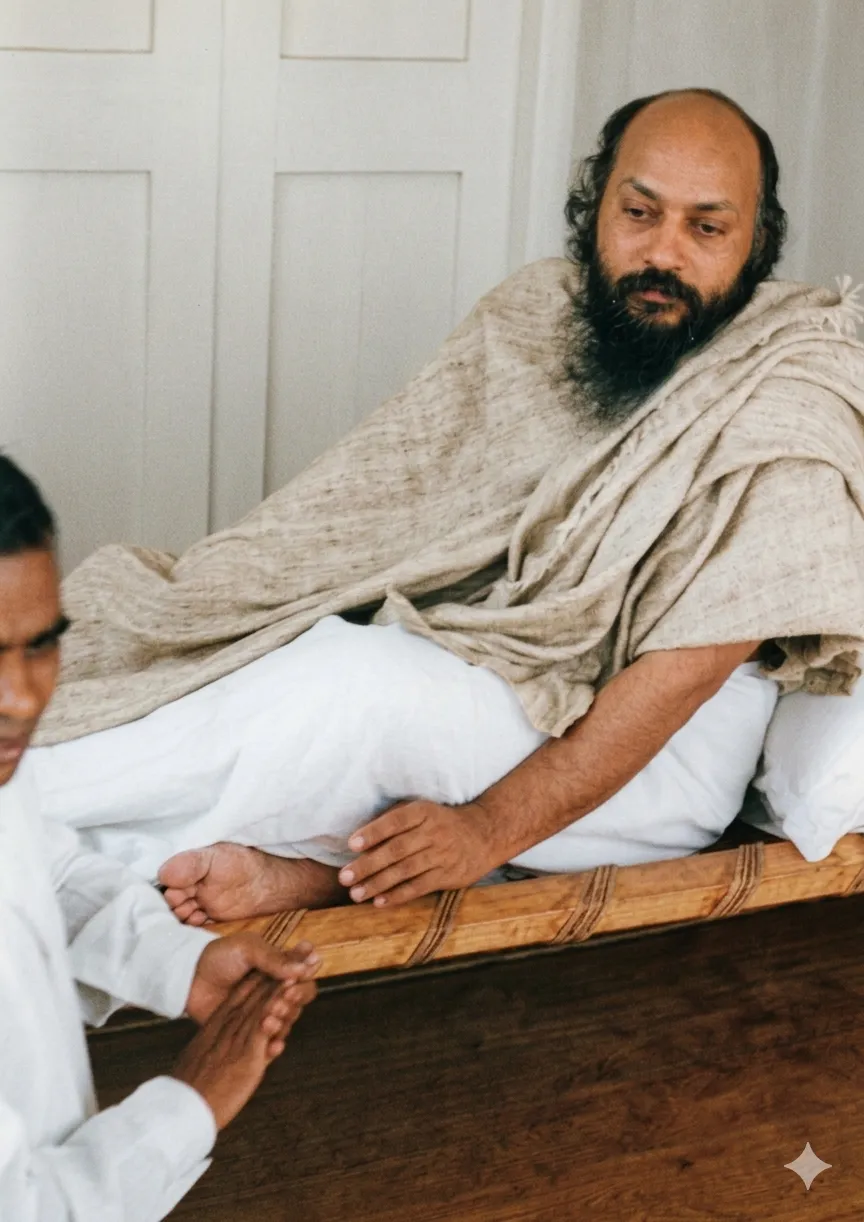
Osho's perspective on Psychology
When Osho Spoke About Psychology
Passages from the discourses where this theme comes alive.
Osho, is psychology not sufficient for the transformation of man? After the birth of psychology, what need remains for religion?
Naresh! Psychology is not even interested in transformation. Psychology is interested in adjustment. It wants you to be adjusted to the crowd—so that you don’t slip out of it, don’t fall apart, don’t become isolated, but remain a part of the herd. Its entire strategy ensures you never become an individual, only an organ of society. The moment someone starts drifting from the social stream, shows signs of privacy, of individuality, we rush him to a psychologist: “Adjust him. Bring him back. He’s beginning to stray; he’s started to make his own footpath—put him back on the highway!” Psychology is not at all interested in transformation. Transformation means revolution. And the first revolution is freedom from society—becoming an individual. The first revolution is to be centered in the self. The first revolution is to drop the herd mentality. Ordinarily man is like sheep: wherever the flock goes, he goes. Ask…
तीसरा प्रश्न: ओशो, मनुष्य के रूपांतरण के लिए क्या मनोविज्ञान पर्याप्त नहीं है? मनोविज्ञान के जन्म के पश्चात धर्म की क्या आवश्यकता है?
नरेश! मनोविज्ञान रूपांतरण में उत्सुक ही नहीं है। मनोविज्ञान तो समायोजन में उत्सुक है, एडजस्टमेंट में। मनोविज्ञान तो चाहता है कि तुम भीड़ के साथ समायोजित रहो, तुम भीड़ से छूट न जाओ, टूट न जाओ, अलग-थलग न हो जाओ, तुम भीड़ के हिस्से रहो। मनोविज्ञान का तो पूरा उपाय यही है कि तुम व्यक्ति न बन पाओ, समाज के अंग रहो। तो जैसे ही कोई व्यक्ति समाज से छिटकने लगता है, हटने लगता है, कुछ निजता प्रकट करने लगता है, वैसे ही हम मनोवैज्ञानिक के पास भागते हैं कि इसको समायोजन दो, इसको वापस लाओ, यह कुछ दूर जाने लगा; इसने कुछ पगडंडी बनानी शुरू कर दी, राजपथ पर लाओ! मनोविज्ञान रूपांतरण में उत्सुक ही नहीं है। रूपांतरण का अर्थ होता है: क्रांति। और पहली क्रांति तो है समाज से मुक्त हो जाना, व्यक्ति हो जाना। पहली तो क्रांति है: आत्मवान होना। पहली तो क्रांति है कि भेड़चाल छोड़ देना। साधारणतः आदमी भेड़ों की तरह है। जहां सारी भेड़ें जा रही हैं, वह भी जा रहा है। उससे पूछो, तुम क्यों जा रहे हो? वह कहता, औरों से पूछो। …
Osho, the psychologist Sigmund Freud spoke of the death-drive, Thanatos. Yesterday you spoke of jiveshana, Eros. Do you call Freud’s notion a spiritual aberration of the modern age? Kindly explain.
The third discovery is India’s. It is this: we are neither life nor death; these two are our legs. Duality appears such only when we fail to see the third. If the third becomes visible… synthesis. Understand it so: the notion of Eros, the life-drive, is the thesis. Then Thanatos, the death-drive, is the antithesis. If only the two remain, there will only be conflict; resolution becomes difficult. Had Freud lived a little longer—he did not—or in some next birth searched further, the synthesis, the dialogue, might have happened too: the final harmony, when he would have grasped the witness. He was on the right path; the destination was still incomplete, but the way was not wrong. The goal had not yet arrived; the journey was unfinished, but the direction was right. From life he had reached death; now only one move remained: to transcend both life and death. Astavakra…
पहला प्रश्न: ओशो, मनोवैज्ञानिक सिग्मंड फ्रायड ने मृत्यु-एषणा, थानाटोस की चर्चा की। आपने कल जीवेषणा, ईरोस की चर्चा की। फ्रायड की धारणा को क्या आप आधुनिक युग की आध्यात्मिक विकृति कहते हैं? कृपा करके हमें समझाएं।
तीसरी खोज भारत की है। वह भारत की खोज यह है कि न तो हम जीवन हैं और न हम मृत्यु हैं; ये दोनों हमारे पैर हैं। द्वंद्व इसलिए मालूम होता है, अगर हम तीसरे को न देख पाएं। अगर तीसरा दिखाई पड़ जाए...सिंथीसिस। ऐसा समझो, ईरोस की धारणा, जीवेषणा की धारणा है: थीसिस, एक वाद, एक सिद्धांत। फिर थानाटोस, मृत्यु-एषणा की धारणा है: प्रतिवाद, एंटी-थीसिस। अगर दो ही रहें तो विवाद ही होगा; हल होना मुश्किल हो जाएगा। फ्रायड अगर थोड़े दिन और जीता--नहीं जीया, किसी अगले जन्म में, कहीं और खोजबीन करते--सिंथीसिस, संवाद भी घटित होगा; वह समन्वय की अंतिम दशा भी घटित होगी, जब वह साक्षी को भी पकड़ लेगा। वह ठीक रास्ते पर था; मंजिल अभी अधूरी थी, मगर रास्ता गलत न था। अभी मंजिल आई न थी, यात्रा अधूरी थी; लेकिन मार्ग ठीक था, दिशा ठीक थी। जीवन से मृत्यु पर पहुंचा था; अब एक ही उपाय बचा था कि जीवन और मृत्यु दोनों का अतिक्रमण कर जाता।
Question: BELOVED MASTER, WHAT ARE THE ABC'S OF PSYCHOLOGY? The A of psychology: neurotics build air castles. The B of psychology: psychotics live in them. The C of psychology: psychiatrists collect the rent. The last question:
Can't psychoanalysis help people to know themselves? Is religion really necessary?
Sugeet, psychoanalysis can help a little bit, it can prepare the ground, but it cannot be a substitute for religion. In the West it is becoming a substitute for religion, and that is going to destroy something immensely beautiful. Religion is a totally different phenomenon from psychoanalysis. Religion is not analysis at all, religion is meditation. It is not thinking, it is not analysis. Psychoanalysis is concerned with the mind and helping the mind to become adjusted to society, to whatsoever is thought to be normal. It may be, it may not be. Usually the average is thought to be the normal, but the average is not necessarily the normal. The word normal comes from 'norm'; norm means the law. Normal is one who lives according to the law, the ultimate law, the ultimate norm. A Buddha is normal, a Jesus is normal, a Zarathustra is normal, a Bodhidharma is…
Is psychology sufficient for the transformation of man, and what need remains for religion?
definitionWhat are the ABC's of psychology?
definitionWhat is the significance of Jung's idea that men need two types of women in male psychology?
definitionWhat is the uniqueness of the third psychology and is there a psychotherapy of transcendence?
definitionWhat is the usefulness of psychology?
definitionProfound Quotes on Psychology
Explore our structured collection of meaning-mapped quotes regarding Psychology.