
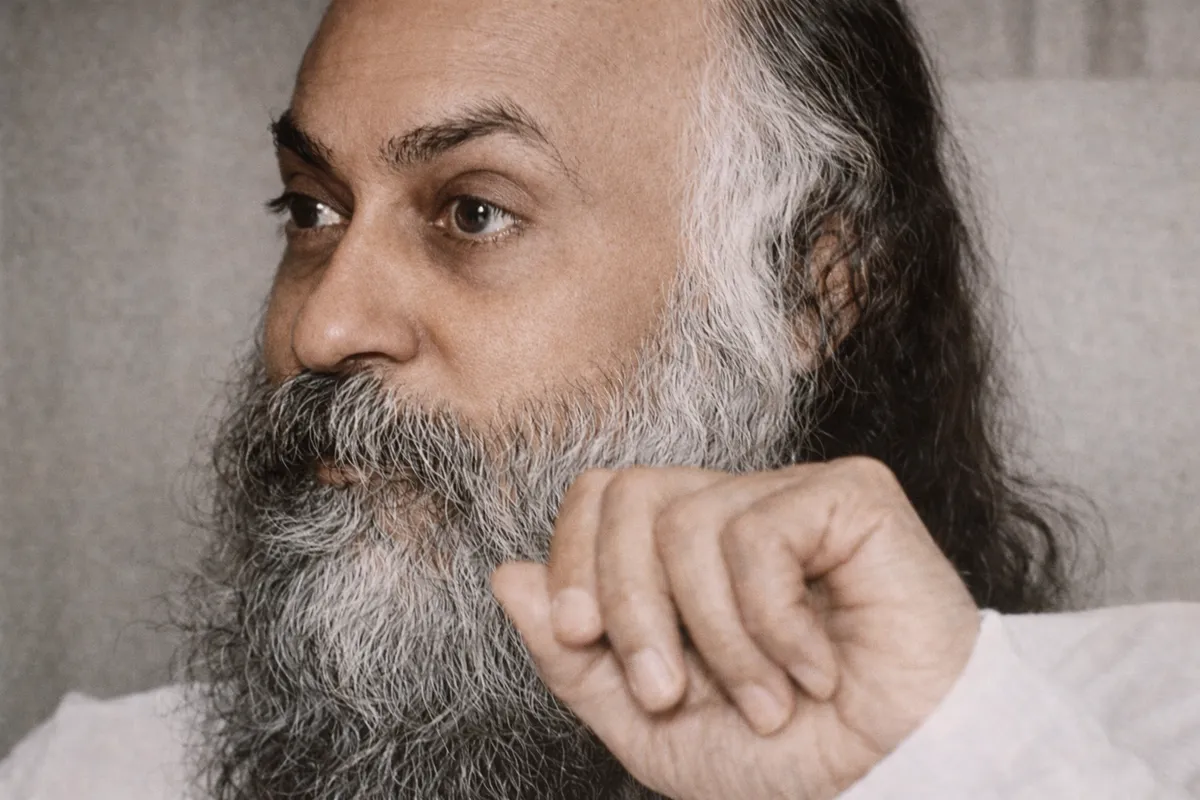
Osho's perspective on Respect
When Osho Spoke About Respect
Passages from the discourses where this theme comes alive.
It has been said that a disciple should have respectful manners and a respectful attitude towards his master, but often I feel like asking you playful, joking and naughty questions. Does this indicate lack of respect and 'shraddha', trust?
It does not depend on the question, it depends on the questioner. The question is irrelevant. You can ask a playful, joking, naughty question with deep respect. There is no problem about it. In fact without deep respect how can you ask such a question? If you love the master and you love him so deeply, you respect him and you respect him so deeply, then you are free to ask anything. It depends on the questioner, not on the question. If the questioner is in a deep love and trust with the master, then everything is allowed. He can ask any sort of question. But if the trust doesn't exist in the questioner you can ask a very serious and respectful question but it is just formal respect -- deep down there is no respect. Try to understand the quality of the questioning heart. If there is trust, then…
Osho, what is the relationship between meditation and patience?
If you sit to meditate to remove mental restlessness, you will keep looking back again and again: “Has it gone yet?” And the irony is that when you begin to meditate, restlessness will increase. Because what has been repressed will start surfacing; catharsis will begin. The rubbish you have kept hidden within and never allowed to express—meditation will break open those doors too. It will clean the house. Dust piled up for years, for births, will rise again; there will be gusts and storms. For a while even the little peace you had will be lost. Then you will panic: “I came for peace, and even what I had is gone.” Without patience, you could even become unhinged, because meditation brings such a great storm. The disease is not from a day or two; it’s from lifetimes. Meditation will break through all the layers to reach your innermost core. In…
दूसरा प्रश्न: ओशो, ध्यान और धैर्य में क्या संबंध है?
अगर मन की अशांति को मिटाने के लिए तुम ध्यान करने बैठे हो, तो तुम बार-बार लौटकर देखोगे, अब तक मिटी नहीं! और मजा तो यह है कि जब ध्यान शुरू करोगे, तो अशांति बढ़ेगी। क्योंकि जो दबी पड़ी है, वह भी प्रकट होगी। जो सदा-सदा से दबाई है, उसका भी रेचन शुरू होगा, कैथार्सिस होगी। जो कूड़ा-करकट भीतर छिपाकर बैठे रहे हो, प्रकट नहीं किया है, ध्यान उन द्वारों को भी तोड़ेगा। घर की सफाई करेगा। वर्षों की जमी धूल, जन्मों की जमी धूल उठेगी फिर से, अंधड़-तूफान होंगे। कुछ देर तो थोड़ी-बहुत जो शांति तुम्हारे पास थी, वह भी खो जाएगी। …
Another friend has asked something related. He says, Osho, when you get up—someone folds their hands to you, someone touches your feet—I feel very puzzled. He has written that he feels very surprised. Why should anyone touch someone’s feet? Why should anyone fold their hands to someone?
And then it is worth asking: someone else is bowing, and some third person is getting upset! If they were bowing and they themselves were troubled, it would be understandable. But one person bows at someone’s feet and another person gets disturbed. What a strange disturbance! Why are you disturbed? Why should I be disturbed? Two people are loving—and I become disturbed! I grow restless: why are two people loving? What does my restlessness reveal? One person is giving another respect, reverence, thanks—and I get upset. Why am I disturbed? There can be two or three reasons. One: seeing others bow, my inner ego, which never knows how to bow, gets badly hurt. If no one bows, it relaxes. If someone bows, it feels wounded. Like this: three men are walking and a beggar stands before them. One of the three takes out money and gives it, and the other…
इसी से संबंधित एक बात और दूसरे मित्र ने पूछी है। उन्होंने पूछा है कि ओशो, आप उठते हैं--कोई हाथ जोड़ता है आपको, कोई आपके पैर छूता है, तो मुझे बहुत हैरानी होती है। उन्होंने लिखा है कि उन्हें बहुत हैरानी होती है। क्यों कोई पैर छुए किसी के? क्यों कोई किसी को हाथ जोड़े?
और फिर पूछने जैसा है, विचारने जैसा है कि कोई दूसरा आदमी झुक रहा है और किसी दूसरे आदमी को परेशानी हो रही है! अगर वे खुद झुक रहे होते और उन्हें परेशानी होती तो समझने की बात थी। एक दूसरा आदमी किसी के पैर में झुक रहा है और वे परेशान हो रहे हैं। अजीब परेशानी है! आप क्यों परेशान हो रहे हैं? मैं क्यों परेशान हो रहा हूं? दो आदमी प्रेम कर रहे हैं। मैं परेशान हो रहा हूं! मैं बेचैन हुआ जा रहा हूं कि दो आदमी प्रेम क्यों कर रहे हैं! यह मेरी बेचैनी क्या बताती है? एक आदमी किसी को आदर और श्रद्धा दे रहा है, धन्यवाद दे रहा है। मैं परेशान हुआ जा रहा हूं। क्यों मैं परेशान हो रहा हूं?
Osho, please explain the occult and spiritual meaning and significance, in the context of kundalini energy, of these practices: full prostration, placing one’s forehead at the feet of the divine or touching the feet with the hands, bowing one’s head in sacred places, the divine touching a seeker’s head or back in blessing, and the Sikh and Muslim custom of covering the head when entering a gurdwara or a mosque.
A promise kept after a buddha’s death In Tibet—though that place has since fallen into difficulty—there was a spot where Buddha’s promise has been fulfilled continuously for twenty-five hundred years. There is a small council of five hundred lamas. When one lama dies, only with great difficulty does another gain entry; their number cannot exceed five hundred, nor be less. Only when one dies does a place become vacant. And when one dies and another is to be admitted, it must be with the unanimous consent of all the rest—even a single dissent prevents admission. This council gathers on Buddha Purnima on a particular mountain. At the appointed time—which is part of the pact—Buddha’s voice begins to be heard. But this will not happen on just any mountain, nor before just anyone; it happens in exact accord with the agreement. It is like this: you go to sleep in the…
प्रश्न: ओशो, साष्टांग दंडवत प्रणाम करना, दिव्य पुरुषों के चरणों पर माथा रखना या हाथों से चरण-स्पर्श करना, पवित्र स्थानों में माथा टेकना, दिव्य पुरुषों का अपने हाथ से साधक के सिर अथवा पीठ को छूकर आशीर्वाद देना, सिक्खों व मुसलमानों का सिर ढांककर गुरुद्वारे व मस्जिद जाना, इन सब प्रथाओं का कुंडलिनी ऊर्जा के संदर्भ में आकल्ट व स्प्रिचुअल अर्थ व महत्व समझाने की कृपा करें।
बुद्ध-पुरुषों का मरने के बाद वायदों को पूरा करना तिब्बत में एक.अब तो जगह मुश्किल में पड़ गई, लेकिन तिब्बत में एक जगह थी जहां बुद्ध का आश्वासन पिछले पच्चीस सौ वर्ष से निरंतर पूरा हो रहा है। पांच सौ आदमियों की, पांच सौ लामाओं की एक छोटी समिति है। उन पांच सौ लामाओं में से जब एक लामा मरता है तब बामुश्किल से दूसरे को प्रवेश मिलता है। उसकी पांच सौ से ज्यादा संख्या नहीं हो सकती, कम नहीं हो सकती। जब एक मरेगा तभी एक जगह खाली होगी। और जब एक मरेगा और एक को प्रवेश मिलेगा, तो शेष सबकी सर्वसम्मति से ही प्रवेश मिल सकता है। यानी एक आदमी भी इनकार करनेवाला हो तो प्रवेश नहीं मिल सकेगा। वह जो पांच सौ लोगों की समिति है, वह बुद्ध-पूर्णिमा के दिन एक विशेष पर्वत पर इकट्ठी होती है। और ठीक समय पर, निश्चित समय पर--जो समझौते का हिस्सा है--निश्चित समय पर बुद्ध की वाणी सुनाई पड़नी शुरू हो जाती है।
Does asking playful or joking questions indicate a lack of respect and trust towards a master?
outcomeWhat is respect to a master?
definitionProfound Quotes on Respect
Explore our structured collection of meaning-mapped quotes regarding Respect.