
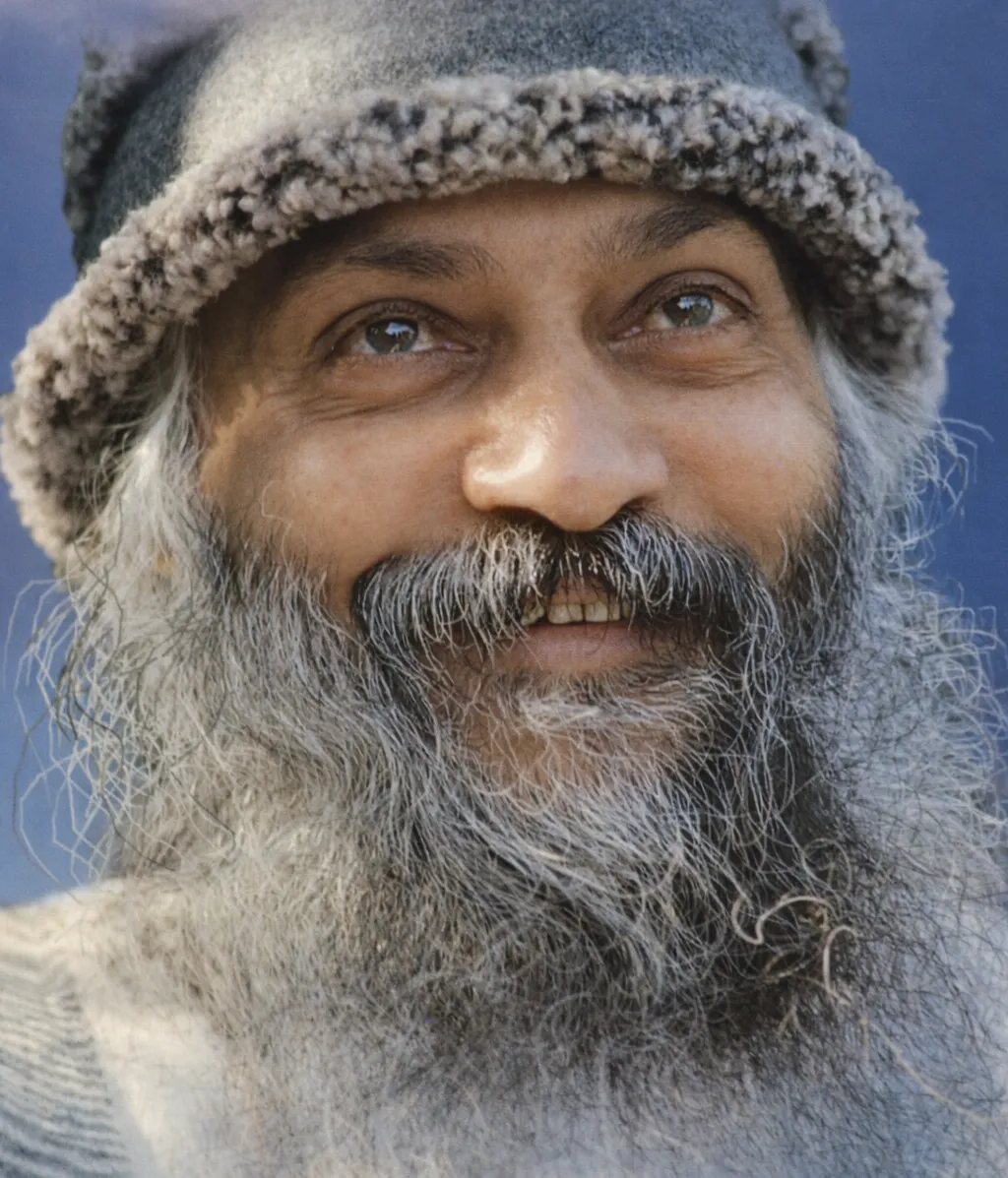
Osho's perspective on Experience
When Osho Spoke About Experience
Passages from the discourses where this theme comes alive.
Osho, what is the difference between surrender and blind imitation?
So be careful: the freedom you allow yourself, allow the other too. You have no right to judge another as blindly credulous or as a surrendered being. Drop that concern. You cannot judge anyway—how will you enter another’s heart? How will you know? Think only about yourself. See within whether, up to now, you have lived by blind belief or by surrender. Decide only there; leave worrying about others. Otherwise, all your judgments will be wrong. Jesus said: Judge not; do not set yourself up as a judge in relation to another. To the friend who has asked: if you are asking for yourself, good. Drop worrying about others. Look within and see: whatever I have been clinging to till now—have I ever staked my life to hold it? Have I meditated for it? Have I loved for it? Or am I just clutching what culture, society, civilization handed me?…
चौथा प्रश्न: ओशो, समर्पण और अंधानुकरण में क्या अंतर है?
इसलिए खयाल रखना, जो तुम अपने लिए मौका देते हो, वह दूसरे को भी देना। तुम्हें कोई हक नहीं है किसी दूसरे के बाबत निर्णय करने का कि वह अंधविश्वासी है, या समर्पित हुआ व्यक्तित्व है। तुम इसकी चिंता छोड़ो। तुम कर भी नहीं सकते निर्णय। तुम दूसरे के हृदय में उतरोगे कैसे? जानोगे कैसे? तुम तो अपनी ही सोच लो। इतना ही देखो अपने भीतर कि अब तक तुम अंधविश्वास से जी रहे हो, या समर्पण से जी रहे हो। बस, वहीं निर्णय कर लो, दूसरों की फिकिर छोड़ दो। अन्यथा तुम्हारे सभी निर्णय गलत होंगे। जीसस ने कहा है, निर्णय करो ही मत; दूसरे के संबंध में न्यायाधीश बनो ही मत। तो जिन मित्र ने पूछा है, अगर अपने लिए पूछते हों, तो ठीक। दूसरों की चिंता छोड़ दें। अपने भीतर ही देख लेना है कि अब तक जो मैं पकड़े हुए हूं, उसको पकड़ने के लिए मैंने कोई जीवन दांव पर लगाया है? कोई ध्यान किया है? कोई प्रेम किया है? या सिर्फ संस्कृति ने, समाज ने, सभ्यता ने जो दिया है, उसे पकड़े हुए हूं! दूसरों ने दिया है। …
Is the memory of an experience an experience?
Yes, the memory of an experience is an experience. It has now become a past memory. And once it becomes memory, you are immediately separate. So you are always separate from the experience. For example, today you say, “I was once a child”; you are now completely separate from that experience of childhood. How can you be one with it? That has become memory. Now you are entirely different. But when you were a child, you simply were; and when there was the experience of childhood, you were not separate.
प्रश्न: अनुभूति की याद अनुभव है?
हां, अनुभूति की याद अनुभव है। वह अब पास्ट मेमोरी हो गई। और जब मेमोरी हो गई, तब तुम अलग हो गए फौरन। तो अनुभव से तुम सदा अलग हो। जैसे, आज तुम कहते हो कि मैं कभी बच्चा था; इस बचपन के अनुभव से तुम अब बिलकुल अलग हो। इससे तुम कैसे एक हो सकते हो। वह तो स्मृति हो गया। अब तुम बिलकुल अलग हो। लेकिन जब तुम बच्चे थे, थे ही, और जब तुम बचपन की एक अनुभूति थी, तब तू अलग नहीं थी।
Osho, you always emphasize experience. I have done everything—worship and rituals, yoga and meditation, vows and fasting! And for some years I even lived like an old-style sadhu. Yet nothing came of all that. What should I do now?
You have done nothing. Do you even know what fasting is? Fasting—upavas—means to dwell near, to sit close to the Divine. It does not mean starving. Yes, it often happens that sitting close to Him you forget food; you forget to eat. In real fasting, food is not in the focus—God is; and God is so much in focus that you forget the body. Then food does not come to mind: that is fasting. When you fast, the exact opposite happens. What you do should not be called upavas; that is why we have another word—anashan, a hunger strike. You go on a hunger strike: “Today I will not eat.” But have you seen what a man does when he decides to fast? “Tomorrow I mustn’t eat”—so tonight he stuffs himself. He makes up for tomorrow today. Is that fasting? And what will you do tomorrow all day? You will…
पहला प्रश्न: ओशो, आप सदा अनुभव पर जोर देते हैं। मैं सब कर चुका हूं--पूजा-पाठ, योग-ध्यान, व्रत-उपवास! और कुछ वर्षों तक पुराने ढब का साधु भी रह चुका हूं। मगर इस सब अनुभव से कुछ मिला नहीं। अब मैं क्या करूं?
तुमने कुछ नहीं किया। उपवास का अर्थ समझते हो? उपवास का अर्थ होता है: परमात्मा के पास होना। उप वास। उसके पास बैठना। भूखे मरने से मतलब नहीं होता। हां, ऐसा अक्सर हो जाता है कि उसके पास बैठे-बैठे भोजन की याद नहीं आती, भोजन भूल जाता है। असली उपवास में भोजन नहीं होता ध्यान में, परमात्मा ध्यान में होता है; लेकिन परमात्मा इतना ध्यान में होता है कि देह की सुध-बुध भूल जाती है, उस दिन भोजन की याद नहीं आती, यह उपवास। तुम जब उपवास करते हो तो ठीक उलटा ही होता है। तुम्हारे उपवास को उपवास नहीं कहना चाहिए। इसीलिए तो हमारे पास दूसरा शब्द है--अनशन। अनशन करते हो तुम, आज भोजन नहीं लेंगे। मगर देखा है, जब आदमी उपवास का तय करता है, अनशन करने चलता है तो क्या करता है?--कल भोजन नहीं लेना है, आज रात डट कर ले लेता है। कल तक की कमी आज पूरी कर लेता है। यह कोई उपवास है? और कल तुम दिन भर क्या करोगे? तुम सिर्फ भोजन की ही याद क रोगे, और क्या करोगे? भूखा आदमी और करेगा क्या? भूखे होने से तुम परमात्मा के पास कैसे बैठ सकोगे? …
Question: Fourth question: Osho, for an hour to an hour and a half after the daily discourse, a kind of intoxication descends. In that time, far from talking, I don’t even feel like looking at anyone. A strange smile spreads on my face. Sometimes tears come, and then I want to be alone. If anyone disturbs me at that time, I feel irritable. Please say something. It’s going well. This is exactly how it should be. This is no temple; this is a tavern. If the intoxication doesn’t come here, then nothing has happened. If you don’t get blissfully drunk here, you’ve missed. There is no preaching on scriptures going on here; here wine is being poured. Here it’s the work of drunkards. The weak have no passage here. Here, drink me. And drown here so deeply that you lose all your senses.
यहां तुम मुझे पीयो। और यहां तुम इस तरह डूबो कि तुम्हारे सब होश खो जाएं। बेहोश हो गए तो भक्त हो गए। और अंगूरों की शराब तो पीयो तो एक दिन उतर जाती है। आज पीयो, सुबह उतर जाएगी, कल उतर जाएगी, सांझ उतर जाएगी। यह असली शराब है, चढ़ी तो फिर उतरती नहीं। धीरे-धीरे इसमें डुबकी लो।
Are authentic experiences always the same?
definitionShould I live by anyone's experience?
definitionShould a child have his own experience?
definitionWhat happens when a wayward son continues to prefer the same path despite experiencing consequences?
outcomeProfound Quotes on Experience
Explore our structured collection of meaning-mapped quotes regarding Experience.