
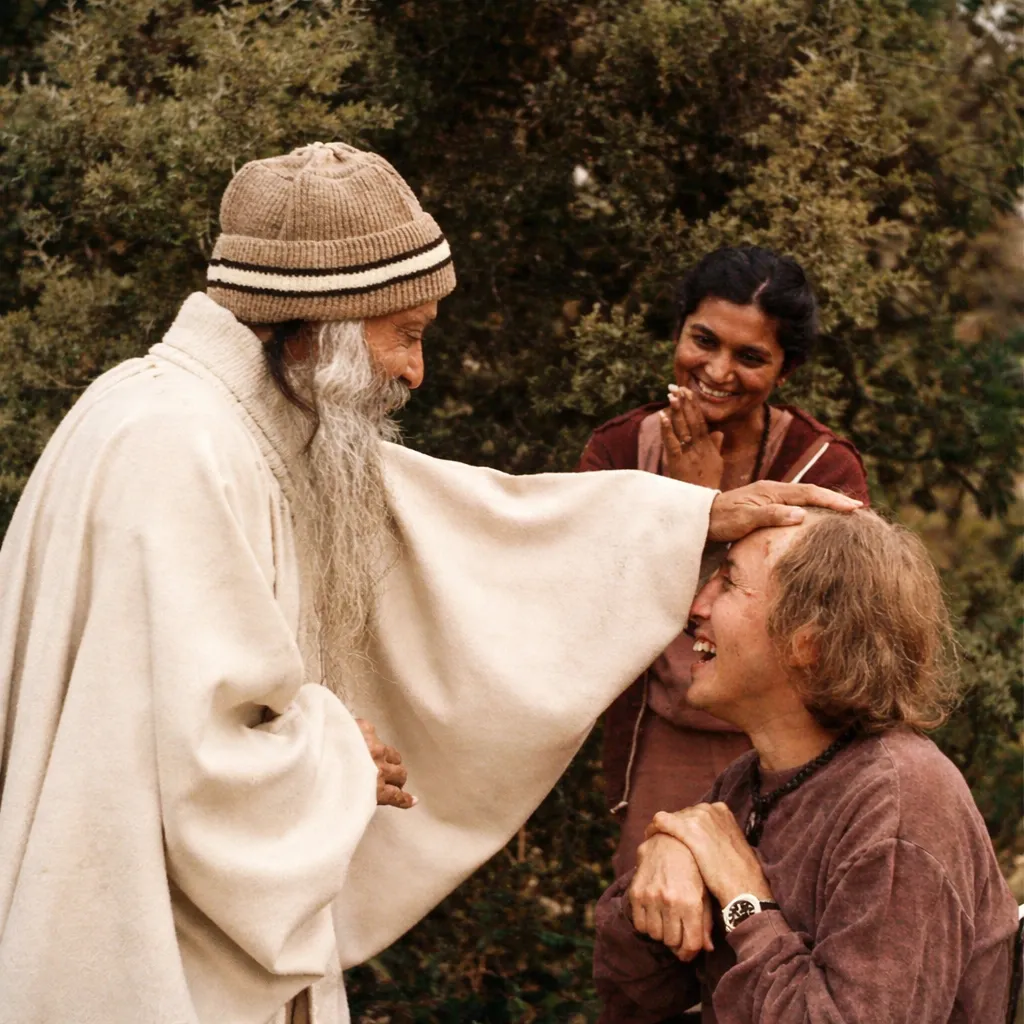
Osho's perspective on Nirvana
When Osho Spoke About Nirvana
Passages from the discourses where this theme comes alive.
Osho, why are the enlightened ones not able to bestow nirvana upon everyone?
Nirvana is not a matter of give-and-take! It is not an object that can be picked up and handed over. It cannot happen by someone giving it to you; nirvana is your own blossoming. When the lotus of your being opens, it happens. If you want it, and you want it from your innermost core, with urgency, with intensity, then it happens. You will weep much, you will scream and cry—then it happens. This is not a gift that someone can simply give. And if someone did gift it, you would not even understand its value. Value is understood only when we attain through our own effort. It is a long journey, a climb up a mountain. No, the Buddha cannot give it to you. Not because the Buddha is miserly—even if he wished to give, he could not. It is not in the nature of nirvana to be given.…
पांचवां प्रश्न: ओशो, बुद्धपुरुष प्रत्येक को ही निर्वाण देने में समर्थ क्यों नहीं होते?
निर्वाण कोई लेने-देने की बात है! यह कोई वस्तु तो नहीं है कि उठायी और दे दी। यह किसी के दिए थोड़े ही होगा; निर्वाण तो तुम्हारा ही प्रस्फुटन है। तुम्हारा ही कमल खिलेगा तब होगा। तुम चाहोगे और अंतरतम से चाहोगे, त्वरा से चाहोगे, घनीभूत रूप से चाहोगे, तब होगा। बहुत रोओगे, बहुत चीखोगे-चिल्लाओगे, तब होगा। कोई दे दे, यह भेंट नहीं है। और भेंट अगर कोई दे दे तो तुम उसका मूल्य भी न समझ पाओगे। मूल्य तो तभी समझ में आता है, जब हम श्रम से उपलब्ध करते हैं। लंबी यात्रा है, पहाड़ की चढ़ाई है। नहीं, बुद्ध इसे तुम्हें दे नहीं सकते। इसलिए नहीं कि बुद्ध कृपण हैं, बुद्ध देना भी चाहें तो नहीं दे सकते। …
Osho, even after the attainment of the Great Nirvana, in what way do the enlightened and the masters, merged in the Whole, help us? Please make it clearer.
It is not right to say “they help.” Help happens. The doer does not remain. It is not right to say the river quenches your thirst; the river simply flows. If you cup your hands and drink, the thirst is quenched. If the river itself quenched thirst, you would not need to drink; the river would make the effort. But the river moves on, inactive. The river goes on being itself; you can stand on the bank for lifetimes and still remain thirsty. Bend down, fill your cupped hands, drink, and the thirst will be gone. The enlightened do not help you either before merging into the Whole or after merging into the Whole. Because only when the sense of “doership” disappears does knowledge arise. As long as the sense of doership is there, one is not enlightened but ignorant. I am not helping you, nor serving you. I cannot…
दूसरा प्रश्न: ओशो, महानिर्वाण को उपलब्ध हो जाने के बाद भी, ज्ञानी और गुरुजन समष्टि में मिल कर किस प्रकार हमारी सहायता करते हैं? इसे अधिक स्पष्ट करें।
सहायता करते हैं, ऐसा कहना ठीक नहीं। सहायता होती है। करने वाला तो बचता नहीं। नदी तुम्हारी प्यास बुझाती है, ऐसा कहना ठीक नहीं, नदी तो बहती है। तुम अगर पी लो जल, प्यास बुझ जाती है। अगर नदी का होना प्यास बुझाता होता, तब तो तुम्हें पीने की भी जरूरत न थी, नदी ही चेष्टा करती। नदी तो निष्क्रिय बही चली जाती है। नदी तो अपने तईं हुई चली जाती है; तुम किनारे खड़े रहो जन्मों-जन्मों तक, तो भी प्यास न बुझेगी। झुको, भरो अंजुली में, पीओ, प्यास बुझ जाएगी। ज्ञानीजन समष्टि में लीन हो जाने के बाद ही या समष्टि में लीन होने के पहले तुम्हारी सहायता नहीं करते। क्योंकि कर्ता का भाव ही जब खो जाता है तभी तो ज्ञान का जन्म होता है। जब तक कर्ता का भाव है, तब तक तो कोई ज्ञानी नहीं, अज्ञानी है।
What is nirvana?
This story is about NIRVANA... this ancient Buddhist story. An exceptionally beautiful young woman, Enyadatta, enjoyed nothing quite as much as gazing at herself in the mirror. She was a little crazy, as all human beings are. When she looked into her mirror one morning, the figure in the glass had no head. Enyadatta became hysterical and rushed around yelling 'My head is gone, where is my head? Who has my head? I shall die if I don't find it!' Even though everyone assured Enyadatta that her head was on her shoulders, she refused to believe them. Every time she looked in the mirror, her head wasn't there, so she continued her frenzied search, shouting and crying for help. Fearing for her sanity, Enyadatta's friends and relatives dragged her home and tied her to a pillar so she wouldn't hurt herself. Enyadatta's friends continued to reassure that her head was…
Osho, Buddha has said that those steadfast ones who practice meditation continuously attain the unsurpassable ease and security called nirvana. Are there kinds of nirvana?
It is said of the Zen master Rinzai that he had eighteen hundred satori experiences before samadhi. Eighteen hundred is only symbolic; they could be eighteen thousand. However many glimpses there may be, a glimpse is only a message: “I am coming closer, closer”—but I have not yet arrived. The goal begins to be seen, and then it is lost again, because the moods of the mind keep changing. On some days meditation settles easily—the mind is buoyant, quiet, blissful. On other days it does not settle—there is a miss, and a great distance arises. So there is often a coming near and a moving far. But once the glimpses begin—once the taste comes—you cannot be led astray. One thing is now certain: what you are seeking is. It is not imagination. Whatever the births it may take, it is. Faith arises. And as soon as faith arises, satori slowly…
पांचवां प्रश्न: ओशो, बुद्ध ने कहा है, ध्यान का सतत अभ्यास करने वाले धीर पुरुष अनुत्तर योगक्षेम रूप निर्वाण को प्राप्त होते हैं। क्या निर्वाण के भी प्रकार हैं?
झेन फकीर रिंझाई के संबंध में कहा जाता है कि उसे अट्ठारह सौ सतोरी अनुभव हुईं समाधि के पहले। अट्ठारह सौ भी सिर्फ प्रतीक हैं, अट्ठारह हजार भी हो सकती हैं। तो कितनी ही बार झलक हो सकती है। लेकिन झलक सिर्फ खबर है इस बात की कि मैं करीब आ रहा हूं, करीब आ रहा हूं; लेकिन अभी आ नहीं गया हूं। मंजिल दिखायी पड़ने लगी है। फिर कई बार खो भी जाती है मंजिल, क्योंकि मन के भावावेग बदलते रहते हैं। कभी ध्यान सध जाता है किसी दिन, मन प्रफुल्ल होता है, शांत होता है, आनंदित होता है। सध जाता है किसी दिन। किसी दिन नहीं सधता, चूक जाता है, बड़ी दूरी हो जाती है। ऐसा कई बार पास आना और कई बार दूर होना हो जाता है। लेकिन, जिसको झलकें मिलने लगीं, जरा-जरा स्वाद आने लगा, वह अब भटक नहीं सकता। अब एक बात तो पक्की हो गयी कि जिसकी तलाश है, वह है; जिसको खोजते थे, वह कल्पना नहीं है; जिसकी तरफ चले थे, वह चाहे मिले न जन्मों-जन्मों तक भी अब, लेकिन है। श्रद्धा का आविर्भाव होता है। …
Are there different kinds of nirvana?
definitionCan a judge ever enter Nirvana?
outcomeHow is death related to nirvana?
definitionWhat is nirvana?
definitionWhat is the essence of nirvana?
definitionWhat is the realm of Nirvana?
definitionWhat is the relationship between Mahaparinirvana and the concept of Maitreya in Buddhism?
definitionWhat is the status of death in nirvana?
definitionWho does not attain nirvana and find peace despite differing views of great seers and yogis?
definitionProfound Quotes on Nirvana
Explore our structured collection of meaning-mapped quotes regarding Nirvana.