
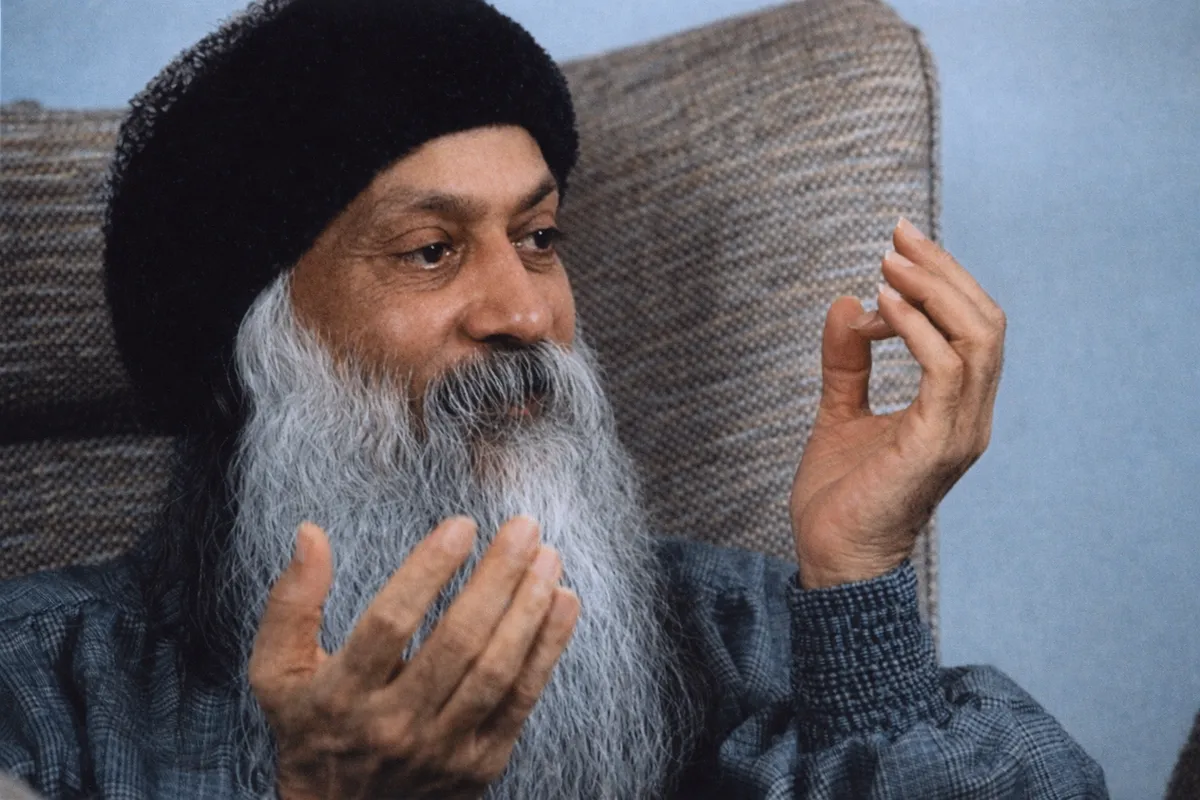
Osho's perspective on Samyak Darshan
When Osho Spoke About Samyak Darshan
Passages from the discourses where this theme comes alive.
Regarding the character of one who has attained samyak darshan (right vision): will that character become society’s, or will society’s character become his?
One who has attained samyak darshan has received a vision—of karuna, compassion, love, mercy. That vision has been received. Now, what is society like? For that vision to manifest, he will look for the instruments through which it can express itself—for example, for Muhammad, compassion meant making provision for four marriages. And the one who makes provision for four marriages—if he cannot himself demonstrate it by taking nine wives, then how will he make provision for four? You understand what I mean, don’t you? For Muhammad, this is what is compassionate. For Mahavira, this is not a matter of compassion. For Mahavira, this is not the question at all. In the era and milieu where he is, that situation does not exist; it has no relevance. For Mahavira it is difficult even to imagine such a thing. For Muhammad, celibacy is very difficult even to imagine—and utterly meaningless. Because if…
प्रश्न: सम्यक दर्शन प्राप्त होने वाले का जो चरित्र होगा वह समाज को प्राप्त होगा या समाज का उसको प्राप्त होगा?
सम्यक दर्शन जिसको प्राप्त हुआ है, उसे एक दृष्टि प्राप्त हुई है करुणा की, कंपैशन की, प्रेम की, दया की। वह दृष्टि प्राप्त हुई है। अब समाज कैसा है? उस दृष्टि को प्रकट होने के लिए जो उपकरण खोजेगा--जैसे मोहम्मद के लिए यही कंपैशन है कि वे चार विवाह का इंतजाम कर दें। और जो चार विवाह का इंतजाम करता हो, अगर वह नौ विवाह खुद करके न बता सके तो चार का इंतजाम करेगा कैसे? आप मेरा मतलब समझ रहे हैं न? मोहम्मद के लिए जो करुणापूर्ण है, वह यही है। महावीर के लिए यह करुणा की बात नहीं है। महावीर के लिए यह सवाल नहीं है। जिस युग में वे हैं, जहां वे हैं, वहां की यह परिस्थिति नहीं है, इससे कोई संबंध नहीं है। यह कल्पना में भी आना मुश्किल है महावीर के। मोहम्मद के लिए ब्रह्मचर्य कल्पना में आना बहुत मुश्किल है और एकदम बेमानी है। …
Question: Osho, about what you have been saying on the Jain perspective, it seems to me that two-thirds of it everyone could agree with, but there is one-third with which agreement is difficult. The first thing you say is about samyak-darshan (right vision). Anyone who has read even a little scripture knows that without right vision, character has no meaning; whatever happens without right vision cannot be called character at all. This view is very clear. And it is also clear that character has no meaning other than self-abidance: to be established in the soul is precisely what character means. On these two points I find myself in agreement with you. But between having right vision and being fully established in the self, in that interval your view seems to me different from the traditional view.
The so-called man of character is like a blind man who, by walking the same path again and again, becomes so habituated that he no longer needs eyes; without tapping the ground with a stick, without seeking anyone’s support, without groping or asking, merely by habit from going and coming on the same path, he begins to walk as one with eyes should walk. Seeing him walk, you may be amazed. You may even suspect that perhaps this man has gotten his eyes back. For he walks exactly as the sighted walk. But there is a deep difference. This walking is merely by habit. Through constant going and coming on the same path, it has become a habit. He knows every stone on the path. Every turn is familiar. He can walk the path, but merely walking does not open the eyes.
तथाकथित चरित्रवान व्यक्ति ऐसा है जैसे कोई अंधा व्यक्ति एक ही रास्ते पर बार-बार आ-जाकर धीरे-धीरे इतना अभ्यस्त हो जाये कि आंख की तो जरूरत ही नहीं होती; लेकिन वह बिना लकड़ी टेके, बिना किसी का सहारा खोजे, बिना टटोले, बिना पूछे, निरंतर उसी रास्ते पर आने-जाने के कारण अभ्यस्त हो जाने की वजह से ऐसा चलने लगता है जैसा आंख वाले को चलना चाहिए। उसे चलते देखकर राह पर शायद तुम भी चमत्कृत हो जाओगे। शायद तुम्हें भी शक होगा कि कहीं आंख इस आदमी को मिल तो नहीं गयी। क्योंकि वह ठीक वैसा ही चल रहा है जैसे आंख वाले चल रहे हैं। लेकिन गहरा फर्क है। यह चलना केवल अभ्यासवश है। यह निरंतर इसी रास्ते पर आने-जाने से आदत हो गयी है। उसे रास्ते का एक-एक पत्थर परिचित है। उसे रास्ते का एक-एक मोड़ परिचित है। वह रास्ते पर चल लेता है, लेकिन चल लेने से कुछ आंख थोड़े ही खुल जाती है। आंख खुलने से चलना हो सकता था; इसने धोखा दे लिया।
A pundit suffers from mental indigestion—he stuffs knowledge, but it lies like stones in the stream—it does not flow with life’s current. Samahita means: even if you forget it, it remains with you; no effort is needed—spontaneous, self-born. “He who is absorbed in these three—and does nothing else.” Nothing else is needed—these three suffice. In them all is done. “And he abandons nothing”—this will trouble Jain monks: neither does he “do,” nor does he “abandon”—for abandoning too is doing; in abandoning, the doer and the ego arise. Neither clinging nor rejecting—he lives in silent witnessing. “He alone, by Nischaya-naya, is the path of liberation.” He is the way to freedom. One stuck in holding and dropping will be stuck—wandering from here to there— Now in the temple, now in the Kaaba— Where all does the longing drag me to that Door?
अन्य कुछ की कोई जरूरत नहीं, ये तीन काफी हैं। इन तीन में सब हो जाता है। और न कुछ छोड़ता है। यह जैन मुनियों को बड़ी तकलीफ होगी सोचकर: न कुछ करता न कुछ छोड़ता; क्योंकि छोड़ना भी कृत्य है। छोड़ने में भी कर्ता आ जाता है और अहंकार आ जाता है। न तो पकड़ता और न छोड़ता, चुपचाप साक्षीभाव से जीता है।
What happens to the character of one who has attained samyak darshan in relation to society?
outcomeProfound Quotes on Samyak Darshan
Explore our structured collection of meaning-mapped quotes regarding Samyak Darshan.