
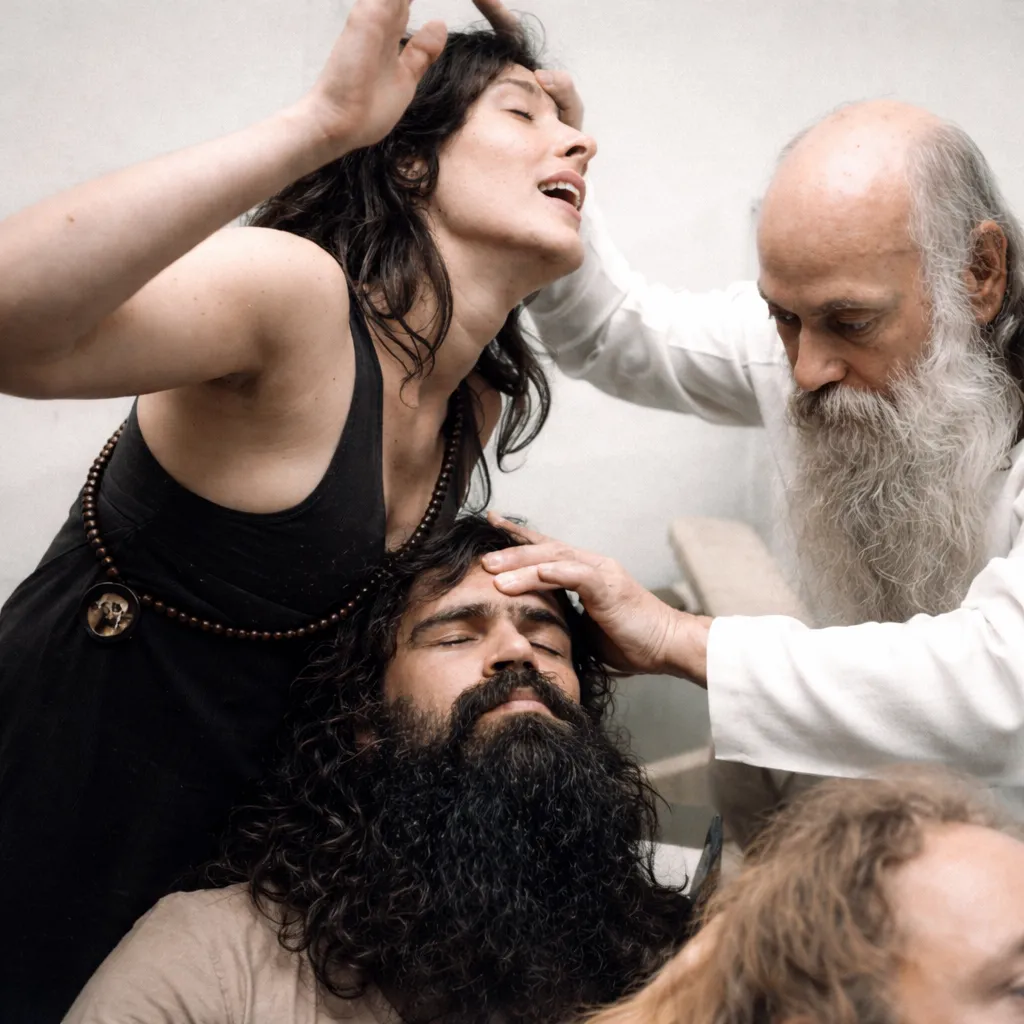
Osho's perspective on Mastery
When Osho Spoke About Mastery
Passages from the discourses where this theme comes alive.
Osho, does the Master ever play hide-and-seek with the disciples? Please tell us.
Hide-and-seek is the entire relationship between Master and disciple. Not that he plays it “sometimes”—that is the relationship. And not only between Master and disciple; it is the very relationship between the Divine and creation. The Master and the disciple play, on a small scale, the vast game the Divine is playing with existence on a grand scale. Here the Divine is hidden everywhere, calling from all directions: “Come, touch me, search for me!” The day you hear that call and begin to seek, you will discover such joy in the seeking that you may even say, “Don’t be in a hurry to reveal yourself.” When you were small you played children’s games—hide-and-seek. In a single room the children hide: one presses under the bed, another slips behind a chair—and everyone knows more or less where everyone is, because all are half-peeking. Still the game goes on. Even the one…
तीसरा प्रश्न: ओशो, गुरु शिष्यों के साथ क्या कभी छिया-छी का खेल भी खेलता है? कृपा करके कहें।
छिया-छी ही तो पूरा का पूरा संबंध है गुरु और शिष्य का। कभी-कभी खेलता है, ऐसा नहीं; बस वही तो संबंध है। और न केवल गुरु और शिष्य के बीच वैसा संबंध है, परमात्मा और सृष्टि के साथ भी वैसा ही संबंध है। गुरु और शिष्य तो उसी विराट खेल को छोटे पैमाने पर खेलते हैं जिसे बड़े पैमाने पर परमात्मा सृष्टि के साथ खेल रहा है। यहां परमात्मा सब जगह छिपा है, पुकार रहा है जगह-जगह से: ‘आओ, मुझे छुओ, खोजो!’ जिस दिन तुम उसकी पुकार सुन लोगे और तुम उसे खोजने लगोगे, उस दिन तुम पाओगे कि खोजने में इतना आनंद है कि तुम शायद कहने लगो कि जल्दी मत करना प्रगट हो जाने की। तुम कभी छोटे थे, जब तुमने खेला बच्चों का खेल छिया-छी का। एक ही कमरे में बच्चे खड़े हो जाते हैं छिप कर, कोई बिस्तर के नीचे दब गया है, कोई कुर्सी के पीछे छिप गया है--और सबको पता है कि कौन कहां है, क्योंकि सभी धीरे-धीरे आंख खोल कर देख रहे हैं कि कौन कहां है, फिर भी खेल चलता है। …
Question: Second question: Osho, does the true master ever test the disciple? ... The master said, “I did. But he had not practiced it. It was spontaneous. He did not know from where it came—call it from the unknown, from the divine, from nature. A wondrous flower bloomed in his being. It was not his; it was of the beyond, born of his own suchness. You have come with practice. This is a paper flower. And remember: if you open one eye of a corpse, the other does not open. If you practice again, remember this too: if you open one eye of a dead man, the other does not open. What kind of deadness is this that when I opened one eye, both of yours opened! With such a death you will not die—and if you do not die, you cannot be new.
गुरु ने कहा, किया था। मगर उसने अभ्यास नहीं किया था उत्तर का। सहजस्फूर्त था। उसे पता ही नहीं कहां से आया था। अज्ञात से उतरा था। कहो कि परमात्मा का था, उसका नहीं था। निसर्ग का था। उसके स्वभाव से जन्मा था। फूल अदभुत था। उसके प्राणों में खिला था। तुम अभ्यास करके आए हो। यह कागजी फूल है। और मुर्दों की अगर एक आंख खोलो तो दूसरी नहीं खुलती। खयाल रखना, दुबारा अगर अभ्यास करो, तो यह भी खयाल रखना कि अगर मुर्दे की आंख खोलो एक, तो दूसरी नहीं खुलती। यह कैसा मुर्दापन कि हमने खोली एक आंख, तुम्हारी दोनों ही खुल गईं! …
Osho, even with a living master present, in our country the dead are worshipped. Is this our misfortune, our foolishness, or our downfall?
Satya Prem! Neither misfortune, nor foolishness, nor downfall. It has always been so. This has been man’s way. It is built into the very mode of human being. It is an inevitable part of man’s unconsciousness. You can worship the dead; with the living you have to be transformed. Worship won’t do. Worship is a trick to avoid, a device, a politics. The most cultured way to avoid someone is to worship him. Offer a couple of flowers at his feet and be free—and remain exactly as you were. And you even take the inner pleasure of feeling you did something. In fact you did nothing. The flowers belonged to the trees; they were already dedicated to the divine. You plucked them and placed them on a stone idol or on a scripture. All flowers are already at the feet of the divine. All the birds’ songs are prayers unto…
पहला प्रश्न: ओशो, जीवंत गुरु सामने होते हुए भी हमारे देश में मुर्दों की पूजा होती है। क्या यह हमारा दुर्भाग्य है या नासमझी या अधोगति?
सत्य प्रेम! न तो दुर्भाग्य, न नासमझी, न अधोगति। ऐसा ही सदा से हुआ है। मनुष्य का यही व्यवहार रहा है। मनुष्य के होने के ढंग में ही यह व्यवहार छिपा है। यह मनुष्य की मूर्च्छा का अनिवार्य हिस्सा है। मुर्दे की ही पूजा हो सकती है, जीवंत के साथ तो रूपांतरित होना पड़ता है। पूजा से काम न चलेगा। पूजा तो तरकीब है बचने की, पूजा तो उपाय है, पूजा तो राजनीति है। जिससे बचना हो, उससे बचने का सबसे सुसंस्कृत उपाय है उसकी पूजा। चढ़ा दिए दो फूल चरणों में और मुक्त हुए। और तुम जैसे थे वैसे के वैसे रहे। और तुमने मन में यह मजा भी ले लिया कि कुछ किया। कुछ किया भी नहीं। फूल वृक्षों के थे। फूल परमात्मा पर चढ़े ही थे। वे तोड़ लिए और पत्थर की एक मूर्ति पर चढ़ा दिए या एक शास्त्र पर चढ़ा दिए।
Osho, the master sees the disciple directly, yet he still deliberately puts him through various tests. Does this make the disciple’s self-realization more intense and purer? Please explain.
You will often find that where such pure Vedanta talk is going on, you will see great sinners sitting there—and cheerful! Only there do they find a little joy; nowhere else can they. Anywhere else they go, someone says, ‘There goes a black-marketeer’; someone says, ‘He is a thief’; someone, ‘He is dishonest, a great sinner.’ Only where pure spirituality is flowing do they get a little peace. There they feel, ‘This is exactly right—sin and all that is false!’ You will see sinners gathered around saints. Their words gratify their ego immensely: ‘At least there is some place where we can sit elated—there is no sin and the like; it is all maya. Nothing was done, nothing can be done. We are not doers, nor enjoyers—we are merely witnesses!’ So the master has to watch that this notion of ‘witness’ does not become suicidal for you. Declarations come too…
दूसरा प्रश्न: ओशो, गुरु शिष्य को सीधे भी देखता है लेकिन फिर भी उसे विभिन्न परीक्षाओं से जान-बूझ कर गुजारता है। क्या इससे शिष्य का आत्मज्ञान तीव्र और शुद्धतर होता है? कृपा करके समझाएं।
तुम अक्सर पाओगे, जहां इस तरह के शुद्ध वेदांत की बातें होती हैं, वहां तुम महापापियों को बैठे देखोगे और प्रसन्न पाओगे! वहीं उनको प्रसन्नता मिलती है, और कहीं तो मिल नहीं सकती। और तो जहां भी वे जाते हैं, कोई कहता है, यह ब्लैकमार्केट करने वाला जा रहा है; कोई कहता, यह चोर है; कोई कहता, यह बेईमान है, यह महापापी है। वह जहां शुद्ध अध्यात्म बह रहा है, वहीं उनको थोड़ी शांति मिलती है। वहां उनको लगता है कि बिलकुल ठीक बात हो रही है। पाप इत्यादि सब झूठे हैं! तुम साधु-संतों के पास पापियों को इकट्ठा देखोगे। …
Are there occasions when it is necessary for disciples to protect their master from himself?
definitionCan a woman become a master?
definitionDoes Manzan achieve mastery?
definitionDoes the true master ever test the disciple?
definitionHow can we search for a true Master?
practiceIs it possible to deceive a master?
definitionProfound Quotes on Mastery
Explore our structured collection of meaning-mapped quotes regarding Mastery.