
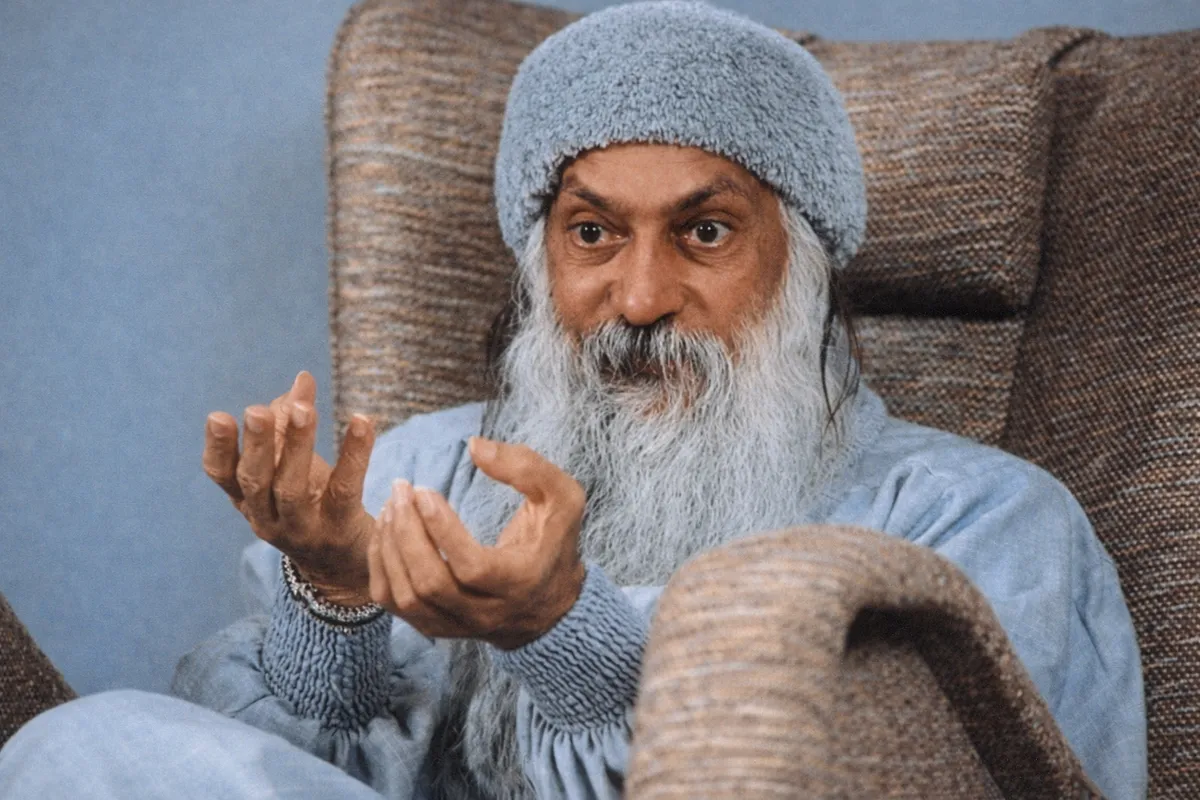
Being with a true master is like a secret, nonstop quiz to see if you’re awake and not inventing meanings—and you usually don’t know you’re being quizzed.
From the Discourses
Passages where Osho speaks to this question — each links to the complete discourse.
Question: Second question: Osho, does the true master ever test the disciple? ... The master said, “I did. But he had not practiced it. It was spontaneous. He did not know from where it came—call it from the unknown, from the divine, from nature. A wondrous flower bloomed in his being. It was not his; it was of the beyond, born of his own suchness. You have come with practice. This is a paper flower. And remember: if you open one eye of a corpse, the other does not open. If you practice again, remember this too: if you open one eye of a dead man, the other does not open. What kind of deadness is this that when I opened one eye, both of yours opened! With such a death you will not die—and if you do not die, you cannot be new.
गुरु ने कहा, किया था। मगर उसने अभ्यास नहीं किया था उत्तर का। सहजस्फूर्त था। उसे पता ही नहीं कहां से आया था। अज्ञात से उतरा था। कहो कि परमात्मा का था, उसका नहीं था। निसर्ग का था। उसके स्वभाव से जन्मा था। फूल अदभुत था। उसके प्राणों में खिला था। तुम अभ्यास करके आए हो। यह कागजी फूल है। और मुर्दों की अगर एक आंख खोलो तो दूसरी नहीं खुलती। खयाल रखना, दुबारा अगर अभ्यास करो, तो यह भी खयाल रखना कि अगर मुर्दे की आंख खोलो एक, तो दूसरी नहीं खुलती। यह कैसा मुर्दापन कि हमने खोली एक आंख, तुम्हारी दोनों ही खुल गईं! …
Osho, the master sees the disciple directly, yet he still deliberately puts him through various tests. Does this make the disciple’s self-realization more intense and purer? Please explain.
You will often find that where such pure Vedanta talk is going on, you will see great sinners sitting there—and cheerful! Only there do they find a little joy; nowhere else can they. Anywhere else they go, someone says, ‘There goes a black-marketeer’; someone says, ‘He is a thief’; someone, ‘He is dishonest, a great sinner.’ Only where pure spirituality is flowing do they get a little peace. There they feel, ‘This is exactly right—sin and all that is false!’ You will see sinners gathered around saints. Their words gratify their ego immensely: ‘At least there is some place where we can sit elated—there is no sin and the like; it is all maya. Nothing was done, nothing can be done. We are not doers, nor enjoyers—we are merely witnesses!’ So the master has to watch that this notion of ‘witness’ does not become suicidal for you. Declarations come too…
दूसरा प्रश्न: ओशो, गुरु शिष्य को सीधे भी देखता है लेकिन फिर भी उसे विभिन्न परीक्षाओं से जान-बूझ कर गुजारता है। क्या इससे शिष्य का आत्मज्ञान तीव्र और शुद्धतर होता है? कृपा करके समझाएं।
तुम अक्सर पाओगे, जहां इस तरह के शुद्ध वेदांत की बातें होती हैं, वहां तुम महापापियों को बैठे देखोगे और प्रसन्न पाओगे! वहीं उनको प्रसन्नता मिलती है, और कहीं तो मिल नहीं सकती। और तो जहां भी वे जाते हैं, कोई कहता है, यह ब्लैकमार्केट करने वाला जा रहा है; कोई कहता, यह चोर है; कोई कहता, यह बेईमान है, यह महापापी है। वह जहां शुद्ध अध्यात्म बह रहा है, वहीं उनको थोड़ी शांति मिलती है। वहां उनको लगता है कि बिलकुल ठीक बात हो रही है। पाप इत्यादि सब झूठे हैं! तुम साधु-संतों के पास पापियों को इकट्ठा देखोगे। …
Osho, you have often said that the true master calls the disciple close, and then also sends him away. How can one know whether the master has sent him away in displeasure, out of anger, or as a blessing, out of joy, for the disciple’s further growth?
First thing: a master who gets angry is no master. Second: a disciple who, when sent away, thinks it must have been out of displeasure is not of the right mettle for discipleship. The master does not get angry; the very possibility of anger has ended. If ever a master seems angry, know that he is acting—for sometimes there is no other way. Gurdjieff would often appear angry—so angry it seemed there would be bloodshed. Those who ran away were deprived. Those who still remained came to know how rare it is to find a heart as tender as his. But why would he behave so angrily? Perhaps that was exactly what was needed for the disciple. Such things happened—and only Gurdjieff could do them—that two people would come to see him, one seated on the left, one on the right. When he looked to the left, it was with…
पांचवां प्रश्न: ओशो, आपने अनेक बार कहा है कि सदगुरु शिष्य को पास भी बुलाता है, फिर दूर भी करता है। कैसे पता चले कि सदगुरु ने अप्रसन्नता से, नाराज होकर दूर किया है, या आशीर्वाद रूप से, प्रसन्नता से, आगे के विकास के लिए शिष्य को दूर किया है?
पहली बात, जो गुरु नाराज हो, वह गुरु नहीं। और दूसरी बात, जो शिष्य दूर किए जाने पर ऐसा सोचे कि अप्रसन्नता से दूर किया होगा, वह शिष्य की योग्यता का नहीं। गुरु नाराज नहीं होता। नाराज होने की बात ही समाप्त हो गई है। अगर कभी गुरु नाराज भी दिखे, तो जानना कि अभिनय करता होगा; क्योंकि अन्यथा कोई उपाय नहीं है। गुरजिएफ बहुत बार नाराज हो जाता था। ऐसा नाराज हो जाता था कि जैसे खून-खराबा कर देगा। जो भाग जाते थे, वे वंचित रह जाते थे। जो फिर भी टिके रहे, वे जानते थे कि उस जैसा कोमल हृदय पाना कठिन है। लेकिन फिर वह इस तरह नाराज क्यों हो जाता था? शायद वही शिष्य के लिए जरूरी था। ऐसी भी घटनाएं घटी हैं--और वह गुरजिएफ ही कर सकता था, कि दो व्यक्ति मिलने आए हैं, एक बाएं बैठा है, एक दाएं, जब वह बाएं की तरफ देखे, तो नाराजगी से और दाएं की तरफ देखे तो बड़े प्रेम से। और दोनों जब बाहर गए तो वे विवाद में पड़ गए कि यह आदमी कैसा है? …
Maneesha has asked a question: BELOVED OSHO, HAS ONE ONLY RECEIVED A HIT IF IT HURTS?
Maneesha, a master hits not to hurt but to heal. And a disciple receives the hit with tremendous gratitude, not with anger. Unless a hit is received with gratitude it cannot do its work of healing. You are all full of wounds, and they all need to be exposed to the sun, to the open sky. Unless you allow yourself to be exposed completely, you cannot get rid of those wounds. The normal way in the world is to hide the wounds so nobody knows about them -- go on hiding them deeper and deeper in the unconscious, so even you forget them. But to work on the consciousness, cleaning it from all the wounds is absolutely necessary. Those wounds have to be brought into the open. You are asking, "Has one only received a hit if it hurts?" No, Maneesha. If it hurts you have missed. If it does…
Osho, if two true masters criticize and condemn each other, what should the disciples understand?
If you are a disciple, you will choose what resonates with your heart and move on. You will not bother about who criticized whom. Nor will you oppose the one who criticized. Who are you to judge! A disciple, and he decides who is a true master and who is not? The very idea is foolishness. It is like a blind man deciding who can see and who cannot. How will the blind judge who sees? The blind need only know: “I cannot see.” Having found a friend, take his hand and walk. Then, through your own experience, see: walking with this person, do I fall into pits? Walking with him, do I keep bumping into things? Walking with him, do I end up breaking my hands and feet? If your experience shows otherwise, then to think, “This man must have eyes,” is at first only an inference. But that…
ओशो, यदि दो सदगुरु एक-दूसरे की निंदा और आलोचना करें तो शिष्यों को क्या समझना चाहिए?
यदि तुम शिष्य हो तो तुम जो तुम्हारे हृदय से मेल खा जाये उसे चुन लोगे और चल पड़ोगे। तुम इसकी फिर चिंता ही न करोगे कि किसने आलोचना की। तुम फिर जिसने आलोचना की है उसका विरोध भी न करोगे। तुम हो कौन निर्णय करनेवाले! शिष्य और निर्णय करे कि कौन सदगुरु है, कौन सदगुरु नहीं है? बात ही मूढ़ता की है। यह तो अंधा निर्णय करने लगा कि किसको दिखाई पड़ता और किसको नहीं दिखाई पड़ता। अंधा कैसे निर्णय करेगा, किसको दिखाई पड़ता है, किसको नहीं दिखाई पड़ता? अंधे को इतना ही जानना चाहिए कि मुझे दिखाई नहीं पड़ता। अब मुझे जिससे दोस्ती बन गई हो, उसका हाथ पकड़कर चल जाना चाहिए। और अपने अनुभव से देख लेना चाहिए कि इस आदमी के साथ चलने से गड्ढों में गिरना तो नहीं होता? इस आदमी के साथ चलने से रास्ते पर टकराहट तो नहीं होती? इस आदमी के साथ चलने से हाथ-पैर तो नहीं टूटते?