
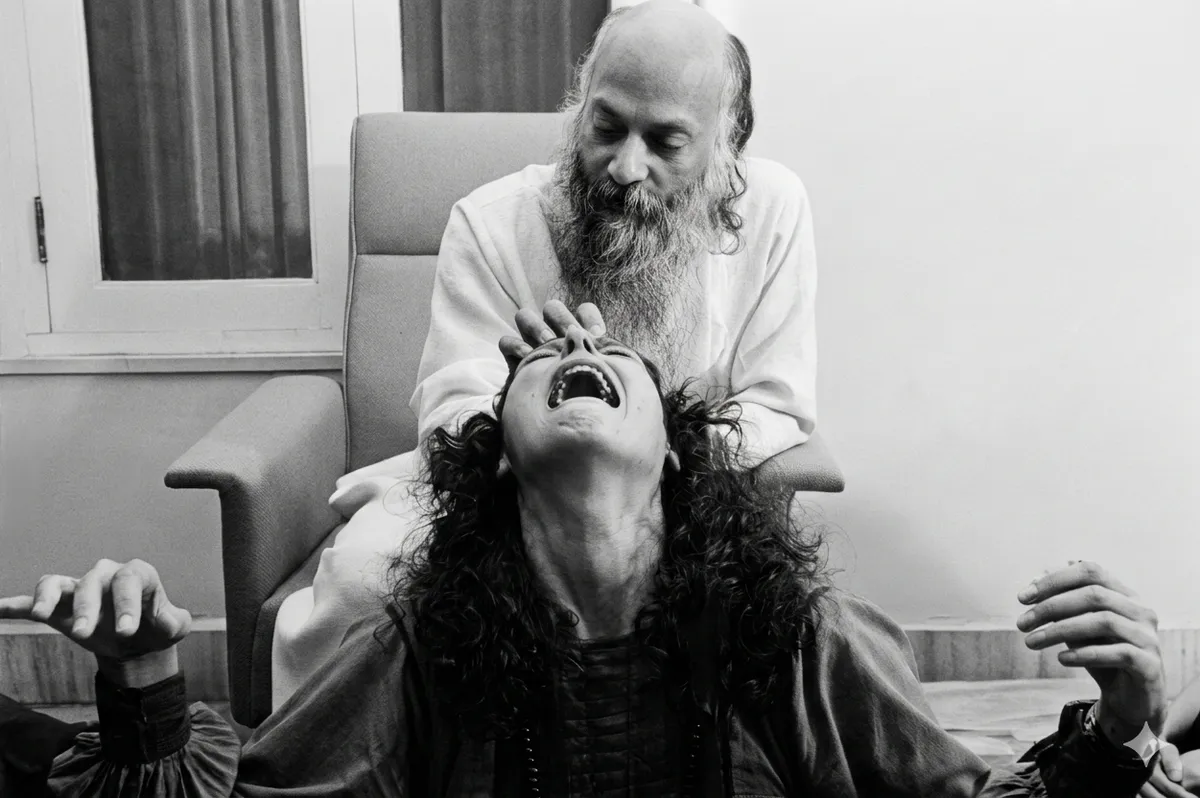
Osho's perspective on Renunciation
When Osho Spoke About Renunciation
Passages from the discourses where this theme comes alive.
Question: Third question: Osho, is renunciation a big thing or a small one? It depends on the person. If you renounce with understanding, it’s a very small matter. If you renounce out of unawareness, then it is a big thing—a very big thing. Understanding means you have seen that wealth has no real value. Then renunciation is a tiny thing. It was trash—you dropped it; so what did you really leave? You won’t sing its praises, won’t have others praise you, won’t hanker for it. You won’t go around saying, “I gave up millions.” There was nothing there; you saw it, so you let it go. It was refuse—you discarded it; pebbles and stones—you dropped them.
अगर तुमने समझकर त्यागा तो बड़ी छोटी बात है। अगर नासमझी से त्यागा तो बड़ी बात है, बड़ी बड़ी बात है। समझ का अर्थ होता है, तुमने जाना धन में कोई मूल्य ही नहीं है। तो त्याग बड़ी छोटी बात है। कचरा था छोड़ दिया, तो क्या छोड़ा? तुम उसका गुणगान न करोगे, स्तुति न करोगे। स्तुति न करवाओगे, न आकांक्षा करोगे। तुम कहते न फिरोगे कि मैंने लाखों छोड़ दिए हैं। वहां कुछ था ही नहीं, तुम्हें दिखायी पड़ गया है, इसलिए छोड़ा। कूड़ा-करकट था, छोड़ दिया; कंकड़-पत्थर थे, छोड़ दिए।
Beloved master, is renouncing the world and society part of a rebellious spirit?
As far as the world is concerned... and the world and the society are not the same thing. In the past, the so-called religious people have renounced the society and the world, both. The rebel will fight against the society, renounce its ideals, and he will love the world -- because the world, the existence, is our very source of life. To renounce it is to be anti-life. But all religions have been anti-life, life-negative. The rebel should be life-affirmative. He will bring in all those values which make the world more beautiful, more lovable, which make the world more rich. It is our world -- we are part of it, it is part of us -- how can we renounce it? Where can we go to renounce it? The world is in the Himalayan cave as much as it is here in the marketplace. The world has to be…
Osho, you support the Upanishadic utterance “tena tyaktena bhunjīthāh”—first enjoyment, then renunciation. If one has to renounce anyway, why enjoy? Why bring in enjoyment at all?
But if you get hasty, half-baked, and say, “If one has to renounce, why enjoy?”—then how did it occur to you that you “have to” renounce? The thorn has not pricked you, so why think of removing it? You must have heard the words of one whose foot was pierced by a thorn—one who knew the pain, removed it, and knew the relief—some awakened one. You heard a Paltu, a Kabir, a Nanak, and borrowed their words. The thorn had pricked them, so there was pain; they removed it and found ease. You have not been pricked and you begin to remove a thorn that is not there—what will you remove? You will deceive yourself that there must be a thorn! A sick man takes medicine and becomes well; you, hearing of a sick man’s recovery, buy the medicine—being healthy, you will become ill. And this is what happened here.…
Osho, Ramakrishna Paramahamsa kept constantly warning his renunciates to stay away from kamini and kanchan. You tell your sannyasins to live the world intensely. What is the reason for this difference?
So I speak the language of Tantra—but the result is the same. Ramakrishna says: stay away from woman and gold. I say: you will become free of woman and gold—by entering the world rightly. The words differ; only the manner of saying is different. The truth is one. It happened that two men were fighting by the roadside. One had a big stick, the other a long knife. Both were ready to kill, and many people were trying to pacify them: “Brother, don’t fight. What’s the use? You have children; he has a wife and home; you have old parents. What are you doing? If someone dies, then what?” A big crowd tried to explain, but the more they explained, the more the fighters’ fury rose. In fact, if the crowd did not interfere, the fury might subside. But when a crowd comes to persuade, the fury never subsides. If…
दूसरा प्रश्न: ओशो, रामकृष्ण परमहंस अपने संन्यासियों को कामिनी और कांचन से दूर रहने के लिए सतत चेताते रहते थे। आप अपने संन्यासियों को संसार को प्रगाढ़ता से भोगने को कहते हैं। इस फर्क का कारण क्या है?
तो मैं तो तंत्र की भाषा बोलता हूं। लेकिन परिणाम वही है। रामकृष्ण कहते हैं: कामिनी-कांचन से दूर रहो। मैं कहता हूं: कामिनी-कांचन से दूर हो जाओगे, संसार में ठीक से उतरो। अलग-अलग बातें हैं। कहने के ही ढंग में भेद हैं। सत्य तो एक ही है। ऐसा हुआ, सड़क के किनारे दो व्यक्ति लड़ रहे थे। एक के हाथ में बड़ा डंडा था और दूसरे के हाथ में एक लंबा चाकू था और दोनों मारने-मरने पर उतारू थे, और अनेक लोग समझा रहे थे कि भाई, लड़ो मत, क्या फायदा। तुम्हारे बाल बच्चे हैं, उसकी भी पत्नी है, घर द्वार है। तुम्हारे बूढ़े मां-बाप हैं। यह तुम क्या कर रहे हो? कोई मर-मरा गया तो क्या होगा? बड़ी भीड़ समझा रही थी, लेकिन जितना लोग समझा रहे थे उतना ही उनका जोश बढ़ता जा रहा था।
Can the word 'indulgence' be misleading?
definitionIs renunciation a big thing or a small one?
definitionWhat is renunciation?
definitionWhat is the reason that traditions of renunciation emphasize mendicancy and non-householder status?
definitionWhy did Mahavira preach renunciation by fostering a feeling of hatred toward the world and the body?
definitionProfound Quotes on Renunciation
Explore our structured collection of meaning-mapped quotes regarding Renunciation.