
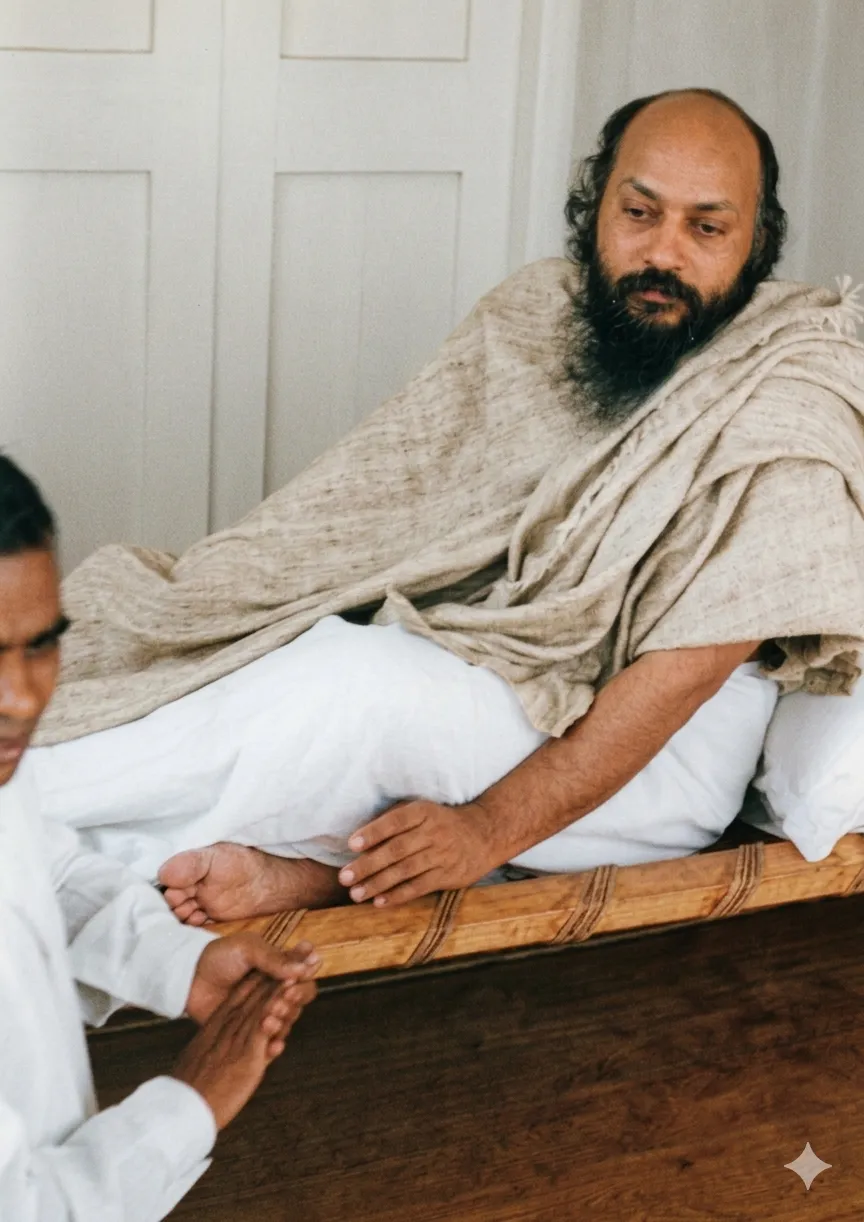
Osho's perspective on Dreams
When Osho Spoke About Dreams
Passages from the discourses where this theme comes alive.
Are visions also dreams?
Yes, they are dreams not of this world but of the other world; they are higher dreams. They are concerned not with things, but your inner phenomena. But still they are dreams so don't cling to them. One has to go beyond them also. If you see a Buddha in your vision, remember that this Buddha is also part of the dream -- of course, beautiful, spiritual, very, very helpful in your search -- but don't cling to it. Zen Masters have been saying for centuries that if you meet a Buddha kill him immediately! Don't wait for a single moment. If you don't kill him, he will kill you. And they are right. Visions are beautiful, but if you start enjoying them too much they can be dangerous. Then you are again stuck with some experience. And when you see Buddha it is really beautiful and it looks more…
Beloved Osho, when I read the first book I had ever read of yours, come follow me, and I came to the story of bodhidharma who was staring at the wall, I collapsed in great laughter for almost an hour. The following night I had an extraordinary dream because I dreamed in words -- which I had never done before. It was a four-second dream: an old man asked a young man, "is?" the young man answered, "yes." the old man asked, "what?" the young man said, "nothing."
The dream was really the whole message of the book that you had read. Those few words -- it came in words because there is no way of making a picture of it. How will you make a picture of `is' or a picture of `nothing'... and a picture of `yes'? That's why you saw the first dream in your life in words -- because the book that you were reading was concerned with these words. It was concerned with isness. The old man said, "Is?" Perhaps he is the master... And the young man, perhaps the disciple, said, "Yes." But the old man asked, "What?" He wanted to be certain whether the young man has understood "is?" or has just said "yes" rationally. If it was only a rational answer "yes," things would have been different. That is why he is asking, "What?" And the young man said, "Nothing."…
Can you explain what you mean by dreams?
Now the only distinction is whether the dream is positive. If it is positive it is illusory, it is a dream, because in an ultimate sense only the negative is. When everything has become part of the formless, when everything has come back to the original source, then everything is and at the same time is not. The positive is the only factor remaining. It must be jumped over. So if, in the sixth body, the positive is lost, you penetrate into the seventh. The real of the sixth is the door of the seventh. If there is nothing positive -- no myth, no image -- then the dream has ceased. Then there is only what is: suchness. Now nothing exists but existence. Things are not, but the source is. The tree is not, but the seed is. Those who have known have called this type of mind samadhi with…
Another friend has asked: Osho, what is the relationship between the method of meditation and jati-smaran (recollection of past lives)?
But the one who becomes skilled in this—who can fully awaken any day’s memory up to the age of five—will find that the memories begin to awaken completely. And you should test it. As today passes, note down some events and lock them up. After two years, try to recall today. Most of it will have been forgotten. Then remember—and after remembering, break the lock and compare whether what you recalled matches what you had written. You will be amazed—astonished—that besides what you wrote, many more details have come back which you did not even note at the time. They will all be there in memory. Buddha called this alaya-vijnana. There is a corner of the human mind he called the storehouse of consciousness. Like a junk room in the house where we keep all the odds and ends, there is a storehouse that collects memories—where everything from birth after…
एक और मित्र ने पूछा है कि ओशो, ध्यान की विधि और जाति-स्मरण में क्या संबंध है?
लेकिन जो व्यक्ति इसमें समर्थ हो जाएगा, पांच वर्ष की उम्र तक की किसी भी दिन की स्मृति को पूरा जगाने लगेगा...और वह पूरी जगने लगती है। और फिर उसको इस तरह जांच कर लेनी चाहिए। जैसे आज का दिन गुजर रहा है, तो आज के दिन की कुछ बातें नोट करके ताले में बंद कर दें। दो साल बाद आज के दिन को याद करें। वह सब खो जाएगा आज का दिन। और तब स्मरण करें, और स्मरण करके फिर ताला तोड़ें, और फिर मेल करें कि वह बात मेल खा गई कि नहीं। और आप हैरान होंगे--आप हैरान होंगे कि जितनी आपने लिखी थीं, उससे बहुत ज्यादा बातें और भी याद आई हैं जो कि आप उस दिन भी नोट नहीं कर पाए थे। वे तो सब बातें याद आ ही जाएंगी। इसको बुद्ध ने नाम दिया है, आलय-विज्ञान। मनुष्य के मन का एक कोना है, जिसको उन्होंने आलय-विज्ञान कहा है। आलय-विज्ञान का मतलब होता है, स्टोर हाउस आफ कांशसनेस। जैसे घर में एक कबाड़खाना होता है, जहां हम सब बेकार हो गई चीजों को डालते चले जाते हैं। …
Are visions also dreams?
definitionHow to be alert in sleep and dream?
practiceWhat are dreams and what types exist?
definitionWhat are dreams?
definitionWhat is the significance of dreaming about spiritual figures like Jesus, Krishna, and Osho?
definitionWhat is the truth of dreams?
definitionWhy do dreams have no meanings?
definitionProfound Quotes on Dreams
Explore our structured collection of meaning-mapped quotes regarding Dreams.