
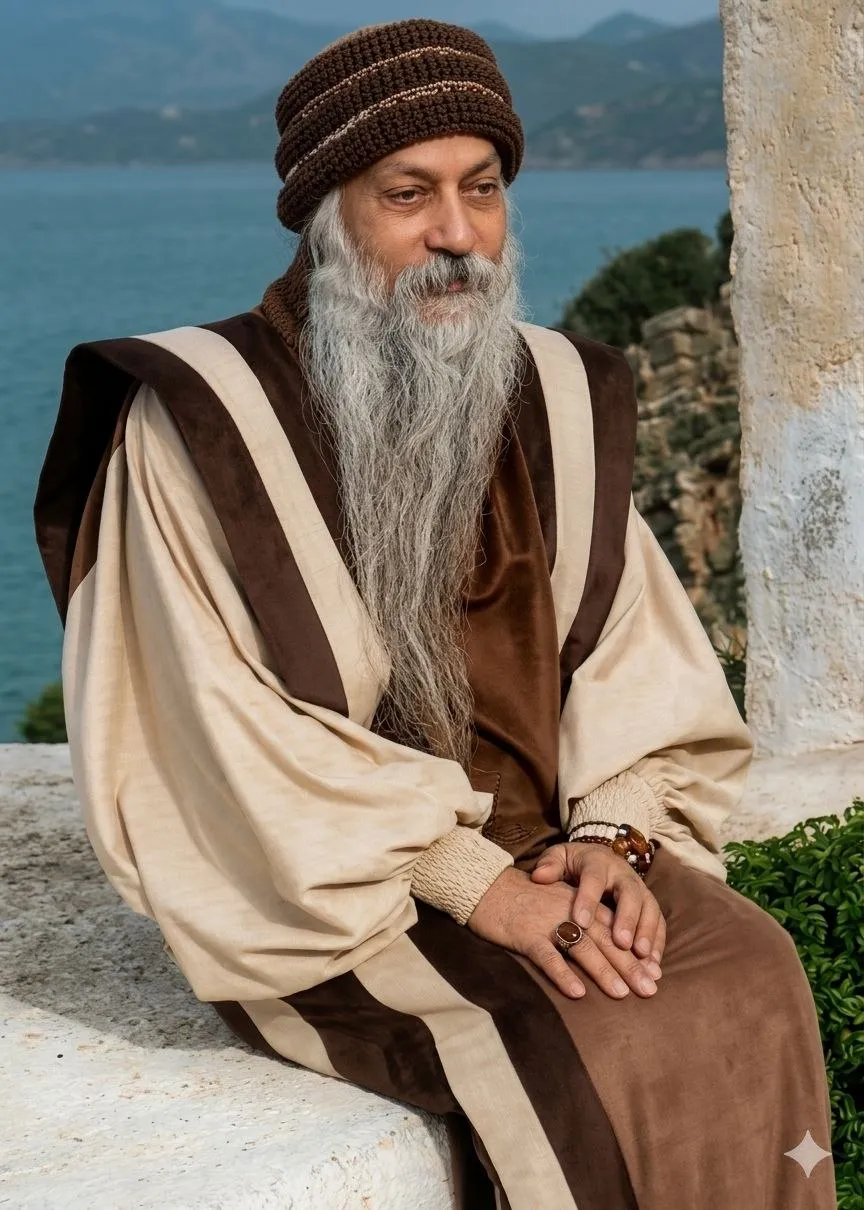
Osho's perspective on Violence
When Osho Spoke About Violence
Passages from the discourses where this theme comes alive.
Osho, Krishna says “kill,” and Mahavira says that even the mere thought of violence is violence. Please tell us who is superior between the two?
In the smoke and dust, the hustle and bustle of the road, you will be lost: you won’t even have time to enter the temple or the mosque. If you want to pray, you must choose somewhere. But be mindful about the basis of your choice—choose because of “me,” not because of which of them is superior. Keep the relativity on your side. I cannot choose both together. My heart is not that vast yet. My vision is not so immense that I can hold both together. My house is not so spacious that I can host both as guests at once. Accept this compulsion and choose: the house is small; I can invite only one. The day you awaken, you will find both are two different faces of the same truth. But until then, you must decide. And decide very consciously. Do not leave this decision to your birth—“I…
पहला प्रश्न: ओशो, कृष्ण कहते हैं कि मारो और महावीर कहते हैं कि हिंसा का विचार-मात्र हिंसा है। कृपया बतायें कि दोनों में श्रेष्ठ कौन है?
धुआं, धूल, राह की आपा-धापी में ही तुम नष्ट हो जाओगे: समय ही न बचेगा मंदिर में प्रवेश करने का कि मस्जिद में प्रवेश करने का। प्रार्थना करनी है तो कहीं तो चुनना ही होगा। लेकिन चुनाव का ध्यान रखना--‘मेरे’ कारण चुन रहा हूं; उनमें कौन श्रेष्ठ है, इस कारण नहीं। सापेक्षता अपनी तरफ रखना। यह मैं दोनों को साथ नहीं चुन सकता। इतना बड़ा मेरे पास हृदय नहीं। इतनी विराट मेरी दृष्टि नहीं कि दोनों को साथ-साथ सम्हालूं! इतना मेरे घर में स्थान नहीं कि दोनों को साथ-साथ मेहमान बना लूं! यह मजबूरी मानकर चुनना कि घर छोटा है और एक को ही बुला सकता हूं।
It has been asked: From the standpoint of psychic anatomy—the structure of the mind—what does it mean to call violence a disease?
Man is poly-psychic. The psychic structure—the structure of his mind—is made of many parts. The mind is divided into many fragments, and it will remain divided until the undivided self awakens at the center. Violence is the mutual conflict of these fragments—the servants’ rival claims, “I am the master!” When they confront one another the mind falls into great inner strife. All day long the mind fights over who the master is. And the conflict, the anguish, the suffering generated by these battling fragments—that is what such a mind then unloads by fighting with others as well. It is a curious thing: we often project our inner battles outward. There is a thief within you; you are struggling with him, suppressing him: “I will not allow theft.” If a theft occurs in your neighborhood and the thief is caught, you will beat him the most—because you have longed to thrash…
पूछा है कि ‘साइकिक एनोटॉमी, मनस-संरचना की दृष्टि से हिंसा को रोग कहने का क्या अर्थ हो सकता है?’
पॉली साइकिक है आदमी। साइकिक संरचना, उसकी जो मनस की संरचना है, वह कई खंडों की है। मन बहुत खंड में बंटा है। और तब तक बंटा रहेगा जब तक अखंड आत्मा बीच में जाग न जाए। हिंसा इन खंडों की आपस की लड़ाई है; इन नौकरों के अपने सबके दावे कि मैं मालिक हूं। अगर आमने-सामने पड़ जाते हैं तो मन बड़े द्वंद्व में पड़ जाता है। मन चौबीस घंटे लड़ता रहता है कि मालिक कौन है? और ये जो मन के लड़ते हुए खंड हैं, इनकी लड़ाई से जो द्वंद्व और जो पीड़ा और दुख पैदा होता है, वही चित्त आदमी दूसरे से भी लड़ कर निपटाता रहता है। यह बहुत मजे की बात है कि अक्सर हम अपनी लड़ाई को बाहर प्रोजेक्ट करते हैं, प्रक्षेप करते हैं! आपके भीतर एक चोर है, आप उस चोर से लड़ रहे हैं। आप उसको दबाए हुए हैं कि चोरी न करने देंगे। अगर आपके पड़ोस में चोरी हो जाए और चोर पकड़ लिया जाए, तो आप सबसे ज्यादा उस चोर की पिटाई करेंगे। क्योंकि आप अपने भीतर एक चोर को दबाए हुए हैं, जिसकी पिटाई बहुत बार करनी चाही, लेकिन कर नहीं पाए। …
Another friend has asked: Osho, what is the relationship between the method of meditation and jati-smaran (recollection of past lives)?
But the one who becomes skilled in this—who can fully awaken any day’s memory up to the age of five—will find that the memories begin to awaken completely. And you should test it. As today passes, note down some events and lock them up. After two years, try to recall today. Most of it will have been forgotten. Then remember—and after remembering, break the lock and compare whether what you recalled matches what you had written. You will be amazed—astonished—that besides what you wrote, many more details have come back which you did not even note at the time. They will all be there in memory. Buddha called this alaya-vijnana. There is a corner of the human mind he called the storehouse of consciousness. Like a junk room in the house where we keep all the odds and ends, there is a storehouse that collects memories—where everything from birth after…
एक और मित्र ने पूछा है कि ओशो, ध्यान की विधि और जाति-स्मरण में क्या संबंध है?
लेकिन जो व्यक्ति इसमें समर्थ हो जाएगा, पांच वर्ष की उम्र तक की किसी भी दिन की स्मृति को पूरा जगाने लगेगा...और वह पूरी जगने लगती है। और फिर उसको इस तरह जांच कर लेनी चाहिए। जैसे आज का दिन गुजर रहा है, तो आज के दिन की कुछ बातें नोट करके ताले में बंद कर दें। दो साल बाद आज के दिन को याद करें। वह सब खो जाएगा आज का दिन। और तब स्मरण करें, और स्मरण करके फिर ताला तोड़ें, और फिर मेल करें कि वह बात मेल खा गई कि नहीं। और आप हैरान होंगे--आप हैरान होंगे कि जितनी आपने लिखी थीं, उससे बहुत ज्यादा बातें और भी याद आई हैं जो कि आप उस दिन भी नोट नहीं कर पाए थे। वे तो सब बातें याद आ ही जाएंगी। इसको बुद्ध ने नाम दिया है, आलय-विज्ञान। मनुष्य के मन का एक कोना है, जिसको उन्होंने आलय-विज्ञान कहा है। आलय-विज्ञान का मतलब होता है, स्टोर हाउस आफ कांशसनेस। जैसे घर में एक कबाड़खाना होता है, जहां हम सब बेकार हो गई चीजों को डालते चले जाते हैं। …
Beloved master, can you please say something about violence as the expression of rebellion?
Milarepa, violence can never be a part of the rebellious spirit for the simple reason that violence is the whole past of humanity -- and the rebel wants to discontinue with the past. Violence has been the way of life for millennia. Directly or indirectly we have lived under violence. Our armies, our police, our jails, our judges, our wars, our so-called great religions, all have lived in violence. And violence, reduced to its essentials, is irreverent towards life. To me the religious man, the religious consciousness, is nothing but a deep reverence for life itself, because there is no God beyond life, there is no paradise beyond consciousness. Violence is a violation of both life and consciousness -- it is destructive. The rebel is a creator; his whole philosophy is that of creativity. We have lived in destructiveness far too long, and what is the achievement? That's why I…
How do we recognize violence?
definitionWhat is the nature of violence?
definitionProfound Quotes on Violence
Explore our structured collection of meaning-mapped quotes regarding Violence.