
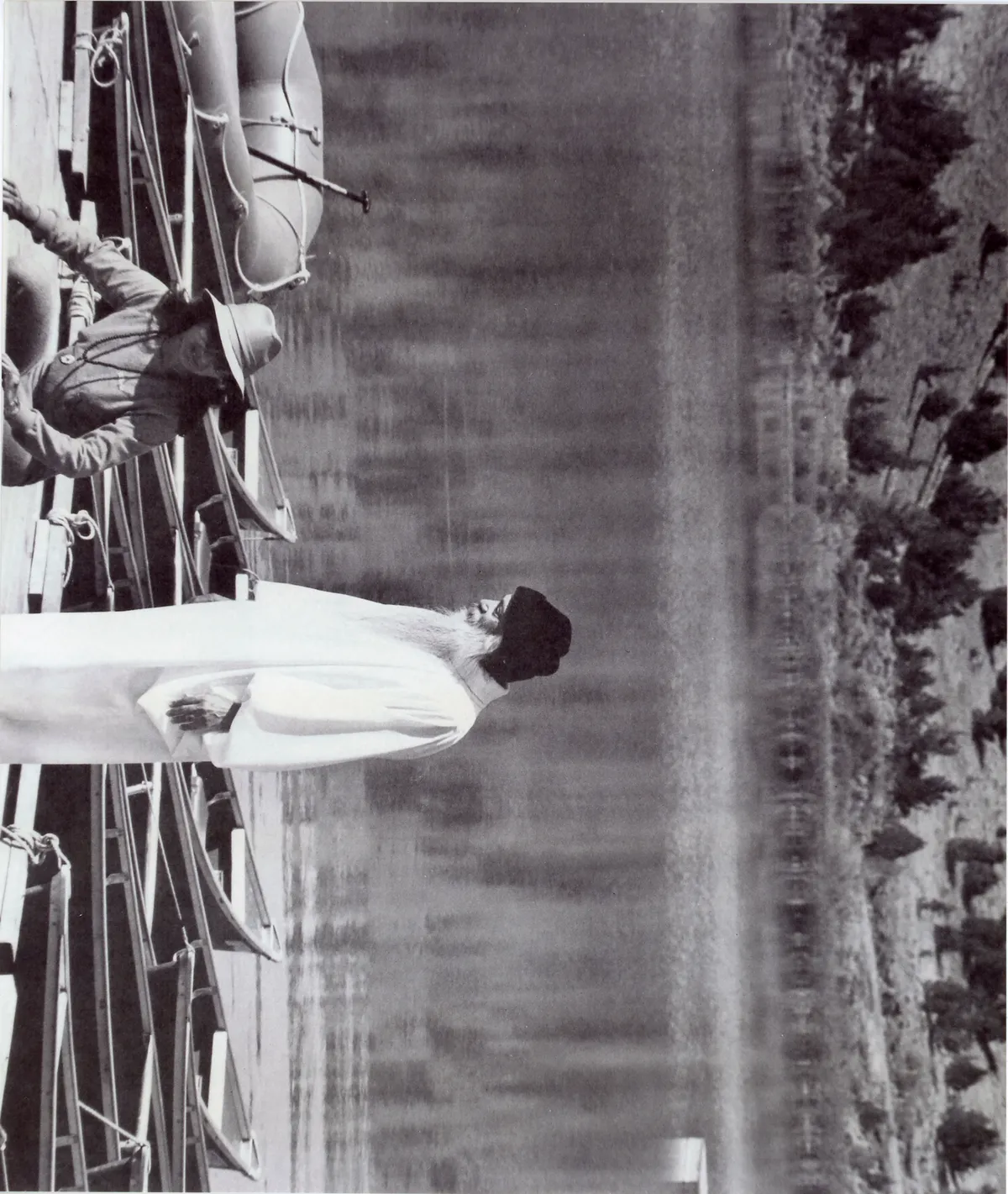
Bhajan is your inner prayer spilling out as song and dance, not just saying thanks.
From the Discourses
Passages where Osho speaks to this question — each links to the complete discourse.
Osho, is bhajan, like prayer, merely an act of thanksgiving?
Prayer is the seed; bhajan is the tree. Prayer is the unmanifest, bhajan the manifest. Bhajan is prayer dancing, prayer singing. Bhajan is prayer’s expression. If you want to see prayer, you will find it in Mahavira and Buddha; if you want to see bhajan, in Meera and Chaitanya. What is gathered within in Buddha and Mahavira flows outward in Meera and Chaitanya. What is still in Buddha and Mahavira rises into dance in Meera and Chaitanya. Bhajan is the articulation of prayer. Understand it this way: you are in love with someone. You can keep it inside; there is no need to say it. Even if you never say, “I love you,” it is fine; you can hold it within, guard it. Often women do not say they are in love; they keep it safe. It is—why say it? Being is enough. But sometimes love also expresses—sometimes in a…
आखिरी प्रश्न: ओशो, क्या प्रार्थना की तरह भजन भी धन्यवाद-ज्ञापन मात्र है?
प्रार्थना बीज है, भजन वृक्ष। प्रार्थना अप्रकट है, भजन प्रकट। भजन नाचती हुई प्रार्थना है, गाती हुई प्रार्थना है। भजन अभिव्यक्ति है प्रार्थना की। अगर प्रार्थना देखनी है, तो तुम्हें महावीर और बुद्ध में दिखाई पड़ेगी; अगर भजन देखना है तो मीरा और चैतन्य में। बुद्ध और महावीर में जो भीतर सम्हला हुआ है, मीरा और चैतन्य में बाहर बह गया है। बुद्ध और महावीर में जो थिर है, मीरा और चैतन्य में नाच उठा है। भजन प्रार्थना की अभिव्यंजना है। ऐसा समझो कि तुम्हें किसी के प्रति प्रेम है। तुम इसे भीतर भी रख सकते हो, कोई जरूरत नहीं कहने की। कभी तुम ऐसा न भी कहो कि मुझे तुझसे प्रेम है, तो भी चलेगा; तुम भीतर ही भीतर रख सकते हो, सम्हाले रखते हो। अक्सर स्त्रियां किसी को कहती नहीं कि उन्हें प्रेम है; सम्हाल कर रखती हैं। है--कहना क्या; होना काफी है। लेकिन कभी प्रेम प्रकट भी होता है--कभी गीत में, कभी हाथ के स्पर्श में, कभी आंख की भाव-व्यंजना में, कभी मौन में भी। …
Beloved Osho, is singing the song of the divine, like prayer, also an expression of thanks?
Prayer is the seed, bhajan, singing the song of the divine, is the tree. Prayer is hidden -- not expressed, bhajan is the expression. Bhajan is the dancing prayer, the singing prayer. Bhajan is the expression of prayer. If you want to see prayer, you will have to look at it in Mahavira and Buddha. If you want to see bhajan then you had better look at Meera and Chaitanya. Bhajan is the prayer expressed. What remains within Mahavira and Buddha flows out of Meera and Chaitanya. What is static within Buddha and Mahavira has started dancing in Meera and Chaitanya. Bhajan is the expression of prayer. You can understand it like this. Suppose you are in love with someone. You can just keep it to yourself, there is no need to say anything about it. It does not matter even if you do not say, "I love you." You…
Osho, the bhakta saints have sung greatly of bhajan’s glory. What is bhajan?
He asked again, Look, I will forget; tell me once more. Then, as Moses, having taught him the second time, was leaving, the man ran after him and said, Just once—once more. Because I will forget; these are difficult words. And if I make a mistake—then great harm will be done. Till now I was ignorant; whatever I did, I did. But now, now mistakes will not be tolerated. Now I shall be in trouble. Where will I find you? That prayer was mine—there was no hindrance in it. Every day I would make it up afresh; I would do whatever needed to be done. But now I must proceed by a rule. When Moses, very pleased at having taught him the third time, went on his way, he heard from the sky a great, solemn thunder. God was very angry. And God said, Listen! I sent you into the…
आखिरी प्रश्न: ओशो, भक्त संतों ने भजन की बहुत महिमा गाई है। यह भजन क्या है?
उसने फिर दुबारा पूछा कि देखो मैं भूल जाऊंगा, एक दफा और बता दो। फिर मूसा दूसरी दफा बता कर जा रहे थे, वह भागा फिर आया और उसने कहा, एक बस--एक दफे और। क्योंकि मैं भूल जाऊंगा। ये कठिन शब्द हैं। और अगर भूल-चूक हो गई तो--तो फिर बड़ा नुकसान होगा। अब तक अज्ञानी था, जो करता रहा सो करता रहा। मगर अब, अब भूल-चूक नहीं सही जाएगी। अब मैं मुश्किल में पड़ जाऊंगा। तुम्हें कहां खोजूंगा? वह तो मेरी प्रार्थना थी, उसमें कुछ अड़चन ही नहीं थी। रोज अपनी बना लेता था, जो जैसी करनी थी कर लेता था। अब तो एक नियम से चलना होगा। जब मूसा बड़े प्रसन्न भाव से उसको समझा कर तीसरी बार अपने रास्ते पर चले तो उन्होंने आकाश से एक बड़ी गंभीर गर्जना सुनी। ईश्वर बहुत नाराज था। और ईश्वर ने कहा कि सुनो, मैंने तुम्हें दुनिया में भेजा है कि तुम जो मुझसे भटक गए हैं उन्हें मुझसे मिलाना। लेकिन तुम जो मुझसे मिले हुए हैं उनको भटका रहे हो। तुम वापस जाकर उस आदमी से क्षमा मांगो। वह अकेला है इस प्रांत में जो प्रार्थना जानता है। उसका भाव तो देखो! …
Osho, what is the fundamental anguish of human life?
There is only one anguish: that a human being cannot become what he was born to be. There is only one anguish: that the seed remains a seed and does not bloom like a flower; that it cannot scatter its fragrance to the infinite winds; cannot converse with the moon and stars; cannot offer its colors to the sky; cannot be expressed. If the poem within the poet cannot be revealed—anguish. If the painter cannot paint—anguish. If the dancer cannot dance—if chains lie on his feet—anguish. Anguish means only this: that what we are meant to be—our innate nature and destiny—does not come to fruition, and we are forced to be something else. Then anguish is born. Then melancholy gathers over life. And all those countless people you see burdened with sorrow, living in a kind of hell—the reason is only this: each has come carrying the seed of becoming…
चौथा प्रश्न: ओशो, मनुष्य जीवन का मूल संताप क्या है?
एक ही संताप है कि मनुष्य वह न हो पाए जो होने को पैदा हुआ है। एक ही संताप है, कि बीज बीज रह जाए, फूल की तरह खिल न पाए। बिखेर न सके अपनी सुवास को अनंत-अनंत हवाओं में; कर न सके गुफ्तगू चांद-तारों से; निवेदन न कर पाए अपने रंगों का आकाश के प्रति; अभिव्यक्त न हो पाए--एक ही संताप है। कवि के भीतर की कविता प्रकट न हो सके--तो संताप। चित्रकार चित्र न बना सके--तो संताप। नर्तक नाच न सके, पैरों में जंजीरें पड़ी हों--तो संताप। संताप का एक ही अर्थ होता है: जो हम होने को हैं, जो हमारी सहज प्रकृति और नियति है, वह न हो पाए और हमें अन्यथा होने को मजबूर होना पड़े, तो संताप पैदा होता है। तो जीवन में विषाद घिरता है।
If another can hear it, it is not bhajan. What kind of bhajan is that which others can hear? Then you are doing it to be heard by others. Either your innermost knows, or the Divine knows; it is between the two. A third cannot hear—cannot. It is so subtle—it is a state of feeling. Bhajan is a feeling—anubhava—not an arrangement of words and sounds. Bhajan is grace. You are so brimming that even your walking has a dance in it, a fragrance, a glow. Full, you walk. Have you seen someone walking who has fallen in love? Yesterday he walked the same road to the same office with the same legs—but now something has changed. There is some new energy in the feet, some dance has entered. No ankle-bells tied, yet they tinkle within. He walks—he seems to fly; the pull of the earth does not touch him.
दूसरा सुन ले तो भजन ही न रहा। वह क्या भजन रहा जिसको दूसरे ने सुन लिया? तब तुम दूसरे को सुनाने को कर रहे होओगे। या तो तुम्हारी अंतरात्मा जानती है या परमात्मा। वह दो के बीच है, तीसरा उसे सुनता ही नहीं। सुन ही नहीं सकता। वह इतना सूक्ष्म है। वह एक भाव है। भजन एक भाव है। वह शब्दों की, ध्वनियों की व्यवस्था नहीं है, एक भाव-दशा है। भजन अनुग्रह है। तुम ऐसे भरपूर हो कि तुम चलते हो तो तुम्हारे चलने में एक नाच है। तुम्हारे पैर में एक महक, एक दमक है। भरे-पूरे चलते हो। जैसे कभी किसी को तुमने चलते देखा हो, कोई प्रेमी को, जो किसी के प्रेम में पड़ गया, उसकी चाल बदल जाती है। कल तक वैसे ही--इसी दफ्तर जाता था, इसी रास्ते से गुजरता था, यही पैर थे, लेकिन अब जरा बात बदल गई। अब पैरों में कुछ ऊर्जा और है। पैरों में अब कुछ नाच समा गया। घूंघर न बांधे हों। लेकिन कहीं भीतर घूंघर बजते हैं। चलता है, लगता है उड़ता है। जमीन की कशिश का प्रभाव नहीं पड़ता जैसे। कुछ पा लिया है। जरा एक स्त्री मुस्कुरा दी है। …