
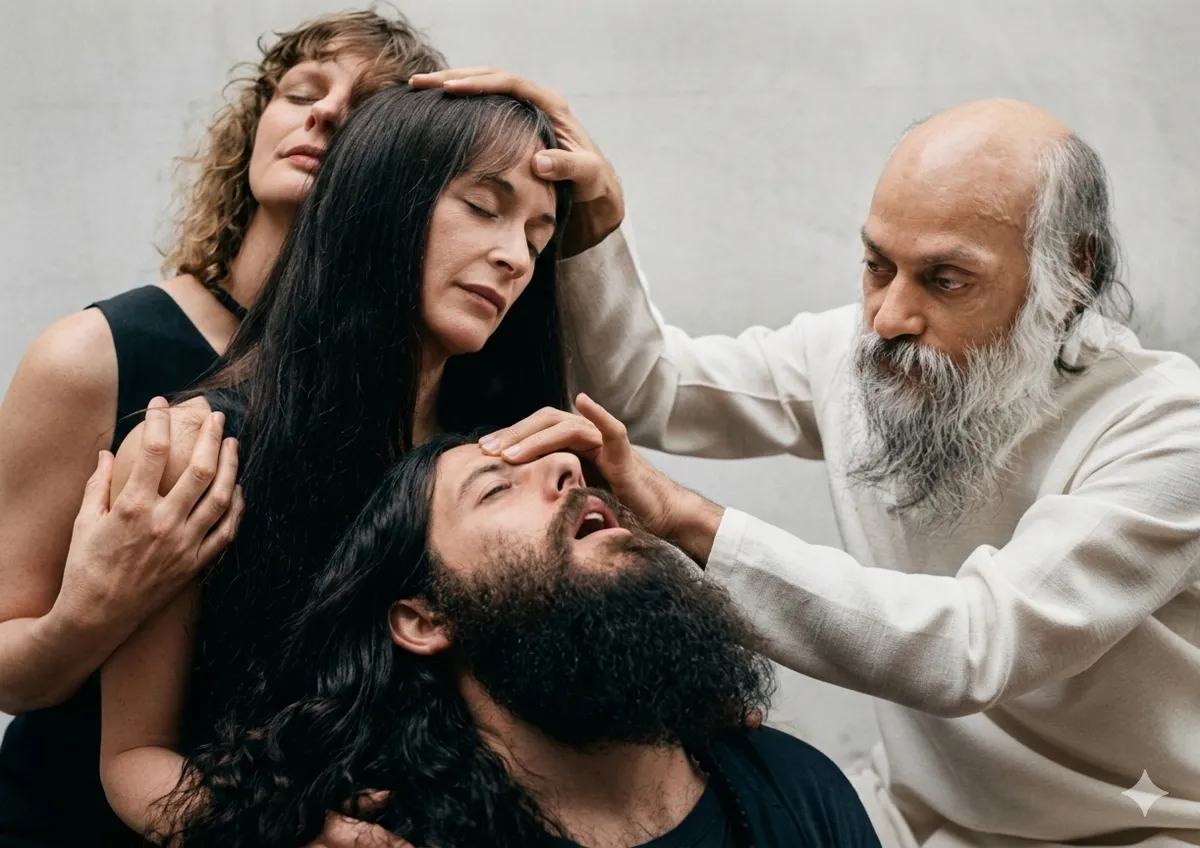
Don’t wait for magic from outside; start meditating and changing your habits, and satisfaction will grow from within.
From the Discourses
Passages where Osho speaks to this question — each links to the complete discourse.
They say the philosopher’s stone turns iron into pure gold without considering its virtues or flaws. Then why is it that even after coming to you I remain unsatisfied? Must one acquire worthiness to receive your grace?
He must have been a strange man! He went. People stared in astonishment—such a thing had never happened: someone going to the graveyard by himself. People always go riding on others’ shoulders. That is the ancient habit. They live riding on others’ shoulders; they die riding on others’ shoulders too. He went, took a pickaxe in his hands, and dug his own grave. People said, “We will help.” He said, “Stop—don’t interfere in my work. I would not like God to be able to say that I took any kind of ride on anyone’s shoulders. I have lived life in my own way; I will die in my own way.” He dug his grave, lay down in it, said, “Goodbye, friends,” closed his eyes, and died. If it had been in his power, he would have thrown the earth over the grave himself. Only such a person is truly alive.…
दूसरा प्रश्न: कहते हैं कि पारस लोहे के गुण-अवगुण का विचार किए बिना उसे शुद्ध सोना बना देता है। फिर ऐसा क्यों है कि आपके पास पहुंचकर भी मैं अतृप्त ही बना हूं? क्या आपकी कृपा के लिए पात्रता प्राप्त करनी होगी?
अजीब आदमी रहा होगा! वह गया। लोग तो चौंककर देखते रहे, ऐसी घटना तो कभी घटी न थी कि कोई आदमी खुद ही मरघट जा रहा है। मरघट तो लोग दूसरे के सिर पर चढ़कर जाते हैं। सदा से पुरानी आदत है। जीए भी दूसरों के सिर पर चढ़कर, मरते भी दूसरों के सिर पर चढ़कर चले जाते। वह गया, उसने कुदाली हाथ में ले ली, उसने अपनी कब्र खोदी। और लोगों ने कहा, हम साथ दे दें! उसने कहा कि रुको, मेरे काम में बाधा मत डालो, मैं यह न चाहूंगा कि परमात्मा मुझसे कह सके कि मैंने किसी के कंधे पर किसी तरह की सवारी की। मैं जीवन अपने ढंग से जीया हूं, मरूंगा भी अपने ढंग से। उसने अपनी कब्र खोद ली, वह कब्र में लेट गया और उसने कहा कि नमस्कार, मित्रो! आंख बंद कर ली और मर गया। …
Osho, the very sky you tirelessly describe again and again—why is there still no fulfillment even after repeatedly dissolving into and becoming one with that same sky? In the outer world there seems to be every kind of fulfillment, satisfaction for everything; but within, there is a constant dissatisfaction, a feeling every moment that something is missing, that there is something more that has not yet been known. A little further… ever further—the thirst keeps growing. The more of your grace I receive, the more the thirst increases.
At the moment of life’s transition, when you turn from the outer to the inner, this is what happens. The dissatisfaction that was outside gets attached within. Before, there was money—and you wanted more. There was position—and you wanted it higher. There was a house—and you wanted to build a palace. Your dissatisfaction was fastened outside. Now you have turned your mind away from the outer, so outside there is a sense of satisfaction. Consider this: earlier there was no dissatisfaction within; within there was contentment, outside dissatisfaction. Now you have changed the arrangement. You turned the mind inward. You said, “Know what is within. Recognize the Divine, seek the self, have the vision of truth, attain liberation.” You redirected the dissatisfaction toward the inner, and the satisfaction shifted to the outer. They are two sides of the same coin. It is as if you were holding a coin in…
चौथा प्रश्न: ओशो, जिस आकाश का अथक वर्णन आप बार-बार करते हैं उसी आकाश के साथ बार-बार घुल-मिलकर एक होने के बाद भी तृप्ति क्यों नहीं मिलती? बाह्य जगत में तो हर तरह की तृप्ति है, हर बात की तृप्ति, लेकिन अंतस में एक अतृप्ति हर क्षण है कि कुछ छूटा-छूटा है, कुछ और है जो अभी जाना न जा सका। कुछ और आगे...कुछ और आगे की प्यास बढ़ती ही जाती है। जितना ही आपका प्रसाद पाता हूं उतनी ही प्यास बढ़ती जाती है।
जीवन के संक्रांति-क्षण में, जब तुम बाहर से भीतर की तरफ मुड़ते हो तो ऐसी घटना घटती है। वह जो बाहर की अतृप्ति थी वह भीतर संलग्न हो जाती है। पहले धन था, और चाहिए था। पद था, और बड़ा चाहिए था। मकान था, महल बनाना था। तुम्हारी अतृप्ति बाहर लगी थी। अब तुमने बाहर से मन मोड़ा तो बाहर तो तृप्ति हो गई। खयाल करो, पहले भीतर कोई अतृप्ति न थी, भीतर तृप्ति थी, बाहर अतृप्ति थी। अब तुमने संयोजन बदल दिया। तुमने भीतर की तरफ मन मोड़ा। तुमने कहा, भीतर जो है उसे जानना। प्रभु को पहचानना, आत्मा को खोजना, सत्य के दर्शन करने हैं, मोक्ष पाना। तुमने अतृप्ति भीतर की तरफ मोड़ ली तो तृप्ति बाहर चली गई। वे एक ही सिक्के के दो पहलू हैं।
Osho, you have said that the divine is found not by effort but as grace; Sahajo, in a mood of awed gratitude, sings of the grace of her master Charandas, and Kabir of the grace of his master Ramananda. Upon you, whose grace descended? Did you attain the supreme enlightenment without a master’s grace? Please say something about this.
I have explained two approaches to you: the jnani and the bhakta. The jnani attains through his own worthiness; the bhakta through his prayer. The jnani “acquires” the divine by austerity; it is his achievement. He is a claimant. “If I have found, I have found it by my own labor.” Hence the religion and culture that Mahavira founded is called the Shramana culture. Shramana means: not by grace, but by effort. That is why Mahavira is known as the Shramana Bhagwan—one who attained the ultimate through effort. The jnani says, “Through austerity, renunciation, and merit I attained God—not for free, not by anyone’s grace. I earned it.” That is the jnani’s claim. The bhakta says, “Through prayer, worship, dancing, cajoling—by pleasing you. I had no worthiness of my own. I danced and delighted you. I sang your songs, praised your glory, won you over. In some deep moment of…
ओशो, आपने कहा कि परमात्मा प्रयास से नहीं प्रसाद से मिलता है, और सहजो गुरु चरणदास की कृपा का तथा कबीर गुरु रामानंद की कृपा का अहोभाव से गुणगान करते हैं। आप पर किस गुरु की कृपा हुई? क्या आप बिना गुरु-कृपा के परम संबोधि को उपलब्ध हुए? इस संबंध में कुछ कहें।
… ज्ञानी अपनी पात्रता से उपलब्ध होता है। भक्त अपनी प्रार्थना से। ज्ञानी तपश्चर्या से अर्जित करता है परमात्मा को। वह उसका अर्जन है। ज्ञानी दावेदार है। पाया है, तो अपने श्रम से पाया है। इसलिए महावीर ने जिस धर्म को जन्म दिया और जिस संस्कृति, उसका नाम है: श्रमण-संस्कृति। श्रमण-संस्कृति का अर्थ होता है: प्रसाद से नहीं, श्रम से। इसलिए महावीर का नाम ही श्रमण भगवान महावीर--श्रम से जिन्होंने पाया परम सत्ता को। ज्ञानी कहता है, तपश्चर्या से, त्याग से, पुण्य से परमात्मा को पाया है, मुफ्त में नहीं। किसी कृपा के कारण नहीं। अर्जित किया है। ज्ञानी का दावा है। भक्त कहता है, प्रार्थना से, पूजा से, नाच कर, रिझा कर, समझा-बुझा कर। …
Osho, you make us drink so much every day, and yet instead of being satisfied the thirst keeps growing day by day. Why?
Dreams lie about us like the desolate shadows of night, Longings lie as though forever now estranged, Such darkness has spread that clouds of fear have gathered— We do not receive even two drops of someone’s tenderness when we ask. Neither does the song become complete, nor is the heart’s friend found; The one who would clasp life to life—that mind-conqueror—is not found; The Swati drops are restless, yet no oyster is found; We do not receive even two loving words when we ask. On every side draws near the half-extinguished thirst of an extinguished mind; Sobbing, echoing, the crushed thirst of life; Forever in each breath spreads the sound of separation— We do not receive even two drops of affection when we ask. By asking, nothing has ever been gained. Unasked, pearls are given; by asking, not even bran. If you ask, you will gain nothing; it is through…
तीसरा प्रश्न: ओशो, आप हर रोज इतनी पिलाते हो, फिर भी तृप्त होने की बजाय प्यास दिन ब दिन बढ़ती ही जाती है। ऐसा क्यों?
पड़े हैं स्वप्न जैसे रात के वीरान साए हों, पड़े अरमान जैसे अब हमेशा को पराए हों, अंधेरा इस कदर छाया कि भय के मेघ छाए हों, किसी के स्नेह के दो बूंद मांगे भी नहीं मिलते। न पूरा गीत होता है, न मन का मीत मिलता है, जकड़ ले प्राण प्राणों से, न वह मनजीत मिलता है, विकल हैं बूंद स्वाति की, न कोई सीप मिलता है, हमें तो स्नेह के दो बोल मांगे भी नहीं मिलते। घिरी आती चतुर्दिक अधबुझी तृष्णा बुझे मन की, सिसकती, गूंजती, कुचली गई जो प्यास जीवन की, सदा को छा गई हर सांस में आवाज बिछुड़न की, हमें तो स्नेह के दो बूंद मांगे भी नहीं मिलते। मांगने से कभी कुछ मिला ही नहीं है। बिन मांगे मोती मिले, मांगे मिले न चून। मांगोगे तो कुछ न पाओगे, मांगने के कारण ही तो गंवाते गए हो। मुझसे भी मत मांगना। किसी से मत मांगना। जागना है भीतर। क्योंकि जिसे तुम मांग रहे हो, तुम्हारे भीतर मौजूद है। मधुकलश हो तुम! …
Osho, sometimes I feel I have received so very much from you, and sometimes I feel I am missing so much of you. Why is it so?
Then you will dance in joy, sing songs of wonder; yet you will not become a dead rock sitting—you will keep moving. More and more new flowers have yet to blossom in you! You have no inkling of your own possibilities. You have no idea of your own being—how much you can be! If one wave stirs, it can become a storm— Even a small ripple, if it stirs... If one wave stirs, it can become a storm— because the ocean is also hidden in the small ripple. If a single flower wishes, it can become a garden. A tiny flower could fill the whole earth with flowers. A single seed can make the whole earth green if it keeps spreading... In one seed are millions of seeds; in those millions, yet millions more! If the earth were given just one seed, the whole earth could turn green. If one…
पहला प्रश्न: ओशो, मुझे कभी लगता है कि मैंने आपसे बहुत-बहुत पाया और कभी यह भी कि मैं आपसे बहुत चूक रहा हूं। ऐसा क्यों है?
एक छोटा सा फूल सारी पृथ्वी को फूलों से भर सकता है। एक बीज सारी पृथ्वी को हरा कर सकता है, फैलता चला जाए... एक बीज में करोड़ बीज लगते हैं; करोड़ों बीजों में और करोड़ों बीज लगेंगे! एक बीज मिल जाए पृथ्वी को तो सारी पृथ्वी हरी हो सकती है।