
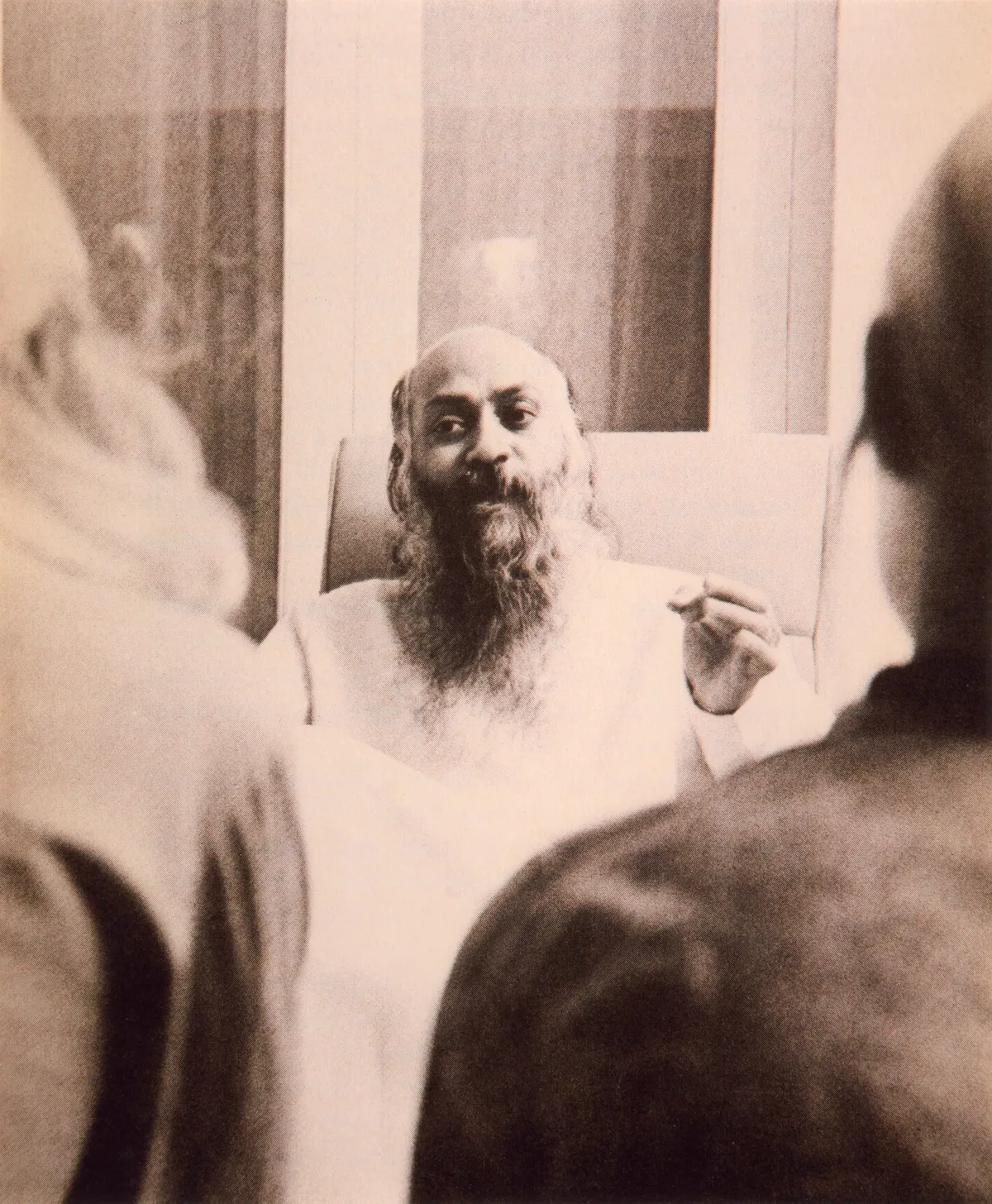
Osho's perspective on Grace
When Osho Spoke About Grace
Passages from the discourses where this theme comes alive.
Questioner: is there a difference between shaktipat and grace?
The difference is great, really great. In fact, there is a great difference between shaktipat and grace. Shaktipat is a kind of technique which can be planned and managed. Shaktipat has to be planned and manipulated. It cannot be brought about anytime and anywhere. Do you understand what I mean? For shaktipat to happen, it is very necessary that the seeker is in a right state to receive it and that the medium is a right medium. And when both these conditions are fulfilled and they synchronize, shaktipat happens. This is a matter of technique. Grace comes uninvited, it comes in the dark. You cannot call for it, you cannot have it on order. Neither can it be planned, manipulated and managed. It is an event that happens once in a great while, and happens on its own. The difference between shaktipat and grace is the game as it is…
Osho, is there a difference between shaktipat and grace?
There is a great difference; a great difference. There is a great difference between shaktipat and grace. Shaktipat is a technique, and it is organized. It has to be arranged. It won’t happen just anytime, anywhere. You understand? The seeker must be in the right state for it to happen to him, and the medium must be in the right state to become a medium. When these two things are in order, when they come into harmony, when at a single point in a moment the two meet, then it happens. This is a matter of technique. Grace is an uncalled-for descent; there is never a summons for it, never any arrangement. It simply happens. The difference is like the difference between our pressing a button to light a bulb and the lightning that flashes in the sky—just that much difference. You understand? This is technique. It is the same…
प्रश्न: ओशो, क्या शक्तिपात और ग्रेस में फर्क है?
बहुत फर्क है; बहुत फर्क है। शक्तिपात और प्रसाद में बहुत फर्क है। शक्तिपात जो है वह एक टेक्नीक है, और आयोजित है। उसकी आयोजना करनी पड़ेगी। हर कभी हर कहीं नहीं हो जाएगा। समझे न? साधक इस स्थिति में होना चाहिए कि उस पर हो सके, मीडियम इस स्थिति में होना चाहिए कि वह माध्यम बन सके। जब ये दोनों बातें व्यवस्थित हों, तालमेल खा जाएं, एक क्षण के बिंदु पर दोनों का मेल हो जाए, तो हो जाएगा। यह टेक्नीक की बात है। ग्रेस जो है वह अनकाल्ड फाल है; उसके लिए कभी बुलावा नहीं है, उसके लिए कभी कोई इंतजाम नहीं है। वह कभी होती है।
Osho, it is said that one attains God only by God’s grace. Then is human effort useless for the attainment of God?
The Jain scriptures do not instruct the monk to fold hands in greeting. He can only bless you—not greet you. But a blessing from one who cannot bow is worth two pennies. Without that much humility, his blessing will not work; it will go in vain. His blessing is barren; no flowers can bloom from it. The Jain monk is a monk—but with great pride in being a monk. The Hindu monk is not a monk—but there is one advantage there: no ego. Choose half, and there is both benefit and danger. The Jain monk grows more and more stiff. The more he fasts, the more vows he takes, the more austerities he performs, the deeper the rigidity; the thicker the sense of “I.” This “I” has to be dropped one day. If you fatten it too much, how will you drop it? It is not a friend; it is…
पहला प्रश्न: ओशो, सुनते हैं कि प्रभु की कृपा से ही प्रभु मिलते हैं। तो क्या प्रभु प्राप्ति के लिए मनुष्य का श्रम व्यर्थ है?
जैन शास्त्र कहते नहीं कि साधु हाथ जोड़ कर नमस्कार करे। वह तुम्हें सिर्फ आशीर्वाद दे सकता है--नमस्कार नहीं कर सकता। लेकिन जो नमस्कार में न झुक सकता हो, उसके आशीर्वाद दो कौड़ी के हैं। जिसमें उतनी विनम्रता ही न हो, उसका आशीर्वाद कारगर न होगा; व्यर्थ चला जाएगा। बांझ है उसका आशीर्वाद। उसके आशीर्वाद में कोई फूल नहीं खिल सकते। जैन साधु, साधु है; लेकिन साधु होने का बड़ा अहंकार है। हिंदू साधु, साधु नहीं है; लेकिन एक लाभ है वहां: अहंकार नहीं है। आधा चुनोगे, तो खतरा भी है, लाभ भी है। जैन साधु अकड़ता चला जाता है। जितना उपवास करता है, जितना व्रत करता है, जितनी तपश्चर्या करता है, उतनी अकड़ गहरी होती जाती है; उतना मैं-भाव प्रगाढ़ होता चला जाता है। यह मैं-भाव छोड़ना है एक दिन। इसको अगर बहुत प्रगाढ़ कर लिया, तो छोड़ोगे कैसे? यह मित्र नहीं है, यह शत्रु है--जिसको तुम पोषित कर रहे हो। यह जहर की जड़ों में पानी डाल रहे हो। इसे एक दिन छोड़ना है। यह पहले से ही याद रखो। इसे एक दिन छोड़ना है। …
How may I live gracefully in time? In my times?
There are no 'my times'. The time that is destroying your grace is the same -- always the same, and the same for everybody. It has no East, no West; it has no past, no future. The time that is disturbing you is the same disease -- the disease of not being herenow. What should be done? In fact, to ask the question that way is to ask a wrong question. Whatsoever you do will come out of the psychological mind, because you will do it to create grace. There will be a motive. So try to understand. Nothing can I can be done about it. Only understanding, just understand! No need to do anything positively for grace. Only one thing is needed to understand why you are missing grace -- WHY YOU ARE MISSING; not HOW TO ATTAIN. The difference is tremendous. If you ask rightly, you ask, "Why…
Is grace always beneficent?
definitionIs grace always beneficial?
definitionIs grace the ultimate thing?
definitionWhat is the logic or illogic of grace?
definitionWhat is the meaning of grace?
definitionWhat is the nature of divine grace?
definitionWhat is the nature of grace?
definitionProfound Quotes on Grace
Explore our structured collection of meaning-mapped quotes regarding Grace.