
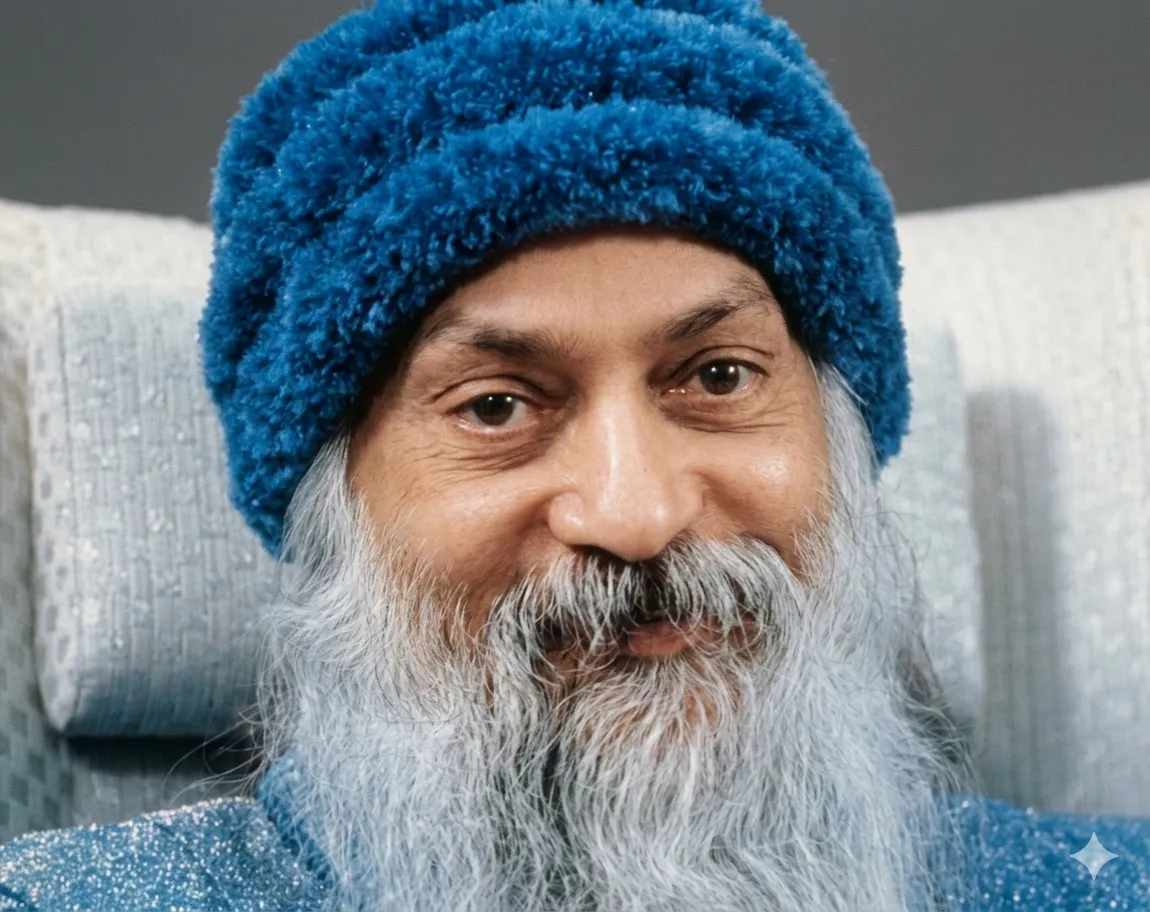
If you honestly own your mistakes without pride or bargaining for benefits, you won’t hate yourself; self-hate comes from grudging or fake admissions.
From the Discourses
Passages where Osho speaks to this question — each links to the complete discourse.
Osho, you said that the acceptance of sin gives birth to worthiness. But can it not also give birth to self-abasement? Please explain.
If the acceptance of sin truly happens, self-abasement can never be born. Self-abasement arises because you do not want to accept, and yet you are forced to accept. Understand the difference between these two. What you want is to be supremely wise. You want the world to know you as a great knower. Within yourself you already believe you are; only others have not recognized it yet. In time they will; people are ignorant, foolish—that’s why they don’t see your great wisdom. Otherwise, of course, you are supremely wise. There is an Arab saying: at the final moment of sending each creature into the world, God calls them close and makes one last joke, whispering in their ear, “I have never made anyone greater than you.” And each person carries this within all life long. If he tells anyone, people laugh—because God has played the same joke on them too.…
तीसरा प्रश्न: ओशो, आपने कहा कि पाप की स्वीकृति से पात्रता का जन्म होता है। लेकिन उसी से आत्मदीनता का जन्म भी तो हो सकता है। कृपया समझाएं।
पाप की स्वीकृति अगर हो जाए तो आत्मदीनता का जन्म कभी नहीं हो सकता। आत्मदीनता का जन्म होता है, क्योंकि स्वीकार तुम करना नहीं चाहते और स्वीकार करना पड़ता है। इन दोनों बातों में फर्क समझ लेना। चाहते तो तुम यह थे कि तुम महाज्ञानी होते। चाहते तो तुम यही हो, लेकिन दादू कहते हैं, अपने अज्ञान को स्वीकार कर लो। अज्ञानी तुम हो। चाह तुम्हारी यह है कि दुनिया जाने कि तुम महाज्ञानी हो। अपने मन में तो तुम मानते ही हो कि तुम महाज्ञानी हो। दूसरों को अभी पता नहीं। समय पर पता चल जाएगा। लोग नासमझ हैं, अज्ञानी हैं, इसलिए तुम्हारे महाज्ञान को नहीं समझ पा रहे हैं। अन्यथा ऐसे तो तुम महाज्ञानी हो। अरब में कहावत है कि परमात्मा हर संसार में भेजने वाले प्राणी को पास बुला कर अंतिम विदा के क्षण में एक मजाक कर देता है। कान में कह देता है: तुम से महान व्यक्ति मैंने कभी बनाया ही नहीं। और वह हर व्यक्ति अपने मन में जीवन भर ढोता है। किसी से कहे तो लोग हंसते हैं, क्योंकि उनको भी वही मजाक परमात्मा ने किया है। …
The sleeping person is like that. All day he seems perfectly fine, not a flicker of anger. Suddenly he slaps his son: “Why are you late?” You think, “He’s fine most of the time.” No—that slap shows that the rest of the time he only creates the appearance of being fine. He is not fine, he cannot be fine, because this could not emerge from a truly fine man. A man suddenly plunges a knife into someone’s chest; we say, “Till yesterday he was a good man—utterly good.” Granted he seemed utterly good; but it was an appearance. The sleeping person can only produce the appearance of goodness. Evil is his destiny; it will show itself. He can hold it back for a moment or two, teeter this way and that, but it will show. Do you realize that you are holding yourself together all the time?
In the same context I ask, Osho, what is sin and what is virtue?
If the inner lamp of awareness is lit, then whatever actions happen are virtue. If the inner lamp is extinguished, then whatever actions happen are sin. Understand this! No act in itself is sin or virtue. Sin and virtue depend on the doer. No act is intrinsically sin or virtue. Generally we believe that acts are good or bad—this act is bad, that act is good. That is not the case. A person whose inner lamp is out cannot truly do a good act—it is impossible. It may look as if he is doing good. He can imitate the actions of those whose lamps are lit. But even in imitation his motive will be contrary. If he builds a temple, it won’t be for the Divine; it will be for his own name or his father’s—he will get the name inscribed. If he gives charity, he will be anxious whether…
इसी संदर्भ में पूछा है कि ओशो, पाप क्या है और पुण्य क्या है?
भीतर दीया जला हो चैतन्य का, तो जो कर्म होते हैं वे पुण्य हैं। भीतर दीया बुझा हो, तो जो कर्म होते हैं वे पाप हैं। समझ लेना आप! कोई कर्म न तो पाप होता है, न पुण्य होता है। पुण्य और पाप करने वाले पर निर्भर होते हैं। कोई कर्म पाप और पुण्य नहीं होता। आमतौर से हम यही मानते हैं कि कर्म पुण्य और पाप होते हैं। यह काम बुरा है और वह काम अच्छा है। यह बात नहीं है। जिस आदमी के भीतर का दीया बुझा है वह कोई अच्छा काम कर ही नहीं सकता। यह असंभव है। दिख सकता है कि अच्छा काम कर रहा है। जिनके भीतर दीये जले रहे हैं उनके कर्मों का अनुकरण कर सकता है। लेकिन अनुकरण में भी वासना उसकी विपरीत होगी। अगर वह मंदिर बनाएगा, तो वह परमात्मा का नहीं होगा, अपने पिता का होगा, उनका नाम लिखवा देगा। अगर वह किसी को दान देगा, तो फिकर में होगा कि अखबारनवीस, जर्नलिस्ट आस-पास हैं या नहीं। वे खबर छापते हैं या नहीं छापते। वह दान प्रेम और करुणा नहीं होगी, वह भी अहंकार का प्रकाशन होगा। अगर वह किसी की सेवा करेगा, तो वह सेवा सेवा नहीं होगी। …
Osho, you have earlier said, “Live moment to moment, live in the present.” Now you are saying, “Return to the past.” What should we do?
So it is with the mind—there are ruts. The past means endless grooves. However much you understand, your intellect agrees, you make decisions, you resolve—at the moment of resolve you feel something is going to change. But not even an hour passes before your decision breaks. Then only self-condemnation is produced, nothing else. Your saints, your fakirs, your priests and pundits—most of the time they only succeed in producing self-condemnation in you, nothing else. Their words are logically correct. You cannot even say they are wrong; you have to admit they are right. In that admission you take a decision. But against what are you deciding? Inside are grooves carved since who knows when, deep tracks. Walking in them has become a habit. It is easy to walk in them. They will pull you again and again. The meaning of returning into the past is: these grooves must be erased.…
दूसरा प्रश्न: ओशो, आपने पहले कहा है, क्षण-क्षण जीयो, वर्तमान में जीओ। अब आप कह रहे हैं, अतीत में लौटो। हम क्या करें?
ठीक मन पर लीकें हैं। अतीत का अर्थ है, अनंत लीकें। तो आप कितनी ही बातें समझ लेते हैं; बुद्धि सहमत हो जाती है; निर्णय ले लेते हैं; संकल्प कर लेते हैं। और जब संकल्प करते हैं, तब सोचते हैं कि कुछ होने-जाने वाला है। घड़ी भी नहीं बीत पाती कि जो आपने निर्णय लिया था, वह टूट जाता है। और तब सिर्फ आत्मग्लानि पैदा होती है, और कुछ भी नहीं। आपके संत, आपके फकीर, आपके पंडित-पुरोहित, आप में सिर्फ आत्मग्लानि पैदा करवा पाते हैं और कुछ भी नहीं। क्योंकि उनकी बातें तो तर्कयुक्त हैं। आप भी कह नहीं सकते कि वे गलत कह रहे हैं। स्वीकार करना पड़ता है कि ठीक कह रहे हैं। उस स्वीकृति में आप निर्णय लेते हैं। लेकिन निर्णय किसके खिलाफ ले रहे हैं! न मालूम कितनी लंबी लकीरें भीतर हैं, गहरे खांचे हैं। उनमें चलने की आदत हो गई है। उनमें चलना सुगम है। …
Question: Final question: Osho, I am a great sinner—save me! Ego even in sin—“a great sinner”! Will small-time sin not do? Man’s ego is such that even if he speaks of sin, he wants to see himself as a great sinner. If someone else comes along and says, “I’m a bigger sinner than you,” a quarrel will start—“Who do you think you are? What do you take yourself for? Bigger and more sinful than me? No one is a bigger sinner than I am.” Man must be great—wherever he is. If it’s wealth, he must be the wealthiest. If it’s position, he must hold the highest office. And if it’s sin, that will also do. But one thing must be there—“great”! What sin have you committed? Picked a pocket? Robbed somewhere? Killed someone? “Great sin!” What great sin could it be? All small acts, all petty.
आदमी का अहंकार ऐसा है कि अगर पाप की भी बात करे तो भी अपने को महापापी मानना चाहता है। अगर कोई दूसरा तुम्हें मिल जाए और कहे मैं तुमसे भी बड़ा पापी हूं, तो झगड़ा हो जाएगा--कि तू है किस खेत की मूली? तूने अपने को समझा क्या है? मुझसे बड़ा और पापी तू, मुझसे बड़ा पापी कोई भी नहीं है। आदमी को बड़ा होना ही चाहिए, जहां भी हो। धन हो तो सबसे बड़ा धनी होना चाहिए। पद हो तो सबसे बड़ा पद होना चाहिए। और अगर पाप हो तो भी चलेगा। लेकिन एक बात तो होनी ही चाहिए--महापापी! क्या पाप किया है तुमने? किसी की जेब काट ली होगी? कहीं डाका डाल दिया होगा। किसी की हत्या कर दी होगी।. महापाप! क्या महापाप किया होगा? सब छोटे-छोटे कृत्य हैं। सब क्षुद्र हैं।