
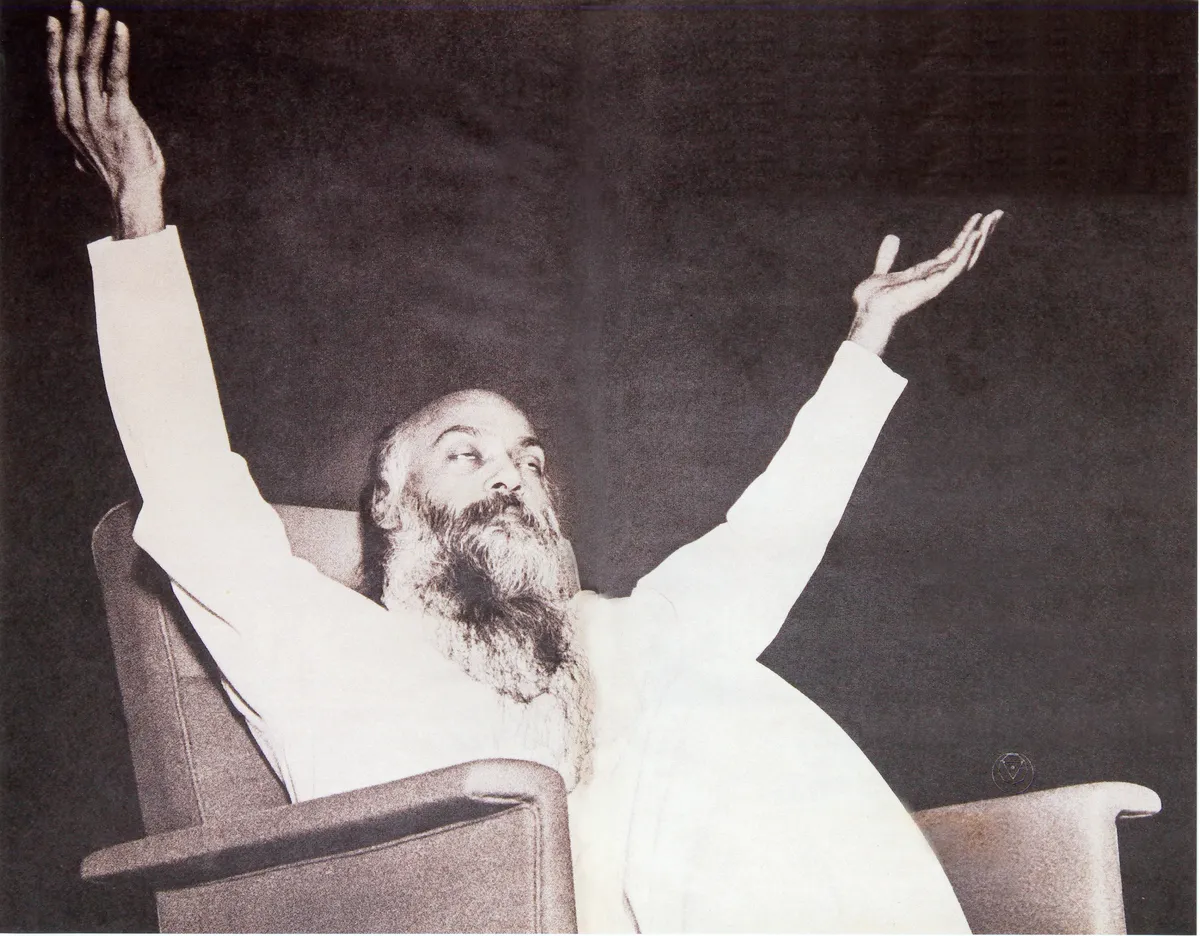
God waits for you to ask and be ready; he won’t force gifts on you, so Sudama had to come and offer first.
From the Discourses
Passages where Osho speaks to this question — each links to the complete discourse.
Osho, a small question about Sudama. It was only when Sudama came to Krishna to ask for something that he was given sovereignty over the three worlds. But before that, why did Krishna give Sudama nothing? He was so poor—the poor fellow!
In this world nothing is simply given. In this world nothing is obtained without seeking; it has to be searched for. God is present right here, and it is not that he is unaware of your pain—but you are standing with your back turned. And you have that much freedom: if you wish, you can take God; if you wish, you can refuse. The day you find him, you may complain to God, “Until I sought you, why did you not seek me?” But God will say, “To force myself upon you would also be a kind of bondage.” Freedom means precisely this: that what we seek can come to us, and what we do not seek does not. Remember, nothing in this world is had without seeking; it must be sought. What Sudama is like is not the main issue; Sudama could even have refused. I believe that had…
ओशो, सुदामा के संबंध में एक छोटा सा प्रश्र्न आया है। जब सुदामा कृष्ण के पास कुछ लेने आए तभी तीन लोक का साम्राज्य दिया गया। लेकिन उसके पहले कृष्ण ने सुदामा को क्यों कुछ नहीं दिया? वह गरीब तो बहुत था बेचारा!
इस जगत में मिलता कुछ भी नहीं है। इस जगत में मिलता कुछ भी नहीं है, खोजना पड़ता है। भगवान तो यहीं मौजूद है और ऐसा नहीं कि आपकी पीड़ा का उसको पता नहीं है, लेकिन आप पीठ करके खड़े हैं। और इतनी स्वतंत्रता आपको है कि आप चाहें तो भगवान को लें और चाहें तो न लें। जिस दिन आपको मिलेगा, उस दिन आप भगवान से शिकायत कर सकते हैं कि जब तक मैंने तुझे नहीं खोजा, तूने ही मुझे क्यों न खोज लिया? लेकिन भगवान उस दिन कहेगा कि जबरदस्ती तेरे ऊपर हावी हो जाऊं, वह भी परतंत्रता हो सकती है। स्वतंत्रता का अर्थ ही इतना है कि जो हम खोजते हैं वह हमें मिल सके, जो हम नहीं खोजते हैं वह न मिल सके। और ध्यान रहे, कुछ भी इस जगत में नहीं मिलता है बिना खोजे, खोजना ही पड़ता है। सुदामा कैसा है, यह सवाल बड़ा नहीं है। सुदामा इनकार भी कर सकता है। और मैं मानता हूं कि अगर कृष्ण देने गए होते सुदामा के घर, तो शायद इनकार भी कर देता। जरूरी नहीं था कि स्वीकार करता। सुदामा की तैयारी होनी चाहिए। यह सारी की सारी घटनाएं बहुत मनोवैज्ञानिक अर्थ रखती हैं। …
Questioner. I have again a small question in regard to sudama. When sudama came to krishna, he was given all the wealth of the world as a gift. How is it that krishna did not think of helping his indigent friend earlier?
In this world you have to search for and find everything you need; nothing is given gratis. God is everywhere, and it is not that he is not aware of your sufferings. But you have turned your back on him -- and you are free to do so. This much freedom you have that you can choose him or deny him. Now if you turn your face to God and find him, can you complain why he did not seek you before you sought and found him? If you complain, God will say that it would be a trespass on your freedom if he forced himself on you without your asking. Freedom means that I am entitled to find what I seek and not that which I don't seek. And remember, nothing in this world is had without seeking. Seeking is a must, and it is part of your freedom.…
Osho, you have earlier said, “Live moment to moment, live in the present.” Now you are saying, “Return to the past.” What should we do?
So it is with the mind—there are ruts. The past means endless grooves. However much you understand, your intellect agrees, you make decisions, you resolve—at the moment of resolve you feel something is going to change. But not even an hour passes before your decision breaks. Then only self-condemnation is produced, nothing else. Your saints, your fakirs, your priests and pundits—most of the time they only succeed in producing self-condemnation in you, nothing else. Their words are logically correct. You cannot even say they are wrong; you have to admit they are right. In that admission you take a decision. But against what are you deciding? Inside are grooves carved since who knows when, deep tracks. Walking in them has become a habit. It is easy to walk in them. They will pull you again and again. The meaning of returning into the past is: these grooves must be erased.…
दूसरा प्रश्न: ओशो, आपने पहले कहा है, क्षण-क्षण जीयो, वर्तमान में जीओ। अब आप कह रहे हैं, अतीत में लौटो। हम क्या करें?
ठीक मन पर लीकें हैं। अतीत का अर्थ है, अनंत लीकें। तो आप कितनी ही बातें समझ लेते हैं; बुद्धि सहमत हो जाती है; निर्णय ले लेते हैं; संकल्प कर लेते हैं। और जब संकल्प करते हैं, तब सोचते हैं कि कुछ होने-जाने वाला है। घड़ी भी नहीं बीत पाती कि जो आपने निर्णय लिया था, वह टूट जाता है। और तब सिर्फ आत्मग्लानि पैदा होती है, और कुछ भी नहीं। आपके संत, आपके फकीर, आपके पंडित-पुरोहित, आप में सिर्फ आत्मग्लानि पैदा करवा पाते हैं और कुछ भी नहीं। क्योंकि उनकी बातें तो तर्कयुक्त हैं। आप भी कह नहीं सकते कि वे गलत कह रहे हैं। स्वीकार करना पड़ता है कि ठीक कह रहे हैं। उस स्वीकृति में आप निर्णय लेते हैं। लेकिन निर्णय किसके खिलाफ ले रहे हैं! न मालूम कितनी लंबी लकीरें भीतर हैं, गहरे खांचे हैं। उनमें चलने की आदत हो गई है। उनमें चलना सुगम है। …
Osho, when I first met you I knew nothing at all. I don’t know from where to where you have carried me! Solitude now feels sweet. Now there is nowhere to go and nowhere to come. Nothing to become and nothing to know. I have received so much, more than I was worthy of. So now, farewell and pranam. Who knows where today my boat has set sail—sailing, sailing, my boat sails. Some say it goes here, some say it goes there; I say, it goes to the Beloved’s village.
This is exactly what we all have done with God. We do not give thanks for what has been given. In those ten years he never once said thank you. But when fifty dollars were cut, he was angry, complaining, blazing. His fifty dollars are being cut? If you ask—first, you will not receive. And it is good that you do not—because whatever you ask is wrong. You cannot ask rightly. You are wrong; from the wrong only wrong asking can arise. In a neem tree only neem’s bitter fruit can grow; there is no possibility of the mango’s sweet fruit. What is not in your roots cannot appear in your fruits. If you are wrong, whatever you ask will be wrong. So first: you will not receive. And it is auspicious that you do not. It is God’s great compassion that what you ask is not granted. Sit sometime…
पहला प्रश्न: ओशो, मैं जब प्रथम-प्रथम आपको मिली थी तब कुछ भी तो पता नहीं था। न मालूम आपने कहां से कहां चला दिया! एकांत अब प्रीतिकर लगता है। अब तो न कहीं जाना है, न आना। न कुछ होना है और न कुछ जानना है। बहुत कुछ पाया, जिसके योग्य न थी। बस, अब तो अलविदा और प्रणाम। न जाने किधर आज मेरी नाव चली रे चली रे चली रे मेरी नाव चली रे कोई कहे यहां चली, कोई कहे वहां चली मैंने कहा पिया के गांव चली रे
… जो मिला है उसका हम धन्यवाद नहीं देते। उस दस साल में उसने कभी एक दिन धन्यवाद न दिया। लेकिन पचास डालर कम हुए तो वह नाराज था, शिकायत थी। और आगबबूला हो गया। उसके पचास डालर काटे जा रहे हैं? अगर तुमने मांगा तो पहली तो बात, मिलेगा नहीं। और शुभ है कि नहीं मिलता क्योंकि तुम जो भी मांगते हो, गलत मांगते हो। तुम सही मांग ही नहीं सकते। तुम गलत हो। गलत से गलत मांग ही उठ सकती है। नीम में केवल नीम की निबोरियां ही लग सकती हैं, आम के सुस्वादु फलों के लगने की कोई संभावना नहीं है। जो तुम्हारी जड़ में नहीं है, वह तुम्हारे फल में न हो सकेगा। तुम गलत हो तो तुम जो मांगोगे वह गलत होगा। तो पहली तो बात--मिलेगा नहीं। और शुभ है कि नहीं मिलता। परमात्मा की बड़ी अनुकंपा है कि तुम जो मांगते हो, वह नहीं मिलता। …
A friend has asked, Osho, when we pray to God we say: remove all my sorrow so that only happiness remains. And you have said happiness and sorrow are two sides of the same coin. Then what should we ask of God? What should we pray for?
As long as there is asking, no relationship with the Divine is established. Prayer is not asking. More rightly, prayer is thanksgiving, not demand. Prayer is not a demand for what has not been given; it is gratitude for the grace of what has been given—thanksgiving. Do not ask for anything. Your very asking will become a barrier between you and the Divine. For whenever we ask for something, what does it mean? It means that what we are asking for is greater than God. A man asks God for wealth. That means the goal is wealth; God is merely the means. A man asks for happiness. That means happiness is greater. It can be obtained from God—hence he asks God. But God has been reduced to a medium, merely a means. We want even God to serve us! Whenever we ask for something, the thing asked for becomes important;…
एक मित्र ने पूछा है, ओशो, प्रभु से प्रार्थना करते हैं, तो कहते हैं कि सारे दुख मेरे मिटा दे, सुख ही सुख शेष रह जाएं। और आपने कहा कि सुख और दुख एक ही सिक्के के दो पहलू हैं। तो प्रभु से हम क्या मांगें? क्या प्रार्थना करें?
जहां तक मांग है, वहां तक प्रभु से कोई संबंध स्थापित नहीं होता। प्रार्थना मांग नहीं है। ज्यादा उचित हो कि कहें, प्रार्थना धन्यवाद है, मांग नहीं। जो नहीं मिला है, उसकी मांग नहीं है प्रार्थना; जो मिला है, उसके अनुग्रह का धन्यवाद है, थैंक्स गिविंग है। कुछ मांगें मत। आपकी मांग ही आपके और परमात्मा के बीच में बाधा बन जाएगी। क्योंकि जब भी हम कुछ मांगते हैं तो उसका अर्थ क्या होता है? उसका अर्थ होता है, जो हम मांग रहे हैं, वह परमात्मा से भी बड़ा है। एक आदमी परमात्मा से धन मांग रहा है। उसका अर्थ हुआ कि लक्ष्य धन है; परमात्मा तो केवल साधन है। एक आदमी सुख मांग रहा है। उसका अर्थ हुआ कि सुख बड़ा है। परमात्मा से मिल सकता है, इसलिए परमात्मा से मांग रहे हैं। लेकिन परमात्मा केवल माध्यम हो गया; परमात्मा केवल साधन हो गया। हम परमात्मा से भी सेवा ले रहे हैं!