
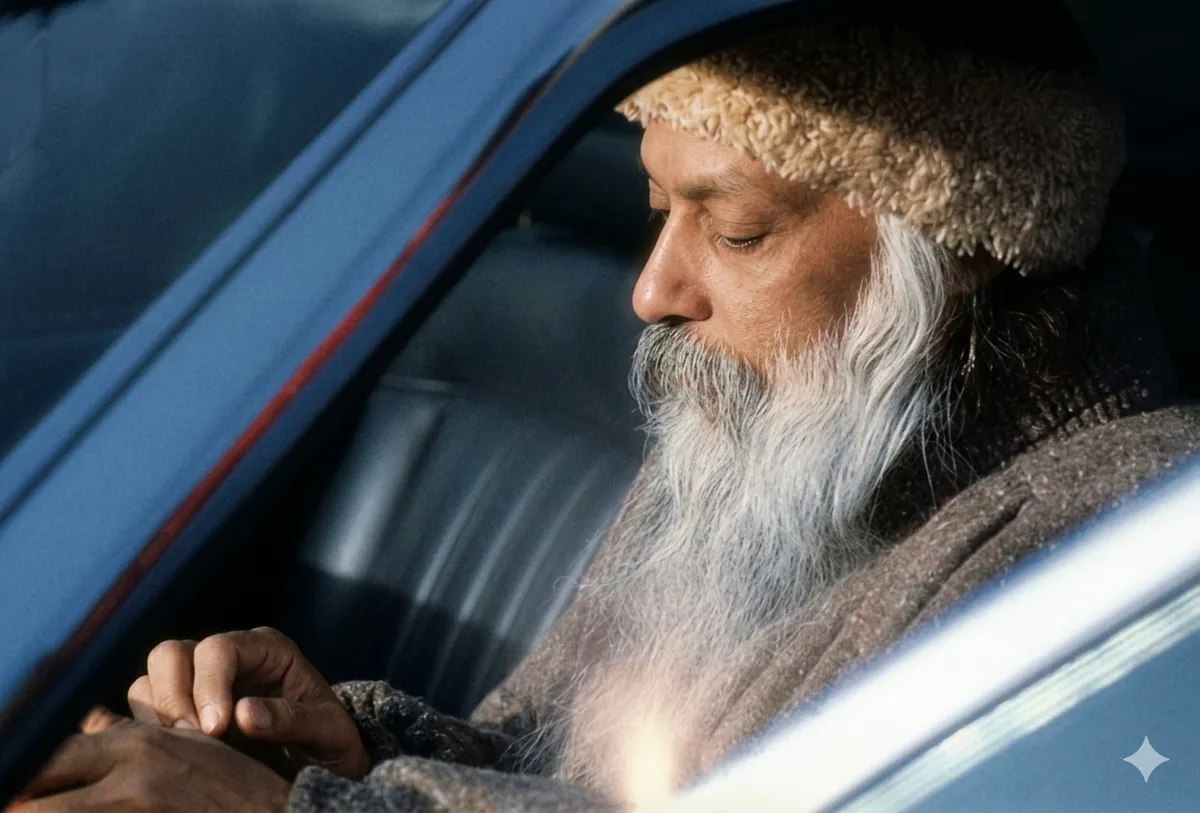
You feel clear after pain because you briefly stop making the mess; stay present and the rollercoaster fades.
From the Discourses
Passages where Osho speaks to this question — each links to the complete discourse.
Osho, at times I feel I am on the very peak of life. It seems that everything—the whole mystery of life—has been found. But then, in certain moments, I also experience a very dense sadness and helplessness. I cannot grasp what my real problem is.
As long as there are peaks, there will be valleys. As long as there is the longing for the peak, you will have to endure the melancholy of the valleys as well. One who has asked for pleasure has, along with it, asked for pain. And when pleasure comes, pain enters with it like a shadow. We change the names of our pleasures, but we do not become free of pleasure; and the one who is not free of pleasure will not be free of pain. Ashtavakra’s entire teaching is just this: be free of duality. Only the one who is free of duality arrives. The peak you think you have reached is the illusion of arrival—because there is no peak to arrive at. Arrival is a vast plain—neither height nor depth. Arrival is like a scale that has balanced: both pans exactly equal and the needle at rest. Or…
पहला प्रश्न: ओशो, मैं कभी जीवन के शिखर पर अनुभव करता हूं। ऐसा लगता है कि सब कुछ, जीवन का सब रहस्य पाया हुआ ही है। लेकिन फिर किन्हीं क्षणों में बहुत घनी उदासी और असहायता भी अनुभव करता हूं--मेरी वास्तविक समस्या क्या है, यह मेरी पकड़ में नहीं आता है।
… और सुख जब आया तो उसकी छाया की तरह दुख भी भीतर आ गया। हम सुख के नाम तो बदल लेते हैं, लेकिन सुख से हमारी मुक्ति नहीं हो पाती। और जो सुख से मुक्त नहीं, वह दुख से मुक्त नहीं होगा। अष्टावक्र की पूरी उपदेशना एक ही बात की है: द्वंद्व से मुक्त हो जाओ। जो निर्द्वंद्व हुआ, वही पहुंचा। जिस शिखर को तुम सोचते हो पहुंच गये, वह पहुंचने की भ्रांति है। क्योंकि पहुंचने का कोई शिखर नहीं होता। पहुंचना तो बड़ी समभूमि है। न ऊंचाई है वहां, न नीचाई है वहां। …
Question: The first question: Osho! Ah, what joy! Ah, what pain! ... Vinod Bharati, at first one is startled when it feels like this: such joy, such pain—together! They arise together; they can only arise together—in equal proportion. But the glory of bliss, its magic wand, is that it fills even pain with a new sweetness. Pain is no longer pain. A sannyasin, Bhavani Dayal—well known—returned to India after years of traveling in the West. In his autobiography he writes: I went on a pilgrimage to the Himalayas. A steep ascent, blazing noon, the sun like fire, the slope sheer—a struggle to take each step—drenched in sweat. Just ahead of me a mountain girl, no more than eleven or twelve, was climbing with her younger brother on her shoulder. The boy, though small—three or four at most—was pretty heavy, a sturdy hill child. The girl was dripping with sweat.
विनोद भारती, पहले तो चौंकना होता है, जब ऐसा लगता है: कितना आनंद, कितनी पीड़ा, साथ-साथ! साथ-साथ ही घटते हैं। साथ-साथ ही घट सकते हैं। बराबर अनुपात में घटते हैं। लेकिन आनंद की महिमा यही है, उसकी जादुई छड़ी यही है कि वह पीड़ा को भी एक नये माधुर्य से भर देता है। पीड़ा भी पीड़ा नहीं रह जाती। एक संन्यासी वर्षों तक पश्चिम की यात्रा करके भारत वापस आया। प्रसिद्ध संन्यासी था, भवानी दयाल। उसने अपनी आत्मकथा में लिखा है कि मैं हिमालय की यात्रा पर गया। पहाड़ की चढ़ाई, बड़ी चढ़ाई, भरी दोपहर, सूरज जैसे आग उगलता, सीधा पहाड़, एक-एक कदम चढ़ना मुश्किल, पसीने से लथपथ। और मेरे सामने ही एक पहाड़ी लड़की, नहीं थी ज्यादा उम्र उसकी, होगी कोई ग्यारह-बारह साल की, अपने भाई को कंधे पर बिठाए चढ़ रही थी पहाड़। और भाई यूं तो छोटा था, होगा ज्यादा से ज्यादा तीन-चार साल का, लेकिन काफी मोटा और तगड़ा। पहाड़ी बच्चा, वजनी। लड़की लथपथ थी। भवानी दयाल ने लड़की के पास जाकर कहा, बेटी, बहुत बोझ लगता होगा।
A friend has asked: Osho, if events happen in nature and feelings in man, then when one attains siddhi and experiences one’s separateness, do bodily pain and mental anguish stop?
This needs a little understanding. First, understand the difference between pain and suffering. If a thorn pricks your foot, two things happen. One is pain. Pain means you experience that there is hurt in the foot. I know there is hurt in the foot. You are the knower. The pain happens in the foot; you are the seer of it. You are the witness. This does not mean that if you are a witness and someone pricks your foot you will feel no pain. Do not fall into that illusion. There will be pain, because the prick of a thorn is an event. But there will be no suffering. Keep this distinction in mind. Suffering happens when I become one with the pain. When I say, “A thorn is pricking me,” then suffering happens. When I say, “A thorn is pricking the foot—and I am seeing it,” then there is…
एक मित्र ने पूछा है कि ओशो, यदि प्रकृति में घटनाएं होती हैं और पुरुष में भाव, तो क्या जब कोई सिद्धि को प्राप्त हो जाता है और अनुभव कर लेता है अपनी पृथकता को, तो उसके शरीर में दुख और मन में पीड़ा बंद हो जाती है?
पहली तो बात यह समझनी पड़े कि दुख और कष्ट का फर्क। अगर आपके पैर में कोई कांटा चुभाए, तो दो घटनाएं घटती हैं। एक घटना है, कष्ट। कष्ट का अर्थ है कि आप अनुभव करते हैं कि पैर में पीड़ा हो रही है। मैं जान रहा हूं कि पैर में पीड़ा हो रही है। आप जानने वाले होते हैं। पीड़ा पैर में घटित होती है, आप देखने वाले होते हैं। आप साक्षी होते हैं। इसका यह मतलब नहीं कि आप साक्षी होंगे, तो कोई आपके पैर में कांटा चुभाए तो आपको पीड़ा नहीं होगी। इस भ्रांति में आप मत पड़ना। पीड़ा होगी। कष्ट होगा। क्योंकि कांटे का चुभना एक घटना है। लेकिन दुख नहीं होगा। इस फर्क को खयाल में ले लें। …
Osho, when I listen to you I become very sad seeing the futility of my life. Deliver me! Save me!
Soon this atmosphere will smile… Wait a little. Do not be frightened by sadness. Do not suppress it. Do not plaster it over. Do not quickly blow breath again into your dead hopes. Do not water hopes that have died. Soon this atmosphere will smile… These eyes that have become sad—they will smile. Just wait. …soon light will appear. Now everything has gone dark; do not be afraid. It is from just such darkness that one reaches the light. When false lamps go out, there is darkness. But if you sit in that darkness, and remain seated, then true lamps will be lit. Certainly they are lit. True lamps are already burning, but your eyes have grown accustomed to recognizing false lamps; that is why it takes a little time. Have you not seen? When you come home returning from the bright outside, the house seems dark. Sit a little,…
पहला प्रश्न: ओशो, मैं आपको सुनता हूं तो अपने जीवन की व्यर्थता देख कर बहुत उदास हो जाता हूं। मुझे उबारें! मुझे बचाएं!
झूठे दीये बुझ गए तो अंधेरा हो जाता है। लेकिन इसी अंधेरे में अगर तुम बैठे रहे, बैठे रहे, तो सच्चे दीये जलेंगे। निश्चित जलते हैं। सच्चे दीये जल ही रहे हैं, लेकिन तुम्हारी आंखों की आदत झूठे दीयों को पहचानने की हो गई है, इसलिए थोड़ी देर लगती है। तुमने देखा नहीं, बाहर रोशनी में से आते हो घर लौट कर तो घर में अंधेरा मालूम होता है! थोड़ी देर बैठे कि फिर अंधेरा नहीं मालूम होता। बाहर की रोशनी के आदी हो गए, घर लौटे तो आंखों को नया समायोजन करना पड़ता है। आंखों को बदलाहट करनी पड़ती है। थोड़ा समय लगता है। बैठ गए, थोड़े सुस्ता लिए, आराम किए, फिर घर में रोशनी दिखाई पड़ने लगती है।
Osho, living in the ashram I feel very blissful; but sometimes, suddenly, I become sad. What is this sadness that comes and goes? Please explain.
Even so, Ranjan will sometimes remember. The husband may not remember. In America, a husband whose wife has gone off to India—will he remember! For him it’s like the cat’s luck finding the cream pot open. He must be tasting freedom. But Ranjan—she has a woman’s heart—sometimes worry will come, and sadness will seize her. Watch that sadness with witnessing. Gradually it will disappear. And if ever you do go back home, go only as a witness. Do not go before that. So that there, too, you can see it all as a dream—whether sweet or bitter. Whatever happens outside in this world has no ultimate value. What happens within is the only value. Ranjan, look to the inner! Unfurl, O petals—open your fragrant doors. On the little couch of the far horizon dawn has awakened, the sky has smiled. The splendor of the rising sun is scattered on the…
दूसरा प्रश्न: ओशो, आश्रम में रह कर बहुत आनंदित हूं; पर कभी-कभी अचानक उदास हो जाती हूं। यह उदासी क्या है, जो आती है और चली जाती है? कृपया समझाएं।
लेकिन फिर भी रंजन को कभी-कभी याद आ जाती होगी। पति को शायद याद न भी आती हो। अमरीका में कोई पति हो और पत्नी हिंदुस्तान चली आए--उसको कहीं याद आने वाली पत्नी की! यह तो बिल्ली के भाग्य से छींका टूटा! स्वतंत्रता अनुभव कर रहे होंगे। लेकिन रंजन को, स्त्री का हृदय है, कभी-कभी चिंता आती होगी, उदासी पकड़ लेती होगी। उस उदासी को साक्षीभाव से देखना। धीरे-धीरे समाप्त हो जाएगी। और अगर कभी जाना भी हो तुझे वापस घर अपने, तो साक्षी होकर ही जाना। उसके पहले जाना नहीं। ताकि वहां भी देख सके कि सब सपना है--अच्छा हो तो, बुरा हो तो। इस जगत में जो भी बाहर हो रहा है, उसका कोई भी मूल्य नहीं है। जो भीतर हो रहा है, वही एकमात्र मूल्यवान है। रंजन, भीतर की सुध ले! मुकुल दल खोलो सुरभित द्वार। दूर क्षितिज की लघु शय्या पर, ऊषा जागी, विहंसा अंबर। बिखरा वैभव उदयाचल का, सरिता के ढुलमुल जल कन पर उज्ज्वल जग का कोना-कोना, ओ मेरे सुकुमार।