
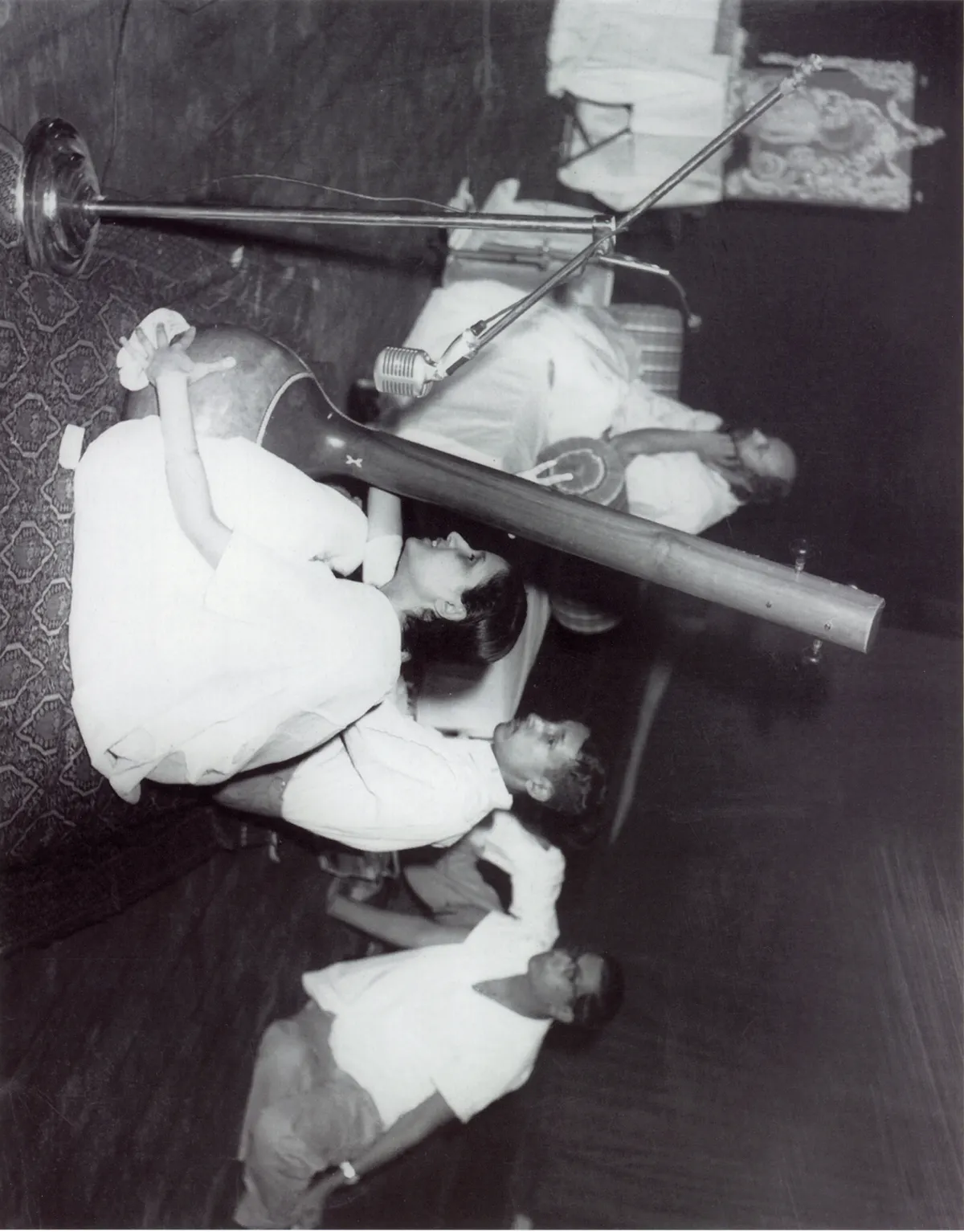
We avoid what’s simple—just being ourselves—because the mind loves hard adventures and fears it will vanish if we sit quietly and look inside.
From the Discourses
Passages where Osho speaks to this question — each links to the complete discourse.
Osho, the path of simplicity is the second one. What is it?
The first path is to try to be simple, to make an effort, to practice it. Cultivated simplicity is always false. Because to practice, by its very meaning, is to practice against your own mind; otherwise, what is the practice against? If being naked is blissful for me, I will not call it practice. If wearing clothes is blissful for me and then I start practicing being naked, will nakedness be a “practice”? And if being naked is simply blissful—if wearing clothes never gave me the joy that comes from being naked—then no one would call it a practice. It is my joy. We practice only that which is contrary to us; practice means repression. Practice is inevitably repression. And wherever effort is required, against whom is that effort made—against oneself? No effort made against oneself can ever win. How could it win? Who would win? How can I win…
ओशो, सरलता का मार्ग तो दूसरा है। वह क्या है?
पहला मार्ग तो यह है कि सरलता की चेष्टा करो, एफर्ट करो, साधो। साधी हुई सरलता सदा झूठी होती है। क्योंकि साधने का मतलब ही होता है, अपने चित्त के खिलाफ साधना, नहीं तो साधना किसके खिलाफ है? अगर मुझे नंगा होना आनंदपूर्ण है तो इसको मैं साधना नहीं कहूंगा। अगर मुझे कपड़ा पहना आनंदपूर्ण है और फिर नंगे होने का अभ्यास करूं तो नंगा होना साधना होगी? और अगर नंगा होना मुझे सिर्फ आनंदपूर्ण है, यानी कपड़ा पहने मुझे वह आनंद कभी आया ही नहीं, जो नंगा होने में आता है, तो इसको कोई साधना नहीं कहेगा। यह मेरा आनंद है। साधते हम उसी को हैं, जो हमारे विपरीत है। यानी साधते हम वही हैं, जिसमें दमन करना पड़ता है। साधना अनिवार्य रूप से दमन है। और जिसमें हमें प्रयास करना पड़ता है, उसमें हम किसके खिलाफ प्रयास करेंगे—अपने खिलाफ? और अपने खिलाफ कोई भी प्रयास कभी भी नहीं जीत सकता। क्योंकि जीतेगा कैसे? कौन जीतेगा? मैं ही कैसे जीत जाऊंगा अपने खिलाफ! …
Jesus says the kingdom of god is within you... But we are running everywhere else. We are going everywhere else except in. Meditation is simply a strategy to turn your outgoing consciousness into an ingoing consciousness. It is a way of turning in. All my efforts here are to turn you on and to turn you in. [Live in the mind and you inhabit a madhouse Osho told his newest swami.] The mind goes on driving you crazy for the simple reason that it has many contradictory desires. In fact each desire in the mind is always balanced by its opposite. Mind lives in a constant struggle, conflict. For example you want to be with someone, you love someone, and at the same time you want to have your own space, you want to be alone.
Osho, you always praise a simple, innocent consciousness. What is this simplicity, this innocence?
The man said, “Then send me to the Indian one; I don’t want the German.” That difference was enough. The Germans refined it further—they read your scriptures and perfected them. German intellect knows how to refine things, arrange them, run everything by the clock. Even in the ashram I have given the electricity work to Haridas—a German sannyasin. However many times Pune’s electricity fails, the ashram’s does not. Let Pune fail, but not the ashram. Haridas takes great care; he has arranged everything—automatic generators: the moment the power fails, they kick in; you can’t even tell there was a failure. Where has this been learned? This much evil in the world—your saints had already arranged for it in the scriptures. Hell for others, heaven for themselves. These are not marks of simple-hearted people. A simple person—why would he think of hell and heaven? He has no such notions, no such…
पहला प्रश्न: ओशो, आप सरल, निर्दोष चित्त की सदा प्रशंसा करते हैं। यह सरलता, यह निर्दोष चित्तता क्या है?
जर्मनों ने और भी परिष्कार कर लिया। पढ़े तुम्हारे ही शास्त्र और उनको और परिष्कृत कर लिया। जर्मन बुद्धि चीजों में परिष्कार करना जानती है और व्यवस्था देना जानती है और हर चीज को गणित के हिसाब से चलाना जानती है। आश्रम की बिजली का काम भी मैंने हरिदास को दिया है--एक जर्मन संन्यासी को। पूना में बिजली कितनी ही दफे फेल हो, आश्रम में नहीं होने देता। पूना में होती रहे फेल, लेकिन आश्रम में फेल नहीं होने देता। हरिदास इसकी फिक्र पूरी करता है, उसने इंतजाम कर रखा है पूरा। जनरेटर लगा रखे हैं आटोमेटिक, कि इधर बिजली फेल हुई कि जनरेटर पर बिजली फौरन शुरू हो जाती है। पता ही नहीं चल पाता कि आश्रम में कभी कोई बिजली फेल होती है। अब किसी भारतीय को मैंने भी नहीं दिया वह काम। यह सीखा कहां से होगा? यह जो इतनी दुष्टता दुनिया में है, यह तुम्हारे संत-महात्माओं ने पहले ही इसका आयोजन शास्त्रों में कर रखा है। नरक औरों के लिए, स्वर्ग अपने लिए। …
The eyes cannot approach it, neither can speech nor mind. We do not, therefore, know it, nor do we know how to teach it. It is different from what is known and it is different from what is unknown. Thus we have heard from our predecessors who instructed us about it. What speech cannot reveal but what reveals speech -- know thou that alone as brahman and not this -- anything objective -- that people worship here. What mind does not comprehend but what comprehends the mind -- know thou that alone as brahman and not this that people worship here.
God is not indubitable. Remember this: God is not indubitable. He can be doubted -- not only doubted, he can be disproved. And really, when someone doubts God you cannot prove his existence. You can only convince those who are already convinced, but you cannot convert a new man; that is impossible. Not a single atheist can be converted because he needs proof and you cannot prove God. God is not indubitable. He can be doubted, rejected. The whole hypothesis can be said to be false. There is no proof that can help. So Descartes goes on discussing, inquiring, and he says that unless he comes to a point, to something in existence that is indubitable.... Not that it can be proved -- no. Rather, it cannot be doubted. And ultimately he comes to the self and says that the self is a greater reality than God. It is, because…
Osho, Master Shuzan raised his short staff and said: If you call it a short staff, you oppose its truth. And if you do not call it a short staff, you deny the fact. Now tell me, what would you like to call it? Osho, kindly explain the intent embedded in this Zen master's riddle.
As human opinion changes, beauty and ugliness change. What is beautiful? What is ugly? There is no definitive yardstick; it depends on your intellect. The intellect lives by comparison, so the very moment you see something you start comparing. This Zen master says to his disciple: do not compare—and without comparison, tell me what this is. He says: if you call it a short staff, you oppose truth—because in truth there is no comparison; comparison is of the mind. As long as mind remains, you will not know truth. Truth is incomparable. It is neither beautiful nor ugly; neither auspicious nor inauspicious; neither good nor bad. There is no division—there is only “is-ness.” Will you call this entire existence beautiful or ugly? Good or bad? People have called it one thing or another: the theist says “absolutely good—God created it.” The atheist says, “How can it be good with so…
ओशो, सदगुरु शुजान ने अपना छोटा डंडा उठाया और कहा: ‘अगर तुम इसे छोटा डंडा कहते हो, तो तुम इसके सत्य का विरोध करते हो। और अगर तुम इसे छोटा डंडा नहीं कहते हो, तो तुम इसके तथ्य को अस्वीकारते हो। अब कहो, तुम इसे क्या कहना पसंद करोगे?’ ओशो, झेनगुरु की इस पहेली में निहित अभिप्राय समझाने की अनुकंपा करें।
आदमी का विचार बदलता है, सौंदर्य बदल जाता है, कुरूपतायें बदल जाती हैं। क्या सुंदर है? क्या कुरूप है? निर्णायक कोई मापदंड नहीं है। तुम्हारी बुद्धि पर निर्भर है। बुद्धि तुलना से जीती है। इसलिए तुम देखते भी नहीं हो किसी चीज को कि तत्क्षण तुलना करते हो। यह झेन गुरु अपने शिष्य से कह रहा है कि तुलना मत करना, और बिना तुलना किए कहना कि यह क्या है! कह रहा है अगर तुमने इसे छोटा डंडा कहा, तो सत्य का विरोध हो गया। क्योंकि सत्य में कोई तुलना नहीं है; तुलना मन में है। इसलिए मन के रहते तुम सत्य को न जान पाओगे। सत्य अतुल्य है, इनकम्पेरेबल है। वह न सुंदर है न कुरूप है; न शुभ न अशुभ; न अच्छा न बुरा; वहां कोई भेद नहीं है। वह सिर्फ ‘है’। होना मात्र उसका लक्षण है। इस पूरे अस्तित्व को तुम सुंदर कहोगे या कुरूप? अच्छा कहोगे या बुरा? लोगों ने कुछ न कुछ कहा है। आस्तिक कहता है बिलकुल अच्छा, क्योंकि भगवान ने बनाया; नास्तिक कहता है, इतने युद्ध, इतनी बीमारी, बच्चे सड़ते मरते हैं, कैंसर है, टी. बी. है, कैसे अच्छा? …