
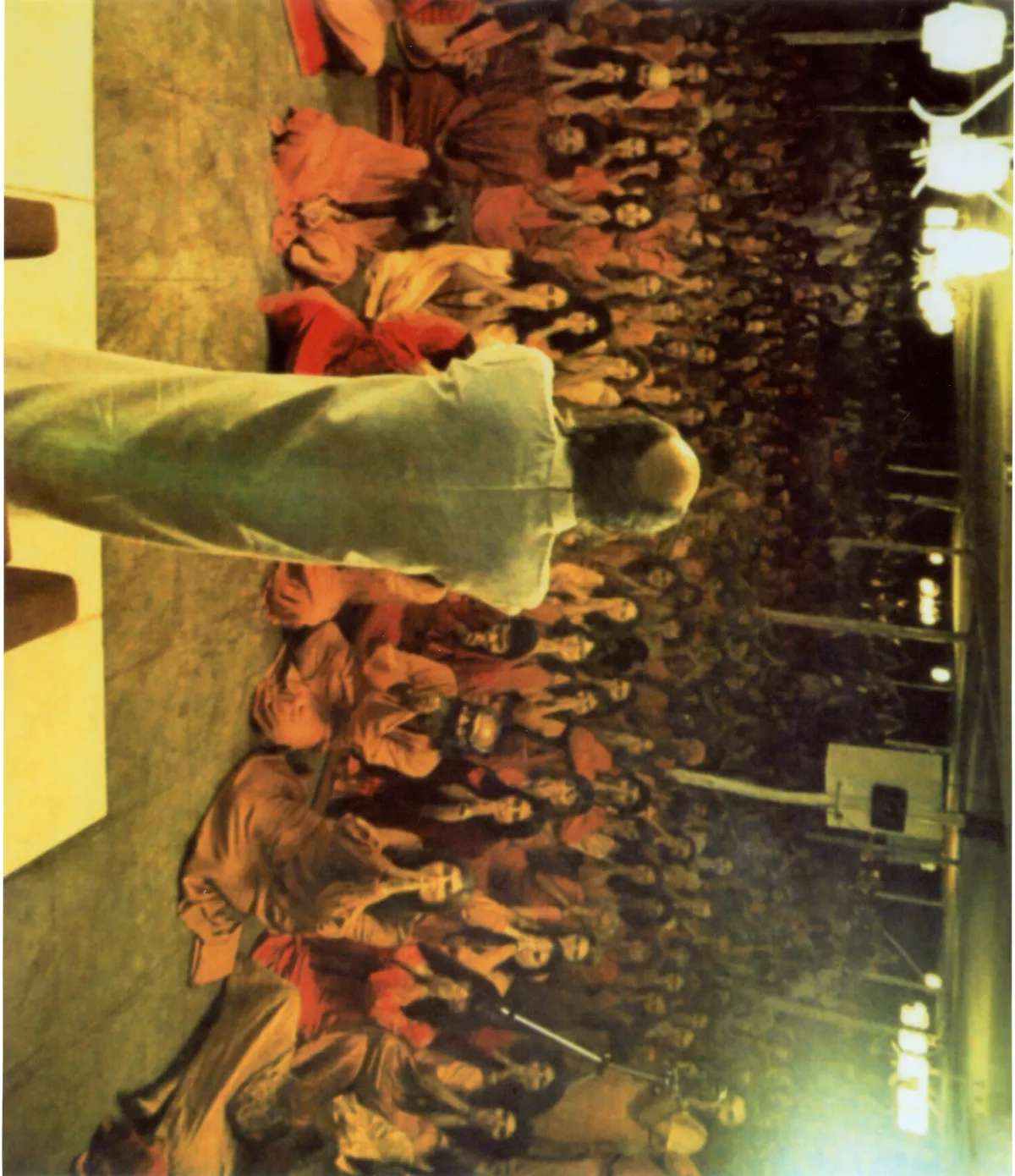
He was naked to better ‘talk’ with the universe, not to make a moral point, because clothes get in the way.
From the Discourses
Passages where Osho speaks to this question — each links to the complete discourse.
Osho, was Mahavira’s nakedness a part of his character or of his vision?
There are many facets. In fact—as I said last night—Mahavira had to do many things that don’t occur to us. If they did occur to us, we would immediately see what belongs to what. His nakedness is a part of Mahavira’s knowing—of his realization—not of his character. It is a part of his knowing because, as I said, if one is to relate to this vast cosmos, this mute existence, then even clothing becomes an obstacle. Clothes are such a great hindrance we scarcely even suspect it. And the newer the fabrics, the greater the hindrance. The latest materials sever your body completely from the surrounding environment; very little comes in, very little goes out. Different fabrics do different things. Cotton separates in one way, silk in another, wool in yet another. Newer fabrics—those with plastic or glass-like components—break the contact in still other ways. So for one who wants…
प्रश्न: ओशो, महावीर की नग्नता चरित्र का अंग था या दर्शन का अंग?
बहुत सी बातें हैं। असल में, महावीर को--जैसा मैंने रात कहा--बहुत सी बातें महावीर को करनी पड़ रही हैं, जो हमारे खयाल में नहीं हैं। वे खयाल में आ जाएं तो हमें पता चल जाएगा कि किस बात का अंग था। वह महावीर के ज्ञान का अंग है--नग्नता जो है--चरित्र का नहीं। ज्ञान का अंग इसलिए है कि जैसा मैंने कहा कि अगर यह जो विस्तीर्ण ब्रह्मांड है, यह जो मूक जगत है, इससे संबंधित होना है तो वस्त्र तक बाधा है। वस्त्र इतनी बड़ी बाधा है, जिसका हमें कोई खयाल भी नहीं आता। और जितने नये वस्त्र पैदा होते जा रहे हैं, उतनी ज्यादा बाधा है। नवीनतम जो वस्त्र हैं, वे चारों तरफ के वातावरण से आपके शरीर को बिलकुल तोड़ देते हैं। उनमें से बहुत कम भीतर जाता है, बहुत कम बाहर आता है। अलग-अलग वस्त्र अलग-अलग काम करता है। सूती वस्त्र अलग तरह से तोड़ता है, रेशमी वस्त्र अलग तरह से तोड़ता है, ऊनी वस्त्र अलग तरह से तोड़ता है। नये जो वस्त्र हैं, जिनमें किसी तरह से प्लास्टिक मिला हुआ है या कांच मिला हुआ है, वे और तरह से तोड़ते हैं।
Even after the sadhana ended, for six months the signs of womanhood remained. People would be amazed—what has happened? If such a thing is possible, then anyone who saw him in those days could have written—he was a woman. My own understanding is—this person may have begun as a woman when entering the world of sadhana; but the path chosen was masculine, and it transformed everything—personality and body. And now we also know scientifically that the body can change through intense states of mind, and totally through total states. Those who seized the fact wrote—she was a woman. Those who saw the transformation—wrote he was a man. To clutch fact blindly is dangerous. One must have an eye for truth; facts change every day. That you are a man or woman is a fact, not a truth. Truth is that which does not change.
साधना पूरी हो जाने पर भी छह महीने तक उन पर स्त्री के चिह्न रहे। छह महीने तक उनको देख कर लोग बड़े हैरान हो जाते थे कि इनको क्या हो गया, यह क्या हो गया? अगर यह संभव है, तो फिर कोई अगर उन दिनों में उनको देखा हो तो लिख सकता है, वे स्त्री थे। अब मेरा अपना जानना ऐसा है कि वह व्यक्ति स्त्री ही रही होगी, जब वह साधना के जगत में प्रविष्ट हुई। लेकिन जो साधना चुनी, वह पुरुष की साधना है। और उस साधना ने पूरा का पूरा रूपांतरण किया होगा। न केवल व्यक्तित्व, बल्कि देह भी। और अब तो हम जानते हैं वैज्ञानिक ढंग से भी कि देह बदल सकती है, तीव्र मनोभावों से देह बदल सकती है। और पूर्ण मनोभाव से तो पूरी देह बदल सकती है। तो जिन्होंने तथ्य पकड़ा होगा, उन्होंने देखा होगा कि स्त्री थी। तो स्त्री रही उनकी किताब में। और जिन्होंने रूपांतरण देखा होगा, उनके लिए पुरुष हो गई। तथ्य को एकदम से अंधे की तरह पकड़ लेना खतरनाक है। सत्य पर नजर होनी चाहिए, तथ्य रोज बदल जाते हैं। यह तथ्य है कि आप पुरुष हैं या स्त्री हैं, यह सत्य नहीं है। …
There can be no prestige higher than God’s; but in the shelter of the search for truth, if even God stands in the way, He too must be set aside. In the research Mahavira undertook into truth, many things stood as screens. The prestige of the Veda was there—and in this land the Veda was no less prestigious than God. It was the word of God. One should say, it was more prestigious than God. Even if God Himself were to return and speak against the Veda, God would be rejected and the Veda accepted—the Veda was the supreme word. Mahavira rejected the Veda, for he said that only experience can be supreme; words cannot be supreme. And all the prestigious traditions—Mahavira struck at them. The brahmin was prestigious; Mahavira changed the whole definition of brahmin.
ईश्र्वर की प्रतिष्ठा से और बड़ी कोई प्रतिष्ठा नहीं हो सकती; लेकिन सत्य के खोजी की आड़ में अगर ईश्र्वर भी आता हो तो उसे भी हटा देना आवश्यक है। महावीर सत्य के जिस अनुसंधान में लगे थे, बहुत सी बातें आड़ में थीं। वेद की प्रतिष्ठा थी। और वेद ईश्र्वर से कम प्रतिष्ठित नहीं था इस देश में। ईश्र्वर का वचन था। कहना चाहिए ईश्र्वर से भी ज्यादा प्रतिष्ठित था। अगर ईश्र्वर भी वापस आ जाए और वेद के खिलाफ बोले, तो ईश्र्वर अस्वीकृत हो जाएगा, वेद स्वीकृत रहेगा। वेद परम वचन था। महावीर ने वेद को अस्वीकार कर दिया। क्योंकि उन्होंने कहा कि अनुभूति ही परम हो सकती है, शब्द परम नहीं हो सकते। और महावीर ने जो-जो प्रतिष्ठित परंपरा थी, सब पर आघात किए। ब्राह्मण प्रतिष्ठित था। महावीर ने ब्राह्मण की पूरी व्याख्या बदल दी। उस समय कोई सोच भी नहीं सकता था कि शुद्र भी अपने कर्म से ब्राह्मण हो सकता है, ब्राह्मण भी अपने कर्म से शूद्र हो सकता है। …
Osho, at the beginning of the new discourse series ‘Saheb Mil Saheb Bhaye’ we welcome you, bow to you, and request you to tell us why the Divine is called ‘Saheb’ (Master).
Man sleeps even deeper than that. Disturb his sleep and he becomes enraged. You want someone to sing lullabies, to deepen your slumber; to teach you “how to sleep better.” Your priests oblige—they increase your darkness, and you are pleased. The Master disturbs you—hence you are upset. He reminds you of your supreme nature: Saheb mil Saheb bhaye. He says: Meet the Master—be the Master. You are the Master; just awaken, and you will be it now. Why does man refuse even the declaration of his godliness? The reason is simple: accept it and you must change your life at once. If you are standing on the street blowing smoke, then remember “Saheb mil Saheb bhaye”—how will it look? The Master smoking a bidi? Gambling, drinking—and the Master drinking? The Master contesting an election? The Master, hands folded before each voter begging for votes! You will feel ashamed: what kind…
ओशो, ‘साहेब मिल साहेब भये’ नई प्रवचनमाला के प्रारंभ में हम आपका स्वागत करते हैं, प्रणाम करते हैं और विनती करते हैं कि आप हमें बताएं कि परमात्मा को ‘साहेब’ क्यों कहते हैं?
आदमी भी करीब-करीब ऐसा ही सोया है, इससे भी गहरा सोया है। सब सोच-विचार एक तरफ, नींद भर तुम्हारी कोई तोड़े तो तुम एकदम नाराज हो जाते हो। तुम चाहते हो कि कोई लोरी गाए और तुम्हारी नींद को गहराए। तुम चाहते हो कि कोई अच्छे ढंग से सोने की विधि समझाए। तुम्हारे पंडित-पुरोहित यही करते हैं। वे तुम्हारे अंधकार को बढ़ाते हैं, घटाते नहीं। तुम उनसे प्रसन्न हो। सदगुरुओं से तुम हैरान, परेशान। क्योंकि वे तुम्हें जगाते हैं। और तुम्हारे परम स्वरूप का स्मरण दिलाना चाहते हैं। वह स्मरण करने में भी तुम्हें अड़चन है--साहेब मिल साहेब भये; वे कहते हैं: मिल जाओ साहेब से, हो जाओ साहेब। हो तो तुम साहेब, जरा जग जाओ तो अभी हो जाओ। कोई पूछ सकता है कि आखिर आदमी अपने परमात्मा होने की घोषणा से भी इनकार क्यों करता है? उसका भी कारण है। उसका कारण बहुत साफ है। अगर तुम अपने को परमात्मा होना स्वीकार करो तो तुम्हें अपना जीवन तत्क्षण बदलना होगा। …
Osho, how could the iconoclast Mahavira accept himself as the twenty-fourth Tirthankara of the most ancient Jina tradition? Please explain!
Within this revolutionary tradition, Mahavira is the most glorious, the most brilliant. Therefore his words are worth understanding and contemplating. He must have been uniquely revolutionary; for the Jainas have two sects—Digambara and Shvetambara. The Digambaras hold that not a single word of Mahavira remains, no scripture remains. That too is part of the revolution. They say, no scripture is Mahavira’s word. The words we have are from the Shvetambara compilations. The Digambaras have no compilations. It is astonishing that the Digambaras did not preserve! But that too belongs to their deep revolt: if you preserve words, today or tomorrow they become scripture; preserve them, and soon they become Veda. Hence the Digambaras did not preserve Mahavira’s words. It is an extraordinary rebellion against scripture. They revere Mahavira, but preserved no texts—only what was passed personally from master to disciple; they did not write it down. Therefore, for the Digambaras,…
पहला प्रश्न: ओशो, परंपरा-भंजक महावीर ने स्वयं को प्राचीनतम जिन-परंपरा का चौबीसवां तीर्थंकर क्योंकर स्वीकार किया होगा? कृपया समझाएं!
महावीर इस क्रांतिकारी परंपरा में सबसे ज्यादा महिमावान, सबसे बड़े मेधावी व्यक्ति हुए। इसलिए उनके शब्द समझने जैसे हैं, विचार करने जैसे हैं, क्रांतिकारी तो अनूठे रहे होंगे; क्योंकि जैनों के दो संप्रदाय हैं--दिगंबर और श्वेतांबर। दिगंबर तो मानते हैं, महावीर का कोई भी वचन बचा नहीं, कोई शास्त्र बचा नहीं। यह भी क्रांति का हिस्सा है। वे कहते हैं, कोई शास्त्र महावीर का वचन नहीं। ये जो वचन हैं, यह श्वेतांबरों के संग्रह से लिये गये हैं। दिगंबरों के पास कोई संग्रह नहीं है। यह बड़े आश्चर्य की बात है कि दिगंबरों ने बचाया क्यों नहीं! यह भी उसी गहरी क्रांति का हिस्सा है। क्योंकि अगर बचाओ शब्दों को, तो आज नहीं कल वे शास्त्र बन जाएंगे। बचाओ तो शास्त्र आज नहीं कल वेद बन जाएंगे। इसलिए दिगंबरों ने तो महावीर के वचन बचाए ही नहीं। …