
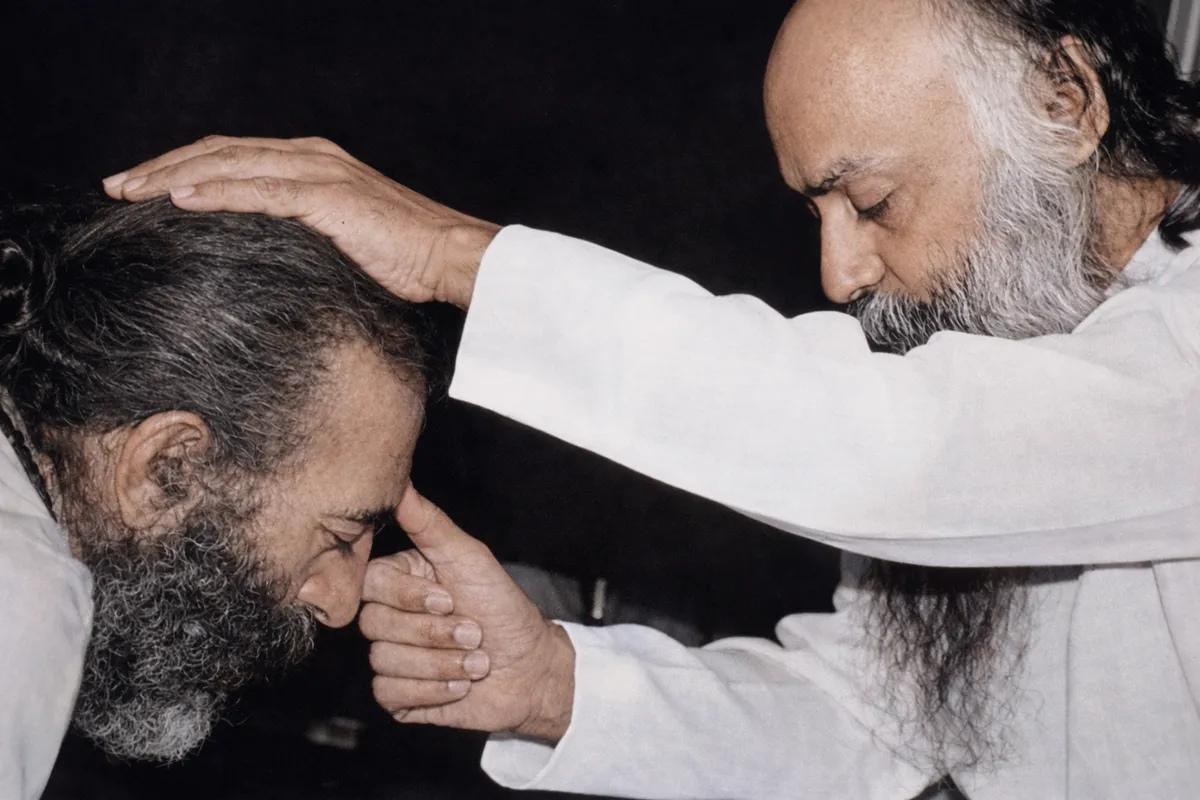
Osho's perspective on Communication
When Osho Spoke About Communication
Passages from the discourses where this theme comes alive.
Question: BELOVED OSHO, WHY CAN'T I HEAR YOU? AM I DEAF? You are not deaf. And you also hear me, but you are not listening. And you don't know the distinction between hearing and listening. Anybody who has ears can hear, but it is not necessary that he will be able to listen. For listening, something more is necessary than just having ears: a certain kind of silence, a serenity, a peace -- the heart standing behind the ears, not the mind. It is the mind which makes you almost deaf, although you are not deaf -- because the mind is constantly chattering, it is a chatterbox. Just sometimes sit in your room, close your doors, and write down whatsoever comes into your mind just to see what goes on in it.
Osho, even in your Hindi discourses seventy to eighty percent are Western sannyasins who do not know Hindi at all. It is surprising that you still speak with the same alertness, ease, and depth, as if the whole assembly understands the language. Does this not create any difficulty for you? Please be gracious and explain how this is possible.
Chinmaya! It is not a matter of language here; it is a matter of feeling. And those who understand the language—do they really understand? Mere comprehension of words does not make you understand. What is being said may be expressed through language, but it is not confined to language. It is communicated by means of words, but it is not of the words. Only when you connect through the heart, through feeling, will you understand. Many must wonder: those who do not understand Hindi—how could they be understanding? They may not grasp what I am saying, but they do understand what I am. And that is what is valuable. Not what is said, but where it is said from. My silence is the valuable thing. From that silence the words arise. Words are like ripples on a lake. Ripples are not the whole of the lake. The lake can be…
पहला प्रश्न: ओशो, आपके हिंदी प्रवचनों में भी सत्तर-अस्सी प्रतिशत वे पाश्चात्य संन्यासी होते हैं जिन्हें हिंदी-भाषा बिलकुल नहीं आती। आश्चर्य है कि आप फिर भी उसी तत्परता, सहजता और गहनता से बोलते हैं, मानो कि पूरी मंडली भाषा समझ रही हो। क्या आपको इस बात से कोई अड़चन नहीं आती? यह कैसे संभव है, यह समझाने की अनुकंपा करें।
चिन्मय! भाषा की यहां बात ही नहीं है, भाव की बात है। फिर भाषा जो समझते हैं, वे भी कहां समझ पाते हैं? भाषा समझने से ही तो नहीं समझ लोगे। जो कहा जा रहा है, वह भाषा में आबद्ध भला हो, भाषा में सीमित नहीं है। भाषा के द्वारा संवादित किया जा रहा हो, लेकिन भाषा का ही नहीं है। भाव से जुड़ो तो ही समझ में आएगा। अनेक को यह प्रश्न उठता होगा मन में कि जो हिंदी-भाषा नहीं समझ रहे हैं, वे कैसे समझ रहे होंगे? मैं जो बोल रहा हूं उसे वे नहीं समझेंगे, लेकिन मैं जो हूं उसे वे समझेंगे। और वही मूल्यवान है। जो कहा जा रहा है, वह नहीं, वरन जहां से कहा जा रहा है, वह। मेरी चुप्पी मूल्यवान है। उसी चुप्पी से शब्द निर्मित हो रहे हैं। शब्द तो ऐसे हैं जैसे झील पर तरंगें। …
When I am with you I am speechless. If eel my mouth and throat become inappropriate and almost lose their function. Yet language is my best implement also my best weapon and without it I feel crippled. Am I as foolish as I feel to be squandering these chances of talking to you?
Your gestalt has to change. That is the difference between a student and a disciple: a change of gestalt, a change of attention, of focusing, a shift. The student listens to the word; the disciple listens to the gap between two words. The student reads the lines; the disciple, between the lines. If to a student I give an empty book, he will not be able to understand it. But if to a disciple I give an empty book, THE NOTHING BOOK, he will preserve it as a treasure. In the Sufi tradition there is a book called THE BOOK OF THE BOOKS. Nothing is written in it; empty pages, almost three hundred empty pages. You go on reading, but you can never finish it. It has been passed from one generation of masters to another. It has been lovingly preserved, worshipped, because it says nothing, but it shows much.…
Osho, you say one thing and people understand something else. Why?
Narottam! If it were otherwise, that would be the surprise. You speak; the listener carries his past, his memory, his vested interests. The words are yours, but the meanings will be his. You cannot claim ownership over the meanings. Say what you have to say, but he will hear what he wants to hear—and even from that hearing, he will extract only the meaning he wants to extract. So don’t be annoyed. Present your point; then let him understand whatever he understands. What will you do? What can you do? If you say something more, he will take that too to mean something else. There is no end to it. Often it happens that you want to say something—with goodwill, with love, with compassion—and when you see the other has understood it all wrong, it hurts deeply. It feels as if he is being dishonest knowingly, as if he is…
चौथा प्रश्न: ओशो, कहो कुछ और लोग समझते कुछ और ही हैं। ऐसा क्यों?
नरोत्तम! ऐसा न होता तो आश्चर्य होता। कहते तुम हो; समझने वाला अपना अतीत लिए है, अपनी स्मृति लिए है, अपने न्यस्त स्वार्थ लिए है। शब्द तुम्हारे हैं, अर्थ तो उसके होंगे! तुम उसके अर्थ की मालकियत नहीं कर सकते। तुम्हें जो कहना हो कहो, मगर उसे जो सुनना है वही सुनेगा। और फिर सुनने में से भी अर्थ वही निकालेगा जो उसे निकालना है। इसलिए नाराज न होना। तुम निवेदन कर देना अपनी बात, फिर वह जो समझे समझे। तुम क्या करोगे? तुम कर भी क्या सकते हो? तुम फिर कुछ कहोगे, उस कुछ से भी वह कुछ और समझेगा। इसका कोई अंत नहीं है। लेकिन ऐसा बहुत बार होता है, तुम कुछ कहना चाहते हो--सदभाव से, प्रेम से, करुणा से--और जब तुम देखते हो दूसरा कुछ का कुछ समझ गया तो बड़ी चोट लगती है। …
Can we provide an answer?
definitionHow should I send my questions?
practiceIs everything said only through words?
definitionWhat does 'good' mean in communication?
definitionProfound Quotes on Communication
Explore our structured collection of meaning-mapped quotes regarding Communication.