
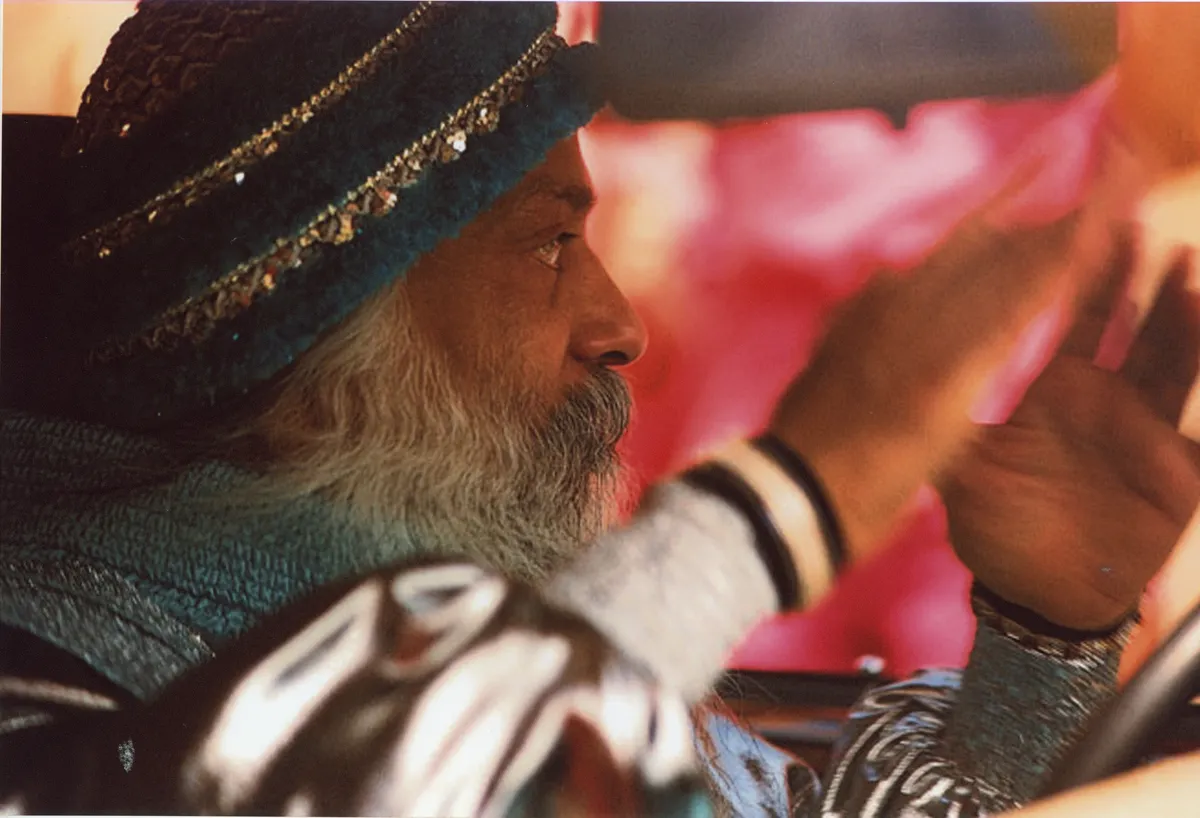
Osho's perspective on Judgment
When Osho Spoke About Judgment
Passages from the discourses where this theme comes alive.
Osho, then what is good and what is bad—should a person judge it for himself?
There is no other way. And judging is not very difficult. First, look at what you cannot come to rest upon. You are often more childish than a child. The body has an age; spiritual age is another matter entirely—and often it hasn’t grown at all. Then people go on doing childish things. An old man hoarding money—take him for a child, because the act is childish. What is he doing? Death stands before him, and the man is putting more locks on his safe. Pure child’s play. Little children play with dolls; a grown man carries a whole wedding procession of Lord Ram—with all the dolls arranged—parading and making a racket. He is still a child. He has made different kinds of dolls, given them big, respectable names. But his mental age has not grown. Within us there are many ages, many layers of age. My quest, my appeal,…
Is there a difference between the real self and no-self
That's why I say this country thinks it is religious. It is not! It believes in things. There are two kinds of people in this country, but both believe in things. One kind is called the worldly: that kind goes on accumulating things. The other kind is called the other-worldly, spiritual, religious: he goes on renouncing things. But both are focused on things, both concentrate on thing -- one to possess, one to dispossess. But their eyes remain focused on things. I call this country one of the most materialistic countries in the world. But it is living in a great illusion, and the illusion is created because the people who renounce things appear to be religious. It is not a question of possessing things or renouncing things. A religious person is one who has started living in the world of no-things, who knows how to love, how to pray,…
But what is good, what is bad? What is good, what is bad—will a person judge for himself?
Because that is not the real question. The question is not “how many?” It is that many compulsions force you to stay and suffer. I am saying: wherever the mind says, “Run, run—further, further,” and wherever you reach it gives you pain—that is bad. And wherever the mind says, “Here, not there; even if it takes time, here—here is bliss—where I am,” that is good. Where you are not, deception is possible; where you are, there is no deception. There, when you arrive, you will know. If this begins to get clear—even though the distinction is subtle—if you keep experimenting a little, keeping a small inner checking going twenty-four hours a day: “This act I just did—did it give me joy or pain? In the place I arrived at—did I want to stay or to leave?”—keep such a small test running. In two to four months it will become so…
प्रश्न: मगर क्या अच्छा, क्या बुरा? क्या अच्छा, क्या बुरा, क्या इनसान खुद ही जज करेगा?
क्योंकि यह सवाल है। सवाल यह नहीं है। सवाल यह नहीं कि कितना? मजबूरियां हैं बहुत तरह की जो, जिनकी वजह से आप रुकते हैं और दुख झेलते हैं। मैं यह कहता हूं, मन जहां से कहता है— भागो, भागो, और आगे, और आगे। और जहां-जहां पहुंचते हैं, वहीं-वहीं दुख देता है—वहां बुरा है। और जहां मन कहता है: यहां, वहां नहीं, और देर तो ठीक है। यहां, यहां आनंद है—जहां मैं हूं। अब धोखे की क्या बात है? वहां धोखा हो सकता है, क्योंकि वहां मैं नहीं हूं। जब मैं पहुंचुंगा, तब पता चलेगा। यहां, इस वक्त। अगर यह हमें साफ होने लगे, डिस्ंिटकशन तो इतना बारीक है लेकिन अगर थोड़ा हम प्रयोग करते रहें और दिन के चौबीस घंटे में जांच-पड़ताल थोड़ी सी भीतर जारी रखें, कि यह जो मैंने एक्ट किया है, यह मुझे सुख दिया या दुख दिया। मैंने...यह जो पहुंचा जिस जगह मन की मैं, यहां मैं रुकना चाहता था, कि हट जाना चाहता था, ऐसी एक छोटी परख चलती रहे। …
I heard you say existence is non-judgmental, but our minds are full of judgments. Where do they come from? Are they also related to the idea of god?
Existence is non-judgmental. That is one of the greatest contributions of Zen to humanity: that you need not be a saint to be awakened. You can be awakened from any angle, from any dimension of life. It is almost like somebody is dreaming that he is murdering someone, and somebody else is dreaming a very sweet dream that he is serving the poor people. Somebody is dreaming that he is very virtuous, a saint, and somebody is dreaming that he is a murderer, the worst kind of criminal. Do you think the saintly dreamer will wake up sooner, and the sinner and the criminal will take a little longer time to wake up? They will both wake up exactly at the same time, by the same method. Just throw one bucket full of ice-cold water on both and they will jump out of their beds. It does not matter whether…
How to stop judging others?
practiceWhat is the distinction between good and bad, and should a person judge it for themselves?
definitionWhy do I judge so much?
definitionProfound Quotes on Judgment
Explore our structured collection of meaning-mapped quotes regarding Judgment.