
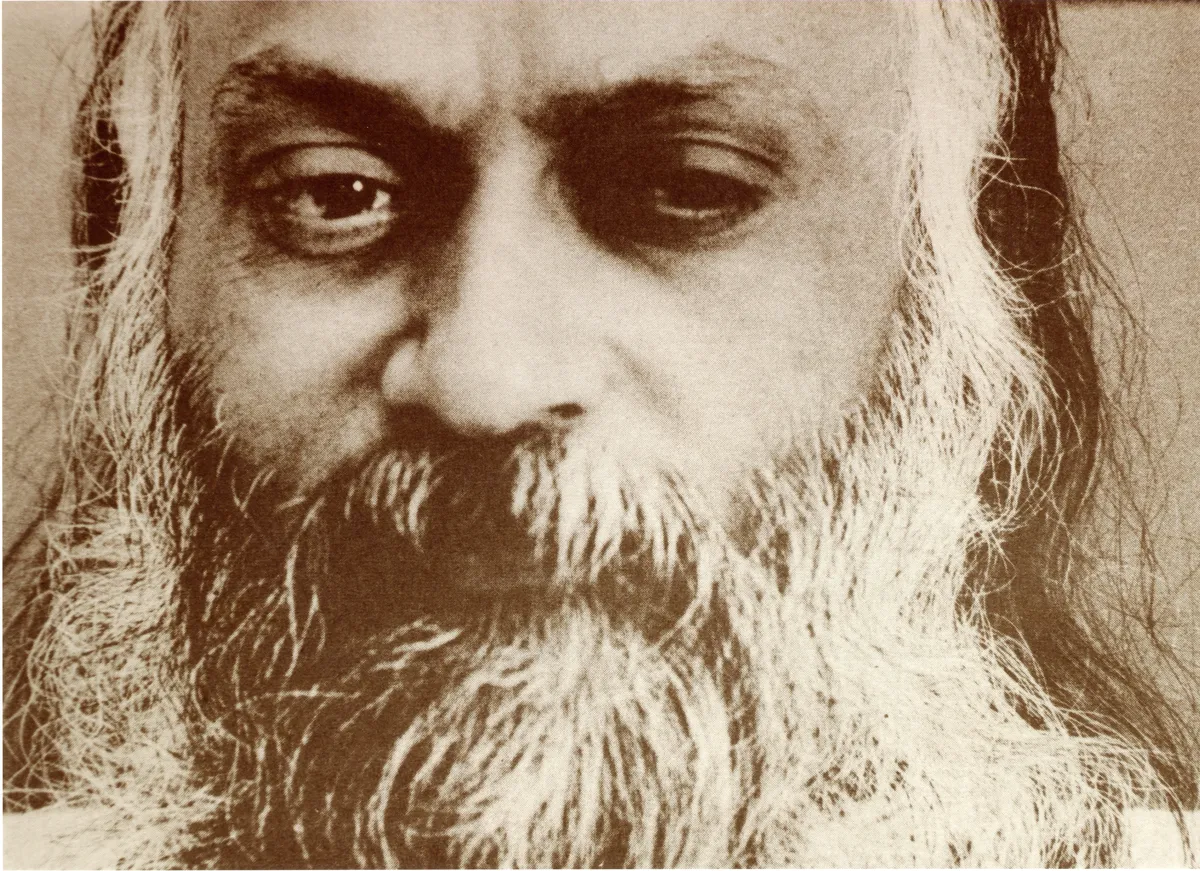
Osho's perspective on Intoxication
When Osho Spoke About Intoxication
Passages from the discourses where this theme comes alive.
Osho, was Chaitanya’s dance and kirtan also an intoxication?
No. Through kirtan and bhajan Chaitanya certainly attained exactly what I am talking about. Chaitanya danced his way to that which Buddha and Mahavira attain by standing still. Both ways are possible. There are two ways to catch hold of the axle-pin. One way is to become so still that no vibration remains in you—utterly unmoving, steady, in a state of just standing; then you reach the pin. The other way is to move so totally, to be in such velocity, that the whole wheel runs and the pin becomes obvious. The second is easier. When the wheel spins fast, it’s easy to spot the pin. Very few can recognize the pin when the wheel is still. Mahavira recognizes it by standing still; Krishna, by dancing. And Chaitanya danced more than even Krishna. There is simply no comparison. There has perhaps been no dance like Chaitanya’s on this earth. The…
ओशो, चैतन्य का नृत्य-कीर्तन भी क्या इनटॉक्सीकेशन था?
ये दोनों बातें हो सकती हैं। कील को पकड़ने के दो रास्ते हो सकते हैं। एक रास्ता तो यह हो सकता है कि आप इतने खड़े हो जाएं कि आपमें कोई कंपन ही न रह जाए। कंपन ही न रह जाए कोई, इतने ठहरे हो जाएं, इतने थिर हो जाएं, जस्ट स्टैंडिंग की हालत रह जाए--तो उस हालत में आप कील पर पहुंच जाएंगे। या दूसरा रास्ता यह है कि आप इतने मूवमेंट में हो जाएं, इतनी गति में हो जाएं कि चाक पूरा चल पड़े और कील पहचान में आ जाए। आसान दूसरा ही होगा। चाक जोर से चले तो कील को पहचानना आसान होगा। बहुत कम लोग हैं जो खड़े हुए चाक में और कील को पहचान पाएं। महावीर खड़े होकर पहचानते हैं, कृष्ण नाच कर। और चैतन्य तो कृष्ण भी जितना नहीं नाचे उतना नाचे हैं। चैतन्य का तो कोई मुकाबला नहीं। चैतन्य के नृत्य का तो कोई हिसाब ही नहीं है। शायद पृथ्वी पर ऐसा कोई नाचा ही नहीं। पर ध्यान में लेने की बात इतनी ही है कि हमारे भीतर दो...हमारी परिधि जो है, गतिमान है, परिवर्तन है वहां; और हमारी जो गहरी आत्मा है वहां शाश्र्वतता है, इटरनिटी है, वहां कोई परिवर्तन नहीं, वहां सब चुप और शांत और सदा खड़ा रहा है, वह कील की भांति है, वह थिर है। उस थिर को, उस परिवर्तन-अतीत को किस भांति पहचान लें!
Osho, Gurdjieff used to ply his disciples with abundant alcohol to know their innermost being. And when they got intoxicated he would listen carefully to what they said. Why don’t you do the same?
Krishnatirth, you silly fellow! And what do you think I’m doing? I pour it every day—morning and evening. What Gurdjieff poured was gross; what I pour is subtle. And the intoxication of the subtle goes far deeper. The gross can only reach the gross. Grape wine cannot go beyond the body. But there are other wines that go beyond the body. Those I am giving you: there is the wine of music, the wine of silence, the wine of meditation. And the supreme one, the Vedas called soma. Centuries have passed—countless people have been searching for soma. Scientists have tirelessly investigated in the ravines and mountains of the Himalayas: from which plant was soma produced? To this day no one has discovered how soma was made, what soma was. They will not discover it either—because soma is not something gross. Soma was obtained in the presence of the seers, by…
पहला प्रश्न: ओशो, जार्ज गुरजिएफ अपने शिष्यों का अंतरतम जानने के लिए उन्हें भरपूर शराब पिलाया करता था। और जब वे मदहोश हो जाते थे तो उनकी बातों को ध्यान से सुनता था। आप भी ऐसा क्यों नहीं करते हैं?
कृष्णतीर्थ! तुम बुद्धू के बुद्धू रहे! और मैं क्या कर रहा हूं? रोज पिलाता हूं, सुबह पिलाता हूं, सांझ पिलाता हूं। गुरजिएफ जो पिलाता था, वह स्थूल है। मैं जो पिला रहा हूं, वह सूक्ष्म है। और सूक्ष्म का नशा ज्यादा गहरे तक जाता है। स्थूल का नशा तो स्थूल तक ही जाएगा। अंगूर की शराब शरीर के पार नहीं जा सकती। लेकिन और भी शराबें हैं, जो देह के पार जाती हैं। वही तुम्हें पिला रहा हूं। संगीत की भी शराब है, मौन की भी शराब है, ध्यान की भी। और जो श्रेष्ठतम है, उसे वेदों ने सोमरस कहा है। सदियां हो गईं, न मालूम कितने लोग सोमरस की तलाश में रहे हैं! …
During my dancing meditation I kept having flashes about what you said concerning the society, drugs, etc. And wondering that now that I am intoxicated by the ultimate drug, you, Osho, can anyone take that away from me? Bring me down from that eternal high?
No one except you. You can destroy it, nobody else. It is totally your creation. You can destroy it or you can nourish it. Remember it, because it is very difficult to move on heights. We are not attuned for heights, we are attuned for crawling on the earth. That's why whenever you attain to a high you cannot remain on that altitude for long. Sooner or later you descend back into the dark valley of your life. Then it becomes just a memory. Not only that, it becomes a frustration because now you know that height is possible. And you have lost your path, you are back in the valley. In fact, you were better before, in a way -- you had not known the height, you had not known the light, so you were thinking that the valley is the only life. Now that you have tasted something…
Osho, you sit in the tavern and, every morning and evening, you pour brimming goblet after goblet of wine. I do get intoxicated by your wine, but I don’t lose consciousness. What should I do?
That is why even a Sufi like Omar Khayyam has been misunderstood. Whatever notion you have about Omar Khayyam is wrong. The wine he spoke of is not the wine sold in taverns. The beloved he praised is not flesh-and-bone. He called the Beloved—God. And he called wine—devotion. Fitzgerald, who first translated Omar Khayyam into English, because of whom Omar became world-famous, did not understand him. Fitzgerald thought wine meant wine. He was a Western man. He took two plus two to be four. He took “wine” as wine and “beloved” as beloved. The subtle intention of the Sufis fell into a great misunderstanding. On the basis of Fitzgerald’s version the whole world translated him, and the mistake spread everywhere. Today taverns are named “Omar Khayyam.” Nothing could be more foolish. Temples should bear Omar Khayyam’s name—not taverns. Because the tavern he spoke of is of another kind. There is…
पहला प्रश्न: ओशो, आप मधुशाला में बैठ कर रोज सुबह और शाम भर-भर कर शराब के जाम पर जाम देते हैं। मैं आपकी शराब से मस्त तो होता हूं, पर होश नहीं खोता। क्या करूं?
इसीलिए उमर ख्य्याम जैसा सूफी फकीर भी गलत समझा गया। उमर खय्याम के संबंध में जो भी तुम्हारी धारणा है, सब गलत है। उसने जिस शराब की बात कही है, वह शराबखानों में बिकने वाली शराब नहीं है। उसने जिस प्रेयसी की बात कही है, वह हाड़-मांस-मज्जा की प्रेयसी नहीं है। उसने ‘प्रेयसी’ परमात्मा को कहा है। और उसने शराब ‘भक्ति’ को कहा है। फिट्जराल्ड ने, जिसने उमर खय्याम का सबसे पहले अंग्रेजी में अनुवाद किया और जिसके कारण उमर खय्याम जगत-विख्यात हुआ, उमर खय्याम को समझा ही नहीं। फिट्जराल्ड तो शराब का मतलब शराब समझा। पश्चिमी आदमी था। उसने तो दो और दो चार समझे। उसने तो शराब को शराब समझा और प्रेयसी को प्रेयसी समझा। सूफियों का अपूर्व मंतव्य ऐसे एक बड़ी गलतफहमी का शिकार हो गया। फिर फिट्जराल्ड के अनुवाद के आधार पर सारी दुनिया की भाषा में अनुवाद हुए और सब जगह भूल फैलती चली गई। आज तो शराबघरों के नाम उमर खय्याम हैं। इससे ज्यादा नासमझी और कुछ नहीं हो सकती।
Do you partake of intoxicating beverages?
definitionProfound Quotes on Intoxication
Explore our structured collection of meaning-mapped quotes regarding Intoxication.