
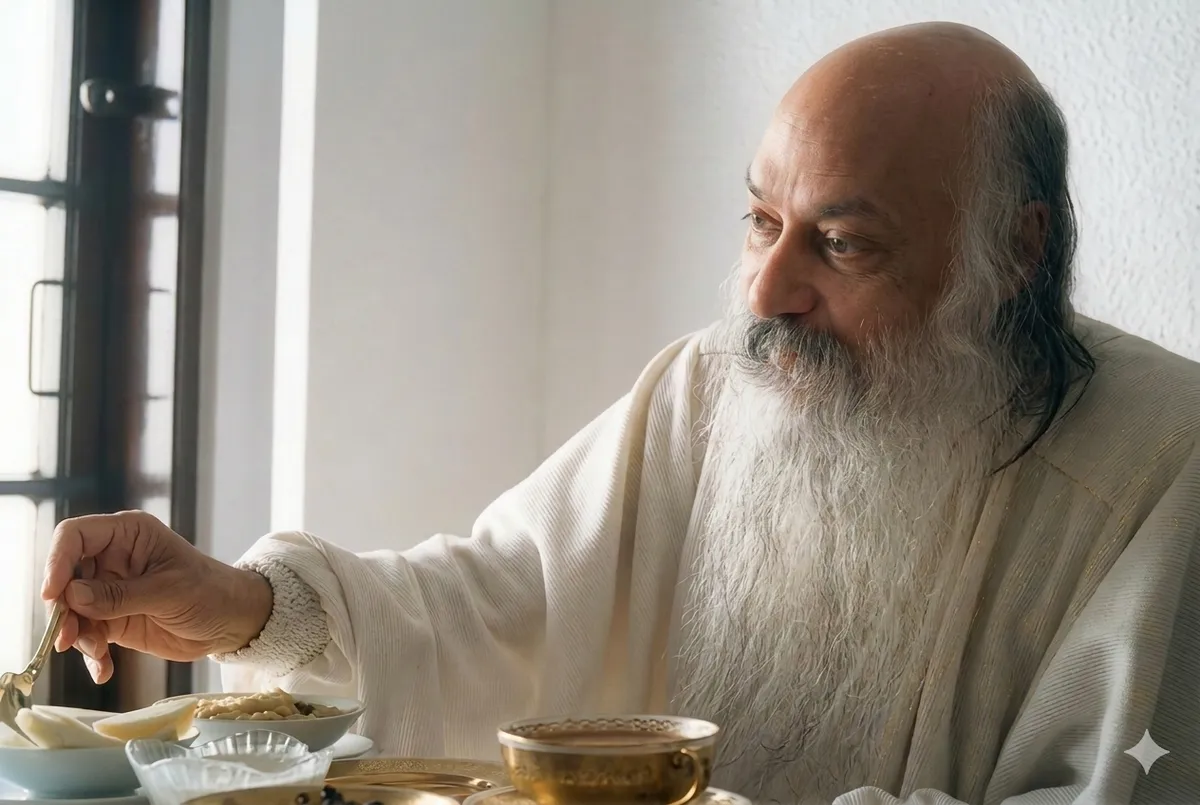
Osho's perspective on Guru-Disciple Relationship
When Osho Spoke About Guru-Disciple Relationship
Passages from the discourses where this theme comes alive.
What is the guru/disciple relationship?
Wittgenstein has said somewhere that what cannot be said can be shown. Saying needs no patience, but showing needs much patience. If I want to say something to you, I can say it this very moment. Your patience, your preparation is not needed. I can say it, and you will hear it. But if I want to show you something then you will have to make great preparations in order to see it. I cannot show it to you unless you have the capacity to see. The guru is basically not saying anything but trying to show something; and if the disciple is aware, then things become clear by not intervening. Things are always clear, but the mind is confused -- and a confused mind confuses things. As far as worldly things are concerned your mind cannot distort them too much because they are so objective that they do not…
A friend has asked: Osho, the soul cannot be seen. Why is so much importance given to what cannot be seen? And why are you also speaking about this same unseen soul?
A tree is visible; its roots are not. The roots are hidden in the earth. But that does not reduce the value of the unseen roots. In fact, the visible tree depends entirely on those invisible roots. And whoever wastes time caring only for the tree and ignores the roots, his tree is bound to dry up. That tree will bear neither leaves nor flowers nor fruit. The life of the tree is hidden in its unseen roots. Whatever is truly important in life is hidden. What appears is only the outer shell. What remains unmanifest is the inner life-breath. The body is visible because it is the outer shell. What is within the body is not visible. But the value of what is unseen does not diminish for that reason. Rather, precisely because it is not visible, its search becomes all the more necessary. Let it not happen that…
एक मित्र ने पूछा है: ओशो, आत्मा दिखाई नहीं देती है। और जो नहीं दिखाई देती, उसका इतना महत्व क्यों माना जाता है? और आप भी उसी न दिखाई पड़ने वाली आत्मा की बात क्यों कर रहे हैं?
वृक्ष दिखाई पड़ता है, जड़ें दिखाई नहीं पड़तीं; जड़ें जमीन के भीतर छिपी होती हैं। लेकिन इस कारण नहीं दिखाई पड़ने वाली जड़ों का मूल्य कम नहीं हो जाता है। बल्कि जो वृक्ष दिखाई पड़ता है, वह उन्हीं जड़ों पर निर्भर होता है, जो दिखाई नहीं पड़तीं। और वृक्ष की ही देख-सम्हाल में जो समय गंवा देगा और जड़ों की फिकर नहीं करेगा, उसका वृक्ष सूख जाने वाला है। उस वृक्ष पर न पत्ते आएंगे, न फूल आएंगे, न फल लगेंगे। नहीं दिखाई पड़ने वाली जड़ों में ही वृक्ष के प्राण छिपे हैं।
Osho, yesterday you explained that with joyful awareness (sukh-purvak surati) resolution happens on its own. Yet I find myself having to go through great effort, practice, and labor—why? How long, and why, must a seeker pass through so much effort, toil, and austerity?
If there is laziness in the mind, even little things feel like great effort. It’s a matter of your interpretation. In truth, you are not exerting at all. I tell you, those who are near me and engaged in “practice” are the people on earth who are laboring the least. You have no idea what real effort is. When a person is deeply lazy, even trivial things seem like toil. What are you actually doing? What is it you keep calling “great effort”? Which great effort are you making? You dance a little—and you call that great effort? Is dancing an effort? Dancing is joy! But your perspective is wrong. If you take joy to be effort, you have missed. Dancing is celebration, a juicy happening. Where is the effort in it? If even dancing is effort for you, then what would non-effort be? If I tell you, “Just sit…
छठवां प्रश्न: ओशो, कल आपने समझाया कि सुखपूर्वक सुरति से समाधान घटता है, परंतु, मुझे तो बड़े प्रयास, अभ्यास और श्रम से गुजरना पड़ रहा है, क्यों? साधक को बहुत प्रयास, श्रम और तपश्चर्या से कब तक और क्यों गुजरना पड़ता है?
आलस्य हो मन में, तो छोटी-छोटी चीजें बड़ा प्रयास मालूम होती हैं। तुम्हारी व्याख्या की बात है। कुछ भी तुम्हें श्रम नहीं करना पड़ रहा है। मैं तुमसे कहता हूं कि मेरे निकट जो लोग साधना में लगे हैं, पृथ्वी पर सबसे कम श्रम उन्हें करना पड़ रहा है। तुम्हें श्रम का कुछ पता ही नहीं है। मगर महाआलसी व्यक्तित्व हो; तो छोटी-छोटी बातें श्रम मालूम पड़ती हैं। कर क्या रहे हो तुम? किस बात को तुम बार-बार कहते हो कि बड़े प्रयास। कौन सा बड़ा प्रयास कर रहे हो? थोड़ा नाच लेते हो, इसको बड़ा प्रयास कहते हो? नाचना प्रयास है? नाचना तो आनंद है। लेकिन तुम्हारी दृष्टि गलत है! आनंद को प्रयास समझोगे, चूक गए। नाचना तो उत्सव है, एक रसपूर्ण घटना है, प्रयास क्या है? अगर नाचना भी प्रयास है, तो फिर अप्रयास क्या होगा?
Osho, you said that if even a little thirst has arisen and even a little courage, surrender to God. But how can a surrender done out of fear lead to fearlessness?
Resolve is the effort of a miserly mind. Surrender is a wholly different matter. Resolve stands near the ego. And now and then a rare person has reached by resolve. One can arrive by resolve too; but in the last moment he must drop his immense ego—and that is very difficult. Once in a while some Mahavira succeeds; that is why I say it is right to call Mahavira by that name—for hardly anyone ever succeeds on that journey. It is very difficult. Difficult because first you build up the ego, refine it; you take everything into your own hands. And in the final moment, when all has ripened, when the ego has been fashioned in its subtlest form, hard as a diamond—so that it can cut through all things and nothing can cut through it—at that very moment you must surrender. At that moment you have to let go…
चौथा प्रश्न: ओशो, आपने कहा कि थोड़ी भी प्यास जगी हो और थोड़ा सा भी साहस हो तो प्रभु को समर्पण कर दो। लेकिन भय से किया गया समर्पण निर्भयता को कैसे उपलब्ध होगा?
संकल्प कंजूस चित्त की चेष्टा है। समर्पण बड़ी भिन्न बात है। संकल्प तो अहंकार के आस-पास खड़ा होता है। और संकल्प से कभी-कभी एकाध व्यक्ति पहुंच पाया है। पहुंच जाता है संकल्प से भी; लेकिन आखिरी क्षण में उसको अपने विराट अहंकार को गिराना पड़ता है। वह बहुत कठिन मामला है। कोई महावीर कभी सफल हो पाता है। इसलिए मैं कहता हूं, महावीर को महावीर नाम देना ठीक है। क्योंकि मुश्किल से कभी उस यात्रा में कोई सफल होता है। बड़ी कठिन है। कठिन इस लिहाज से है कि पहले तुम अहंकार को निर्मित करते हो, शुद्ध करते हो। सब अपने हाथ में ले लेते हो और आखिरी घड़ी में जब कि सब परिपक्व हो जाता है, अहंकार सूक्ष्मतम रूप से निर्मित हो जाता है, हीरे की तरह कठोर हो जाता है कि सारी दुनिया की चीजें काट दो और कोई चीज उसको न काट सके, उस क्षण फिर तुम्हें समर्पण करना पड़ता है। उस क्षण फिर तुम छोड़ देते हो अस्तित्व में। कोई बहुत, बहुत ही प्रज्ञावान पुरुष ऐसा कर पाएगा। अधिक तो मध्य में ही खो जाएंगे। अपने-अपने अहंकार का डेरा जमा लेंगे। …
What is the difference in compassion between a guru-disciple relationship and not having one?
definitionWhat is the guru-disciple relationship?
definitionProfound Quotes on Guru-Disciple Relationship
Explore our structured collection of meaning-mapped quotes regarding Guru-Disciple Relationship.