
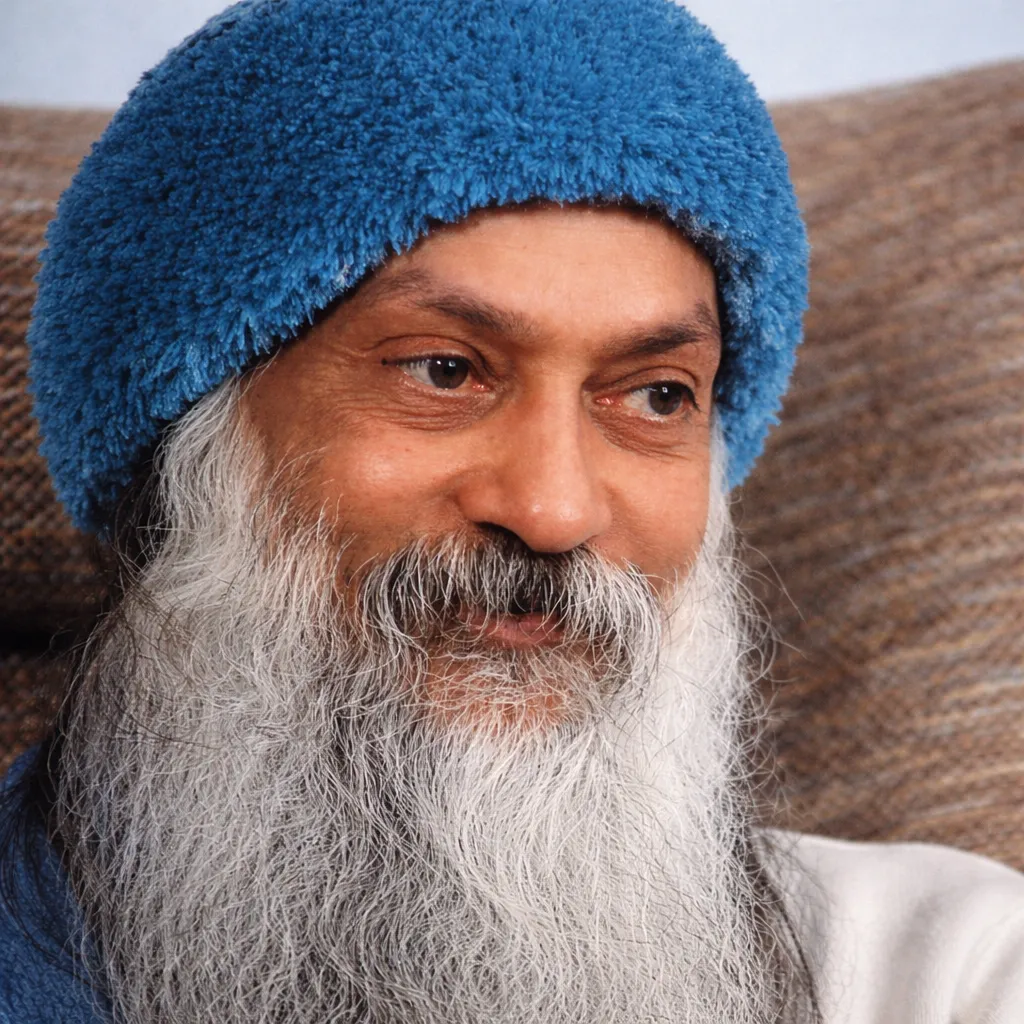
Osho's perspective on Bhakti
When Osho Spoke About Bhakti
Passages from the discourses where this theme comes alive.
Osho, does preeti—passing through sneh (affection), prem (love), and shraddha (reverence/faith)—naturally transform into bhakti (devotion)?
Naturally and inevitably. If a seed is sown in the right season, in suitable soil, with water and sunlight, then naturally and inevitably it will sprout. If there are obstacles, it becomes difficult. If the soil is wrong—stony; if the sun is absent, the water lacking—the seed will not sprout. The full potential was there, but rocks fell across the path. If the seed sprouts, then naturally and inevitably it will become a tree. But there may be obstacles, accidents. An animal may come and graze it; if no fence is put up, no protection; a child may break it in play. So a fence will be needed. For a few days it will need protecting. Very soon the moment will come when the tree can stand in its own strength; then no fence is needed; not even a gardener is needed. And when there is a tree, and the…
पहला प्रश्न: ओशो, क्या प्रीति स्नेह, प्रेम, श्रद्धा से गुजर कर स्वभावतः ही भक्ति में रूपांतरित होती है?
स्वभावतः और अनिवार्यतः। जैसे बीज बोया, सम्यक ऋतु हो, ठीक भूमि हो, जल मिले, सूर्य की किरण मिले, तो स्वभावतः और अनिवार्यतः अंकुरित होगा। बाधाएं हों तो कठिनाई होगी। भूमि ठीक न हो, पथरीली हो; सूरज उपलब्ध न हो, जल न मिले, तो बीज अंकुरित नहीं होगा। पूरी क्षमता थी, लेकिन मार्ग में चट्टानें पड़ गईं। बीज अंकुरित हो, तो स्वभावतः और अनिवार्यतः वृक्ष बनेगा। लेकिन बाधाएं हो सकती हैं, दुर्घटनाएं हो सकती हैं। कोई पशु आए और चर जाए, कोई बागुड़ न लगाए, रक्षा न करे, कोई बच्चा खेल-खेल में तोड़ जाए। तो बागुड़ चाहिए होगी। थोड़े दिन रक्षा करनी होगी। जल्दी ही घड़ी आ जाएगी जब वृक्ष अपने ही बल पर खड़ा हो सकेगा; फिर कोई बागुड़ की जरूरत न होगी; किसी माली की भी जरूरत न होगी।
Beloved Osho, shankaracharya teaches metaphysics and at the same time he sings the songs of govinda. Is there any interrelation between knowledge and bhakti, devotion?
You can fly in this sky if you make them both your wings. No bird can fly with one wing, no man can walk with one foot, nor can a boat be rowed with one oar; both the oars are needed. There is no contradiction, and those who have told you that there is a contradiction are wrong. They made this error because they did not know this great harmony. They were either mind-dominated people who possessed only dry thoughts and logic and never experienced the dance of the heart, or they were heart-dominated people who could dance but did not have any understanding. It will be a fortunate moment when you can dance with understanding. That moment will be fortunate when you can love with understanding. And never refuse anything which existence has given you, because if you do so you will become disabled to that degree. You are…
You have asked: “Meditation is the solitary one’s flight to the Solitary. Bhakti is the solitary one’s flight to God. Does bhakti, like meditation, also begin with aloneness?”
Certainly. Both begin in aloneness. Both begin by becoming free of the crowd. But the flavor of the two is a little different. At first they differ; ultimately they become one. The paths are different at the beginning. The river is one; the ghats are many. The ways of the ghats are different, but the river is one. If you keep your attention on the ghats, differences will be seen; if you keep your attention on the river, differences will not be seen. That which is known is one; that by which it is known is also one—but the methods by which it is known are many. The ghats are many. The devotee’s aloneness is different; the knower’s aloneness is different—in the first stage. You may be surprised: how can aloneness and aloneness be different? Try to understand. When the bhakta is alone he begins to erase himself; only then…
पूछा है तुमने: ‘ध्यान है एकाकी की उड़ान एकाकी तक। भक्ति है एकाकी की उड़ान परमात्मा तक। क्या ध्यान की तरह भक्ति भी एकाकीपन से शुरू होती है?’
निश्चित ही। दोनों एकाकीपन से ही शुरू होती हैं। दोनों ही भीड़ से मुक्त होकर शुरू होती हैं। लेकिन दोनों का स्वाद थोड़ा भिन्न होता है। प्रथम तो भिन्न होता है; अंततः एक हो जाता है। मार्ग शुरू में भिन्न होते हैं। नदी एक, घाट बहुतेरे। घाटों के ढंग अलग-अलग हैं। नदी एक है। अगर घाट पर ध्यान रखोगे तो भेद मालूम पड़ेगा; अगर नदी पर ध्यान करोगे तो भेद मालूम नहीं पड़ेगा। जो जाना जाता है वह तो एक; जिसके द्वारा जाना जाता है, वह तो एक--लेकिन जिन विधियों से जाना जाता है, वे अनेक। घाट बहुतेरे। भक्त का एकाकीपन अलग; ज्ञानी का एकाकीपन अलग--प्रथम चरण में। तुम बड़े हैरान होओगे कि एकाकीपन और एकाकीपन कैसे अलग हो सकते हैं! समझने की कोशिश करो। जब भक्त एकाकी होता है तो अपने को मिटाने लगता है; तभी एकाकी हो पाता है। जब परमात्मा बचता है और भक्त मिट जाता है--तो एकाकी। एक बचा। जब तक भक्त भी रहता है, तब तक दो। इसलिए भक्ति की सारी चेष्टा है: परमात्मा बचे, मैं मिट जाऊं। कबीर कहते हैं: प्रेम गली अति सांकरी, तामें दो न समाय। …
Osho, Sri Shankaracharya teaches the wisdom of the ultimate (tattva-jnana) and also sings Govinda’s bhajans. Is there an interrelationship between knowledge and bhajan, between knowledge and devotion?
Knowledge is negating; devotion is affirmative. Knowledge is like preparing the soil—removing weeds, adding manure; devotion is like sowing the seed. Knowledge by itself is incomplete. It clears the field, but it does not implant the seeds. It is necessary, not sufficient. For knowledge belongs to the intellect; devotion belongs to the heart. On the path to the divine, all the obstacles can be cut away by knowledge; but the steps are climbed by devotion. So knowledge is negating; it is very effective in breaking the futile, not in giving birth to the meaningful. Shankara speaks of knowledge so that the layers upon layers of ignorance within you are cut away. And once the ground of the mind is clear—no useless rubbish, no trash—then the seeds of devotion can be sown; then “bhaj Govindam” becomes possible. There is no opposition between the two; devotion is the culmination of knowledge, and…
पहला प्रश्न: ओशो, श्री शंकराचार्य तत्वज्ञान सिखाते हैं और साथ ही गोविन्द के भजन भी गाते हैं। क्या ज्ञान और भजन में, ज्ञान और भक्ति में कोई अंतर्संबंध है?
शंकर ज्ञान की बात कर रहे हैं, ताकि तुम्हारे भीतर अज्ञान की जो पर्त दर पर्त भीड़ लगी है, कट जाए। और जब एक बार मन की भूमि साफ हो गई, व्यर्थ का कचरा न रहा, कूड़ा-करकट न रहा, तो फिर भक्ति के बीज बोए जा सकते हैं; फिर भज गोविन्दम् की संभावना है। विरोध नहीं है दोनों में; भक्ति ज्ञान की ही पराकाष्ठा है और ज्ञान भक्ति की ही शुरुआत है। क्योंकि मनुष्य के भीतर हृदय भी है, बुद्धि भी है। दोनों को छूना होगा। दोनों का रूपांतरण चाहिए।
What is bhakti?
definitionProfound Quotes on Bhakti
Explore our structured collection of meaning-mapped quotes regarding Bhakti.