
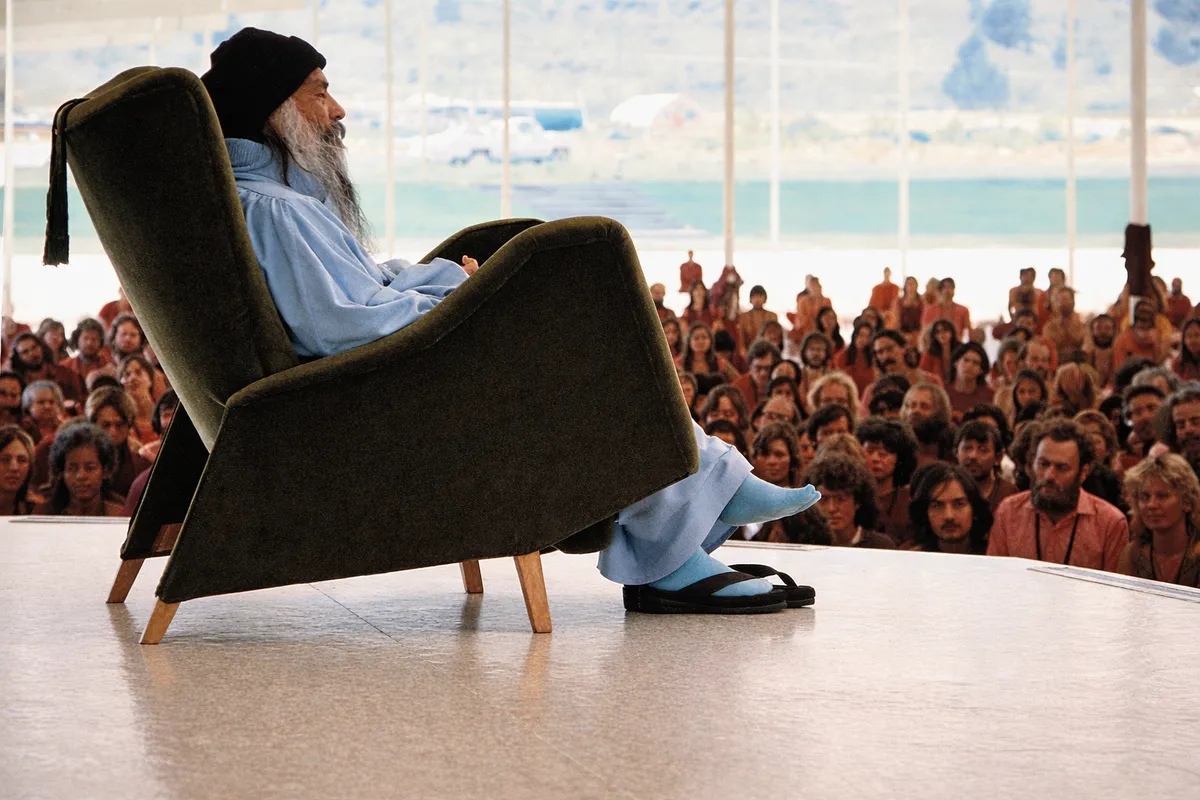
He found those beautiful words because his heart was full of love and empty of ego, so the right words just flowed out by themselves.
From the Discourses
Passages where Osho speaks to this question — each links to the complete discourse.
Swami Anand Maitreya has asked: “Jagjivan was a shepherd, uneducated—then where did he find such lovely words? How could such precious expression happen?”
Your beauty fills my gaze as I rise— the whole atmosphere shines like your raiment. The dawn breeze has passed through your bedchamber— my morning is fragrant with your very body. Then everywhere is his feel. The breeze becomes his touch; the sun, his spread; the rainbow, his bow; the waves, his resonance; the mountains, his uplifted head. Recognize once—and the path to recognition is love, not knowledge. Those lost in knowledge remained ignorant. Those who acknowledged their ignorance bowed at his feet and said: “I will grasp his feet and cajole him. I tell you: whom else do I know? I have come to your refuge. The love I have joined I will never break; this image I will not forget. I will grasp his feet and cajole him.” One who can say this—not on the surface but from the whole being—does not take long. He leaps onto the…
स्वामी आनंद मैत्रेय ने एक प्रश्न पूछा है: ‘जगजीवन तो चरवाहे थे, अपढ़, फिर ऐसे प्यारे शब्द कहां से खोज पाए? फिर ऐसी बहुमूल्य अभिव्यक्ति कैसे हो सकी?’
सब-कुछ नहा गया है। तुझे नहाया हुआ देखता हूं चारों तरफ। क्योंकि सारे रंग तेरे, सारे रूप तेरे। नसीम तेरे शबिस्तां से होके आई है और मुझे अब पक्का भरोसा है कि यह हवा, जो सुवास लेकर आ रही है, यह तेरे निवास स्थान से आ रही है, यह तेरे मंदिर से आ रही है। नसीम तेरे शबिस्तां से होके आई है मेरे सहर में महक है तेरे बदन की-सी और मेरी सुबह में जो महक मुझे मिल रही है, वह तेरे देह की महक है; वह तेरी महक है। फिर तो वर्षा होती है और जमीन से सोंधी गंध उठती है, उसी की गंध है। फिर तो सब उसका है। एक बार पहचान। और पहचान की रीति--प्रीति, ज्ञान नहीं। जो ज्ञान में भटके, अज्ञानी रह गए। और जिन्होंने अपने अज्ञान को पहचाना, उसके चरणों में झुके और कहा: पैयां पकरि मैं लेहुं मनाय।। कहौं कि तुम्हहीं कहं मैं जानौं, अब हौं तुम्हरी सरनहिं आय। जोरी प्रीत न तोरी कबहूं, यह छबि सुरति बिसरि नहिं जाय।। पैयां पकरि मैं लेहुं मनाय।। जो ऐसा कह सकता है, ऊपर-ऊपर नहीं, प्राणों से; अपनी समग्रता से, उसे देर नहीं लगती। …
Osho, why has human faith in religion waned?
Then there is a further fall. This is when, around Buddha, people hear, oppose, accept. Then two-and-a-half thousand years pass. One generation hands it to the next. Those who had heard from Buddha, or at least seen him—some hint of truth must have reached their ears; some touch of Buddha’s presence must have touched them; some color of Buddha must have fallen upon their souls—however slight, it fell. Then their sons and their sons’ sons believe because the fathers believed, the forefathers believed, people have always believed—and then belief becomes blind belief. What you call religions are superstitions. They should have been bid farewell long ago. New editions of truth descend from the sky every day. A new Koran descends every day. God has not grown tired, has not exhausted Himself with Mohammed. Jesus is not God’s only son—as Christians say, the only begotten. Nor did God come to an…
पहला प्रश्न: ओशो, मनुष्य की आस्था धर्म से क्यों उठ गई है?
फिर और एक पतन होता है। यह तो तब की बात है जब बुद्ध के आस-पास लोग सुनते हैं, विरोध करते हैं, अंगीकार करते हैं। फिर बुद्ध को बीते ढाई हजार साल हो गए, फिर एक पीढ़ी दूसरी पीढ़ी को देती चली जाती है। जिन्होंने बुद्ध से सुना था, या जिन्होंने कम से कम बुद्ध को देखा था, उन्हें कुछ भी सत्य की भनक कान में पड़ी होगी, बुद्ध के व्यक्तित्व का थोड़ा सा स्पर्श हुआ होगा, बुद्ध का रंग थोड़ा उनकी आत्मा पर पड़ा होगा, छाया पड़ी होगी--कितनी ही कम, लेकिन पड़ी होगी। फिर उनके बेटे और उनके बेटों के बेटे इसलिए मानते हैं कि पिता मानते थे, पिता के पिता मानते थे, सदा से लोग मानते रहे हैं, तब विश्वास अंधविश्वास हो जाता है। और जिनको तुम धर्म कहते हो, वे अंधविश्वास हैं। उन्हें कभी का विदा हो जाना चाहिए। सत्य के रोज नये संस्करण आकाश से उतरते हैं। रोज नई कुरान उतरती है। परमात्मा थक नहीं गया है, मोहम्मद पर चुक नहीं गया है। न ईसा परमात्मा के अकेले बेटे हैं--जैसा ईसाई कहते हैं, इकलौते बेटे। …
Osho, “laukikānām hi sādhūnām artha vāg anuvartate; ṛṣīṇām punar ādyānām vācam artho’nudhāvati.” The speech of worldly saints follows meaning; but in the case of the ancient rishis, meaning followed their speech. Osho, out of compassion please explain this aphorism of Vashistha. Were the ancient rishis really so superior?
And the cause of the fight? When the police investigated, it became even more amusing. The picchī stick—bamboo—had been hollowed out and stuffed with hundred-rupee notes! That was their wallet. If you ever see a Jain monk’s picchī, look closely at the stick—there is nothing else they can use. Man is inventive: they had filled bundle upon bundle of notes inside. The fight was over division—the elder monk wanted more than the younger, a question of seniority! The younger insisted on equal halves: “This is conspiracy, not a government office!” They thrashed each other; the money was found. The community hushed it up with bribes lest it come out. They came to me: “What should we do?” I said, “Publish it in the newspapers—with photos!” They cried, “What are you saying! We came to ask how to hush it up. It is the prestige of the monk—of our religion.” I…
पहला प्रश्न: ओशो, लौकिकानां हि साधूनामर्थ वागनुवर्तते। ऋषीणां पुनराद्यानां वाचमर्थोऽनुधावति।। लौकिक साधुओं की वाणी अर्थ का अनुसरण करती है; लेकिन जो आदि ऋषि थे, उनकी वाणी का अनुसरण अर्थ करता था। ओशो, वसिष्ठ के इस सूत्र को समझाने की अनुकंपा करें। क्या आदि ऋषि वास्तव में इतने ही श्रेष्ठ थे?
… जब पुलिस ने पूछताछ की, तो जो झगड़े का कारण था वह और भी बड़ा मजेदार था! वह जो पिच्छी का डंडा था, बांस का डंडा, उसको भीतर से पोला करके उसमें सौ-सौ के नोट भरे हुए थे! वह उनका बटुआ था, वह जो डंडा था! अगर जैन मुनियों की पिच्छी देखो, तो डंडा जरूर गौर से देख लेना! क्योंकि वही है उनके पास। और कोई उपाय नहीं है मगर। आदमी इतना होशियार है कि उसको डंडे को पोला करके अंदर उसमें गिड्डियों पर गिड्डियां उन्होंने भर रखी थीं! झगड़ा यह हो गया कि बंटवारा, जो बड़े मुनि थे वे ज्यादा चाहते थे छोटे मुनि से। सीनियारिटी का सवाल था! और छोटे मुनि भी बराबर चाहते थे; नहीं तो, वे कहते थे, हम पोल-पट्टी उखाड़ देंगे! …
Osho, I had seen him like a blossoming flower, swaying with the breeze of existence, spilling the fragrance of bliss, always blending the nectar of love into everyone’s heart. He had become absorbed in the divine; that very form of light had expressed itself in him. Buddhahood seemed to rush in and dissolve into simplicity. It felt as though God himself had become the devotee. But was he a dance-song immersed in devotion, or a beautiful, brimming, overflowing silence? He has simply joined the celebration—that is all. How can I say who Swami Devteerth Bharati was!
I cannot forget his gift, though it was hard. Whatever is more beautiful, more auspicious, more true in life is bitter at first; sweetness comes later. And whatever is untrue, inauspicious, un-beautiful, is sweet on the surface, and poison in the end. Remember this maxim. Otherwise you will be misled by the initial sweetness. Once you gulp that sweetness, the poison begins slowly to destroy your body, mind, life-breath. If truth is bitter, don’t be afraid—soon it will become sweet. When I was small I lived long with my maternal grandparents. There were thirty-two miles between my father’s place and my maternal home. No train, no bus, no taxi; in those days nothing—no road even. He would cycle those thirty-two miles to see me. In the rains it was very difficult—half the way he had to carry the cycle on his shoulder. Where there was mud, cycling was impossible; where…
पहला प्रश्न: ओशो, मैंने उन्हें देखा था खिले फूल की तरह अस्तित्व की हवा के संग डोलते हुए आनंद की सुगंध लुटाते हुए सदा सब के दिलों में प्रेम का रस घोलते हुए लवलीन हो गए थे वे परमात्म-भाव में था उनमें वही ज्योति-रूप व्यक्त हो उठा सारल्य में समा गया बुद्धत्व दौड़ कर ऐसा लगा भगवान स्वयं भक्त हो उठा लेकिन वे भक्ति में निमग्न एक नृत्य-गीत थे या मोद भरे छलकते हुए हसीन मौन थे वे जोड़ ही गए हैं महोत्सव में बहुत कुछ मैं कैसे कहूं स्वामी देवतीर्थ भारती कौन थे!
उनकी भेंट भूल नहीं सकूंगा, यद्यपि कठिन थी बहुत। जो भी इस जीवन में सुंदरतर है, श्रेष्ठतर है, शिवतर है, सत्यतर है, वह पहले-पहले कड़वा होता है, पीछे-पीछे मिठास होती है। और जो भी असत्य है, अशिव है, असुंदर है, ऊपर-ऊपर मीठा होता है, अंततः जहर। इस सूत्र को याद रखना। नहीं तो पहली मिठास में ही लोग भटक जाते हैं। और एक बार उस मिठास में तुम गटक गए जहर को तो फिर जहर धीरे-धीरे तुम्हारे सारे शरीर को, तुम्हारे मन-प्राण को विनष्ट करने लगता है। सत्य कड़वा भी हो तो भी डरना मत, जल्दी ही मीठा हो जाएगा। मैं छोटा था तो अपने ननिहाल रहा बहुत दिनों तक। मेरे पिता और ननिहाल के बीच कोई बत्तीस मील का फासला था। न ट्रेन, न बस, न टैक्सी, उन दिनों वहां कुछ भी न था, रास्ता भी न था। वे बत्तीस मील साइकिल चला कर मुझे देखने आते थे, मिलने आते थे। वर्षा के दिनों में तो बड़ी मुश्किल हो जाती, क्योंकि आधी दूर साइकिल को उन्हें कंधे पर खींचना पड़ता। …
Osho, before the discourse, when Jagjivan’s verses were recited, my heart suddenly filled, my eyes welled up, and as the recitation continued my tears kept flowing on their own. When the recitation ended, the tears stopped. I understood the meaning of those verses after your discourse. Why did this happen?
Sumer Singh, you are fortunate that your feeling was soaked, and afterward understanding came. First dive, then understand. First be colored, then understand. First let things descend into the heart; afterward the intellect will do the arithmetic on its own. Those who say, “First we will do the intellectual accounting, and then we will drown the heart”—their heart never drowns, because the intellect’s accounting is never complete. It never completes! The intellect never comes to a conclusion; it has no conclusions. The intellect does not know how to conclude. It cannot conclude, because its nature is doubt. The heart’s nature is trust. The intellect can doubt, can think; it cannot conclude. The heart cannot think, cannot doubt; it takes the leap—and the conclusion happens. These two processes are very different. Therefore conversation between the intellectual and the feeling one cannot really happen; even in conversation, dilemma arises, dispute arises. There…
तीसरा प्रश्न: ओशो, प्रवचन से पहले जब जगजीवन के पदों का पाठ किया गया तो मेरा दिल अकस्मात भर आया, आंखें डबडबा आईं और पदों का पाठ चलता रहा तब तक मेरे आंसू आप ही आप बहते रहे। पाठ की समाप्ति हुई तो आंसू बंद हुए। मैं इन पदों का मतलब ओशो के प्रवचन के बाद समझा। ऐसा क्यों हुआ?
सुमेर सिंह, तुम सौभाग्यशाली हो कि तुम्हारा भाव भीगा, पीछे तुम्हें अर्थ समझ में आया। पहले डूबो, फिर समझ। पहले रंग जाओ, फिर समझ। पहले हृदय में उतर जाने दो बातों को, फिर बुद्धि अपने आप हिसाब-किताब लगा लेगी। जो लोग कहते हैं: पहले हम बुद्धि से हिसाब-किताब लगाएंगे, और फिर हृदय को डुबाएंगे, उनका हृदय कभी नहीं डूबता है, क्योंकि बुद्धि का हिसाब-किताब कभी पूरा नहीं होता। कभी पूरा नहीं होता! बुद्धि कभी निष्कर्ष तक आती ही नहीं, बुद्धि के पास निष्कर्ष होते ही नहीं। बुद्धि निष्कर्ष लेना जानती ही नहीं। बुद्धि निष्कर्ष ले ही नहीं सकती, क्योंकि बुद्धि का स्वभाव संदेह है। हृदय का स्वभाव श्रद्धा है। बुद्धि संदेह कर सकती है, विचार कर सकती है, निष्कर्ष नहीं ले सकती। हृदय विचार नहीं कर सकता, संदेह नहीं कर सकता, छलांग लेता है--और निष्कर्ष आ जाता है। ये दोनों प्रक्रियाएं बड़ी भिन्न हैं। इसलिए बुद्धिमान का और भावुक का वार्तालाप भी नहीं हो सकता। वार्तालाप में ही दुविधा हो जाती है, विवाद हो जाता है। …