
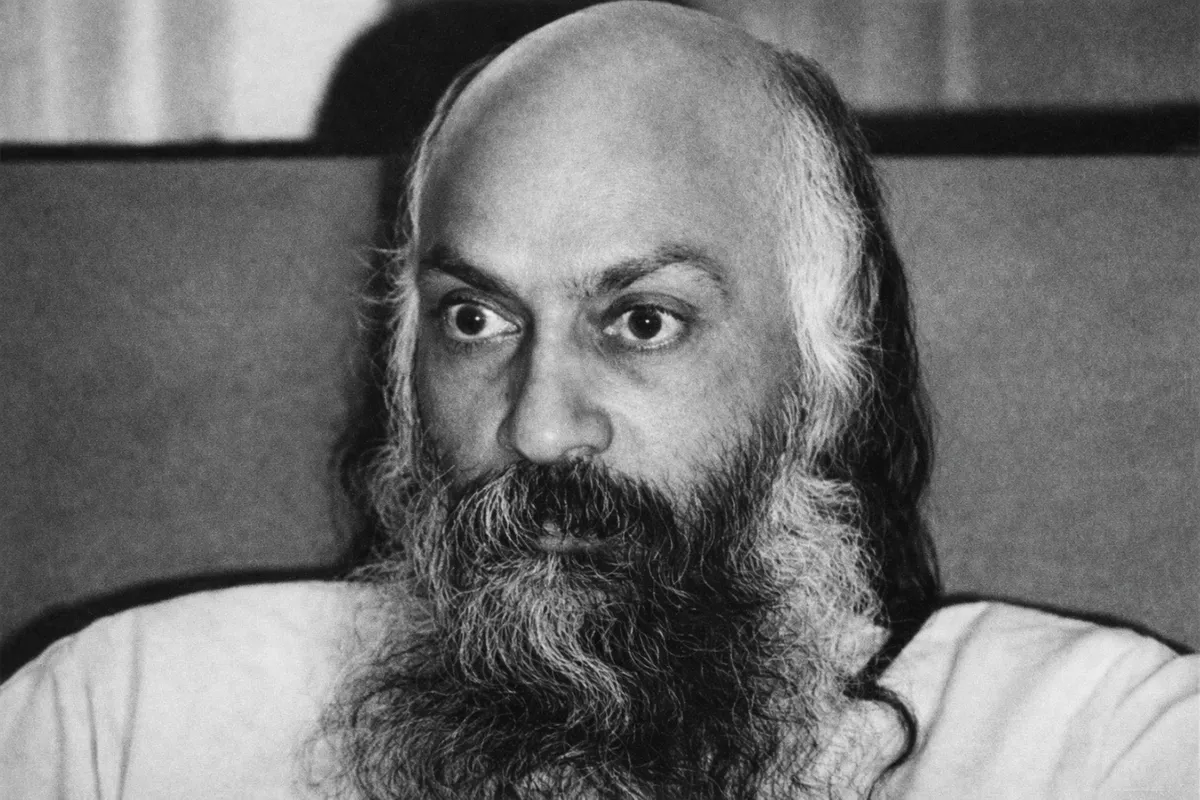
According to Osho, the human mind unfolds in three phases: ignorance (living only in the sensory, childlike), knowledge (accumulated, borrowed information from others), and wisdom (the transcendence of knowledge through unlearning and a direct, immediate knowing of one's own being). This arc—learning, then dropping the learned—applies equally to religion, science, and art, culminating in effortless, innocent awareness.
First we don’t know, then we collect others’ ideas, and finally we drop them to see truth directly for ourselves.
From the Discourses
Passages where Osho speaks to this question — each links to the complete discourse.
Osho: To think is the nature of the mind. And if you don't think then there is no mind. A state of no-mind comes, then you know. That is nature, this too is nature; that is not against this nature which creates ignorance, creates unknowing, creates conflict. We have not known the total mind, we have known only the mind which thinks. If you transcend it then you know the total mind -- which knows. Thinking is one thing, knowing is quite another. QUESTION: THE NATURE OF THE MIND IS TO THINK, AND THEN IT CEASES TO THINK. WHAT DO YOU DO IN ORDER TO CAUSE IT NOT TO THINK? DOES IT NATURALLY NOT THINK? Osho: If you become aware of your thinking process, then the process by and by is dissolved.
Osho, what do you say about meditation according to the three states of consciousness?
Contemplation is just the process of thinking, refining your thoughts; and the more you practise this refinement, the finer they become. And it is a joy in itself. It is a joy far superior to anything like food, sex, clothes; it is a finer joy. When you come across a new phenomenon which for millions of years people have passed by and nobody has detected and which you are the first to detect, a tremendous joy arises in you. Contemplation is of the intellect. Meditation is of intuition. Meditation has no subject matter. It is pure subjectivity. Meditation is not thinking about something. It is not thinking at all. But one thing has to be remembered: it does not mean falling asleep. That's what happens; if you are not thinking then the mind says, "What are you doing? Go to sleep." Mind is at ease with thinking or with sleep,…
I only teach the simple art of how to see. In the East we don't have any word exactly parallel to 'philosophy'. The word that we have is 'darshan', which is a totally different word. Philosophy means thinking about truth and darshan means seeing the truth. So I never translate darshan as philosophy but as philosia. 'Sia' means to see, 'philo' means love -- love of seeing; not love of thinking but seeing. The truth is always there, coming continuously, knocking on your doors -- but your doors are closed. Sannyas means the art of opening your doors, the art of opening your eyes, becoming receptive, available. All that is needed on the part of a sannyasin is to be available to the beyond, to be in a yes mood with the beyond -- and truth comes, it inevitably comes and liberates.
A wise man, the wonder of his age, taught his disciples from a seemingly inexhaustible store of wisdom.
HE ATTRIBUTED ALL HIS KNOWLEDGE TO A THICK TOME WHICH WAS KEPT IN A PLACE OF HONOR IN HIS ROOM. THE SAGE WOULD ALLOW NOBODY TO OPEN THE VOLUME. WHEN HE DIED, THOSE WHO HAD SURROUNDED HIM, REGARDING THEMSELVES AS HIS HEIRS, RAN TO OPEN THE BOOK, ANXIOUS TO POSSESS WHAT IT CONTAINED. THEY WERE SURPRISED, CONFUSED AND DISAPPOINTED WHEN THEY FOUND THAT THERE WAS WRITING ON ONLY ONE PAGE. THEY BECAME EVEN MORE BEWILDERED AND THEN ANNOYED WHEN THEY TRIED TO PENETRATE THE MEANING OF THE PHRASE WHICH MET THEIR EYES. IT WAS: WHEN YOU REALIZE THE DIFFERENCE BETWEEN THE CONTAINER AND THE CONTENT, YOU WILL HAVE KNOWLEDGE. ... Why did he attribute his knowledge to a thick tome? -- because of the camels. The camels wouldn't understand the mysterious source of his wisdom. To make it understandable to them he had kept a big tome in his room and
Question: BELOVED OSHO, ONCE YOU DESCRIBED YOUR WORK AS A SEARCH FOR THE PSYCHOLOGY OF THE BUDDHAS. YOU EXPLAINED THAT FREUD ESTABLISHED ONLY A PSYCHOLOGY OF PATHOLOGY. THEN CAME MASLOV, JANOV, ASSAGIOLI, PERLS AND THE PEOPLE WHO ELABORATED ON THE PSYCHOLOGY OF HEALTH. YOU ADDED THAT YOUR WORK WAS GOING FURTHER -- TRYING TO ESTABLISH A PSYCHOLOGY OF THE AWAKENED ONE, A PSYCHOLOGY OF THE BUDDHAS. YOU SAID THAT YOU WERE STUDYING US IN ORDER TO FIND OUT WHICH ARE THE DIFFICULTIES THAT A SEEKER FINDS ON THE PATH TOWARDS THE REALIZATION OF THE SELF, TOWARDS HIS OWN AWAKENING. NOW, YOU'VE BEEN STUDYING US FOR FIFTEEN YEARS, AND I WOULD LIKE YOU TO GIVE US SOME HINTS ON WHAT YOU FIND IN YOUR LIVING EXPERIMENT.