
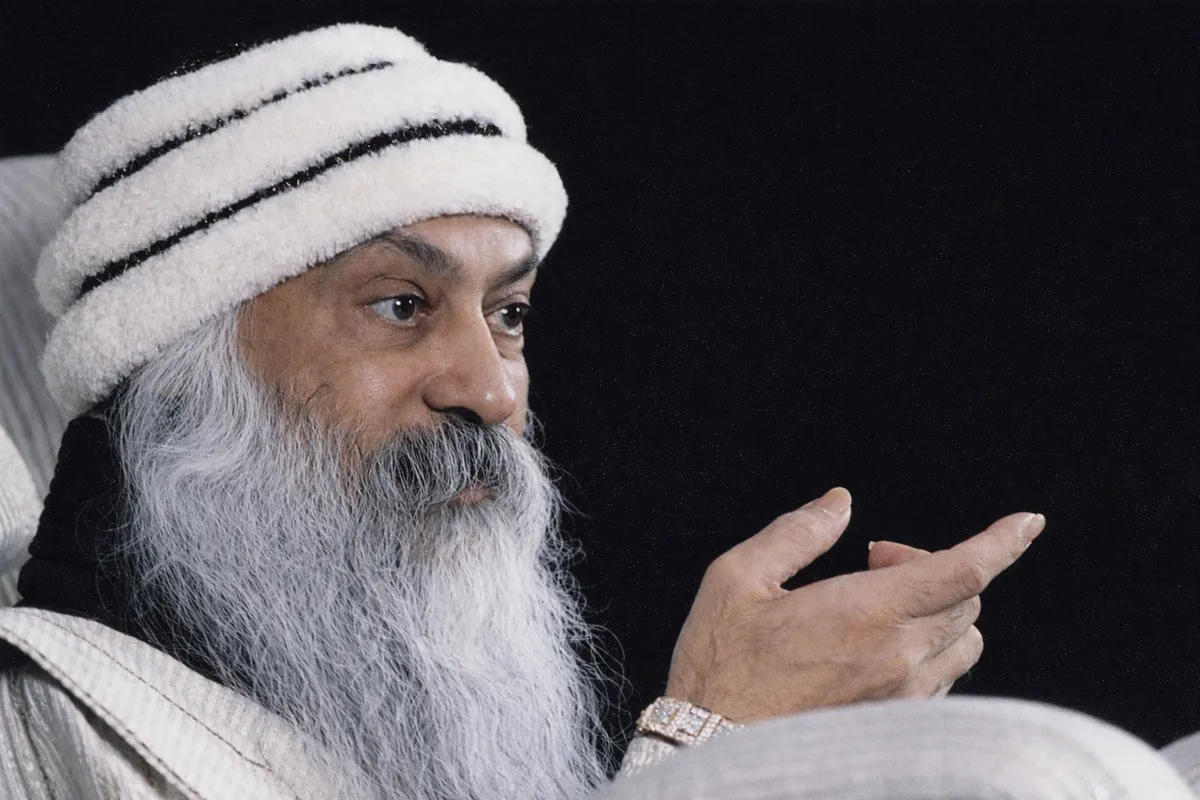
Mahavira’s mind is like a clean mirror—things show up and go away, but the mirror stays clear and doesn’t keep anything.
From the Discourses
Passages where Osho speaks to this question — each links to the complete discourse.
Osho, we don’t find analyses of Mahavira’s mental state across the varied adverse circumstances of life. Based on the literature available today, how can his inner state be explained?
This is a very good question. Good because it can arise in all our minds: in varied favorable and unfavorable situations, what is the state of consciousness of a person like Mahavira? There is no mention of it. One might think the absence of mention is because Mahavira never spoke about it. That is not the reason. The omission has another, deeper, fundamental reason. In a person of awareness like Mahavira, circumstances make no difference. So to speak of “different circumstances” has no meaning. In all situations—favorable or unfavorable—the mind remains the same. If someone abuses us, we get angry; if someone welcomes us, we feel delighted. In each situation our mind gets transformed. As the situation is, so our mind becomes. Mahavira calls this the state of bondage. If the mind has to become whatever the situation dictates, we are bound. If the situation is painful, we must be…
प्रश्न: ओशो, जीवन की भिन्न-भिन्न प्रतिकूल परिस्थितियों में महावीर की मानसिक स्थिति का विश्लेषण उपलब्ध नहीं होता। आज जो साहित्य उपलब्ध है, उसके आधार पर उनकी अंतरंग स्थिति का स्पष्टीकरण क्या हो सकेगा?
यह बहुत बढ़िया सवाल है। बढ़िया इसलिए है कि हम सबके मन में उठ सकता है कि भिन्न-भिन्न अनुकूल, प्रतिकूल परिस्थितियों में महावीर जैसे व्यक्ति की चित्त-दशा क्या होती है? कोई उल्लेख नहीं है। तो कोई सोच सकता है कि उल्लेख इसलिए नहीं है कि महावीर ने कभी कहा न हो। यह कारण नहीं है। उल्लेख न होने का कारण बहुत दूसरा है और बहुत गहरा, बुनियादी है। महावीर जैसी चेतना के व्यक्ति में परिस्थितियों से कोई भेद नहीं पड़ता। इसलिए भिन्न-भिन्न परिस्थिति कहने का कोई अर्थ नहीं है। भिन्न-भिन्न परिस्थिति में, प्रतिकूल-अनुकूल में चित्त सदा समान है। जैसे कि किसी ने गाली दी, तो हम क्रोधित होते हैं; और किसी ने स्वागत किया तो हम आनंदित होते हैं। प्रत्येक स्थिति में हमारा चित्त रूपांतरित होता है। जैसी स्थिति होती है, वैसा चित्त हो जाता है। इसी को महावीर कहते हैं कि यह बंधन की अवस्था है। स्थिति जैसी होती है, वैसा चित्त को होना पड़ता है तो फिर हम बंधे हुए हैं। …
Osho, Mahavira’s dispassion, Christ’s holy indifference, Buddha’s disregard, and Krishna’s non-attachment—what are their subtle similarities and differences? Please shed light on this.
In this, some similarities appear. Krishna will arrive at a peace like Buddha’s, because he has nothing to attain—whatever is, is already attained. At times he will appear dispassionate like Mahavira, for his joy knows no bounds. He will appear to proclaim God as Jesus does—but not because there is a God sitting in this world or the next: rather, because all is God. Krishna’s non-attachment is total surrender—“the disappearance of ‘I.’” To know that the “I” is not. Once this is known, whatever is happening is happening. There is nothing to be done about it. There is no possibility of our doing anything. Krishna sees himself as a wave in the ocean. Since there is no choosing, there is no attachment. If we understand correctly, non-attachment is not a state of mind; it is the dropping of all states of mind, the dropping of all positions—and becoming one with…
ओशो, महावीर की वीतरागता, क्राइस्ट की होली इनडिफरेंस, बुद्ध की उपेक्षा, कृष्ण की अनासक्ति, इनमें क्या सूक्ष्म समानता व भिन्नता है? इस पर प्रकाश डालें।
इसमें कुछ समानताएं मिलेंगी। कृष्ण बुद्ध जैसी शांति को उपलब्ध हो जाएंगे, क्योंकि कुछ उन्हें पाना नहीं है। जो भी है, वह पाया हुआ है। वे महावीर जैसे वीतराग दिखाई पड़ेंगे किन्हीं क्षणों में, क्योंकि उनके आनंद का कोई पारावार नहीं है। वे जीसस जैसे परमात्मा की घोषणा करते दिखाई पड़ेंगे। इसलिए नहीं कि इस लोक और परलोक में परमात्मा कहीं बैठा है, बल्कि सब कुछ परमात्मा ही है। कृष्ण की अनासक्ति समग्र समर्पण है, ‘मैं’ का न हो जाना है। ‘मैं’ है ही नहीं, यह जानना है। इसके जान लेने के बाद जो हो रहा है, वह हो रहा है। इसमें कोई उपाय ही नहीं है। इसमें हम कुछ कर सकते हैं, ऐसा है ही नहीं। इसमें हमारे द्वारा कुछ हो सकता है, इसकी कोई संभावना ही नहीं है। कृष्ण अपने को एक लहर की तरह सागर में देखते हैं। कोई चुनाव नहीं करना है, इसलिए कोई आसक्ति नहीं है। …
What is the point? He has no competition with anyone; no rivalry. Hence there is no question of taking hidden revenge. This is a deep insight of Mahavira, one no scripture before Freud caught so clearly. No other scripture in the world made it a rule that a sadhu not engage in others’ joking. Only Mahavira said so. Surely Mahavira had a deep realization: when one satirizes another, hidden violence lies behind. Watch yourself: when you begin to joke about someone, what do you want inside? You want to show him down. Finding no straight way, you take the indirect. A sadhu can joke about himself; he can satirize himself. Mahavira would certainly have called Bernard Shaw a sadhu. One day, after his play ended—astonishing play— everyone clapped and cheered except one. That man stood and said: Shaw, your play stinks! For a moment there was silence.
लेकिन साधु, महावीर कहते हैं किसी का हंसी-ठट्ठा नहीं करे। उसका प्रयोजन क्या है? उसका प्रयोजन यह है कि उसकी किसी से प्रतिस्पर्धा नहीं है; प्रतियोगिता नहीं है। इसलिए कोई छिपा हुआ बदला लेने का सवाल भी कहां है! यह महावीर की बड़ी अंतर्दृष्टि है, जो फ्रायड के पहले कोई भी ठीक से पकड़ नहीं पाया। दुनिया के किसी भी धर्मशास्त्र ने, साधु हंसी-मजाक न करे किसी का, ऐसा नियम नहीं बनाया। सिर्फ महावीर ने कहा कि साधु किसी से...। जरूर महावीर को बड़ी गहरी प्रतीति है कि आदमी किसी के प्रति जब व्यंग करे तो करने का कारण भीतर छिपी हुई कोई हिंसा होती है। आप अपना ही देखना, जब आप किसी का मजाक करने लगें, तो आप क्या चाह रहे हैं भीतर? आप उसको किसी तरह नीचे दिखाना चाहते हैं। और नीचे दिखाने का कोई सीधा रास्ता नहीं पा रहे हैं, इसलिए उलटा रास्ता पकड़ रहे हैं। साधु अपनी हंसी-मजाक कर सकता है; अपने प्रति व्यंग कर सकता है। महावीर ने जरूर बर्नार्ड शॉ को साधु कहा होता। बर्नार्ड शॉ एक दिन खड़ा है। उसका नाटक पूरा हुआ है। …
Osho, in the third discourse on non-possession (aparigraha) you said that Mahavira, by entering the life of sannyas, became an emperor, while his elder brother, though living amid affluence, remained impoverished and enslaved. Attaining inner wealth yet staying beyond material wealth—that is, becoming free of possession—does this not amount to a one-sided, unilateral life? Why can they not accept both inner and outer prosperity together?
Mahavira left everything, not because it was wealth; he left precisely because it was not wealth. Mahavira left everything, not because there was something worth abandoning; he left because there was nothing worth holding. But what do we see? We see that he left palaces; we see that he left diamonds and jewels; we see that he left riches. That is what we notice. As far as Mahavira is concerned, he left nothing but pebbles and stones. We see diamonds and jewels; Mahavira saw pebbles in those diamonds and jewels. And in such diamonds and jewels there is nothing other than pebbles and stones anyway! Yes, those who wrote Mahavira’s story recorded how many diamonds, how many rubies, how many emeralds, how many pearls he left. If someone were to ask Mahavira, he would say, “How foolish you are! You’ve even given different names to pebbles?” Had Mahavira left only…
ओशो, आपने अपरिग्रह के तीसरे प्रवचन में कहा है कि महावीर संन्यास के जीवन में आकर बादशाह हो गए, लेकिन उनके बड़े भाई संपन्नता के बीच रह कर भी विपन्न और गुलाम ही रहे। महावीर का आत्मिक समृद्धि उपलब्ध करना, लेकिन भौतिक समृद्धि से परे रहना अर्थात परिग्रह से मुक्त हो जाना, क्या एकांगी व एकपक्षीय जीवन नहीं है? वे अंतर और बाह्य दोनों समृद्धियों को एक साथ क्यों नहीं स्वीकार कर पाते?
… महावीर सब छोड़ कर चले गए, इसलिए नहीं कि वहां कुछ छोड़ने योग्य था; बल्कि इसीलिए कि वहां कुछ भी पकड़ने योग्य न था। लेकिन हमें दिखाई पड़ता है, उन्होंने महल छोड़ा; हमें दिखाई पड़ता है, हीरे-जवाहरात छोड़े; हमें दिखाई पड़ता है, धन-दौलत छोड़ी! यह हमें दिखाई पड़ता है। महावीर ने तो कंकड़-पत्थरों के अतिरिक्त कुछ भी नहीं छोड़ा है। हीरे-जवाहरात हमें दिखाई पड़ते हैं। महावीर को हीरे-जवाहरात में कंकड़-पत्थर दिखाई पड़ गए हैं। ऐसे हीरे-जवाहरात में कंकड़-पत्थरों के अतिरिक्त कुछ है भी नहीं! हां, जिन्होंने महावीर की कथा लिखी है, उन्होंने लिखा है कि इतने हीरे, इतने जवाहरात, इतने माणिक, इतने मोती छोड़े। अगर कोई महावीर से पूछे, तो वे कहेंगे, बड़े पागल हो, कंकड़-पत्थरों के भी अलग-अलग नाम रख लिए हैं? हां, अगर महावीर ने कंकड़-पत्थर छोड़े होते, तो हम भी न कहते कि कंकड़-पत्थर छोड़ रहे हैं! हम सबने छोड़े हैं।
It is transformation. Then he went to the forest. Twelve years—a deep training. He practiced much. He refined himself. Emptied himself. Lost words. Entered silence. Let speech go. Then returned. For in the forest one can attain; but to share, one must come to the market. Trees and animals can help you find—but to give, there must be man. And when one gets, one must give. Mahavira did not only leave wealth; when he attained the supreme wealth, he showered that too. Once the joy of leaving is known, even the supreme wealth is to be given. ‘Your own raga–dvesha-laden resolves are the root of all faults. He who undertakes this reflection—that sense-objects are not the root—equanimity arises in him.’ Even instantly the taste of equanimity can arise. Sitting in your house, think that you are outside the house. Sitting by your wife, think—who belongs to whom?
… क्या फर्क पड़ता था? इसलिए महावीर का वैराग्य बड़ा गहन है। वह भगोड़ापन नहीं है। वह क्रांति है, रूपांतरण है। फिर जंगल भी चले गये। बारह वर्ष एक गहरा प्रशिक्षण था। जंगल में बहुत साधा। बहुत निखारा अपने को। सब तरह से शून्य किया। शब्द गंवाये। मौन में उतरे। शब्द छोड़ ही दिये। वाणी खो ही गई। तब फिर वापस लौटे। क्योंकि जंगल में पाया जा सकता है, लेकिन बांटना तो बस्ती में ही होगा। वृक्षों, पशुओं के पास पाया जा सकता है, देना तो मनुष्य को ही होगा। और जब मिलता है तो देना होगा। महावीर ने धन ही नहीं छोड़ा; जब उन्होंने परम धन पाया, उसको भी लुटाया। …