
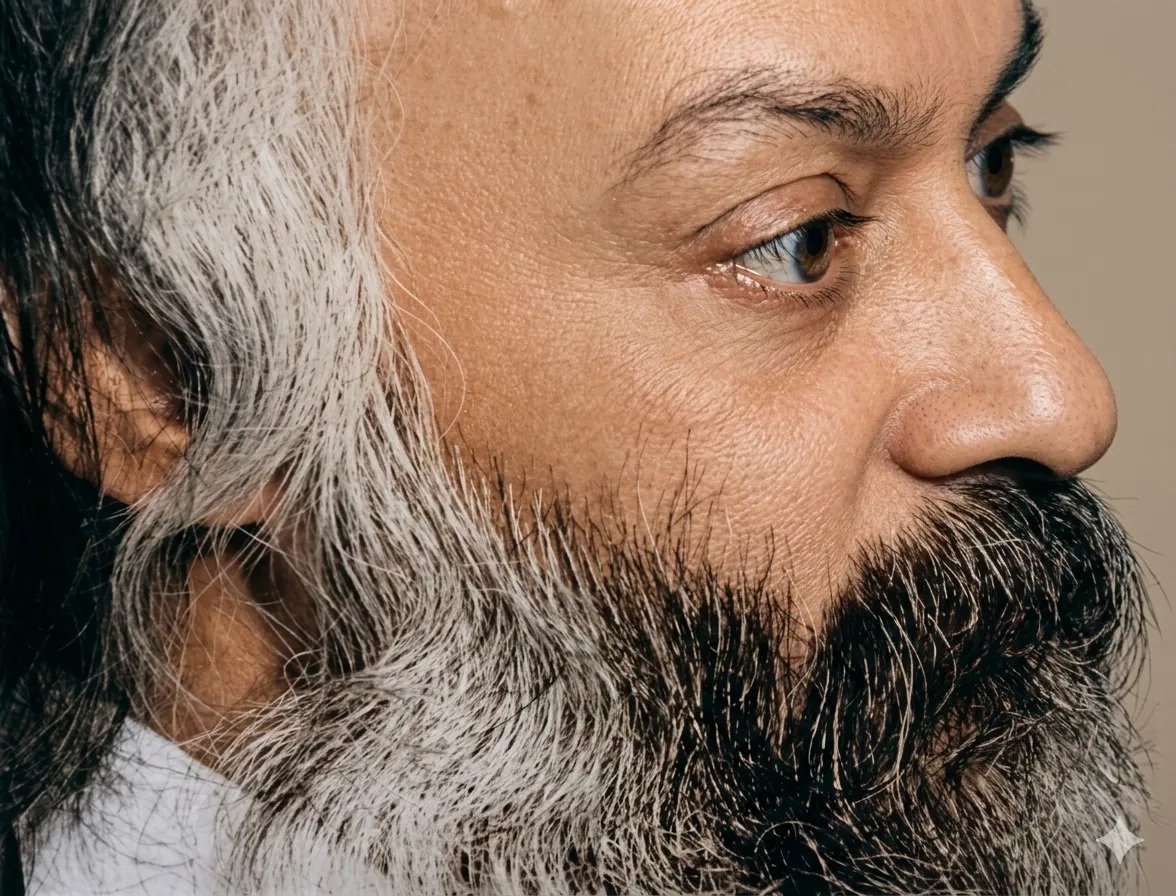
Your jumpy feeling means you’re still growing; don’t numb it—use it to look within, grow up spiritually, and real calm will come.
From the Discourses
Passages where Osho speaks to this question — each links to the complete discourse.
A friend has asked, Osho, I am very restless, and so much energy gets used up in this restlessness. How can I make use of it, and what is its cause?
But the anger remains there; it will not change by your turning away. It will change by your standing your ground and seeing it. If you turn your back, anger will make deeper wounds within and lay down roots. Fix both your eyes on anger. This is the moment to consciously see anger. When lust seizes the mind, do not run. Do not panic. Do not chant Ram-Ram. Look lust straight in the face. A direct encounter with the passions is necessary. But man has been taught to run. He has been told, wherever something bad appears—run away. But where will you run? The bad is within you; it will go with you. There is no way to run away from yourself. If evil were outside somewhere, we could run. It stands within—we will have to change it. We will have to use this manure. And using it is not…
एक मित्र ने पूछा है, ओशो, मैं बहुत बेचैन हूं और मेरे पास इतनी बेचैनी है कि सारी शक्ति इस बेचैनी में ही समाप्त हो जाती है। तो मैं इस बेचैनी का क्या उपयोग कर सकता हूं और इस बेचैनी का कारण क्या है?
लेकिन क्रोध वहां पड़ा है, वह बदलेगा नहीं। आपके हटने से नहीं बदलेगा; आपके जम जाने से और देखने से बदलेगा। आप पीठ कर लेंगे, तो क्रोध और घाव बना देगा भीतर, और जड़ें जमा लेगा। आप अपनी दोनों आंखें क्रोध पर गड़ा दें। और यह क्षण है कि आप होशपूर्वक क्रोध को देख लें। कामवासना मन को पकड़े, तो भागें मत। घबड़ाएं मत। राम-राम मत जपें। कामवासना को सीधा देखें। सीधा साक्षात्कार जरूरी है वासनाओं का। लेकिन आदमी को भागना सिखाया गया है। उसको कहा गया है, जहां भी कुछ बुरा दिखाई पड़े, भाग खड़े होओ। लेकिन भागोगे कहां? बुरा तुम्हारे भीतर है, वह तुम्हारे साथ चला जाएगा। अपने से भागने का कोई भी रास्ता नहीं है। अगर बुराई कहीं बाहर होती, तो हम भाग भी जाते। वह हमारे भीतर खड़ी है, उसको बदलना पड़ेगा। इस खाद का उपयोग करना पड़ेगा। और इसका उपयोग करना बहुत कठिन नहीं है।
First, I have asked one question. And I have also asked one or two related questions. It is asked: Osho, the mind is restless. Without effort and without renunciation, how can it become steady?
No. I will say to you: it is not an effort. If I am clenching my fist and ask you, “How do I open this fist?” what will you say? You will say: “To open it, you need do nothing. Please stop doing what you are doing to clench it; the fist will open by itself.” Opening is not an effort; the moment you cease the effort that clenches, opening happens. Or if I pull down a branch and hold it, and ask how to return it to its place—what will you say? “Do nothing to return it. Just stop doing what holds it down; it will return by itself.” What are we doing continuously with the mind? We are doing something. If we stop that, the mind will quiet by itself. It will quiet by itself. As I said this morning, we are constantly engaged in resistance—twenty-four hours resisting.…
सबसे पहले एक प्रश्न पूछा है। और उससे संबंधित एक-दो प्रश्न और भी पूछे हैं। पूछा है: ओशो, मन चंचल है और बिना अयास और वैराग्य के वह कैसे थिर होगा?
नहीं, मैं आपसे निवेदन करूंगा, यह अयास नहीं है। जैसे अगर मैं यह मुट्ठी बांधे हूं और कोई मेरे पास आए और मैं उससे पूछूं कि इस मुट्ठी को मैं कैसे खोलूं? तो वह मुझसे क्या कहेगा? वह कहेगा: खोलने के लिए कुछ भी करने की जरूरत नहीं है, बांधने के लिए जो कुछ कर रहे हैं, कृपा कर उतना ही न करें, मुट्ठी तो खुल जाएगी। मुट्ठी का खुलना तो अपने आप हो जाएगा, हम उसे बांधने के लिए जो कर रहे हैं, वह भर न करें। तो मुट्ठी का खुलना अयास नहीं है, बांधने के लिए हम जो अयास कर रहे हैं, उसके छोड़ते ही मुट्ठी खुल जाएगी। जैसे एक वृक्ष की शाखा को हम खींच कर पकड़ लें और किसी से पूछें कि अब इसे इसकी जगह वापस लौटाने के लिए क्या करें? तो वह क्या कहेगा? वह कहेगा: आप कुछ भी न करें वापस लौटाने के लिए, कृपया इसे रोक रखने के लिए जो कर रहे हैं, वह भर न करें, शाखा अपने आप वापस लौट जाएगी। हम मन के साथ जो कर रहे हैं निरंतर, क्या कर रहे हैं हम मन के साथ? हम कुछ काम कर रहे हैं मन के साथ। अगर हम वह न करें, मन अपने आप शांत हो जाएगा। …
Osho, yesterday you said that jealousy is included in respect. I have immense respect for you, but the jealousy inherent in it keeps poisoning it, and I feel guilt and pain. Does reverence transcend this poison-laced respect?
It needs a little explaining—it's a delicate point. Whenever you respect someone, you do so because you see in that person something you do not have. You respect because you glimpse in the other something you would also like to possess. A beggar respects an emperor because he, too, longs to be an emperor. So on the one hand he respects, and inside he also envies. Because he is not yet an emperor but wants to be. You have attained what he wants to attain. He respects you as skillful, successful: “I stand far back in the line; you have gone ahead to where I should have been.” So you are powerful, clever, intelligent, strong—he respects you. But inside a fire of jealousy also burns—if he gets the chance, he would like to be in your place and push you aside. And if the beggar gets that chance, he will…
तीसरा प्रश्न: ओशो, आपने कल कहा, आदर में ईर्ष्या सम्मिलित है। आपके प्रति मुझमें अपार आदर है, लेकिन उसमें निहित ईर्ष्या उसमें जहर घोलती रहती है और मैं ग्लानि और पीड़ा का अनुभव करता हूं। क्या श्रद्धा इस विष-भरे आदर का अतिक्रमण करती है?
भिखारी सम्राट का आदर करता है, क्योंकि उसकी भी आकांक्षा है कि सम्राट हो। तो एक तरफ आदर भी करता है, भीतर ईर्ष्या भी करता है। क्योंकि सम्राट अभी वह है नहीं, सम्राट होना चाहता है। तुम हो गए हो, तुमने वह पा लिया है जो वह पाना चाहता है। इसलिए तुम्हें आदर भी करता है कि तुम कुशल हो, सफल हो, मैं पंक्ति में बहुत पीछे खड़ा हूं, तुम आगे पहुंच गए हो, तुम उस जगह पहुंच गए हो जहां मुझे होना चाहिए था। इसलिए तुम शक्तिशाली हो, होशियार हो, बुद्धिमान हो, बलशाली हो, तुम्हारा आदर करता हूं। लेकिन एक भीतर ईर्ष्या की आग भी जलती है--अगर मुझे मौका मिले तो उस जगह मैं होना चाहूंगा, तुम्हें हटाना चाहूंगा। और जब मौका मिल जाएगा इस भिखारी को तो यह सम्राट को हटा कर धक्का दे देगा, सिंहासन पर बैठ जाएगा।
Understand the mechanism of mind. The mind is restless; you say it should be quiet. The mind was restless; you have added a new restlessness—that now it should be quiet. Understand the restlessness of mind. You have ten thousand rupees; you wanted a million; therefore the mind is restless. You were not content with what is. You demanded what is not. Restlessness arises from the demand for the ‘no’. Restlessness comes from lack. From what is, restlessness never arises; from asking for what is not, it arises. The wife you have—you want one more beautiful. The husband you have—you want one more renowned. The son you have—you want one more intelligent. The house you have—you want one bigger. The prestige you have—you want it deeper. The position you hold—you want one higher. Restlessness comes from wanting what you do not have.
इस मन की व्यवस्था को समझें। मन अशांत है, तुम कहते हो शांत होना चाहिए। मन तो अशांत था, एक और नई अशांति तुमने जोड़ी कि अब शांत होना चाहिए। मन की अशांति को समझो। तुम्हारे पास दस हजार रुपये हैं, तुम दस लाख चाहते थे, इसलिए मन अशांत है। जितना है उससे तुम तृप्त न थे। जो नहीं है वह तुम मांग रहे थे। ‘नहीं’ की मांग से अशांति आई। अशांति आती है अभाव से। जो है, उससे अशांति कभी नहीं आती है; जो नहीं है, उसकी मांग से आती है। जो पत्नी तुम्हारी है, उससे सुंदर चाहिए। जो पति तुम्हारा है, उससे ज्यादा यशस्वी चाहिए। जो बेटा तुम्हारा है, उससे ज्यादा बुद्धिमान चाहिए। जैसा मकान है, उससे बड़ा चाहिए। जितनी तुम्हारी प्रतिष्ठा है, उससे गहरी चाहिए। जो पद तुम्हारे पास है, उससे आगे का पद चाहिए। अशांति आती है उसकी मांग से जो तुम्हारे पास नहीं है। फिर, जब तुम अशांत हो गए तो अब तुम एक और नई बात मांगना शुरू करते हो--पुराना जाल तो कायम है और उसी जाल का गणित और फैलता है--अब तुम कहते हो, मुझे शांति चाहिए। …
Please explain the nature of the experiences we call boredom and restlessness.
No woman can believe that her husband is attracted to other women. There is the whole point, the whole crux. If he is not attracted to other women, how can she expect that he will be attracted to herself? If he is attracted to other women only then can he be attracted to her, because she is also a woman. The wife wants him to be attracted to her and not attracted to anybody else. Now this is asking something absurd. It is as if you are saying, 'You are allowed to breathe only in my presence and when you go near somebody else, you are not allowed to breathe. How dare you breathe anywhere else?' Just breathe when the wife is there, just breathe when the husband is there, and don't breathe anywhere else. Of course, if you do that you will be dead and you will not be…