
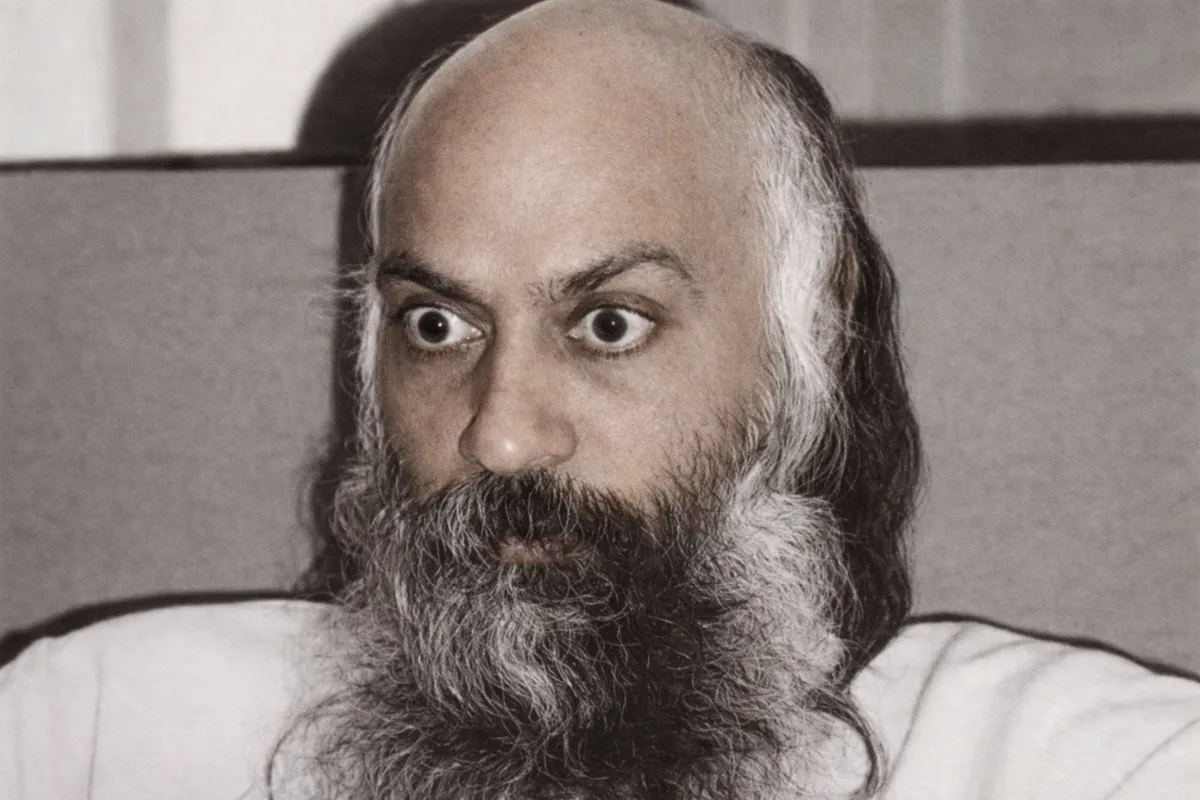
Osho's perspective on Memories
When Osho Spoke About Memories
Passages from the discourses where this theme comes alive.
Osho, in a sequence-bound life and in a spontaneous life, will memories come to an end?
No. In a sequence-bound life, your very being will emerge from your memory. In a spontaneous life, your being will use your memory. That is the difference. In a spontaneous life you will be new every moment; if you wish, you will use memory! Memory will remain stored in the treasury of your consciousness—present, not erased; it will remain. But it will be like the basement of your house filled with many things: when needed, you take something out. That is why Buddha gave it a name; he called it agara—an abode. Smriti-agar: a storehouse, the storehouse of consciousness. A repository of consciousness, set aside. When you need it—even your spontaneous existence will need memory—you will use it. If you have to return home, you will need the memory of your home; you will use it.
ओशो, श्रृंखलाबद्ध जीवन में और स्पांटेनियस जीवन में स्मृतियां क्या खत्म हो जाएंगी?
नहीं, श्रृंखलाबद्ध जीवन में आपका होना आपकी स्मृति से निकलेगा। सहज जीवन में आपका होना आपकी स्मृति का उपयोग करेगा। इतना फर्क होगा। आप तो प्रतिपल नये होंगे सहज जीवन में, अगर आप चाहेंगे तो अपनी स्मृति का उपयोग करेंगे! स्मृति आपके चित्त के संग्रह में पड़ी रहेगी, मौजूद रहेगी, मिट नहीं जाएगी, बनी रहेगी। लेकिन वह ऐसे ही होगी जैसे आपके घर में नीचे के तलघर में बहुत सा सामान भरा है, जब जरूरत होती है, आप निकाल लेते हैं। इसलिए बुद्ध ने जो नाम दिया है उसको, उसको नाम दिया है, उन्होंने कहा है, आगार; कहा है, आवास। स्मृति-आगार। वह एक संग्रह है, स्टोर-हाउस ऑफ कांशसनेस। चेतना का एक संग्रह है। जो पड़ा है एक तरफ। …
Questioner: what is the place of memory in what you call a sequential life and in a life of spontaneity?
While a life with sequence follows its memory like a slave, a spontaneous life uses it like a master. This is the difference. If you live a natural life, if you are renewed from moment to moment, it does not mean your memory is wiped out -- it is rightly stored in your mind, and you can use it as you like. It is as if many things are stored in the basement of your house and you can take out anything you need from this store. That is why Buddha has called it an agaar, a storehouse of memories, of consciousness. One who lives spontaneously also needs his memory. If he is in town and wants to return to his house in the evening, it is his memory of the house and the way to it that will enable him to do so. And he will use it rightly.
Osho, regarding the mind—as you say it continues from lifetime to lifetime and remains the same—does any subtle memory remain after a person dies?
Yes, the mind remains the same, and after a person dies all the memory remains with them. But layers settle over it. Imagine we don’t clean this room for seven years: today dust will come, and it will keep coming every day for seven years. After seven years, when we return, the top layer will be today’s, and below it the earlier layers will be pressed down. The seven-year-old layer will still be there, but buried very deep. It’s possible the top layer won’t even know that seven years of dust lie underneath. So the mind is traveling, and the journey is progressive. Every day you add something to it. Yesterday gets buried under today; then today will be buried under tomorrow. The previous birth gets buried under this birth, and the one before that under two births, and so on—down into what psychologists call the unconscious. Sometimes it happens…
प्रश्न: ओशो, मन की, और जैसा आप कहते हैं कि जन्म-जन्म से यह चलता है, मन तो वही होता है, आदमी की मृत्यु के बाद कोई सूक्ष्म मेमोरी रह जाती है?
हां, मन वही होता है और आदमी की मृत्यु के बाद सारी स्मृति आदमी के पास रह जाती है। लेकिन उसकी पर्तें जम जाती हैं। जैसे कि इस कमरे को हम सात साल तक साफ न करें, तो आज भी धूल आएगी। और सात साल तक इस कमरे में आती रहेगी। सात साल बाद जब हम इस कमरे में आएंगे तो जो ऊपर की परत होगी, वह तो आज की होगी और नीचे की परतें नीचे दब गई होंगी। सात साल पुरानी परतभी होगी, लेकिन वह बहुत नीचे होगी। हो सकता है ऊपर की परत को पता भी न हो कि नीचे धूल की सात साल पुरानी परतें भी जमी हैं। तो मन यात्रा कर रहा है, और यात्रा है प्रोग्रेसिव। आप उसमें रोज कुछ एड कर रहे हैं, कुछ जोड़ रहे हैं। तो कल दब जाएगा आज से। फिर आज दब जाएगा आने वाले कल से। और दबता चला जाएगा। पिछला जन्म दब जाएगा इस जन्म से, उसका भी पिछला जन्म दब जाएगा दो जन्मों से और नीचे जिसको अनकांशियस कहते हैं मनोवैज्ञानिक, अचेतन कहते हैं, उसमें छिपता चला जाएगा। कई बार ऐसा हो सकता है कि आप खुद अपने अनकांशियस हों और आपके बीच इतना बड़ा फासला होता है। …
Another friend has asked: Osho, what is the relationship between the method of meditation and jati-smaran (recollection of past lives)?
But the one who becomes skilled in this—who can fully awaken any day’s memory up to the age of five—will find that the memories begin to awaken completely. And you should test it. As today passes, note down some events and lock them up. After two years, try to recall today. Most of it will have been forgotten. Then remember—and after remembering, break the lock and compare whether what you recalled matches what you had written. You will be amazed—astonished—that besides what you wrote, many more details have come back which you did not even note at the time. They will all be there in memory. Buddha called this alaya-vijnana. There is a corner of the human mind he called the storehouse of consciousness. Like a junk room in the house where we keep all the odds and ends, there is a storehouse that collects memories—where everything from birth after…
एक और मित्र ने पूछा है कि ओशो, ध्यान की विधि और जाति-स्मरण में क्या संबंध है?
लेकिन जो व्यक्ति इसमें समर्थ हो जाएगा, पांच वर्ष की उम्र तक की किसी भी दिन की स्मृति को पूरा जगाने लगेगा...और वह पूरी जगने लगती है। और फिर उसको इस तरह जांच कर लेनी चाहिए। जैसे आज का दिन गुजर रहा है, तो आज के दिन की कुछ बातें नोट करके ताले में बंद कर दें। दो साल बाद आज के दिन को याद करें। वह सब खो जाएगा आज का दिन। और तब स्मरण करें, और स्मरण करके फिर ताला तोड़ें, और फिर मेल करें कि वह बात मेल खा गई कि नहीं। और आप हैरान होंगे--आप हैरान होंगे कि जितनी आपने लिखी थीं, उससे बहुत ज्यादा बातें और भी याद आई हैं जो कि आप उस दिन भी नोट नहीं कर पाए थे। वे तो सब बातें याद आ ही जाएंगी। इसको बुद्ध ने नाम दिया है, आलय-विज्ञान। मनुष्य के मन का एक कोना है, जिसको उन्होंने आलय-विज्ञान कहा है। आलय-विज्ञान का मतलब होता है, स्टोर हाउस आफ कांशसनेस। जैसे घर में एक कबाड़खाना होता है, जहां हम सब बेकार हो गई चीजों को डालते चले जाते हैं। …
Profound Quotes on Memories
Explore our structured collection of meaning-mapped quotes regarding Memories.