
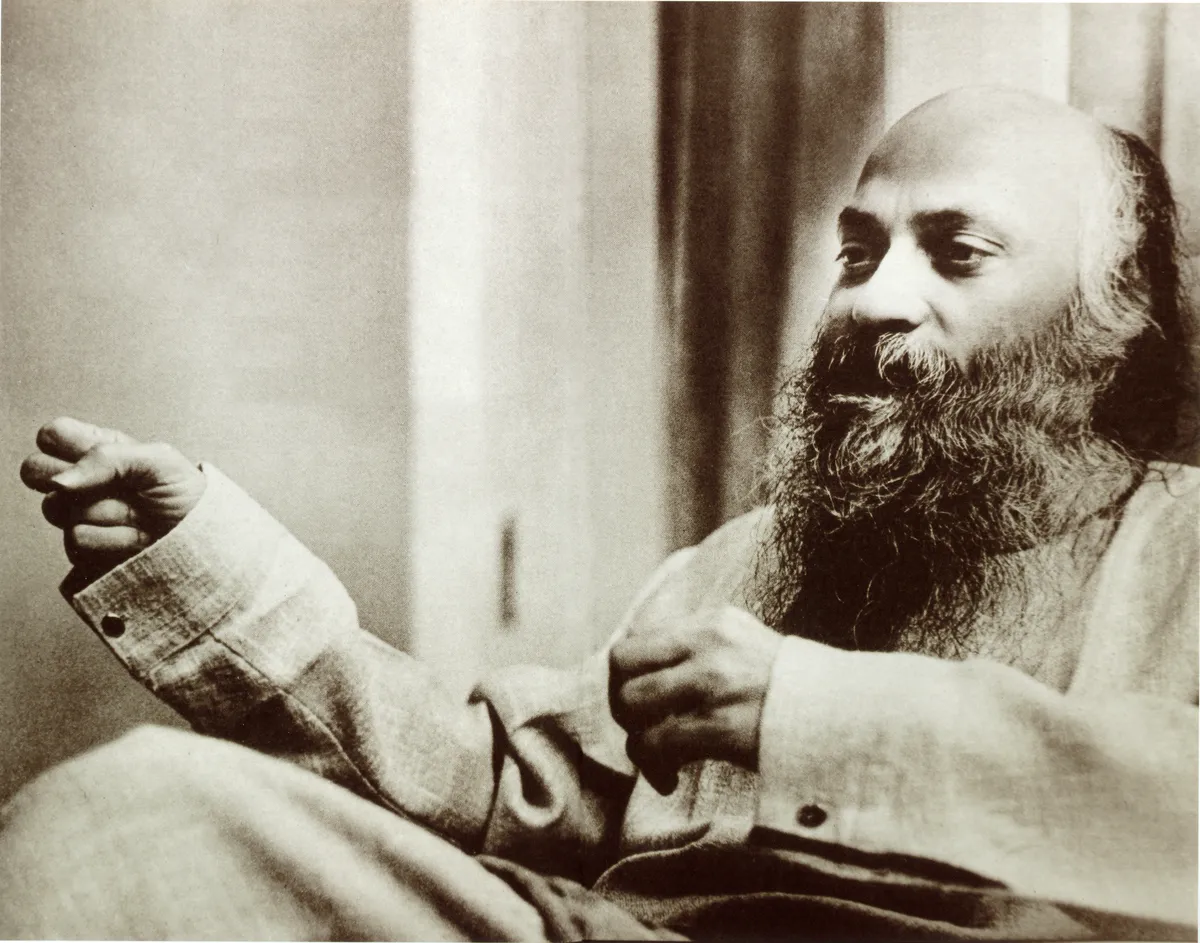
Pay attention to your joys without judging or forcing yourself to quit; when you truly understand them, they loosen and you feel whole.
From the Discourses
Passages where Osho speaks to this question — each links to the complete discourse.
Osho, is it not true that as long as a person is incomplete, imperfect, the rhythms and melodies of life will not stop pursuing him? The question is: how is he to become complete?
If Buddha says it, it must be right. But don’t accept it as your belief. If Buddha says it, it must be right—there is no reason he would be wrong. He has passed through your state, gone beyond you; he too played with these games and toys. So whatever he says is likely to be right. But that is Buddha’s statement; do not make it your creed. You try to understand this play. In the very understanding of the play you will slowly see for yourself that Buddha is right. His rightness will become your experience. Suddenly you will find: the toys are slipping away, lying in a corner. One day every child’s toys lie in a corner; then they go to the trash heap; then they are not even remembered. Years pass, and you don’t even remember what happened to those toys without which even sleep was impossible. Surely…
आखिरी प्रश्न: ओशो, क्या यह सच नहीं है कि जब तक मनुष्य अधूरा, अपूर्ण है, तब तक जीवन के छंद-राग उसका पीछा नहीं छोड़ेंगे? प्रश्न यह है कि वह पूर्ण कैसे हो?
बुद्ध कहते हैं तो ठीक ही कहते होंगे। ठीक मान मत लेना। बुद्ध कहते हैं, ठीक ही कहते होंगे; गलत कहने का कोई कारण नहीं है। क्योंकि बुद्ध तुम्हारी अवस्था से गुजर चुके हैं, तुमसे आगे जा चुके हैं, इन खेल-खिलौनों में खुद भी रहे थे। इसलिए जो कहते हैं, ठीक ही कहते होंगे। लेकिन यह बुद्ध का वक्तव्य है, तुम्हारा मत बना लेना। तुम तो समझने की कोशिश करना इस खेल को। इस खेल की समझ में ही तुम्हें धीरे-धीरे दिखाई पड़ेगा कि बुद्ध ठीक कहते हैं। यह ठीक होना तुम्हारा अनुभव भी बन जाएगा। अचानक तुम पाओगे: खेल-खिलौने छूटने लगे, पड़े रह गए एक कोने में। एक दिन हर बच्चे के खेल-खिलौने कोने में पड़े रह जाते हैं। इसके पहले सो भी नहीं सकता था उनके बिना, रात भी छाती से लगाकर सोता था; फिर एक दिन कोने में पड़े रह जाते हैं, फिर कचरे-घर में चले जाते हैं, फिर याद भी नहीं आती। वर्षों बीत जाते हैं, याद भी नहीं आती कि क्या हुआ उन खिलौनों का, जिनके बिना सोना भी मुश्किल था।
Osho, we are incomplete. However much we search outside or inside, how will the Whole ever be seen? How will we find the Whole?
It’s true. You are incomplete; all your seeking will remain incomplete. But non-seeking can be complete. Whatever you seek, you will be the seeker; it will be a search of your own hand, it will be like you. Whatever you make will carry your imprint. Whatever you construct, whatever you create, will be incomplete. If the maker is incomplete, how can the creation be complete? Quite right. Whatever you think will be incomplete. Whatever ideas you entertain will be fragmentary. Whatever conclusions you draw can never be whole and total. If you have faith, it will be incomplete; if you doubt, that too will be incomplete. You go into the world—half-and-half; you enter the temple—half-and-half. Because you are incomplete. That’s right. Then is there no way? God is complete and you are incomplete. And whatever you do will be incomplete—prayer incomplete, sadhana incomplete, samadhi incomplete. So how will you find…
तीसरा प्रश्न: ओशो, हम अधूरे हैं। हम बाहर या भीतर कितनी ही खोज करें, हमें पूरा कैसे दिखेगा? पूरा कैसे मिलेगा?
तुम जो भी खोजोगे, तुम्हीं खोजोगे; तुम्हारे हाथ की ही खोज होगी, तुम्हारे जैसी ही रहेगी। तुम जो भी बनाओगे, उसमें तुम्हारी ही छाप होगी। तुम जो भी निर्मित करोगे, सृजन करोगे, वह अधूरा ही होगा। क्योंकि अधूरा बनाने वाला है, तो कृति कैसे पूरी हो सकती है? बिलकुल ठीक बात है। तुम जो भी सोचोगे, वह अधूरा होगा। तुम जो भी विचार करोगे, वह खंडित होगा। तुम जो भी निष्कर्ष लोगे, वह कभी संपूर्ण और समग्र नहीं हो सकता। तुम श्रद्धा करोगे, तो अधूरी; तुम संदेह करोगे, तो अधूरा। तुम संसार में जाओगे, तो आधे-आधे; तुम मंदिर में प्रवेश करोगे, तो आधे-आधे। क्योंकि तुम अधूरे हो। बात ठीक है। तो क्या फिर कोई उपाय नहीं है? क्योंकि परमात्मा तो पूरा है और तुम अधूरे हो। और तुम जो भी करोगे, वह सब अधूरा होगा--प्रार्थना भी अधूरी, साधना भी अधूरी, समाधि भी अधूरी। तो तुम पूरे परमात्मा को कैसे पाओगे?
It is not a difficult process because the process of looking is the same, just the object changes: you start turning your consciousness upon yourself. You may have seen many pictures of snakes swallowing their own tails. Those pictures are very ancient symbols of mystery schools; they represent this inner transformation. When your consciousness starts turning upon itself you become a circle, and the moment you are a circle you are no more the same old person. Your life starts having a new grace, a new beauty, a new beatitude. You become golden, you become precious. For the first time you have a contact with god, and that contact is a magical transformation. It is sheer magic and a miracle. Enjoy the trip, don't be too fixated on the target, Osho said in conclusion. Bliss is not a pond, it is a river. It is not static.
Osho, entangled in the hope of becoming something, nothing happened. Only the awareness remained that I am. Neither wealth came, nor a house was built, nor music arrived, nor did I become a scholar. Even living itself did not suit me. After coming here, unknowingly I gave life a new direction. The past has been spent in wandering, the present in sannyas, and you decide the future—what will it be?
Deepak Bharti! In life there is only one entanglement, the one and only—and it is there in everyone’s life without exception—the hope of becoming something. You are what you are; you cannot be otherwise. The very effort to be otherwise is anxiety, gloom, anguish. In that effort a vicious circle is born. Then with your own hands you raise new whirlpools; you sink and you rise, you sink and you rise. Your life becomes a long series of dreams—and of every dream’s shattering. If a rose wants to become a lotus, madness is certain. If champa wants to become jasmine, illness is certain. What is, as it is—its acceptance is sannyas. Sannyas means: tathata, thusness; to embrace oneself totally—not in defeat, not as a consolation, not as a sop, because that would be false; but with understanding, with awareness, by seeing this truth: a rose is a rose, and as…
पहला प्रश्न: ओशो, कुछ बनने की आस में उलझता रहा, कुछ न हुआ। सिर्फ यह बोध रह गया कि मैं हूं। न धन आया, न मकान बना, न संगीत आया, न विद्वान बना। न जीना ही मुझको रास आया। यहां आकर जीवन को एक नई दिशा अनजाने ही दे दी। अतीत भटकाव में बीत गया, वर्तमान संन्यास में, और भविष्य का निर्णय आप करें, क्या होगा?
दीपक भारती! जीवन में एक ही उलझाव है, बस एकमात्र उलझाव—और सबके जीवन में निरपवाद रूप से—कुछ बनने की आशा। तुम जो हो हो, अन्यथा नहीं हो सकते हो। अन्यथा होने की चेष्टा में ही चिंता है, विषाद है, संताप है। अन्यथा होने की चेष्टा में ही दुष्चक्र पैदा होता है। फिर तुम अपने हाथ से नई-नई भंवरे खड़ी करते हो; डूबते हो, उबरते हो; डूबते हो, उबरते हो। तुम्हारी जिंदगी फिर एक लंबे सपनों का सिलसिला और हर सपने का बिखराव बन जाती है। गुलाब अगर कमल बनना चाहे तो विक्षिप्त हो ही जाएगा। चंपा अगर चमेली बनना चाहे तो रोग निश्र्चित है। जो जो है, जो जैसा है, वैसे के स्वीकार का नाम ही संन्यास है। संन्यास का अर्थ है: तथाता; समग्ररूपेण अपने को अंगीकार कर लेना—किसी हारी हुई मनःस्थिति में नहीं, किसी पराजय में नहीं, सांत्वना के लिए नहीं—क्योंकि वह सब तो झूठ होगा; वरन समझपूर्वक, ध्यानपूर्वक इस सत्य को दर्शन करके कि गुलाब गुलाब है और गुलाब होकर सुंदर है, अप्रतिम है, और कोई जरूरत नहीं है कि कमल बने। …
Osho, when you speak of completeness, does one have to make distinctions within it?
One does have to make distinctions, because a person may be complete in experience and yet have no expression at all. Many have known and remained silent; they did not say anything. They could not find a way to speak. They simply could not find it. As I said yesterday: suppose you go now to Dal Lake and behold its beauty. It may happen that you have a complete experience of beauty—but that does not mean you can come back and make a painting in which you paint Dal Lake. It doesn’t mean that. And it may also happen that someone with less experience than you comes back and paints it, because the skill of painting is a different matter. You get my meaning, don’t you? The skill of painting is entirely different from the skill of experiencing. You may go to Dal Lake and be soaked through with the…
प्रश्न: ओशो, तो जब आप पूर्णता कहते हैं, तो उसमें अलग-अलग करना पड़ेगा?
अलग-अलग करना ही पड़े, क्योंकि कोई व्यक्ति अनुभूति में पूर्ण हो सकता है और अभिव्यक्ति बिलकुल न हो। अनेक लोग जाने हैं और मौन रह गए, फिर कहा ही नहीं उन्होंने। खोज ही नहीं सके मार्ग कहने का वे। खोज ही नहीं सके। जैसा मैंने कल कहा। जैसे कि आप अभी जाएंगे डल झील पर और सौंदर्य को देखेंगे। और हो सकता है कि सौंदर्य का पूर्ण अनुभव आपको हो जाए, लेकिन इससे यह मतलब नहीं कि आप आकर एक पेंटिंग बना सकें जिसमें आप डल झील को पेंट कर दें। इससे यह मतलब नहीं है। और यह भी हो सकता है कि आपसे कम अनुभव किसी को हो और वह आकर पेंट कर दे, क्योंकि पेंट की कुशलता अलग बात है। मेरा मतलब समझे न आप?