
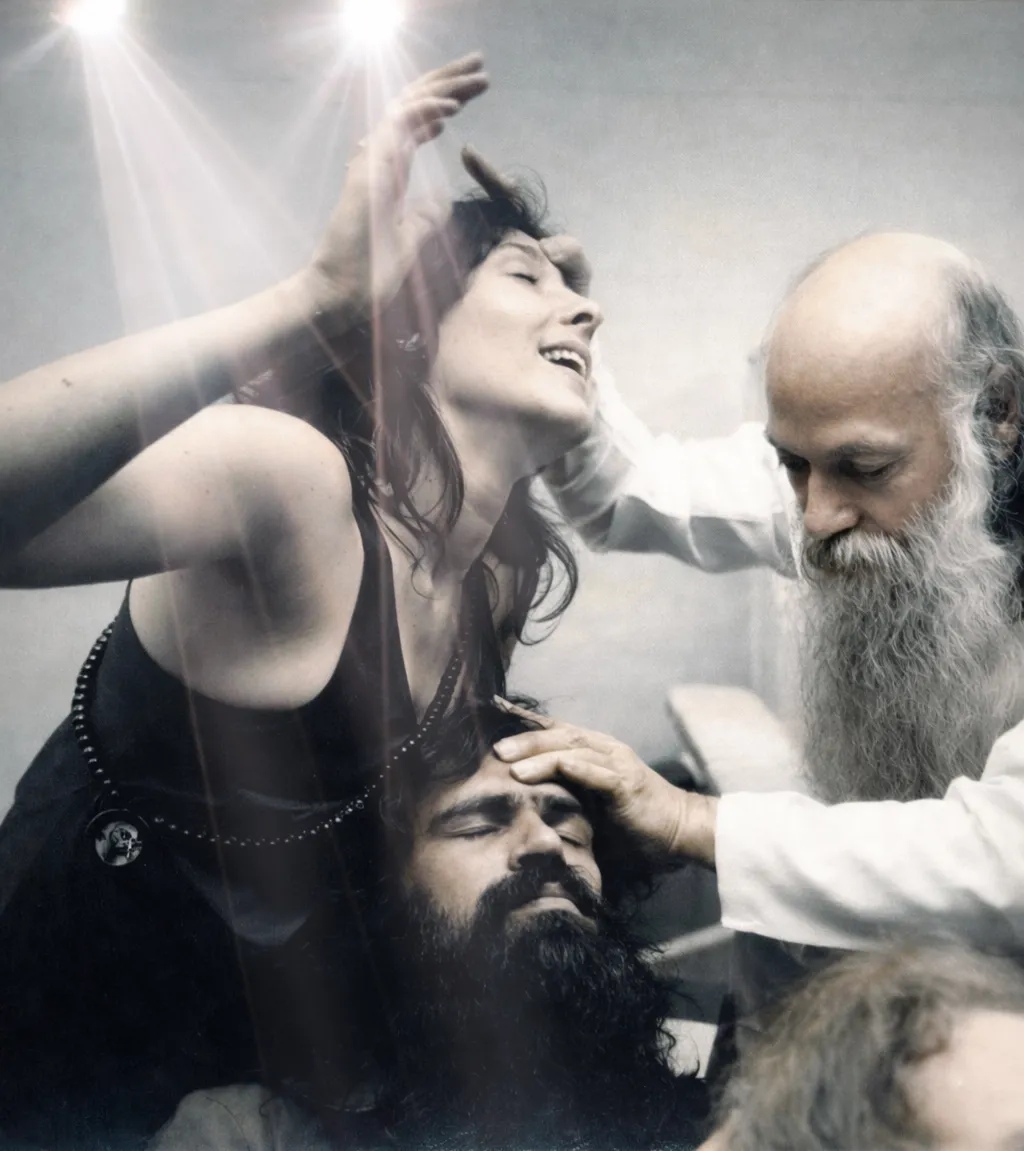
Yes—when you really love God, you can cry, complain, and argue, and it still counts as prayer because it comes from deep longing.
From the Discourses
Passages where Osho speaks to this question — each links to the complete discourse.
Question: Third question: Osho, does a devotee ever quarrel with God? Only the devotee quarrels! Who else would? Only the devotee can quarrel! Who else has such strength? A devotee knows no fear. Where is there fear in love? That is why I say: Tulsidas’s statement is wrong when he said, “Without fear there is no love.” Tulsidas did not know love. Where there is fear, how can there be love? And whatever arises out of fear will be something else—it is not love. Someone stands over you with a stick and says, “Love me!” You will obey because you see the stick—otherwise he’ll crack your skull. A mother says to her son, “Love me, I am your mother! Otherwise I won’t give you milk; you will starve.” The son thinks, “I’ll have to love.” This “love” is born of fear. A father says, “Love me, I am your father!
… कोई डंडा लेकर खड़ा है और तुमसे कहता है, प्रेम करो मुझे! करोगे तुम, क्योंकि डंडा देख रहे हो, नहीं तो सिर खोल देगा। मां बेटे से कह रही है कि मुझे प्रेम करो, मैं तेरी मां हूं! और नहीं तो दूध नहीं दूंगी, भूखा मर जाएगा। बेटा भी सोचता है कि प्रेम करना पड़ेगा। यह प्रीति तो भय से हो रही है। बाप कहता है, मुझे प्रेम करो, मैं पिता हूं तुम्हारा! इस जगत में तुम्हारी जो प्रीतियां हैं, वे भय से ही हो रही हैं। तुलसीदास उस संबंध में सच हैं। लेकिन ये प्रीतियां कहां हैं? ये तो पाखंड हैं। ये तो थोथी बातें हैं, जबर्दस्ती ओढ़ ली हैं। इनमें सत्य नहीं है, प्रामाणिकता नहीं है। असली प्रीति भय से नहीं होती। और जहां प्रीति होती है, वहां भय नहीं होता। …
Now I will quarrel only with You. You alone are—there is nothing else. If it must be—let the quarrel be with You; let dispute be with You; complaint be with You. Understand the difference: You too complain; the bhakta too complains. But in your complaint there is no prayer. In the bhakta’s complaint, there is prayer. You go to God to ask something, to complain—This is like this, it should be like that… The great Western thinker Emerson said: The essence of man’s prayers is only this: people go to God and say that two and two should not make four. You have stolen—there should be no punishment. You have sinned—there should be no suffering. Man’s prayers are that what should be—should not be. Let something else be, what you want should be. You want the arrangement changed. Your prayer is desire. Your complaint is filled with anger.
अब तुमसे ही झगडूंगी। तुम्हीं हो, और तो कुछ है नहीं। अगर न होगा तो तुम्हीं से झंझट होगी, तुम्हीं से विवाद होगा, तुम्हीं से शिकायत होगी। फर्क समझना। तुम भी शिकायत करते हो, भक्त भी शिकायत करता है; लेकिन तुम्हारी शिकायत में कोई प्रार्थना नहीं होती। भक्त की शिकायत में भी प्रार्थना होती है। तुम भी जाते हो भगवान से कुछ मांगने और शिकायत करने कि ऐसा है, ऐसा होना चाहिए.। पश्चिम के बहुत बड़े विचारक इमर्सन ने कहा है कि आदमी की सब प्रार्थनाओं का सार-निचोड़ इतना है कि लोग जाकर भगवान से कहते हैं कि दो और दो चार नहीं होना चाहिए। तुमने चोरी की, अब सजा नहीं होनी चाहिए। तुमने पाप किया, अब दुख नहीं होना चाहिए। आदमी की सारी प्रार्थनाएं बस ऐसी ही हैं कि जो होना चाहिए वह नहीं होना चाहिए। कुछ और हो जाए जो तुम चाहते हो कि होना चाहिए। तुम व्यवस्था में कुछ रूपांतरण चाहते हो।
Osho, in the pangs of separation from the Beloved, the devotee sometimes weeps and sometimes laughs. What kind of contradiction is this?
Or tell me outright that relief is not in my fate. If You must give, then give today—not on the Day of Judgment. How long is one to wait? And yet he knows too, he understands too— To complain to Him is futile, Seemab: It is you who are not yet worthy of His gracious glance. He knows this as well: What cause for complaint? What is my worthiness? I am not yet even fit for His compassion! So wearied am I by these mirage-like thoughts, My heart wishes even you would not come into thought. Exasperated, I would break this enchantment of thought— Or make me certain that it is You who dwell in my thought. Sometimes he becomes so harried by remembering and remembering, by weeping and weeping, that he says: I am so tired, so afflicted...so wearied am I by these mirage-like thoughts—by thoughts of you, by…
दूसरा प्रश्न: ओशो, भक्त प्रभु-विरह में कभी रोता है कभी हंसता है, यह विरोधाभास कैसा?
उनसे शिकवा फजूल है सीमाप काबले इल्तिफाक तू ही नहीं शिकायत क्या करूं, यह भी जानता है। मेरी पात्रता क्या है! अभी मैं उनकी करुणा के योग्य भी कहां हूं! आजुरदा इस कदर हूं सराबे-ख़याल से। जी चाहता है तुम भी न आओ ख़याल में।। तंग आके तोड़ता हूं, ख़याले तिलस्म को। या मुतमइन करो कि तुम्हीं हो ख़याल में।। कभी ऐसा परेशान हो जाता है याद करते-करते, याद करते-करते, रोते-रोते जार-जार हो जाता है, कि कहता है: इतना थक गया हूं, इतना व्यथित हो गया हूं...आजुरदा इस कदर हूं सराबे-ख़याल से...तुम्हारे खयाल में, तुम्हारे ध्यान में, तुम्हारी स्मृति में इस तरह व्यथित हो गया हूं कि अब तो जी चाहता है तुम भी न आओ खयाल में। मगर बस यह क्षण-भर को बात टिकती है और दूसरे ही क्षण कहता है-- तंग आके तोड़ता हूं, ख़याले-तिलस्म को।
The woman could not trust this. She asked, ‘Do you have a son? Can you honestly say you have never been angry with him, never raised your hand?’ The psychologist said, ‘If you must know the truth—the truth is, I never lift my hand against my son—except sometimes, in self-defense. In self-defense!’ In love even anger becomes glorified. Remember this alchemy: even soil joined with love turns to gold. But if you cut anger off, you will find you have severed love’s wings. The man who cannot be angry cannot love either. This is why your so-called saints turn loveless. Because all their effort has been that anger should not happen—somehow to repress it. Anger is repressed; love is repressed along with it. In their garden, thorns no longer grow—but flowers do not grow either. What kind of bargain is this?
वह स्त्री भरोसा नहीं कर पाती। वह पूछती है, तुम्हारा बेटा है? तुम ईमानदारी से कह सकते हो कि तुमने कभी अपने बेटे पर क्रोध नहीं किया, या अपने बेटे पर कभी हाथ नहीं उठाया? वह मनोवैज्ञानिक कहता है, अगर सच ही पूछती हो तो सच यह है--ऐसे तो मैं अपने बेटे पर कभी हाथ नहीं उठाता लेकिन आत्म-रक्षा के लिए कभी-कभी उठाता हूं। आत्मरक्षा के लिए! प्रेम के साथ क्रोध भी महिमावान हो जाता है। यह कीमिया खयाल में रखना। प्रेम के साथ मिट्टी भी जुड़ जाए तो सोना हो जाती है। और अगर क्रोध को काट डाला तो तुम पाओगे, तुमने पंख काट डाले प्रेम के। जो आदमी क्रोध नहीं कर सकता वह आदमी प्रेम भी नहीं कर सकता। इसलिए तो तुम्हारे तथाकथित साधु-संत प्रेम शून्य हो जाते हैं। क्योंकि उन्होंने सारी चेष्टा यही की है कि क्रोध न हो पाए। बस किसी तरह क्रोध को रोक लेना है। क्रोध तो रुक गया, साथ ही प्रेम भी रुक गया। कांटे तो नहीं ऊगते अब उनके बगीचे में लेकिन फूल भी नहीं ऊगते। यह कोई सौदा हुआ? कांटों की वजह से फूल न ऊगें, यह कोई समझदारी हुई? …
Question: The last question: Osho, can a devotee live only by the support of belief? Belief is a hollow thing, a false thing. A devotee lives by love, not by belief. Belief is needed by those in whose lives love is absent. In a devotee, love wells up on seeing existence. Seeing green trees, the desire to embrace them arises. Hearing music, there is a longing to become musical. Seeing the stars, one feels like dancing with them. In a devotee, love toward existence has awakened. A devotee has no need of belief. In a devotee, trust has arisen. And there is a great difference between trust and belief. Belief belongs to the head, trust belongs to the heart. Belief is of doctrine. If you are born in a Hindu home, your beliefs are Hindu; that does not make you a devotee.
विश्वास तो थोथी बात है, झूठी बात है। भक्त तो प्रेम के सहारे जीता है, विश्वास के सहारे नहीं। विश्वास की जरूरत तो उनको पड़ती है, जिनके जीवन में प्रेम नहीं है। भक्त को तो अस्तित्व को देखकर प्रेम उमगता है। हरे वृक्षों को देखकर आलिंगन करने की कामना जगती है। संगीत सुनकर संगीतमय हो जाने की अभीप्सा जगती है। तारों को देखकर तारों के साथ नाचने का मन होता है। भक्त को तो अस्तित्व के प्रति प्रेम जगा है। विश्वास की भक्त को जरूरत ही नहीं है। भक्त को तो श्रद्धा जगी है। और श्रद्धा और विश्वास में बड़ा फर्क है। विश्वास होता है सिर का, श्रद्धा होती है हृदय की। विश्वास तो सिद्धांत का होता है। जैसे तुम हिंदू घर में पैदा हुए तो तुम्हारे विश्वास हिंदू हैं; इससे तुम भक्त नहीं हो गए। तुम मुसलमान घर में पैदा हुए तो तुम्हारे विश्वास मुसलमान हैं; इससे तुम भक्त नहीं हो गए। भक्त न तो हिंदू होता, न मुसलमान, न ईसाई, न जैन, न बौद्ध--भक्त तो बस भक्त होता है; उतना होना पर्याप्त है; विशेषण रहित होता है।