
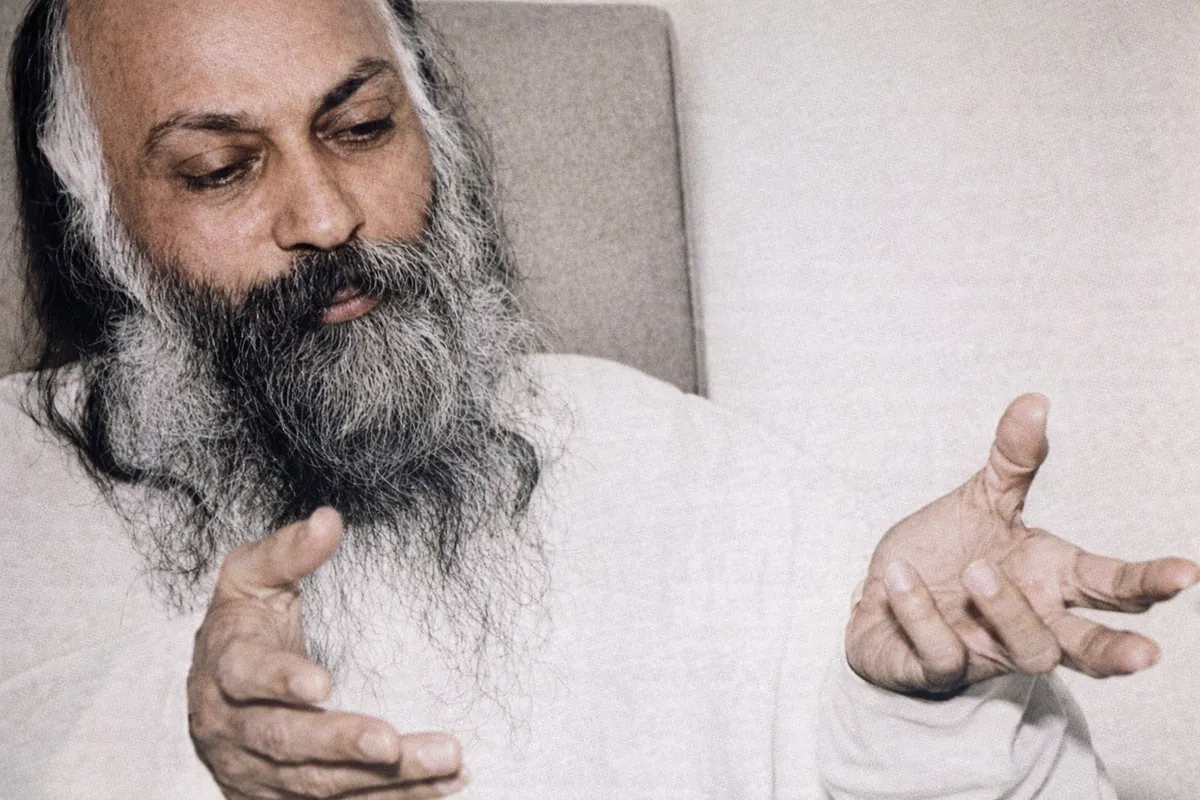
Osho's perspective on Samsara
When Osho Spoke About Samsara
Passages from the discourses where this theme comes alive.
Osho, Buddha has said that those steadfast ones who practice meditation continuously attain the unsurpassable ease and security called nirvana. Are there kinds of nirvana?
It is said of the Zen master Rinzai that he had eighteen hundred satori experiences before samadhi. Eighteen hundred is only symbolic; they could be eighteen thousand. However many glimpses there may be, a glimpse is only a message: “I am coming closer, closer”—but I have not yet arrived. The goal begins to be seen, and then it is lost again, because the moods of the mind keep changing. On some days meditation settles easily—the mind is buoyant, quiet, blissful. On other days it does not settle—there is a miss, and a great distance arises. So there is often a coming near and a moving far. But once the glimpses begin—once the taste comes—you cannot be led astray. One thing is now certain: what you are seeking is. It is not imagination. Whatever the births it may take, it is. Faith arises. And as soon as faith arises, satori slowly…
पांचवां प्रश्न: ओशो, बुद्ध ने कहा है, ध्यान का सतत अभ्यास करने वाले धीर पुरुष अनुत्तर योगक्षेम रूप निर्वाण को प्राप्त होते हैं। क्या निर्वाण के भी प्रकार हैं?
झेन फकीर रिंझाई के संबंध में कहा जाता है कि उसे अट्ठारह सौ सतोरी अनुभव हुईं समाधि के पहले। अट्ठारह सौ भी सिर्फ प्रतीक हैं, अट्ठारह हजार भी हो सकती हैं। तो कितनी ही बार झलक हो सकती है। लेकिन झलक सिर्फ खबर है इस बात की कि मैं करीब आ रहा हूं, करीब आ रहा हूं; लेकिन अभी आ नहीं गया हूं। मंजिल दिखायी पड़ने लगी है। फिर कई बार खो भी जाती है मंजिल, क्योंकि मन के भावावेग बदलते रहते हैं। कभी ध्यान सध जाता है किसी दिन, मन प्रफुल्ल होता है, शांत होता है, आनंदित होता है। सध जाता है किसी दिन। किसी दिन नहीं सधता, चूक जाता है, बड़ी दूरी हो जाती है। ऐसा कई बार पास आना और कई बार दूर होना हो जाता है। लेकिन, जिसको झलकें मिलने लगीं, जरा-जरा स्वाद आने लगा, वह अब भटक नहीं सकता। अब एक बात तो पक्की हो गयी कि जिसकी तलाश है, वह है; जिसको खोजते थे, वह कल्पना नहीं है; जिसकी तरफ चले थे, वह चाहे मिले न जन्मों-जन्मों तक भी अब, लेकिन है। श्रद्धा का आविर्भाव होता है। …
Osho, in the Chandogya Upanishad there is a sutra: na pashyato mṛtyuṁ pashyati na rogaṁ noto duḥkhatām, sarvaṁ ha paśyaḥ paśyati sarvam āpnoti sarvaśa iti. That is, the knower does not see death, nor disease, nor sorrow; he sees all as the Self and attains everything. You are a witness—does a buddha truly see even death, disease, and sorrow as the very Self? Kindly give us direction on this sutra.
Buddha uses nirvana in exactly this sense. When the flickering lamp of ego is extinguished, the whole sky is yours. The moons and stars are yours. When you are not, everything is yours. Understand this paradox well—here lies the secret of religion, the distilled essence of the mystics and seers. The sutra of the Chandogya is profound—very profound. Let the ego dissolve; you are no more; then all is yours. When you are not, nothing is “other.” It is the “I” that creates the “you,” the division. When the line of “I” disappears, the courtyard becomes the sky. Demolish the walls you have drawn around your yard—your courtyard is the open heavens. Na pashyato mṛtyum... To the knower death is not seen—he does not know death, he does not die—because whatever could die he let die in advance. Ego could die—and what is unreal alone can die. What is, is…
पहला प्रश्न: ओशो, छान्दोग्य उपनिषद में एक सूत्र इस प्रकार है: न पश्यतो मृत्युं पश्यति न रोगं नोत दुखतां सर्वं ह पश्यः पश्यति सर्वमाप्नोति सर्वश इति। अर्थात ज्ञानी न मृत्यु को देखता है, न रोग को और न दुख को; वह सबको आत्मरूप देखता है। और सब कुछ प्राप्त कर लेता है। आप तो गवाह हैं, क्या सच ही बुद्धपुरुष को मृत्यु, रोग और दुख में भी आत्मरूप ही दिखाई पड़ता है? इस सूत्र पर हमें दिशा-बोध देने की कृपा करें।
ठीक बुद्ध ने इसी अर्थों में निर्वाण कहा है। अहंकार का टिमटिमाता दीया बुझ जाए, तो यह सारा आकाश तुम्हारा है। ये सारे चांद-तारे तुम्हारे हैं। तुम नहीं हो तो सब तुम्हारा है। इस विरोधाभास को ठीक से समझ लेना, क्योंकि इसमें ही सारे धर्म का राज, सारी अनुभूतियों का निचोड़ है। जैसे कोई हजार-हजार गुलाब के फूलों को निचोड़ कर इत्र बनाए, ऐसा इसमें सारा निचोड़ है रहस्यवादियों का, ऋषियों का। छांदोग्य का यह सूत्र गहरा है। बहुत गहरा है। अहंकार मिट जाए, तुम न रहो, तो सब तुम्हारा है। तुम न रहे, तो कुछ पराया न रहा। यह मैं ही है जो तू को खड़ा कर देता है। यह मैं ही है जो विभाजित कर देता है। यह मैं का विभाजन गिर गया, यह रेखा हट गई, तो आंगन मिट कर आकाश हो जाता है। आंगन के चारों तरफ तुमने जो दीवाल खींच रखी है, उसे गिरा दो, तो तुम्हारा आंगन आकाश है। न पश्यतो मृत्युं... ज्ञानी को मृत्यु दिखाई ही नहीं पड़ती। ज्ञानी मृत्यु को जानता ही नहीं। ज्ञानी मरता ही नहीं। …
Osho, what is the status of death in nirvana?
Nirvana means, first, that one has come to know perfectly that death does not happen at all—one. Second, that what we call life yields nothing—this too has been known. Nirvana means the knowing of two truths: that what we call death is not death, and what we call life is not life. Are you following me? I have just told you one thing: whoever truly knows death will find that death is not death. But coupled with it is a second happening: whoever looks at life with total wakefulness will discover that what the world calls life is not life either. That too is a social delusion, just as death is a social delusion. Nirvana means these two insights are fully realized. If you know only this much—that death is not death—life will still continue. You have known only half. The longing will remain to live again, to grab another…
ओशो, निर्वाण में मृत्यु की क्या स्थिति होती है?
निर्वाण का मतलब ही यह है कि जिस व्यक्ति ने, मृत्यु होती ही नहीं, ऐसा परिपूर्ण रूप से जान लिया--एक। दूसरा, जिसे हम जीवन कहते हैं, उसमें कुछ मिलता ही नहीं, ऐसा भी जान लिया। निर्वाण का मतलब है दो सत्यों की जानकारी--कि जिसे हम मृत्यु कहते हैं, वह मृत्यु नहीं; और जिसे हम जीवन कहते हैं, वह जीवन नहीं। मेरी बात समझ रहे हो न तुम? यह तो मैंने अभी एक बात तुमसे कही कि मृत्यु को जो जानेगा, वह पाएगा कि मृत्यु मृत्यु नहीं है। लेकिन इससे ही संयुक्त दूसरी घटना भी है कि जो जीवन को पूरा जागकर देखेगा, वह पाएगा कि जिसको दुनिया जीवन कह रही है, वह जीवन भी नहीं है। वह भी एक सामाजिक भ्रांति है, जैसे मृत्यु एक सामाजिक भ्रांति है। निर्वाण का मतलब है, इन दोनों बातों का पूरी तरह अनुभव हो जाना। मृत्यु अगर मृत्यु नहीं है, इतना ही तुमने जाना, तो अभी और जीवन चलता रहेगा। अभी आधा ही जाना। अभी आकांक्षा रहेगी कि फिर जीएं, फिर शरीर पकड़ें, फिर जन्म लें। वह चलता रहेगा। …
Osho, are the English word “salvation” and the Sanskrit terms moksha, Vaikuntha, and nirvana all synonymous?
Nirvana is the final notion. No one remains. This will frighten you too. That is why not many are drawn to nirvana—no one remains! Then what is the point? You want bliss, yes—but you also want to remain; otherwise, what is the point even of bliss! And Buddha says: as long as you are, suffering remains. You are the suffering. The very notion of “I” is suffering. Where you are not, there is bliss. Now this becomes a little difficult. It has to—when things reach such heights they become difficult. They go beyond logic. They slip out of the grasp of the intellect. These four words are different, as I said, in practical terms. In the transcendental sense, they are not different. Whether one goes by the path of salvation, or by Vaikuntha, or by moksha, or by nirvana, ultimately one will arrive only at nirvana. Because those that do…
दूसरा प्रश्न: ओशो, क्या अंग्रेजी का शब्द साल्वेशन और संस्कृत के मोक्ष, बैकुंठ और निर्वाण, सब समानार्थी हैं?
तो निर्वाण आखिरी धारणा है। कोई नहीं बचता। इससे तुम डरोगे भी। इसीलिए निर्वाण से बहुत लोग प्रभावित नहीं होते--कोई नहीं बचता! तो फिर सार क्या? तुम बचना तो चाहते हो। तुम यह चाहते हो कि आनंद तो हो, जरूर हो, लेकिन मैं भी तो रहूं, नहीं तो फिर आनंद होने का भी क्या सार है! और बुद्ध कहते हैं, तुम जब तक हो तब तक दुख रहेगा। तुम दुख। यह मैं की धारणा ही दुख है। जहां तुम नहीं रहे, वहीं आनंद है। अब यह थोड़ा कठिन हो जाता है। हो ही जाएगा, उतनी ऊंचाई पर जब बातें पहुंचती हैं तो कठिन हो जाती हैं। तर्कातीत हो जाती हैं। बुद्धि की पकड़ में नहीं आतीं। बुद्धि के हाथ से फिसल-फिसल जाती हैं। ये चारों शब्द अलग-अलग हैं, लेकिन मैंने कहा, व्यावहारिक अर्थों में। पारमार्थिक अर्थों में अलग-अलग नहीं हैं। चाहे कोई साल्वेशन के मार्ग से जाए, चाहे कोई बैकुंठ के मार्ग से जाए, चाहे कोई मोक्ष के, चाहे कोई निर्वाण के, अंततः निर्वाण में ही पहुंच जाएगा। …
What is samsara?
definitionProfound Quotes on Samsara
Explore our structured collection of meaning-mapped quotes regarding Samsara.