
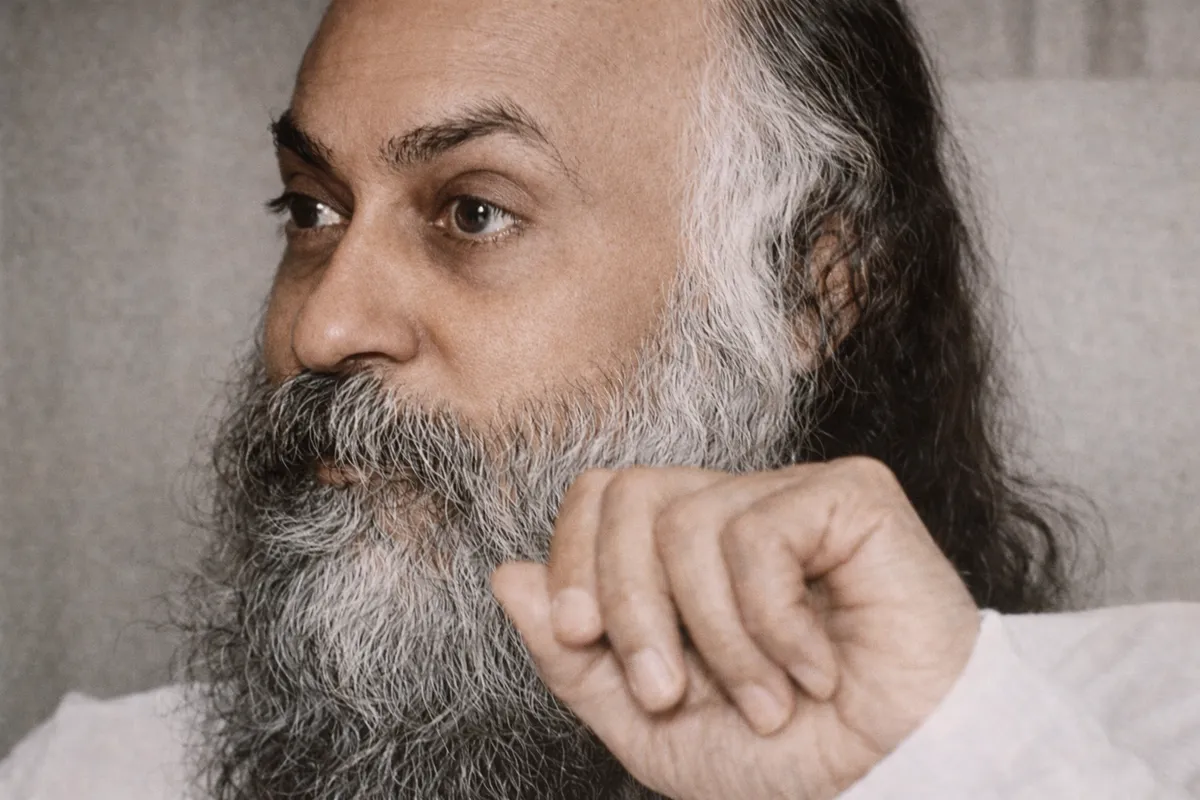
Osho's perspective on Austerity
When Osho Spoke About Austerity
Passages from the discourses where this theme comes alive.
A friend has asked: Osho, is austerity needed in spiritual practice or not?
What I am telling you—purification of body, purification of thought, purification of feeling; emptiness of body, emptiness of thought, emptiness of feeling—this is austerity. What do people think austerity is? A man standing in the blazing sun—“he is doing austerity!” Someone lying on thorns—“he is doing austerity!” Someone sitting hungry—“he is doing austerity!” Our concept of austerity is extremely materialistic, very physical. For us, austerity means tormenting the body. If someone inflicts pain on the body, we say he is practicing austerity. But austerity has nothing to do with bodily torture. Austerity is something wondrous; it is something altogether different. A man is fasting. We think he is practicing austerity. He is merely starving. And I would even say he is not fasting at all; he is simply without food. Being without food, not eating, is one thing; being in upavasa is quite another. Upavasa means dwelling near the divine.…
एक मित्र ने पूछा है कि ओशो, साधना में तपश्चर्या की जरूरत है या नहीं?
… शरीर को कोई कष्ट दे रहा है, तो तपश्चर्या कर रहा है। जब कि तपश्चर्या का कोई संबंध शरीर के कष्ट से नहीं है। तपश्चर्या बड़ी अदभुत बात है। तपश्चर्या कुछ बात ही और है। एक आदमी उपवास कर रहा है। हम समझते हैं, तपश्चर्या कर रहा है। वह केवल भूखा मर रहा है। और मैं तो यह भी कहता हूं कि वह उपवास कर ही नहीं रहा है। वह केवल अनाहार है। अनाहार रहना, भोजन न करना एक बात है। उपवास में रहना बिलकुल दूसरी बात है।
How helpful is austerity in practicing meditation?
In my view there is only one austerity: create awareness. Break the stupor. Dissolve the mind’s whirl and alternatives. Bring about unmodified, thought-free samadhi. And as a consequence, the changes that come will be visible to others as “austerity.” Take Mahavira, for example. People beat him, struck him, tormented him. We think, “How much he endured! What an ascetic!” We imagine because we put ourselves in his place: if people beat us and we had to refrain from striking back, how hard it would be—what austerity! As for Mahavira, he would only be astonished: “What pain must these poor souls be in that they have become bent on beating?” There was a monk in Uttar Pradesh whom many people revered; great kings would serve him. A certain king gifted him many golden vessels—an entire sackful. The hut had not even a latch. At night a thief came to carry it…
प्रश्न: तपश्चर्या कितनी सहयोगी होगी ध्यान करने में...
तो मेरी दृष्टि में तो एक ही तपश्चर्या है, और वह तपश्चर्या यह है कि जागरूकता को पैदा करें। मूर्च्छा को तोड़ें। चित्त की विकार-विकल्प की स्थिति को विसर्जित करें। निर्विकार, निर्विकल्प समाधि को उत्पन्न करें। और उसके परिणाम में जो-जो परिवर्तन होंगे, वे दूसरों को दिखाई पड़ेंगे कि तपश्चर्या हो रही है। अब जैसे महावीर का उल्लेख। महावीर को लोगों ने मारा, ठोंका, पीटा। उनको कष्ट दिए। हमको लगता है: यह आदमी कितना सहा! कितना तपस्वी था! लोग मार रहे हैं, और वे सह रहे हैं—हमको ऐसा लगता है। क्योंकि असल में महावीर की जगह हम अपने को रख कर सोचते हैं। अगर लोग हमको मार रहे हैं, और हमको उन्हें न मारना पड़े तो कितना कष्ट होगा? कितनी तपश्चर्या होगी? और जहां तक महावीर का संबंध है, उन्हें केवल यह हैरानी हो रही होगी कि इन बेचारों को कैसी पीड़ा है कि यह मारने पर उतारू हो गए हैं। एक साधु थे उत्तर प्रदेश में। उनको अनेक लोग मानते थे। बड़े-बड़े राजा-महाराजा उनकी सेवा में जाते थे। …
Osho, the severe austerities that Bhagwan Buddha practiced for six years before enlightenment—did all of that go to waste? Or did some part of it also serve a purpose? Kindly explain.
And then “six years” … don’t think that the number six has any special relation either. Don’t decide, “All right, we too will run for six years.” It depends on how intensely you run, how totally you run. If you have Buddha’s urgency, it happens in six years; otherwise not even in sixty. If you run slowly, limping along, checking the clock to see when the six years will be over—“Come on, let’s trudge a little more”—dragging yourself somehow, then in six years the work will not be done; even six lifetimes may pass. It depends on how total your running is. Buddha staked everything—that is his glory. He staked wealth, position, prestige—everything. Body and mind, everything was dedicated to that search. He held nothing back, no miserliness. The running was not half-and-half, not lukewarm. Only at a hundred degrees does water turn to steam. After six years of running…
Osho, a small question. Yesterday you spoke about “Among divine personalities, that is, among yogis, I am tejas.” In the previous verse it says, “Among ascetics I am tapas.” Kindly also clarify the meaning of that.
That is precisely the meaning of tapas. It means the person, for the first time, becomes inwardly self-possessed. As long as sorrow shakes you, you are weak before sorrow. If pleasure shakes you, you are weak before pleasure. If one garland of flowers placed around your neck makes you tremble, then you are worth less than that garland. Your price is not very high. I have heard: a millionaire fell into a pond. Many people stood watching. A stranger in the crowd shouted, “Why are you just standing there? The man is drowning!” He didn’t know who the man was. He himself jumped in, and with great difficulty, at risk to his own life, he pulled the millionaire out. When the rich man came to, he said, “Thank you very much,” put his hand in his pocket, fumbled, and then presented the man with a single paisa. The whole crowd…
प्रश्न: ओशो, एक छोटा-सा प्रश्न है। कल आपने दिव्य व्यक्तित्व में अर्थात योगी में मैं तेजस हूं, इसकी चर्चा की। पिछले श्लोक में कहे गए, मैं तपस्वियों में तप हूं, इसका भी अर्थ स्पष्ट करने की कृपा करें।
तप का ठीक अर्थ वही है। तप का अर्थ है, वह व्यक्ति पहली दफे भीतर आत्मवान बनता है। जब तक दुख आपको हिला देता है, आप दुख से कमजोर हैं। सुख हिला देता है, सुख से कमजोर हैं। कोई एक फूल की माला गले में डाल देता है और आप कंप जाते हैं, तो आप फूल की माला से कम कीमती हैं। आपकी कीमत बहुत ज्यादा नहीं है। मैंने सुना है कि एक करोड़पति एक तालाब में गिर गया था। अनेक लोग खड़े होकर देख रहे थे। एक अजनबी आदमी भी भीड़ में था, वह चिल्लाया कि तुम खड़े होकर क्यों देख रहे हो? आदमी मर रहा है! उसे कुछ पता नहीं था कि वह आदमी कौन है। वह बेचारा कूद पड़ा। उस करोड़पति को, बड़ी मुश्किल से, अपनी जान को जोखिम में डालकर, बचाकर बाहर लाया। …
Is austerity needed in spiritual practice?
definitionProfound Quotes on Austerity
Explore our structured collection of meaning-mapped quotes regarding Austerity.