
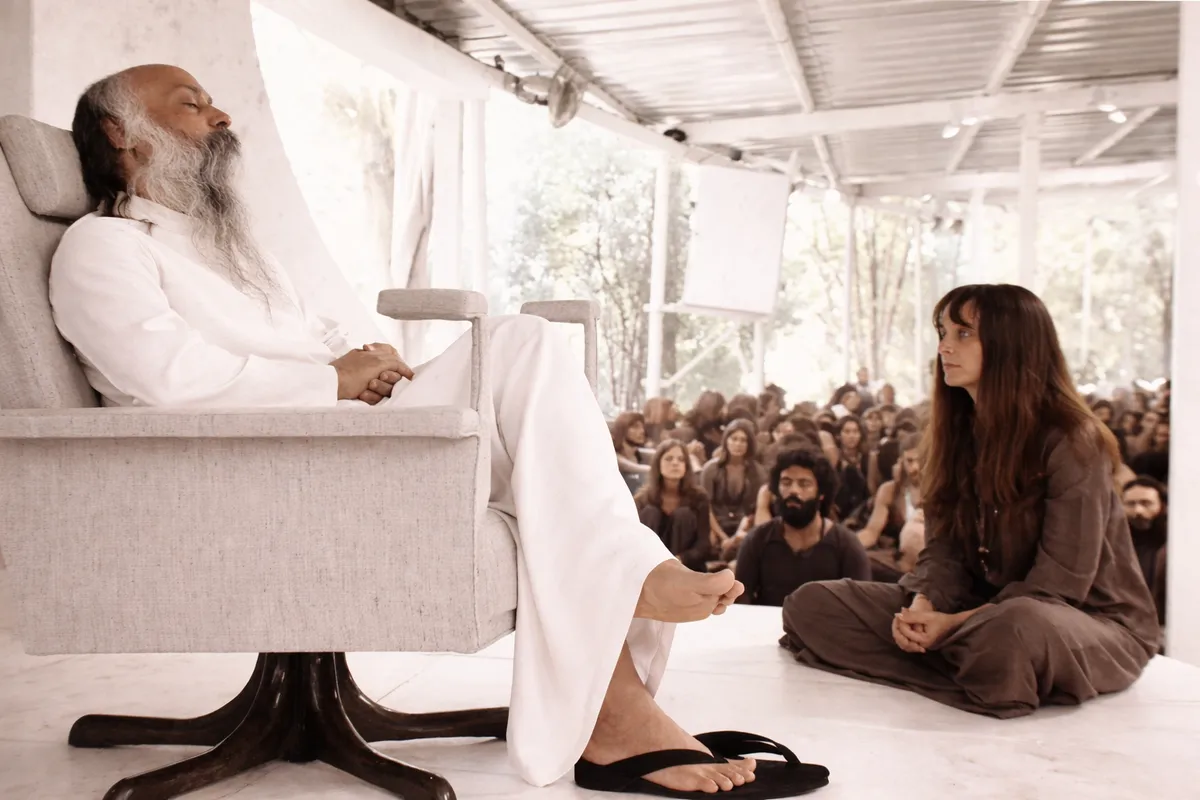
Feeling sad is normal until you find your true self; instead of figuring out why it’s dark inside, just turn on the light by sitting quietly and meditating.
From the Discourses
Passages where Osho speaks to this question — each links to the complete discourse.
Osho, why is there so much melancholy in my life?
Anil Bharti! In whose life is there no melancholy? Until there is self-realization, there will be melancholy. Until the Divine is found, there will be melancholy. It is natural. So don’t get into analyzing melancholy. Put that energy into meditation. This is the difference between psychology and religion. Psychology analyzes why melancholy is there, what its causes are; religion doesn’t bother about why or what the causes are—it directly suggests meditation. Consider: there is darkness in your house. Should you first figure out why it’s dark, what the cause is—or light a lamp? I say, even if you want to understand darkness, how will you do it without lighting a lamp? First light the lamp, then try to find where the darkness is—you won’t find it. Don’t ask for an analysis of melancholy. Light the lamp. Melancholy is like darkness. When, in your separation, we panic, we bang our heads…
Osho, why am I extremely sad when there is no reason at all to be sad?
Perhaps for that very reason. When there is a reason for sadness, one can at least understand: well, there is a cause; at least there is a cause, so I am sad. There is a pretext. No one will call you mad. You can say: my wife died, my son went to jail, my shop collapsed, I went bankrupt. Then there is logic to your sadness. With logic, you feel safe. You can say it is perfectly natural to be sad. What else can I do? If your wife died, you too would be sad. If your business went bankrupt, you too would cry. So it isn’t only me who weeps. You can give reasons for your tears. The greatest sadness is when there is no reason at all. Then it becomes absurd. You cannot even say why you are sad. You cannot defend your sadness. You cannot gather arguments…
पूछा है: ओशो, मैं अत्यंत उदास क्यों हूं, यद्यपि उदासी का कोई भी कारण नहीं है?
उदासी का कारण भी हो तो आदमी को समझ में आता है कि चलो कारण तो है; कम से कम कारण तो है, इसलिए उदास हूं। बहाना तो है। कोई पागल तो न कह सकेगा। बता सकता हूं कि पत्नी मर गई, कि बेटा जेल चला गया, कि दुकान डूब गई, दिवाला निकल गया। तो उदासी में तर्क है। तर्क है तो तुम सुरक्षित हो। तुम यह कह सकते हो कि उदास होना बिलकुल स्वाभाविक है। कर भी क्या सकता हूं? तुम्हारी पत्नी मरती, तो तुम भी उदास होते। और तुम्हारी दुकान का दिवाला निकलता, तो तुम भी रोते। तो कोई मैं ही रो रहा हूं, ऐसा नहीं है। तो तुम्हारे आंसुओं के लिए तुम तर्क दे सकते हो। सबसे बड़ी उदासी तो तब होती है, जब उदास होने का कोई कारण भी नहीं होता। तब बड़ी बेबूझ बात हो जाती है। तब तुम कह भी नहीं सकते कि क्यों उदास हूं। अपनी उदासी की रक्षा भी नहीं कर सकते। अपनी उदासी के लिए तर्क भी नहीं जुटा सकते। तब तुम बिलकुल असहाय हो जाते हो। ऐसा भी होता है। ऐसे होने के पीछे कई कारण हैं। …
Osho, why am I sad? I seem to have everything—comforts and conveniences—yet the sadness does not diminish; it only keeps growing. Is it my fate to end like this, in vain?
Such is the human mind. Wherever he is not, there he wants to be. You say you have comforts—but you are not in them. You keep thinking that fakirs, sannyasins, saints are the ones enjoying. So jealousy burns within. And jealousy brings sadness. Wherever you are, you can be at ease. As you are—there is a way to live life. You are missing the art of living. And you say, “This sadness keeps growing; it doesn’t lessen.” It will grow. As age advances, you will feel more defeated: so many days gone, so few left. Evening is coming, the sun is setting. Death has begun to knock. Hands and feet tremble; old age approaches; nothing has been gained. Panic will increase, and sadness will grow. But do not think, “Is my destiny to end uselessly like this?” No—no one’s destiny is to end in vain. Destiny is to become sat-chit-ananda:…
चौथा प्रश्न: ओशो, मैं उदास क्यों हूं? ऐसे तो सब है--सुख-सुविधा फिर भी उदासी है कि घटती नहीं वरन बढ़ती ही जाती है। क्या ऐसे ही, व्यर्थ ही समाप्त हो जाना मेरी नियति है?
ऐसा कुछ आदमी का चित्त है। जो जहां नहीं है वहां होना चाहता है। तुम कहते हो, सुख-सुविधा में हो, मगर तुम हो नहीं वहां सुख-सुविधा में। तुम सोचते हो यही होओगे कि फकीर मजे में हैं, संन्यासी मजे में हैं, महात्मा मजे में हैं। इसलिए तुम भीतर ईर्ष्या से जल रहे हो। और ईर्ष्या उदासी लाएगी। जहां हो वहीं मजे में हुआ जा सकता है। जैसे हो वहीं कला है जीवन को जीने की। तुम जीवन की कला से चूक रहे हो। और तुम कहते हो: यह बढ़ती जा रही है उदासी, घटती नहीं। वह तो बढ़ेगी। उम्र जैसे-जैसे बढ़ेगी वैसे-वैसे हताश होने लगोगे कि इतने दिन और गए। अब दिन थोड़े बचे। यह तो सांझ आने लगी। यह तो सूरज डूबने को होने लगा। यह मौत दरवाजे पर दस्तक देने लगी। हाथ-पैर लड़खड़ाने लगे, बुढ़ापा आने लगा, अब तक कुछ पाया नहीं। तो और घबड़ाहट बढ़ जाएगी और उदासी बढ़ जाएगी। लेकिन यह मत सोचो कि क्या ऐसे ही व्यर्थ ही समाप्त हो जाना मेरी नियति है? नहीं, किसी की भी नियति व्यर्थ समाप्त हो जाना नहीं है। नियति तो है सच्चिदानंद हो जाना। नियति तो है परमानंद हो जाना। …
Osho, why is there so much secrecy in the ashram?
The ashram is not a marketplace; it is not open to the crowd. Here I am available to those few who genuinely want to be transformed. Sightseers, passersby—there is no purpose in their coming here. The invitation is only for those who have truly come close to transformation, for that small number. Therefore there is privacy in every respect. And the privacy will increase. Because as I see that more of the unnecessary can be sifted out, I will sift them out—since they themselves gain nothing, and by their presence they do not let others gain either. I have remained open to all for a long time and have seen what happens. I found that the crowd of the pointless becomes so thick that the meaningful person gets no chance at all. The merely curious surround so much that the true inquirer is left standing at the back. The mumukshu—the…
तीसरा प्रश्न: ओशो, आश्रम में इतनी गोपनीयता क्यों है?
आश्रम कोई बाजार नहीं है, भीड़-भाड़ के लिए खुला नहीं है। यहां मैं उन थोड़े से लोगों के लिए उपलब्ध हूं, जो वस्तुतः रूपांतरित होना चाहते हैं। तमाशबीन, राह चलते लोग, उनके लिए कोई यहां आने का प्रयोजन नहीं है। यहां तो उन्हीं के लिए निमंत्रण है जो सच में ही रूपांतरित होने के करीब आ गए हैं, उन थोड़े से लोगों के लिए है। इसलिए सब तरह की गोपनीयता है। और गोपनीयता बढ़ती जाएगी। क्योंकि जैसे-जैसे मैं पाऊंगा कि और व्यर्थ लोग छांटे जा सकते हैं, उनको मैं छांट दूंगा। क्योंकि न तो उनको कोई लाभ होता, न उनके कारण दूसरों को वे लाभ होने देते। मैंने बहुत दिन सबके लिए खुला रह कर देख लिया। मैंने पाया, उसमें जो व्यर्थ के लोग हैं उनकी भीड़ इतनी हो जाती है कि सार्थक आदमी को मौका ही नहीं मिल पाता। उसमें कुतूहल वाले लोग इतना घेर लेते हैं कि जिज्ञासु पीछे ही खड़ा रह जाता है। मुमुक्षु तो विनम्र होता है। वह कहता है, जब मुझे मौका मिलेगा तब मैं पूछ लूंगा। उसको मौका ही नहीं मिलता। …
Someone has asked, “Is only a long chain of melancholy written in my destiny?”
Love is not free; it requires worthiness. But sympathy is free; it needs no qualification. If you want a beautiful husband, you must be worthy. But to become a widow—does that require any qualification? To get a divorce—does that require any qualification? But if your husband divorces you, everyone will come to offer sympathy. No one will ask whether sympathy is called for. A divorced woman—anyone offers sympathy. If you are ill, people will show sympathy. Does illness ask whether sympathy should be given? But if you are healthy, only then will someone speak a word in praise of your health, sing a song, hum when they see you. Only when supreme health blossoms within you will a tune arise in someone’s heart. To attain love, worthiness is needed—creativity is needed. Sympathy comes free; you need do nothing to get it. You must have heard an old story. A woman…
पूछा है, ‘क्या मेरी नियति में सिर्फ विषाद की एक लंबी श्रृंखला लिखी है?’
प्रेम मुफ्त नहीं मिलता। प्रेम की योग्यता चाहिए। लेकिन सहानुभूति मुफ्त मिलती है, योग्यता की कोई जरूरत नहीं। तुम्हें अगर एक सुंदर पति चाहिए, तो योग्य होना पड़ेगा। लेकिन विधवा हो जाने के लिए कोई योग्यता की जरूरत है? तलाक पाने के लिए कोई योग्यता की जरूरत है? लेकिन अगर पति तुम्हें तलाक दे दे, तो सभी सहानुभूति देने आ जाएंगे। उनमें से कोई भी यह न पूछेगा कि सहानुभूति देने की जरूरत है? तलाकी गयी पत्नी को तो कोई भी सहानुभूति देता है। अगर तुम बीमार हो, तो कोई भी सहानुभूति दिखा देगा। बीमारी को कोई थोड़े पूछता है कि सहानुभूति दें या न दें? लेकिन अगर तुम स्वस्थ हो, तो ही कोई तुम्हारे स्वास्थ्य की प्रशंसा में दो शब्द कहेगा, कोई गीत गाएगा, तुम्हें देखकर कोई गुनगुनाएगा। परम स्वास्थ्य होगा तुम्हारे भीतर, तो ही किसी के भीतर धुन पैदा होगी।