
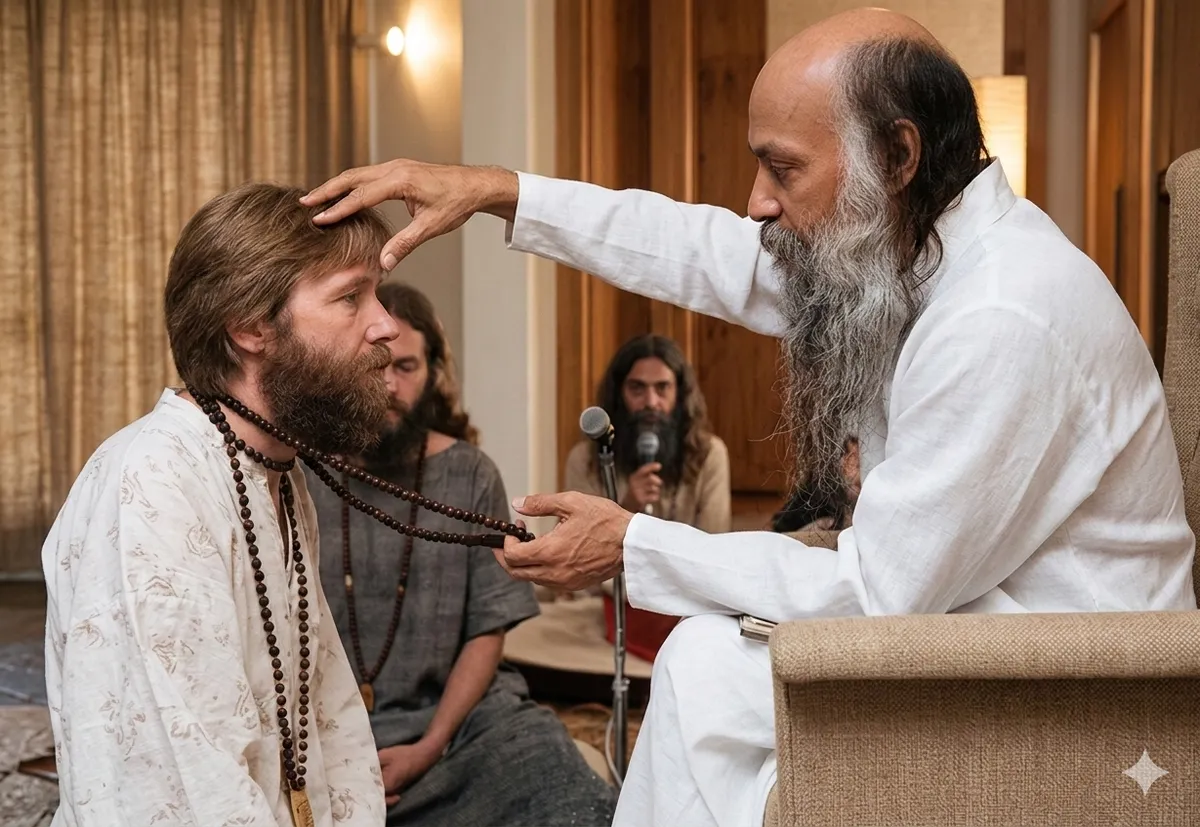
After Mahavira, many just inherited the name and rituals; to be a real 'Jin' you must find the truth yourself, not just follow family habits.
From the Discourses
Passages where Osho speaks to this question — each links to the complete discourse.
Osho, why is it that Mahavira’s “Jin” has remained merely “Jain”?
And even the meanings we take from the scriptures require a great state of witnessing; only then will the flower of meaning bloom within you. Words you can get from scripture—but where will you get meaning? You will have to supply the meaning. A patient came to his doctor and said, “It’s very difficult; what you told me can’t be done.” The doctor said, “I didn’t tell you anything difficult. I only said: eat what your child eats. Where is the problem? For a few days, eat what your child eats; your body will come onto the right track.” He said, “I tried, but I couldn’t succeed.” The doctor said, “What nonsense! You couldn’t even do this much—that you eat what your child eats? If he drinks milk, drink milk. If he eats porridge, eat porridge. And eat in the same small quantity. You couldn’t even do that?” He said,…
तीसरा प्रश्न: ओशो, क्या कारण है कि महावीर का ‘जिन’ मात्र जैन बनकर रह गया?
फिर शास्त्रों से हम जो अर्थ लेते हैं, उस अर्थ के लिए भी बड़ी साक्षी भाव-दशा चाहिए, तो ही अर्थ का फूल तुम्हारे भीतर खिलेगा। शब्द तो मिल जाते हैं शास्त्र से, अर्थ कहां से लाओगे? अर्थ तो तुम्हें डालना होगा। एक रोगी ने अपने डॉक्टर से आकर कहा कि बड़ी कठिनाई है; जो आपने कहा था, हो नहीं पाता। डॉक्टर ने कहा कि मैंने ऐसी कोई कठिन बात तुमसे कही न थी। इतना ही तो कहा था कि जो तुम्हारा बच्चा खाता है, वही भोजन तुम लो। इसमें क्या अड़चन है? कुछ दिन तक जो तुम्हारा बच्चा लेता है, वही भोजन तुम लो, तो तुम्हारा शरीर ठीक रास्ते पर आ जायेगा। उसने कहा कि मैंने प्रयत्न तो किया, पर सफल न हो सका। डॉक्टर ने कहा, ‘क्या बेवकूफी है? इतनी-सी बात तुमसे न हो सकी कि तुम्हारा बच्चा जो खाता है वही तुम खाओ? दूध पीता है तो दूध पीओ। खिचड़ी खाता है तो खिचड़ी खाओ। और जितनी थोड़ी मात्रा में खाता है उतनी ही मात्रा में खाओ। …
Osho, before Mahavira there were twenty-three Tirthankaras. Then Mahavira’s family members must have been followers of someone—Mahavira himself was not a follower of anyone—so were they followers of Parshvanath or of someone else? How did it happen that Mahavira, who forged his own path and was not anyone’s disciple, ended up with a path that coincided with Parshvanath’s path, or with that tradition? Because that path already existed! And the name “Jain” for the sect is associated with Mahavira; before him, what were those people called?
There are two or three things to understand here. First, only with Mahavira did a stream of thought become a sect. Before Mahavira there was indeed a current of thought, but it had no separate existence from the Aryan tradition. It was a current that arose within the Aryan tradition. Its name was Shramana. It was not called “Jain” yet. And there was a reason for calling it “Shramana,” as I have said earlier. I have told you that the Brahmin current does not put faith in attaining the ultimate through effort, through sadhana, through tapas. The ultimate is to be attained in an attitude of extreme humility, in prayer, in utter meekness—where we are completely helpless, where we can do nothing; the doer is That alone. In this perfect poverty—what Jesus called “poverty of the spirit”—one who is so humble and indigent in spirit that he says, “What can…
प्रश्न: ओशो, महावीर के पहले जो तेईस तीर्थंकर रहे तो महावीर के फेमिली वाले या तो किसी के अनुयायी रहे होंगे--महावीर तो किसी के अनुयायी थे नहीं--तो वे पार्श्वनाथ के अनुयायी थे या किसी के थे, तो यह कैसे हुआ कि महावीर ने जो अपना पथ स्वतः निर्माण किया, जो किसी के अनुयायी नहीं रहे, उनका पथ पार्श्वनाथ के पथ से या उस परंपरा के पथ से मेल खा गया? क्योंकि उनका पथ तो पहले से ही था! और जैन नाम जो है संप्रदाय का, वह महावीर के साथ ही साथ जुड़ा है, उसके पहले वे जो लोग थे, वे क्या कहलाते थे?
इसमें दो-तीन बातें समझने जैसी हैं। पहली बात तो यह कि महावीर के साथ ही पहली बार विचार की एक धारा संप्रदाय बनी। महावीर के पहले विचार की एक धारा थी। उस विचार की धारा का आर्य परंपरा से कोई पृथक अस्तित्व न था। वह आर्य परंपरा के भीतर पैदा हुई एक धारा थी। उसका नाम श्रमण था। जैन वह नहीं कहला रही थी तब तक। और श्रमण कहलाने का कारण था। वह कारण यह था, जैसा मैंने पीछे कहा आपको। मैंने पीछे आपको कहा कि ब्राह्मण-धारा इस बात पर श्रद्धा नहीं रखती है कि श्रम के माध्यम से, साधना के माध्यम से, तप के माध्यम से परमात्मा को पाया जा सकता है। …
Beloved Osho, mahavira was the twenty-fourth tirthankara of the jaina religion. Did the jaina religion start with the very first tirthankara or with mahavira? And what is the meaning of the word `jaina'?
And they became really rich, so rich that even kings had to borrow money from them. Nobody was a beggar, nobody was uneducated. And because they were such a small minority, attacked by all kinds of philosophies, they had to protect themselves; they sharpened their intellect. They created better arguments than anybody else, because for others it was a luxury to argue, but for Jainas it was a question of life and death. They had to win the argument; otherwise they were finished. So they have developed logical systems, great philosophies, which should be made available to the whole world. But the world cares only about numbers, and they are a non-converting religion, so the question of creating great numbers like the Catholics is not possible. They are non-converting because, according to them -- and I accept the idea -- the very effort to convert somebody is ugly. You can…
Osho, Jains believe that apart from the Jin-shasan all other dispensations are false; therefore one should not go to any other path. Even when told about awakened and accomplished beings, they do not turn toward them. Is it impossible to bring them to the right path?
How will you live in Mahavira’s time? How will you walk with Mahavira? How will you dwell in his shade? That tree is no more. If under a blazing noon your head is dripping with sweat you seek the shade of a tree that is; you do not sit under the shade of a tree that once was. You would be mad to sit in the shade of a vanished tree—there is neither tree nor shade; you will burn in the sun. If you thirst, you go to a lake that exists now; you don’t go to a lake that once was, however beautiful the ancient texts say it was—that will not quench thirst. If you hunger, you seek fresh food now. What is true for hunger and thirst is also true for truth. Seek truth now. Go to a lake that is present now. The danger is: you may…
पहला प्रश्न: ओशो, जैन मानते हैं कि जिन-शासन के अतिरिक्त सभी शासन मिथ्या हैं, इसलिए दूसरे शासन में नहीं जाना चाहिए। जाग्रत व सिद्ध पुरुषों के बाबत बताए जाने पर भी वे उनकी ओर उन्मुख नहीं होते। क्या उन्हें सन्मार्ग पर लाना संभव नहीं है?
… तुम महावीर की छाया में हो कैसे सकते हो? वह वृक्ष न रहा। अगर आज तुम्हें भरी दुपहरी में सिर से पसीना बहने लगता है तो तुम छाया खोजते हो किसी वृक्ष की, जो है; तुम उस वृक्ष की छाया में नहीं बैठते जो कभी था। पागल होओगे तुम अगर उस वृक्ष की छाया में बैठोगे। न वृक्ष है, न छाया है। धूप से जलोगे। अगर प्यास लगती है तो तुम उस सरोवर के पास जाते हो, जो अभी है। तुम उस सरोवर के पास नहीं जाते, जो कभी था। रहा होगा। बड़ा सुंदर था। पुराणों में उल्लेख है लेकिन उससे प्यास तो न बुझेगी। भूख लगती है, तो तुम अभी ताजा भोजन खोजते हो।
Osho, in Jainism the principles of ahimsa, aparigraha, anekantavada, co-existence, etc., have a special place. But today in a newspaper I read a statement about you by a Jain muni, Shri Bhadragupta Vijayji, and was surprised. This monk is calling people to sacrifice everything and organizing them in protest against your entry into Kutch. For those who profess aparigraha, why this attachment to the Kutch region? And within their anekantavada, why opposition to your vision of life? Does it befit a muni to incite people in this way?
What of a Jain muni’s claim on Kutch! But it makes no difference; if “my India” is possible, why not “my Kutch”? Then “my district, my tehsil, my village.” Then what trouble with “my house”? It’s the same thing. Then why such difficulty with “my wife” and “my children”? If “mine” must remain, what fault is the wife’s and the children’s that you ran away, leaving them? It’s not that the wife wasn’t from Kutch—she must have been a Kutch woman. The children too were Kutchis—they were born of two Kutchis. You left your wife—no shame at leaving a Kutch woman! You left your children—the little Kutchis—no shame! And still: “My Kutch”? But I understand. It is a flock of the blind—led by the blind. The blind lead the blind, and both fall into the well. They keep falling—day after day. But if it is “my own well,” why not…
पहला प्रश्न: ओशो, जैन धर्म में अहिंसा, अपरिग्रह, अनेकांतवाद, सह-अस्तित्व आदि सिद्धांतों का विशेष स्थान है। लेकिन आज एक समाचार-पत्र में आपके संबंध में एक जैन मुनि, श्री भद्रगुप्त विजय जी का वक्तव्य पढ़ा तो आश्चर्य हुआ। ये मुनिश्री आपके कच्छ-प्रवेश के विरोध में लोगों को सब-कुछ बलिदान कर देने के लिए आह्वान कर रहे हैं, संगठित कर रहे हैं। अपरिग्रह मानने वालों को कच्छ प्रदेश पर परिग्रह क्यों? और उनके अनेकांतवाद में आपकी जीवन-दृष्टि का विरोध क्यों? क्या मुनिश्री का लोगों को इस तरह भड़काना शोभा देता है?
इसमें क्या, जैन मुनि का क्या कच्छ! मगर कोई फर्क तो नहीं पड़ता, अगर ‘मेरा भारत’ हो सकता है तो फिर ‘मेरा कच्छ’ भी हो सकता है। फिर मेरा जिला, मेरी तहसील, मेरा गांव...। फिर ‘मेरे घर’ में ही क्या तकलीफ है? बात तो वही है। फिर ‘मेरी स्त्री’ और ‘मेरे बच्चे’ में क्या इतनी अड़चन आ रही है! जब ‘मेरा’ बचना ही है तो स्त्री और बच्चों का ऐसा क्या कसूर है कि इनको छोड़ कर भाग गए? ऐसा तो नहीं था कि स्त्री कच्छी नहीं थी। स्त्री भी कच्छी रही होगी। और बच्चे भी कच्छी रहे होंगे। जब दोनों के मेल से ही पैदा हुए थे तो कच्छी ही रहे होंगे। स्त्री को छोड़ कर भाग गए--कच्छी को छोड़ते शर्म न आई! बच्चों को छोड़ कर भाग गए--छोटे-छोटे कच्छी, उनको छोड़ कर भाग गए, शर्म न आई! और अभी भी ‘कच्छ मेरा?‘