
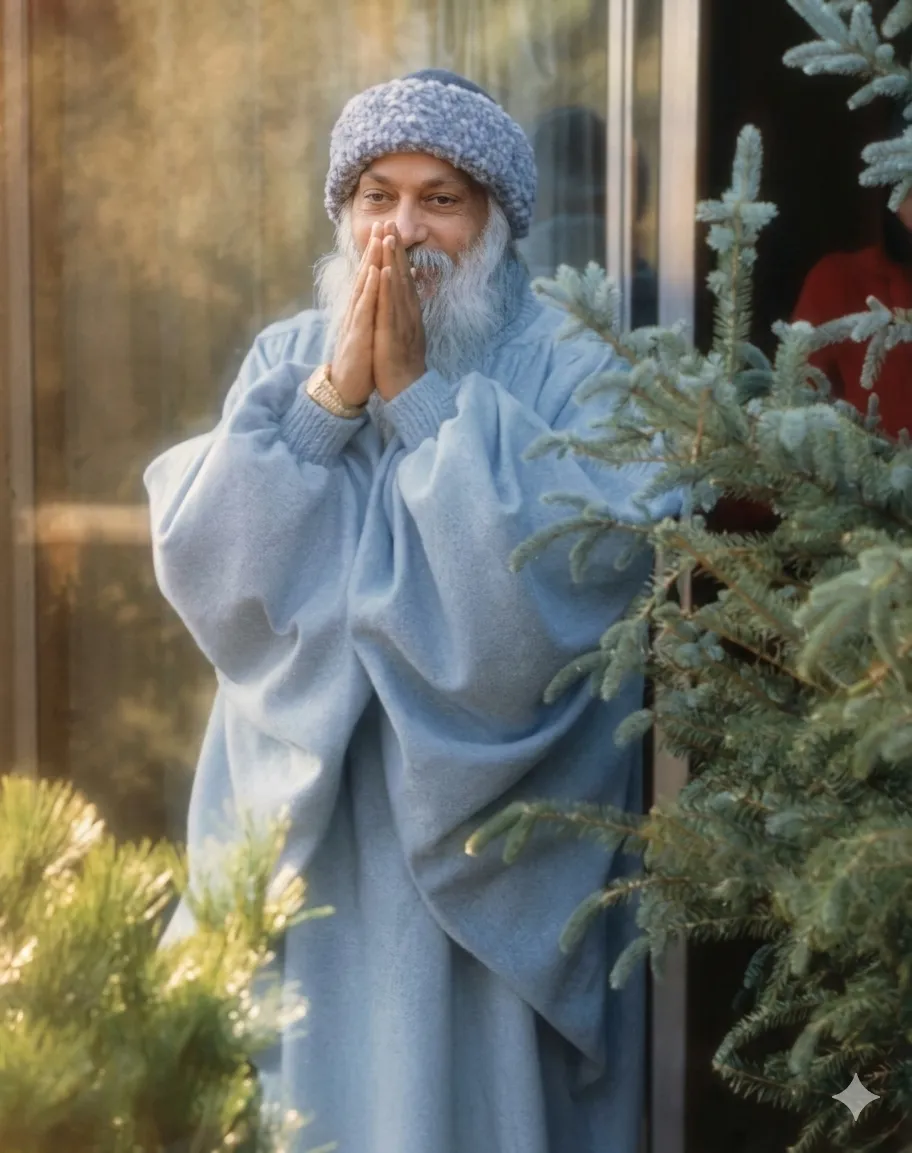
He jokes they’re scared of clothes, pointing out that real spirituality is about inner awareness, not what you wear.
From the Discourses
Passages where Osho speaks to this question — each links to the complete discourse.
A friend has asked: Osho, your attire is like that of a monk—what is the reason for this? Can’t you wear trousers, shirts, and so on? You believe in science and preach throwing out the old.
The monk has nothing except his attire; so I have chosen that from him, and the other things I have chosen from those who have them. The monk has nothing but clothing. But clothing he does have. And remember, it is very scientific attire. Trousers and ties are not scientific. In fact, the best garments are those that do not erase the sense of nakedness. The best garments are those that do not tighten, do not bind, do not turn into a prison. The best garments are those that do not fasten you anywhere, that keep you always open and free. But we are used to living in cages, so we build our houses like cages. Then we are not satisfied with the house—because how will we carry the house around outside?—so we make our clothes like cages too, tight from all sides. And when nothing else is left, we…
एक मित्र ने पूछा है: ओशो, आपकी वेशभूषा साधु के जैसी है, इसका क्या कारण है? क्या आप पतलून, शर्ट वगैरह नहीं पहन सकते? आप तो विज्ञान को मानते हैं और पुराने को निकालने का उपदेश देते हैं।
साधु के पास सिवाय वेशभूषा के और कुछ भी नहीं है। इसलिए वह मैंने उससे चुन ली है और बाकी चीजें जिनके पास हैं वह उनसे चुन लिया है। साधु के पास सिवाय वेशभूषा के कुछ भी नहीं है। मगर वेशभूषा उसके पास है। और ध्यान रहे, बहुत वैज्ञानिक वेशभूषा है। पतलून और टाई वैज्ञानिक नहीं हैं। असल में वस्त्र वे बढ़िया हैं, जो नंगेपन को मिटने न दें। वस्त्र वे बढ़िया हैं, जो कस न लें, बांध न लें, कटघरा न बन जाएं। वस्त्र वे बढ़िया हैं, जो कहीं बांधते न हों, सदा खुला और मुक्त रखते हों। लेकिन हम तो कटघरों में जीने के आदी हैं तो मकान भी कटघरों जैसा ही बनाते हैं। फिर मकान से तृप्ति नहीं होती--क्योंकि बाहर मकान को लेकर कैसे जाएंगे--तो कपड़े भी कटघरे जैसे बनाते हैं कि सब तरफ से कसे रहें, बंधे रहें। अब कुछ नहीं बनता तो टाई भी बांधते हैं। टाई का मतलब समझते हैं? टाई का मतलब होता है फांसी। उसको कहना चाहिए गलफांस, नेकटाई, गले की फांसी। उसको भी लगा लेते हैं। हम बंधन के आदी हैं। तो सब तरफ से बंधे हुए होना चाहिए। …
Osho, was Mahavira’s nakedness a part of his character or of his vision?
There are many facets. In fact—as I said last night—Mahavira had to do many things that don’t occur to us. If they did occur to us, we would immediately see what belongs to what. His nakedness is a part of Mahavira’s knowing—of his realization—not of his character. It is a part of his knowing because, as I said, if one is to relate to this vast cosmos, this mute existence, then even clothing becomes an obstacle. Clothes are such a great hindrance we scarcely even suspect it. And the newer the fabrics, the greater the hindrance. The latest materials sever your body completely from the surrounding environment; very little comes in, very little goes out. Different fabrics do different things. Cotton separates in one way, silk in another, wool in yet another. Newer fabrics—those with plastic or glass-like components—break the contact in still other ways. So for one who wants…
प्रश्न: ओशो, महावीर की नग्नता चरित्र का अंग था या दर्शन का अंग?
बहुत सी बातें हैं। असल में, महावीर को--जैसा मैंने रात कहा--बहुत सी बातें महावीर को करनी पड़ रही हैं, जो हमारे खयाल में नहीं हैं। वे खयाल में आ जाएं तो हमें पता चल जाएगा कि किस बात का अंग था। वह महावीर के ज्ञान का अंग है--नग्नता जो है--चरित्र का नहीं। ज्ञान का अंग इसलिए है कि जैसा मैंने कहा कि अगर यह जो विस्तीर्ण ब्रह्मांड है, यह जो मूक जगत है, इससे संबंधित होना है तो वस्त्र तक बाधा है। वस्त्र इतनी बड़ी बाधा है, जिसका हमें कोई खयाल भी नहीं आता। और जितने नये वस्त्र पैदा होते जा रहे हैं, उतनी ज्यादा बाधा है। नवीनतम जो वस्त्र हैं, वे चारों तरफ के वातावरण से आपके शरीर को बिलकुल तोड़ देते हैं। उनमें से बहुत कम भीतर जाता है, बहुत कम बाहर आता है। अलग-अलग वस्त्र अलग-अलग काम करता है। सूती वस्त्र अलग तरह से तोड़ता है, रेशमी वस्त्र अलग तरह से तोड़ता है, ऊनी वस्त्र अलग तरह से तोड़ता है। नये जो वस्त्र हैं, जिनमें किसी तरह से प्लास्टिक मिला हुआ है या कांच मिला हुआ है, वे और तरह से तोड़ते हैं।
Another friend has asked: Osho, what is the relationship between the method of meditation and jati-smaran (recollection of past lives)?
But the one who becomes skilled in this—who can fully awaken any day’s memory up to the age of five—will find that the memories begin to awaken completely. And you should test it. As today passes, note down some events and lock them up. After two years, try to recall today. Most of it will have been forgotten. Then remember—and after remembering, break the lock and compare whether what you recalled matches what you had written. You will be amazed—astonished—that besides what you wrote, many more details have come back which you did not even note at the time. They will all be there in memory. Buddha called this alaya-vijnana. There is a corner of the human mind he called the storehouse of consciousness. Like a junk room in the house where we keep all the odds and ends, there is a storehouse that collects memories—where everything from birth after…
एक और मित्र ने पूछा है कि ओशो, ध्यान की विधि और जाति-स्मरण में क्या संबंध है?
लेकिन जो व्यक्ति इसमें समर्थ हो जाएगा, पांच वर्ष की उम्र तक की किसी भी दिन की स्मृति को पूरा जगाने लगेगा...और वह पूरी जगने लगती है। और फिर उसको इस तरह जांच कर लेनी चाहिए। जैसे आज का दिन गुजर रहा है, तो आज के दिन की कुछ बातें नोट करके ताले में बंद कर दें। दो साल बाद आज के दिन को याद करें। वह सब खो जाएगा आज का दिन। और तब स्मरण करें, और स्मरण करके फिर ताला तोड़ें, और फिर मेल करें कि वह बात मेल खा गई कि नहीं। और आप हैरान होंगे--आप हैरान होंगे कि जितनी आपने लिखी थीं, उससे बहुत ज्यादा बातें और भी याद आई हैं जो कि आप उस दिन भी नोट नहीं कर पाए थे। वे तो सब बातें याद आ ही जाएंगी। इसको बुद्ध ने नाम दिया है, आलय-विज्ञान। मनुष्य के मन का एक कोना है, जिसको उन्होंने आलय-विज्ञान कहा है। आलय-विज्ञान का मतलब होता है, स्टोर हाउस आफ कांशसनेस। जैसे घर में एक कबाड़खाना होता है, जहां हम सब बेकार हो गई चीजों को डालते चले जाते हैं। …
Osho, when we sow a seed, the sprout takes time to emerge. Yet you say everything can happen this very moment. And man is called the seed of the Divine.
I certainly say so. When you sow a seed, it takes time. The time is taken in the breaking of the seed, not in the sprouting. The sprout bursts forth in a single instant—an explosion. But the seed’s breaking takes time. Your breaking can take time—I don’t deny that. But the coming of the Divine takes no time; it happens in a single moment. It is like heating water. Heating can take time. To reach a hundred degrees takes time. But becoming steam takes no time—a leap! The water reaches a hundred degrees—the jump—and it has leapt, become steam. It is not that steam takes time to form—half water, half steam; one corner steaming, another not. No, when steam happens, it happens in a jump. Yes, reaching the point of steam takes time. But until it becomes steam, it is still water—whether at a hundred degrees, ninety-nine, or ninety-eight. The…
ओशो, बीज बोते हैं तो अंकुर आने में समय लगता है। और आप तो कहते हैं कि इसी क्षण हो सकती है सब बात। और आदमी को परमात्मा का बीज कहते हैं।
जरूर कहता हूं। बीज बोते हैं, समय लगता है। समय बीज के टूटने में लगता है, अंकुर के निकलने में नहीं। अंकुर तो एक क्षण में ही निकल आता है, विस्फोट होता है अंकुर का तो। लेकिन बीज के टूटने में वक्त लग जाता है। आपके टूटने में वक्त लग सकता है, वह मैं नहीं कहता। लेकिन परमात्मा के आने में वक्त नहीं लगता, वह एक क्षण में ही आ जाता है। जैसे हम पानी को गरम करते हैं। तो गरम करने में वक्त लग सकता है। सौ डिग्री तक गरम होगा तो वक्त लगेगा। लेकिन भाप बनने में वक्त नहीं लगता--छलांग! पानी सौ डिग्री गरम हुआ--दि जंप--कूद गया, भाप हो गया। ऐसा नहीं है कि भाप बनने में वक्त लगे--कि पानी थोड़ा अभी भाप बना आधा, अभी आधा भाप नहीं बना; अभी बूंद थोड़ी सी भाप बन गई एक कोने से, दूसरे कोने से भाप नहीं बनी--ऐसा नहीं, भाप तो बनेगी तो छलांग में। हां, लेकिन भाप तक पहुंचने में वक्त लगता है। लेकिन जब तक भाप नहीं बनी तब तक वह पानी ही है--चाहे सौ डिग्री गरम हो, चाहे निन्यानबे डिग्री गरम हो, चाहे अट्ठानबे डिग्री गरम हो।
Osho, at the beginning of the new discourse series ‘Saheb Mil Saheb Bhaye’ we welcome you, bow to you, and request you to tell us why the Divine is called ‘Saheb’ (Master).
Man sleeps even deeper than that. Disturb his sleep and he becomes enraged. You want someone to sing lullabies, to deepen your slumber; to teach you “how to sleep better.” Your priests oblige—they increase your darkness, and you are pleased. The Master disturbs you—hence you are upset. He reminds you of your supreme nature: Saheb mil Saheb bhaye. He says: Meet the Master—be the Master. You are the Master; just awaken, and you will be it now. Why does man refuse even the declaration of his godliness? The reason is simple: accept it and you must change your life at once. If you are standing on the street blowing smoke, then remember “Saheb mil Saheb bhaye”—how will it look? The Master smoking a bidi? Gambling, drinking—and the Master drinking? The Master contesting an election? The Master, hands folded before each voter begging for votes! You will feel ashamed: what kind…
ओशो, ‘साहेब मिल साहेब भये’ नई प्रवचनमाला के प्रारंभ में हम आपका स्वागत करते हैं, प्रणाम करते हैं और विनती करते हैं कि आप हमें बताएं कि परमात्मा को ‘साहेब’ क्यों कहते हैं?
आदमी भी करीब-करीब ऐसा ही सोया है, इससे भी गहरा सोया है। सब सोच-विचार एक तरफ, नींद भर तुम्हारी कोई तोड़े तो तुम एकदम नाराज हो जाते हो। तुम चाहते हो कि कोई लोरी गाए और तुम्हारी नींद को गहराए। तुम चाहते हो कि कोई अच्छे ढंग से सोने की विधि समझाए। तुम्हारे पंडित-पुरोहित यही करते हैं। वे तुम्हारे अंधकार को बढ़ाते हैं, घटाते नहीं। तुम उनसे प्रसन्न हो। सदगुरुओं से तुम हैरान, परेशान। क्योंकि वे तुम्हें जगाते हैं। और तुम्हारे परम स्वरूप का स्मरण दिलाना चाहते हैं। वह स्मरण करने में भी तुम्हें अड़चन है--साहेब मिल साहेब भये; वे कहते हैं: मिल जाओ साहेब से, हो जाओ साहेब। हो तो तुम साहेब, जरा जग जाओ तो अभी हो जाओ। कोई पूछ सकता है कि आखिर आदमी अपने परमात्मा होने की घोषणा से भी इनकार क्यों करता है? उसका भी कारण है। उसका कारण बहुत साफ है। अगर तुम अपने को परमात्मा होना स्वीकार करो तो तुम्हें अपना जीवन तत्क्षण बदलना होगा। …