
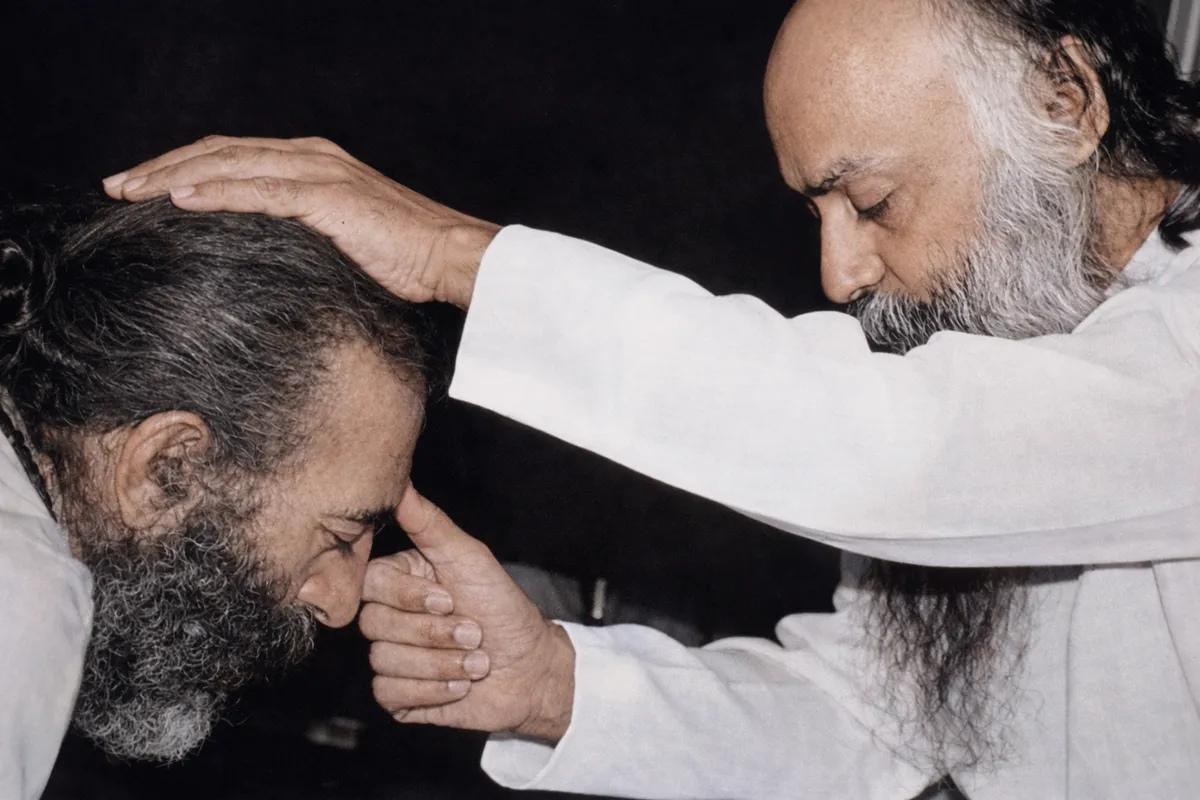
Mahavira is Jainism's last great teacher who shaped its path and taught that no one has the whole truth, so be humble and respectful while you follow your way.
From the Discourses
Passages where Osho speaks to this question — each links to the complete discourse.
Osho, how could the iconoclast Mahavira accept himself as the twenty-fourth Tirthankara of the most ancient Jina tradition? Please explain!
Within this revolutionary tradition, Mahavira is the most glorious, the most brilliant. Therefore his words are worth understanding and contemplating. He must have been uniquely revolutionary; for the Jainas have two sects—Digambara and Shvetambara. The Digambaras hold that not a single word of Mahavira remains, no scripture remains. That too is part of the revolution. They say, no scripture is Mahavira’s word. The words we have are from the Shvetambara compilations. The Digambaras have no compilations. It is astonishing that the Digambaras did not preserve! But that too belongs to their deep revolt: if you preserve words, today or tomorrow they become scripture; preserve them, and soon they become Veda. Hence the Digambaras did not preserve Mahavira’s words. It is an extraordinary rebellion against scripture. They revere Mahavira, but preserved no texts—only what was passed personally from master to disciple; they did not write it down. Therefore, for the Digambaras,…
पहला प्रश्न: ओशो, परंपरा-भंजक महावीर ने स्वयं को प्राचीनतम जिन-परंपरा का चौबीसवां तीर्थंकर क्योंकर स्वीकार किया होगा? कृपया समझाएं!
महावीर इस क्रांतिकारी परंपरा में सबसे ज्यादा महिमावान, सबसे बड़े मेधावी व्यक्ति हुए। इसलिए उनके शब्द समझने जैसे हैं, विचार करने जैसे हैं, क्रांतिकारी तो अनूठे रहे होंगे; क्योंकि जैनों के दो संप्रदाय हैं--दिगंबर और श्वेतांबर। दिगंबर तो मानते हैं, महावीर का कोई भी वचन बचा नहीं, कोई शास्त्र बचा नहीं। यह भी क्रांति का हिस्सा है। वे कहते हैं, कोई शास्त्र महावीर का वचन नहीं। ये जो वचन हैं, यह श्वेतांबरों के संग्रह से लिये गये हैं। दिगंबरों के पास कोई संग्रह नहीं है। यह बड़े आश्चर्य की बात है कि दिगंबरों ने बचाया क्यों नहीं! यह भी उसी गहरी क्रांति का हिस्सा है। क्योंकि अगर बचाओ शब्दों को, तो आज नहीं कल वे शास्त्र बन जाएंगे। बचाओ तो शास्त्र आज नहीं कल वेद बन जाएंगे। इसलिए दिगंबरों ने तो महावीर के वचन बचाए ही नहीं। …
Osho, before Mahavira there were twenty-three Tirthankaras. Then Mahavira’s family members must have been followers of someone—Mahavira himself was not a follower of anyone—so were they followers of Parshvanath or of someone else? How did it happen that Mahavira, who forged his own path and was not anyone’s disciple, ended up with a path that coincided with Parshvanath’s path, or with that tradition? Because that path already existed! And the name “Jain” for the sect is associated with Mahavira; before him, what were those people called?
There are two or three things to understand here. First, only with Mahavira did a stream of thought become a sect. Before Mahavira there was indeed a current of thought, but it had no separate existence from the Aryan tradition. It was a current that arose within the Aryan tradition. Its name was Shramana. It was not called “Jain” yet. And there was a reason for calling it “Shramana,” as I have said earlier. I have told you that the Brahmin current does not put faith in attaining the ultimate through effort, through sadhana, through tapas. The ultimate is to be attained in an attitude of extreme humility, in prayer, in utter meekness—where we are completely helpless, where we can do nothing; the doer is That alone. In this perfect poverty—what Jesus called “poverty of the spirit”—one who is so humble and indigent in spirit that he says, “What can…
प्रश्न: ओशो, महावीर के पहले जो तेईस तीर्थंकर रहे तो महावीर के फेमिली वाले या तो किसी के अनुयायी रहे होंगे--महावीर तो किसी के अनुयायी थे नहीं--तो वे पार्श्वनाथ के अनुयायी थे या किसी के थे, तो यह कैसे हुआ कि महावीर ने जो अपना पथ स्वतः निर्माण किया, जो किसी के अनुयायी नहीं रहे, उनका पथ पार्श्वनाथ के पथ से या उस परंपरा के पथ से मेल खा गया? क्योंकि उनका पथ तो पहले से ही था! और जैन नाम जो है संप्रदाय का, वह महावीर के साथ ही साथ जुड़ा है, उसके पहले वे जो लोग थे, वे क्या कहलाते थे?
इसमें दो-तीन बातें समझने जैसी हैं। पहली बात तो यह कि महावीर के साथ ही पहली बार विचार की एक धारा संप्रदाय बनी। महावीर के पहले विचार की एक धारा थी। उस विचार की धारा का आर्य परंपरा से कोई पृथक अस्तित्व न था। वह आर्य परंपरा के भीतर पैदा हुई एक धारा थी। उसका नाम श्रमण था। जैन वह नहीं कहला रही थी तब तक। और श्रमण कहलाने का कारण था। वह कारण यह था, जैसा मैंने पीछे कहा आपको। मैंने पीछे आपको कहा कि ब्राह्मण-धारा इस बात पर श्रद्धा नहीं रखती है कि श्रम के माध्यम से, साधना के माध्यम से, तप के माध्यम से परमात्मा को पाया जा सकता है। …
Osho, Mahavira refused to take anyone’s support—that is right. But along with that, a question arises: just as it is important not to take support, it should be equally important not to give support. Yet his way of expressing himself, and then the whole structure of shravaks and shramans and all that—this amounts to giving support to others. So why was this aspect not considered: if I do not take support, who am I to give support to another?
They would say… Sicily is a small island to the south. The Sophists offered an example: a man came from Sicily and, on arriving in Athens, said, “In Sicily, everyone is a liar.” Someone stood up and asked him, “Where are you from?” He said, “I am from Sicily.” The man said, “Now we are in trouble! You say everyone in Sicily is a liar, and you are from Sicily; so you are a liar—what shall we do with your statement? And if we accept that everyone in Sicily is a liar, then at least one person in Sicily must be telling the truth, and your statement becomes false. If we do not accept that everyone in Sicily is a liar—if we take you to be lying—again we land in a difficulty.” Someone stood up and said, “What shall we do?” Perhaps the man himself had no idea what to…
प्रश्न: ओशो, महावीर ने किसी दूसरे का सहारा लेने से इनकार कर दिया, सही बात है। लेकिन साथ ही साथ प्रश्न यह उठता है कि जितना महत्वपूर्ण सहारा न लेना है, उतना ही महत्वपूर्ण सहारा न देना भी होना चाहिए। लेकिन उनकी अभिव्यक्ति और उसके बाद फिर श्रावक और श्रमण और यह सारी चीज है--यह दूसरे को सहारा देने वाली बात हुई। तो इस पहलू पर क्यों नहीं विचार किया गया कि मैं जब सहारा नहीं लेता हूं तो मैं सहारा दूसरे को देने वाला भी कौन हूं?
तो वे कहते थे...सिसली नीचे एक छोटा द्वीप है। और सोफिस्ट एक उदाहरण लेते थे कि सिसली से एक आदमी आया और उसने एथेंस में आकर कहा कि सिसली में सब लोग झूठ बोलने वाले हैं! तो एक आदमी ने खड़े होकर उससे पूछा कि तुम कहां के रहने वाले हो? …
Beloved Osho, mahavira was the twenty-fourth tirthankara of the jaina religion. Did the jaina religion start with the very first tirthankara or with mahavira? And what is the meaning of the word `jaina'?
And they became really rich, so rich that even kings had to borrow money from them. Nobody was a beggar, nobody was uneducated. And because they were such a small minority, attacked by all kinds of philosophies, they had to protect themselves; they sharpened their intellect. They created better arguments than anybody else, because for others it was a luxury to argue, but for Jainas it was a question of life and death. They had to win the argument; otherwise they were finished. So they have developed logical systems, great philosophies, which should be made available to the whole world. But the world cares only about numbers, and they are a non-converting religion, so the question of creating great numbers like the Catholics is not possible. They are non-converting because, according to them -- and I accept the idea -- the very effort to convert somebody is ugly. You can…
Hence it was difficult to make a sect. If one went to Goshalak, Mahavira’s rival, Goshalak would say: Mahavira is wrong, I am right. If the same man came to Mahavira, he would say: Goshalak may be right. If you were there, whom would you follow—Goshalak or Mahavira? You would go behind Goshalak—at least he is definite, clear; he knows. This Mahavira says: Goshalak may be right—he himself is not certain. Why tie our boat to him and sink! Who knows where he is going—perhaps, perhaps not! Therefore, only an extremely intelligent kind of person could come to Mahavira—those who are non-insistent about truth, who could see Mahavira’s courage. But as time passes, those who come later do not come through understanding; they come by birth; they become insistent; and their insistence is dangerous. A very renowned Jain scholar came to meet me.
… इसलिए पंथ बनाना बहुत मुश्किल हुआ। अगर कोई गोशालक के पास जाता, महावीर के प्रतिद्वंद्वी के पास, तो गोशालक कहता: महावीर गलत हैं, मैं सही हूं। वही आदमी महावीर के पास आता तो महावीर कहते--गोशालक सही हो सकता है। अगर आप भी होते तो आप गोशालक के पीछे जाते कि महावीर के? आप गोशालक के पीछे जाते कि यह आदमी कम से कम निश्चित तो है, साफ तो है, इसे पता तो है। यह महावीर कहता है: गोशालक भी शायद सही हो सकता है। अभी उनको खुद ही पक्का नहीं है। खुद ही साफ नहीं है। इनके पीछे अपनी नाव क्यों बांधनी और डुबानी! ये कहां जा रहे हैं, शायद जा रहे हैं कि नहीं जा रहे हैं! शायद पहुंचेंगे कि नहीं पहुंचेंगे! इसलिए महावीर के पास अत्यंत बुद्धिमान वर्ग ही आ सका--बुद्धिमान मैं कहता हूं उन व्यक्तियों को, जो सत्य के संबंध में अनाग्रहपूर्ण हैं। …