
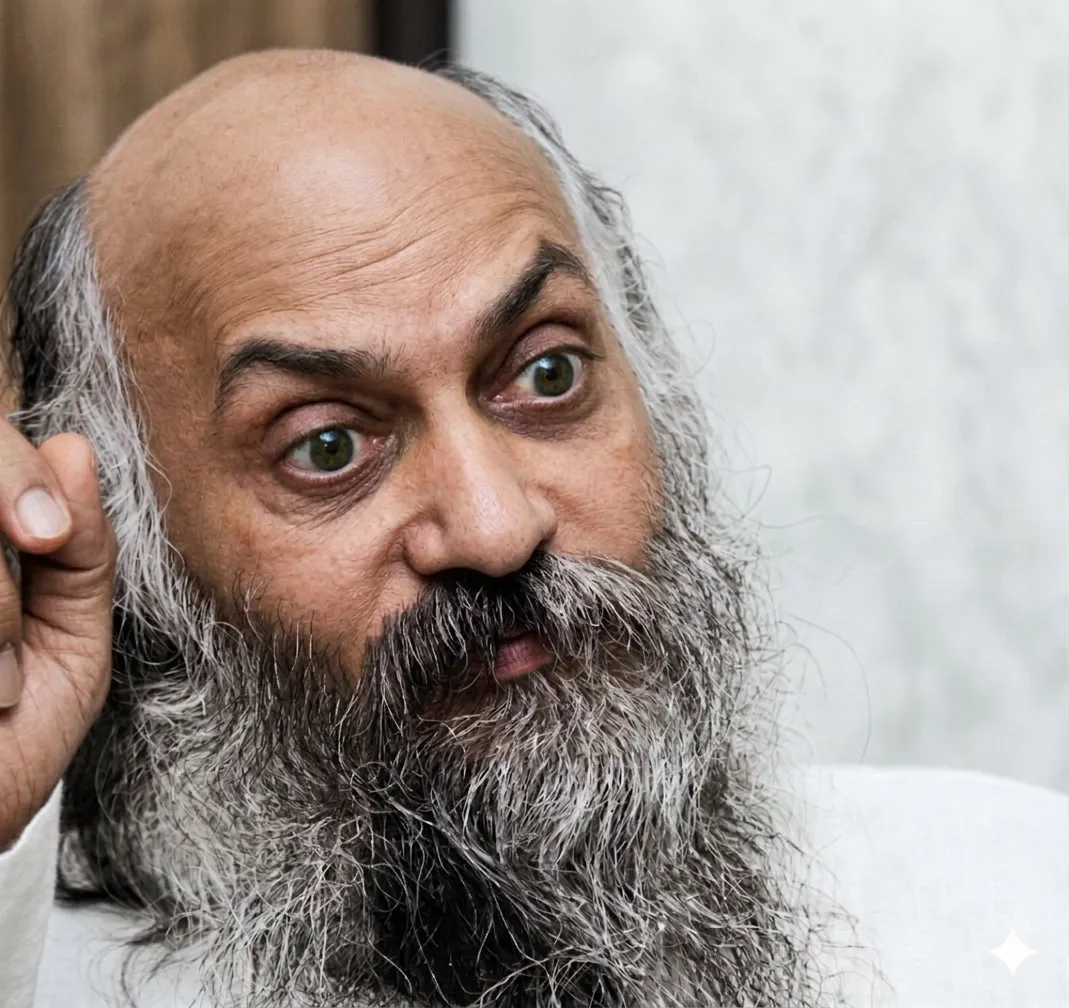
Drop rigid ideas, look freshly with awareness, and cravings and anger naturally fade.
From the Discourses
Passages where Osho speaks to this question — each links to the complete discourse.
Osho, yesterday you described the cathartic practice of pillow‑beating to release anger. In the same way, what practices should be done for the cessation of lust, greed, attachment, and ego? Please shed some light on these.
The friend I mentioned yesterday—today his companion told me he actually pulled out a knife and ripped the pillow to shreds. I hadn’t even suggested that! It makes us laugh: how can someone stab a pillow? But when we can rip a living person apart, we don’t laugh—so what’s the difficulty in slicing a pillow? When someone tears a living person, the “juice” is in the tearing itself; the person is incidental. That same juice can arise with a pillow. In fact, more so—because with a pillow you need impose no limits at all. So shut yourself in your room, and when your root “disease” wants to show itself, let it show. Consider this meditation. Let it come out in every pore of your being. Shout, jump, do whatever is happening—let it happen. And watch from behind—you will even feel like laughing. You will be surprised: “I can do this?”…
प्रश्न: ओशो, जैसे कल आपने कैथार्सिस, फुट पिलो बीटिंग के जरिए क्रोध-निवृत्ति का प्रयोग बताया, वैसे काम, लोभ, मोह और अहंकार की निवृत्ति के लिए कौन से प्रयोग किए जाएं, कृपया इन बातों पर दृष्टि डालिए।
जिस मित्र का मैं कल कह रहा था, आज उसके साथी ने मुझे आकर खबर दी है कि आज तो चाकू निकाल कर उसने तकिए को चीर-फाड़ डाला है। यह तो मैंने कहा भी नहीं था। हमें एकदम हंसी आएगी कि तकिए को कोई चाकू से कैसे चीरेगा-फाड़ेगा? लेकिन जब जिंदा आदमी को चीर-फाड़ सकते हैं हम, तब हंसी नहीं आती, तो तकिए को चीरने-फाड़ने में कौन सी कठिनाई है? और जब एक आदमी जिंदा आदमी को भी चीरता-फाड़ता है, तब भी जो रस है वह चीरने-फाड़ने का है, आदमी से कुछ लेना-देना नहीं है। वह तकिए में भी उतना ही रस आ जाता है। और तकिए में रस ज्यादा आ जाता है, क्योंकि तकिए पर कोई भी सीमा बांधने की जरूरत नहीं है। तो अपने कमरे में बंद हो जाएं और अपने मूल, जो आपकी बीमारी है, उसको जब प्रकट होने का मौका हो, तब उसे प्रकट करें। इसको मेडिटेशन समझें, इसको ध्यान समझें। उसे पूरा निकालें। उसको आपके रोएं-रोएं में प्रकट होने दें। चिल्लाएं, कूदें, फांदें, जो भी हो रहा है उसे होने दें। और पीछे से देखें, आपको हंसी भी आएगी। हैरानी भी होगी। …
Question: Third question: Osho, how can one be free from suffering? Suffering has not bound you; you are bound to suffering. Suffering is not a chain someone else has put on your hands. Suffering is an ornament you have chosen to wear yourself. Understand this first point clearly. ... Come, let us reconsider our relationships: a little quarrel, a little love. Who knows whether we are bad or good? Like others, we too have grown in adverse conditions. Come, let us remove the controls on the mind, keep a little silence, and make a few words strike true! Why want only the “good” all the time? Why only flower-strewn paths? Why not have paths with thorns as well? Come, let us play hide-and-seek with our dreams, let a few desires be autumn, a few be spring. Why think only of each other all the time?
Osho, what is attachment? Why do we become so attached to things, ideas and persons? And is there freedom from attachment?
“So do one thing,” she told the courtesan. “I will pay you whatever you ask. Go to him at midnight. He meditates at midnight—has done so for thirty years. I want to know whether meditation has happened or not before I die. His hut door is only latched; no one ever goes there. Open it and go in. Whatever he says, notice every word and tell me. Go and embrace him—then come back and report. Before I die, I want to be sure that my service was not in vain.” The courtesan went. She opened the door. The monk was startled. He opened his eyes—he had been sitting in meditation—and shouted, “You wicked woman! Why are you here? Get out! What need have you to come at midnight?” But his tongue faltered; his body trembled. The woman had taken her money; she went right in. He cried, “Stay back! Why…
पहला प्रश्न: ओशो, आसक्ति क्या है? हम चीजों, विचारों और व्यक्तियों से इतने आसक्त क्यों हो जाते हैं? और क्या आसक्ति से छुटकारा भी है?
तो तू एक काम कर--उसने वेश्या को कहा--कि जो तुझे लेना हो उतने पैसे मैं दूंगी। तू आधी रात आज चली जा। वह फकीर आधी रात को ध्यान करता है। तीस साल से कर रहा है, अभी तक हुआ ध्यान या नहीं, यह मैं जानना चाहती हूं। मरने के पहले यह पक्का कर लेना चाहती हूं कि जिसकी सेवा की, व्यर्थ ही तो नहीं की। तो तू चली जाना भीतर। उसकी झोपड़ी का द्वार अटका ही रहता है, क्योंकि कोई कभी जाता ही नहीं। तू द्वार खोल लेना। और वह कुछ भी कहे, एक-एक बात का खयाल रखना, मुझे तुझे बताना पड़ेगा। और जाकर एकदम उसका आलिंगन कर लेना। वह क्या कहता है, क्या करता है, बस तू लौट कर मुझे बता देना। मरने के पहले मैं यह जान लेना चाहती हूं। वह वेश्या गई। उसने दरवाजा खोला। दरवाजा खोला तो साधु एकदम घबड़ाया। उसने आंख खोल कर देखा साधु ने। ध्यान करने बैठा था, एकदम चिल्लाया कि अरी दुष्ट स्त्री! …
Osho, “man eva manuṣyāṇāṁ kāraṇaṁ bandha-mokṣayoḥ. Bandhāya viṣayāsaktaṁ, muktyai nirviṣayaṁ smṛtam.” That is, the mind alone is the cause of human bondage and liberation. The mind that is attached to objects becomes the cause of bondage, and the one that turns away from objects is said to be the cause of liberation. This aphorism from the Shatyāyanīya Upanishad is quite well known; it also appears in many other scriptures. Osho, would you kindly explain this sutra for us?
Chidananda, the sutra is indeed precious—but when it falls into ignorant hands, even the most precious thing is made worthless. The Kohinoor becomes just a pebble. These immortal Upanishadic utterances, once grasped by certain hands, were turned to poison. The whole message was inverted; what was meant became its opposite. The entire country is rotting in that pain. The Upanishads are voices arising from the very life-breath of awakened beings. When the unstruck veena sounds, such incomparable music is born. But when pundits begin to “comment,” they drag the lotus back into the mud. True, the lotus arises from mud—but the lotus is not mud; it is a transcendence of mud, an expression of that within the mud which is not mud. To smear it with mud again is to turn the beautiful into the ugly, truth into untruth. Commentary has not honed truth; it has layered it with dust…
पहला प्रश्न: ओशो, मन एव मनुष्यानां कारणं बंधमोक्षयोः। बंधाय विषयासक्तं मुक्त्यै निर्विषयं स्मृतम्।। अर्थात मन ही मनुष्यों के बंधन और मोक्ष का कारण है। जो मन विषयों में आसक्त होगा वह बंधन का तथा जो विषयों से पराङ्मुख होगा वह मोक्ष का कारण होगा। शाट्यायनीय उपनिषद का यह सूत्र काफी प्रचलित है। इस उपनिषद के अतिरिक्त अनेक अन्य शास्त्रों में भी इसे स्थान मिला हुआ है। ओशो, क्या हमारे लिए इस सूत्र की व्याख्या करने की कृपा करेंगे?
चिदानंद, यह सूत्र तो मूल्यवान है, लेकिन नासमझों के हाथ में पड़ कर मूल्यवान से मूल्यवान चीज दो कौड़ी की हो जाती है। कोहिनूर भी पत्थर हो जाता है। उपनिषद के ये अमृत वचन जिनके हाथों में पड़े उन्होंने जहर कर दिया। सारी बात ही उलटी हो गई। कुछ का कुछ हो गया। यह पूरा देश उसी पीड़ा में सड़ रहा है। उपनिषद तो बुद्ध पुरुषों के प्राणों से निकले हुए स्वर हैं। यह तो जब वीणा बजी है अनाहत की तब ऐसा अपूर्व संगीत पैदा हुआ है। लेकिन फिर पंडित जब व्याख्या करते हैं तो कमल को कीचड़ में घसीट डालते हैं। …
Osho, yesterday you said that when anger is watched consciously, it dissolves. But why is it that when sexual desire arises, even in awareness its intensity persists? Why is it so?
There is no entanglement in the breath. If you try to practice on anger… Anger is not happening every moment; it happens sometimes. And when it happens, it happens with such intensity that you are already going deep into it; so much is at stake in those moments that you may think, “We will look into awareness later; first let’s settle this now.” Lust is very deep, because existence has made it so deep; life depends on it. If lust were so easy that you decided and were freed, perhaps you would not even have been born—because many before you would have become free, and the possibility of your being would have been almost nil. But your parents, and their parents, did not become free; therefore you are. You too will not get free so easily, because your children are also to be—they are waiting: “Do not run away midway.”…
दूसरा प्रश्न: ओशो, आपने कल कहा कि क्रोध को होशपूर्वक देखने पर क्रोध विलीन हो जाता है। लेकिन क्या कारण है कि कामवासना के उठने पर होश में भी उसकी प्रगाढ़ता बनी रहती है। ऐसा क्यों है?
श्वास में कुछ झंझट नहीं है। अब तुम या तो क्रोध पर साधोगे...। क्रोध रोज तो होता नहीं, प्रतिपल होता नहीं, कभी-कभी होता है; जब होता है तब इतनी प्रगाढ़ता से होता है कि तुम गहरे में उतर रहे हो; जब होता है तब इतनी बातें दांव पर लग जाती हैं कि शायद तुम सोचोगे, ‘फिर देख लेंगे होश इत्यादि! यह अभी, अभी तो निपट लें।’ कामवासना तो बहुत गहरी है, क्योंकि प्रकृति ने उसे बहुत गहरा बनाया है, क्योंकि जीवन उस पर निर्भर है। अगर कामवासना इतनी आसान हो कि तुमने चाहा और छूट गए, तो तुम शायद पैदा ही न होते, क्योंकि तुमसे पहले बहुत लोग छूट चुके होते; तुम्हारे होने की संभावना न के बराबर होती। मगर वह तो तुम्हारे माता-पिता उनके माता-पिता नहीं छूट सके, इसलिए तुम हो। तुम भी इतनी आसानी से न छूट जाओगे, क्योंकि तुम्हारे बच्चों को भी होना है; वे भी प्रतीक्षा कर रहे हैं कि ऐसे भाग मत जाना बीच से। जीवन बहुत कुछ टिका है कामवासना पर। इसलिए उसका छूटना इतना आसान नहीं है। असंभव नहीं है, आसान भी नहीं है। …