
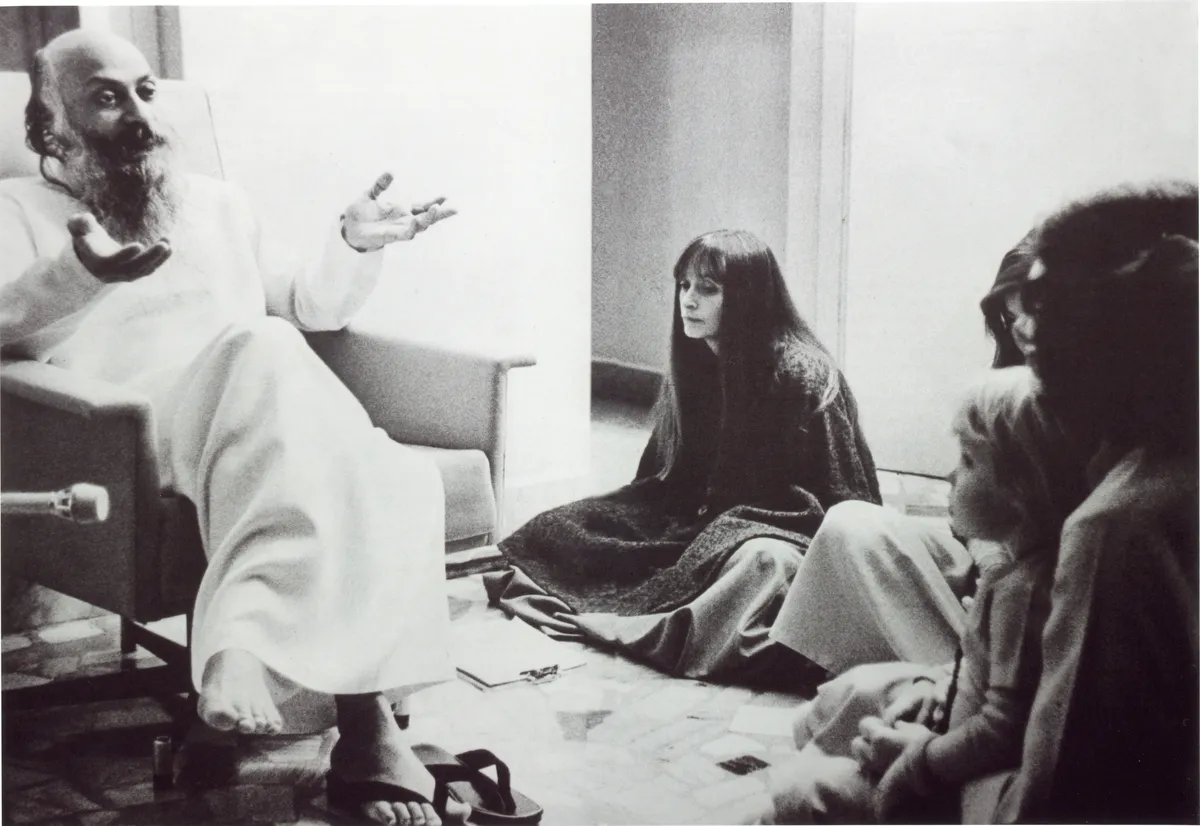
Osho's perspective on Impermanence
When Osho Spoke About Impermanence
Passages from the discourses where this theme comes alive.
Osho, does the awareness of impermanence itself become the art of living moment to moment?
Certainly! As you awaken and see that, except for this one moment, you have no other in your hand—no one has two moments together. One moment comes and goes; then another comes—only one moment is in your hand. The whole art of life is how to live this one moment. How this single moment can become your whole life. How to descend so deeply into this one moment that it feels eternal and timeless. Moving from one moment to the next is the ordinary way of living. Diving into the depth of a moment is the extraordinary way. The worldly way means: sacrifice this moment for the next, and then sacrifice that for yet another. Offer today to tomorrow, and tomorrow again to the day after. Worldly life is a continual postponement. The life of sannyas is: live this moment totally, with a sense of supreme grace. The Divine has…
चौथा प्रश्न: ओशो, क्या क्षणभंगुरता का बोध ही जीवन में क्षण-क्षण जीने की कला बन जाता है?
निश्चित ही! जैसे-जैसे ही तुम जागोगे और देखोगे कि एक क्षण के अतिरिक्त हाथ में कोई दूसरा क्षण नहीं है--दो क्षण किसी के पास एक साथ नहीं होते। एक क्षण आता है, जाता है, तब दूसरा आता है--एक ही क्षण हाथ में है। सारे जीवन की कला यही है कि इस एक क्षण में कैसे जी लो। कैसे यह एक क्षण ही तुम्हारा पूरा जीवन हो जाए। कैसे इस एक क्षण की इतनी गहराई में उतर जाओ कि यह क्षण शाश्वत और सनातन मालूम हो। एक क्षण से दूसरे क्षण पर जाना साधारण जीवन का ढंग है। और एक क्षण की गहराई में उतर जाना असाधारण जीवन का ढंग है। सांसारिक जीवन का अर्थ है, इस क्षण को अगले क्षण के लिए कुर्बान करो, फिर उसको और अगले के लिए कुर्बान करना। आज को कल के लिए निछावर करो, कल को फिर और परसों के लिए निछावर करना। सांसारिक जीवन एक सतत स्थगन, एक पोसपोनमेंट है। संन्यास का जीवन, इस क्षण को पूरा जी लो परम अनुग्रह के भाव से। परमात्मा ने यह क्षण दिया, इसे पूरा पी लो। …
Osho, does living moment-to-moment begin the awareness of interdependence?
You have heard of Baital Pachisi (the Vetala tales). You would never suppose it could be a teaching for the wise—yet this land has made unique experiments. It has produced books that can be read on many levels, with layer upon layer of meaning—two, three, four, five meanings running parallel like five roads side by side. Thus whoever you are, there is a way. A small child enjoys it; the supreme knower enjoys it. The seeker finds the path; the arrived recognizes the destination. For one who is neither, it is a diversion—that too is something, a little entertainment. The first story goes like this. Emperor Vikramaditya was in court when a fakir arrived. As custom had it, people came in the morning to offer gifts. The fakir offered a wild-looking fruit. The emperor smiled—why come so far to offer a jungle fruit? But a fakir has nothing else, so…
पहला प्रश्न: ओशो, क्या क्षण-क्षण जीने से परस्पर-तंत्रता का बोध शुरू होता है?
तुमने बैताल पचीसी का नाम सुना होगा। तुम कभी सोच भी नहीं सकते कि वह भी कोई ज्ञानियों की बात हो सकती है, बैताल पचीसी। पर इस देश ने बड़े अनूठे प्रयोग किए हैं। इस देश ने ऐसी किताबें लिखी हैं, जिनको बहुत तलों पर पढ़ा जा सकता है, जिनमें पर्त दर पर्त अलग-अलग अर्थ हैं। जिनमें एक साथ दो, तीन, चार और पांच अर्थ दौड़ते रहते हैं। जैसे एक साथ पांच रास्ते चल रहे हों, पैरेलल, समानांतर। तो जिसकी जो सुविधा हो। एक छोटा बच्चा भी बैताल पचीसी पढ़कर प्रसन्न होगा और परम ज्ञानी भी पढ़कर प्रसन्न होगा। खोजी को मार्ग मिल जाएगा, पहुंचे हुए को मंजिल की प्रत्यभिज्ञा होगी। जो नहीं खोजी है, नहीं पहुंचा हुआ है, उसके लिए सिर्फ चित्त का मनोरंजन होगा। वह भी क्या कम है! थोड़ी देर को मन बहलाव हो जाएगा। बैताल पचीसी की पहली कथा है.। पच्चीसों ही कथाएं बड़ी अदभुत हैं, लेकिन पहली तुम से कहता हूं। पहली कथा है कि सम्राट विक्रमादित्य के दरबार में एक फकीर आया। सुबह का वक्त था। रिवाज के अनुसार लोग सम्राट को भेंट चढ़ाने सुबह-सुबह आते थे। …
So whatsoever happens.... Sometimes you forget -- what can you do? There is no point in crying for the spilled milk. That which is gone is gone. If one moment has passed and you were not aware, and later you became alert that this moment has gone and you were not aware, don't waste any moment for it now, because this other moment is passing by. Just be aware of it. And why ask for permanence? One person never gets two mo-ments together. You always get one moment. When that one is gone, another is supplied. So if you can remain alert in one single moment -- enough! Whatsoever time will be coming in front of you, your torch of awareness will be there.
Osho, you often say we should be aware only of the present. But along with that, would you also say that while remaining aware we should not worry about the future? Do you want to exclude it altogether—are you advocating its total banishment?
In truth, my emphasis is on living, not on thinking. And one can live only in the present; you cannot live in the future. My emphasis is on living—just as my emphasis is on eating food. Now if someone says to me, “Shall we eat tomorrow’s bread—do you object?” I would say, first of all, you cannot eat the bread of the future; you can only dream about it. And the great danger in dreaming is that today’s bread may be missed. The real danger of dreaming is this: if you are busy eating the bread of the future, who will eat the bread of the present? And the present does not stop for you even for a moment. Whether you are present or not, it keeps rushing on. You are there or you are not—still the present does not wait. It does not stop for you; it goes on.…
प्रश्न: ओशो, आपका कुछ ऐसा कहना है कि हमें जागरूक वर्तमान के ही प्रति होना चाहिए। लेकिन क्या इसके साथ आप यह भी कहेंगे कि जागरूक रहने के साथ-साथ हम भविष्य के बारे में चिंता न करें। उसको आप बिलकुल बहिष्कार करना चाहेंगे क्या? उसका बहिष्कार करना चाह रहे हैं।
असल में मैं, जीने पर मेरा जोर है, चिन्तन पर जोर ही नहीं है। और जी तो सिर्फ वर्तमान में सकते हैं, भविष्य में तो जी नहीं सकते। मेरा जोर है जीने पर। जैसे मेरा जोर है खाना खाने पर। अब मुझसे कोई कहे कि हम भविष्य की रोटी खाएं तो आपका कोई इनकार है? तो मैं यह कहूंगा पहली तो बात है कि भविष्य की रोटी खा नहीं सकते। सिर्फ सपना देख सकते हैं। और सपने में जो बड़ा खतरा है वह यह है कि हो सकता है आज की रोटी चूक जाए। जो बड़ा खतरा है सपने में वह यह है कि आप भविष्य की रोटी खाएं तो वर्तमान की रोटी कौन खाएगा? और वर्तमान आपके लिए रुकता नहीं एक क्षण। आप नहीं हो मौजूद तो भी भागा चला जा रहा है, आप मौजूद हो तो भी भागा चला जा रहा है। आप हो या नहीं, इसलिए वर्तमान नहीं रुकता। वर्तमान आपके लिए रुकता नहीं, वह चला जा रहा है। समय चला जा रहा है। तो जिस क्षण में हम नहीं होते, वह क्षण खाली निकल जाता है। और अगर एक आदमी के चित्त की ऐसी आदत बन जाए कि वह सदा भविष्य में जीने लगे तो समझना चाहिए वह पूरी जिंदगी ही चूक जाएगा। …
Profound Quotes on Impermanence
Explore our structured collection of meaning-mapped quotes regarding Impermanence.