
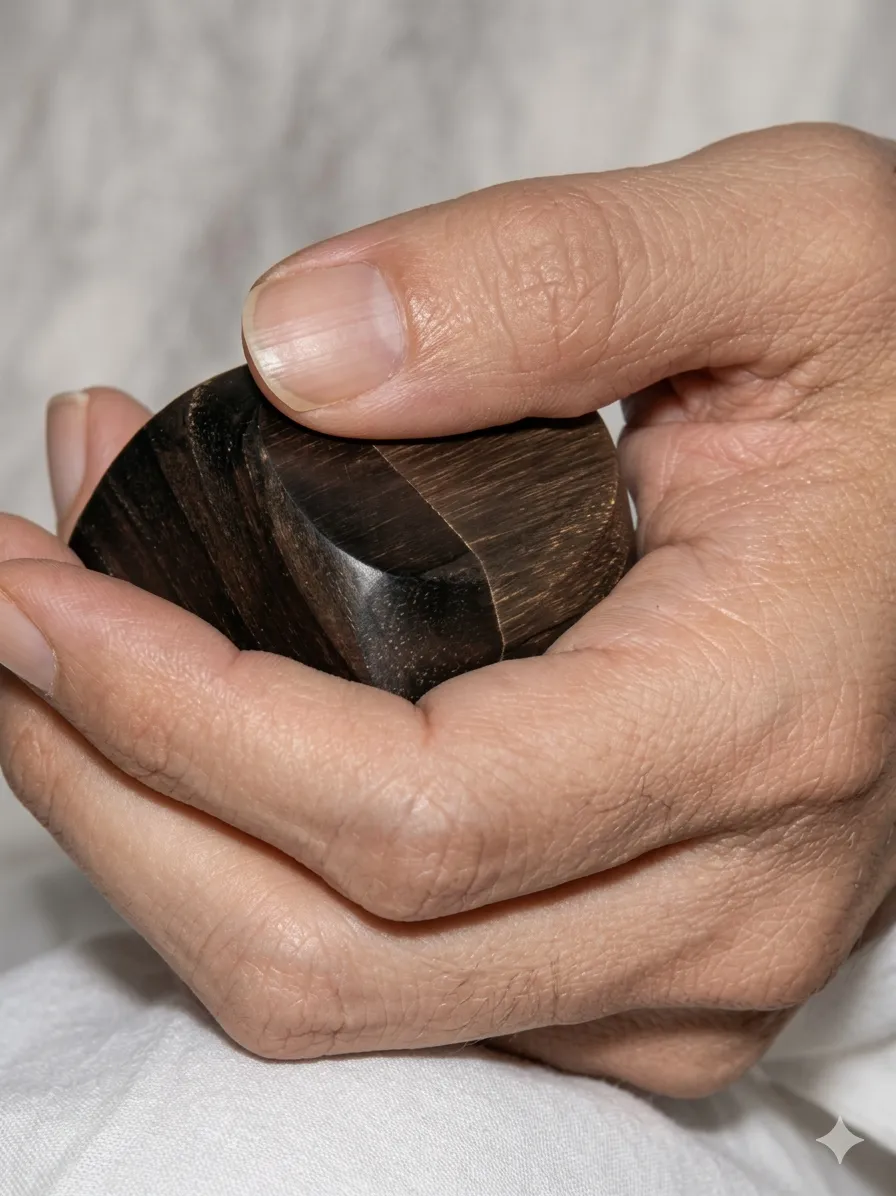
When people attack deep truth, it’s usually their ego feeling scared—take it as a cue to be quiet inside instead of fighting.
From the Discourses
Passages where Osho speaks to this question — each links to the complete discourse.
Osho, if two true masters criticize and condemn each other, what should the disciples understand?
If you are a disciple, you will choose what resonates with your heart and move on. You will not bother about who criticized whom. Nor will you oppose the one who criticized. Who are you to judge! A disciple, and he decides who is a true master and who is not? The very idea is foolishness. It is like a blind man deciding who can see and who cannot. How will the blind judge who sees? The blind need only know: “I cannot see.” Having found a friend, take his hand and walk. Then, through your own experience, see: walking with this person, do I fall into pits? Walking with him, do I keep bumping into things? Walking with him, do I end up breaking my hands and feet? If your experience shows otherwise, then to think, “This man must have eyes,” is at first only an inference. But that…
ओशो, यदि दो सदगुरु एक-दूसरे की निंदा और आलोचना करें तो शिष्यों को क्या समझना चाहिए?
यदि तुम शिष्य हो तो तुम जो तुम्हारे हृदय से मेल खा जाये उसे चुन लोगे और चल पड़ोगे। तुम इसकी फिर चिंता ही न करोगे कि किसने आलोचना की। तुम फिर जिसने आलोचना की है उसका विरोध भी न करोगे। तुम हो कौन निर्णय करनेवाले! शिष्य और निर्णय करे कि कौन सदगुरु है, कौन सदगुरु नहीं है? बात ही मूढ़ता की है। यह तो अंधा निर्णय करने लगा कि किसको दिखाई पड़ता और किसको नहीं दिखाई पड़ता। अंधा कैसे निर्णय करेगा, किसको दिखाई पड़ता है, किसको नहीं दिखाई पड़ता? अंधे को इतना ही जानना चाहिए कि मुझे दिखाई नहीं पड़ता। अब मुझे जिससे दोस्ती बन गई हो, उसका हाथ पकड़कर चल जाना चाहिए। और अपने अनुभव से देख लेना चाहिए कि इस आदमी के साथ चलने से गड्ढों में गिरना तो नहीं होता? इस आदमी के साथ चलने से रास्ते पर टकराहट तो नहीं होती? इस आदमी के साथ चलने से हाथ-पैर तो नहीं टूटते?
Beloved Osho, I don't understand why enlightened masters are critical of each other. Are they not all working towards the higher good? Are they not different flavors of the same truth?
"My wife, Bridget," Sean confided to Paddy, "is an angel." "You are lucky," said Paddy, "my wife Maureen is still alive." Hymie Goldberg was having his first session with the psychoanalyst. "Do you cheat on your wife?" asked the shrink. "My God," said Hymie, "who else could I cheat on?" A Californian psychiatrist was driving along in his car, when he saw a man lying on the sidewalk. He stopped his car and got out. It turned out the man had been mugged and left for dead. "Quick," said the shrink, "tell me who did this to you; he needs help immediately!" An Indian businessman who had made millions after a childhood of poverty was on his deathbed giving advice to his son. "Listen, son," he said, "I owe my success to two principles -- honesty and wisdom. Honesty is if you promise to deliver some goods, no matter what…
Beloved master, why is it that nobody likes to be criticized, and yet everybody loves to criticize others?
Gayatri, the ego is very sensitive and very fragile, and is very afraid of criticism. The ego depends on others' opinions. It has no reality of its own. It is not a real entity, it is not substantial -- it is just a collection of others' opinions. Somebody says, "You are beautiful," and you collect it. Somebody says, "You are intelligent," and you collect it. And somebody says, "I have never come across such a unique person," and you collect it. And then one day a person comes and he says, "You are repulsive!" Now how can you accept criticism? It goes against the image that you have been creating of yourself. You will retaliate, you will fight tooth and nail. But whatsoever you do, the mind has taken the impression of this opinion too. Then somebody says, "You are ugly," and somebody says, "You are stupid." And there are…
Osho, why are people constantly pouring scorn on you? Why?
Jesus was only criticized in the small vicinity where he lived. Buddha was critized only in the small province where he moved, Bihar. The name comes from his movement -- the name Bihar means "where Buddha moved." So just in that small province he was criticized. I may be the first man who is being criticized all over the world; irrespective of race, country, religion -- all are agreed about one thing: "This man is dangerous!" This is really something to make one happy! You should rejoice -- something great is going to happen out of it. If the criticism of Buddha in only a small province created so much energy, if the ciriticism of Jesus in a small area around Jerusalem created such an impact on history, then there is great promise. The criticism of me around the world is going to affect the whole of humanity, the whole…
Osho, sometimes a great revolt flares up in my mind against you, and here and there I even end up making little criticisms of you. It is said that one who maligns the guru finds no refuge anywhere. What should I do?
Good. Let it flare up. Only a dead disciple never rebels. Rebellion is energy; if you repress it, it becomes poison, if you watch it, it becomes fuel for awareness. Remember, your criticism cannot harm me; it can only cloud you. When you throw mud at the sky, the sky is not stained—only your hands are. Do not be frightened by old sayings. “Whoever maligns the guru finds no place” was invented by priests to protect their thrones. A living master does not need your fear; he invites your intelligence. If your trust cannot pass through the fire of doubt, it is not trust—it is decoration borrowed from others. I do not ask you to stop your rebellion; I ask you to bring it into the light. Two things to remember: - Do not gossip. Gossip is the coward’s rebellion. If something burns in you about me, bring it to…