
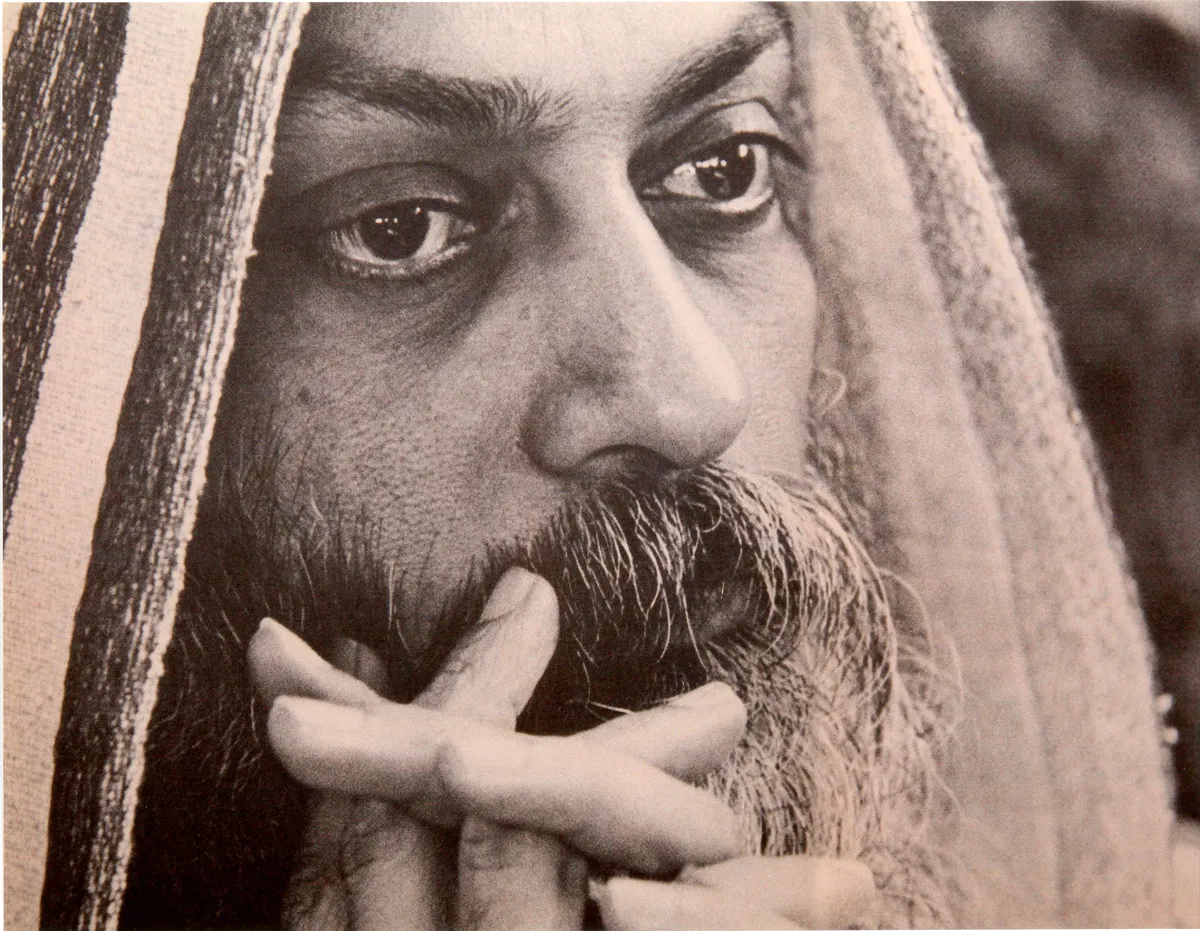
Even when the book ends, your inner fighting doesn’t—until you wake up and become aware.
From the Discourses
Passages where Osho speaks to this question — each links to the complete discourse.
Osho, it is surprising that among animals there is hardly any hypocrisy or deceit, and among indigenous people it is also very little, whereas in the so-called educated and civilized society it is at its peak. Has humanity’s long and arduous journey from barbarism to civilization then gone in vain? And in that case, is the tribal order preferable?
Animals are without falseness, without hypocrisy—not because they have achieved something, but because they are incapable. They cannot be hypocrites; there is no way for them to be. They have no facility for being bad, no possibility of falling. But precisely because an animal cannot fall, it also cannot ascend to divinity. One who cannot fall cannot rise. And where there is no possibility of sin, there is no possibility of the divine either. The animal is in a kind of stupor; it does as nature makes it do. Its journey is mechanical. It has no free will. Therefore an animal cannot do evil, but it cannot do good either. It simply does what nature impels. It has no individuality of its own. Hence an animal can be neither wicked nor virtuous, neither a great sinner nor a great saint. An animal remains an animal. The animal is born complete.…
पहला प्रश्न: ओशो, आश्चर्य की बात है कि पशुओं में पाखंड या मिथ्याचरण नाममात्र भी नहीं है और आदिवासियों में भी अत्यल्प है, जब कि तथाकथित शिक्षित व सभ्य समाज में सर्वाधिक है। तो क्या बर्बरता से सभ्यता की ओर मनुष्य की लंबी व कठिन यात्रा व्यर्थ ही गई? और तब क्या आदिवासी व्यवस्था वरेण्य नहीं है?
पशुओं में मिथ्याचरण नहीं है, पाखंड नहीं है, इसलिए नहीं कि पशुओं की कोई उपलब्धि है, बल्कि इसलिए कि पशु असमर्थ हैं, पाखंडी हो नहीं सकते, होने का उपाय नहीं है; बुरे होने की कोई सुविधा नहीं है; पतित होने की कोई संभावना नहीं है। लेकिन चूंकि पशु पतित नहीं हो सकते, पशु दिव्यता का आरोहण भी नहीं कर सकते। जो गिर नहीं सकता, वह ऊपर भी उठ नहीं सकता। और जिसके जीवन में पाप की संभावना नहीं है, उसके जीवन में परमात्मा की संभावना भी नहीं है। पशु मूर्च्छित है; प्रकृति उससे जैसा कराती है, वह करता है। यंत्रवत उसकी यात्रा है। उसकी कोई स्वेच्छा नहीं है। इसलिए बुरा भी पशु कर नहीं सकता; भला भी नहीं कर सकता। प्रकृति जो कराती है, वही करता है। पशु की अपनी कोई निजता नहीं है। इसलिए पशु न तो असाधु हो सकता है न साधु; न महापापी हो सकता है न महा संत। पशु पशु ही रहेगा।
Verse (Sanskrit): श्रीमद्भगवद्गीता अथ अष्टादशोऽध्यायः अर्जुन उवाच संन्यासस्य महाबाहो तत्त्वमिच्छामि वेदितुम्। त्यागस्य च हृषीकेश पृथक्केशिनिषूदन।। 1।। श्रीभगवानुवाच काम्यानां कर्मणां न्यासं संन्यासं कवयो विदुः। सर्व कर्मफलत्यागं प्राहुस्त्यागं विच्रणाः।। 2।। त्याज्यं दोषवदित्येके कर्म प्राहुर्मनीषिणः। यज्ञदानतपःकर्म न त्याज्यमिति चापरे।। 3।। Transliteration: śrīmadbhagavadgītā atha aṣṭādaśo'dhyāyaḥ arjuna uvāca saṃnyāsasya mahābāho tattvamicchāmi veditum| tyāgasya ca hṛṣīkeśa pṛthakkeśiniṣūdana|| 1|| śrībhagavānuvāca kāmyānāṃ karmaṇāṃ nyāsaṃ saṃnyāsaṃ kavayo viduḥ| sarva karmaphalatyāgaṃ prāhustyāgaṃ vicraṇāḥ|| 2|| tyājyaṃ doṣavadityeke karma prāhurmanīṣiṇaḥ| yajñadānatapaḥkarma na tyājyamiti cāpare|| 3|| Translation: The Blessed Bhagavad Gita Now, the Eighteenth Chapter Arjuna said Of renunciation, O mighty-armed, I wish to know the truth; and of relinquishment as well, O Hrishikesha, separately, O slayer of Keshi. The Blessed Lord said Renunciation, say the sages, is the laying aside of actions born of desire; relinquishment, declare the discerning, is the abandoning of the fruit of all actions.
Duryodhana had never imagined that the divine would enter into war. Hence what he is saying is just an initial statement of the kind we all make in the early stages of our lives. Meanwhile, the unknown keeps intervening and the entire story changes. If we could see our lives in hindsight, we might say that whatever we intended went wrong. Where we expected success, we met failure; what we had our hearts set on was never attained. Happiness was expected by gaining something, which when we got it, led to sorrow; and that which we never dreamed of having, the mere glimpse of it burst open fountains of joy and happiness. Everything becomes topsy-turvy. There are very few intelligent people in this world who would take into consideration the outcome first. We pay attention to the beginning first.