
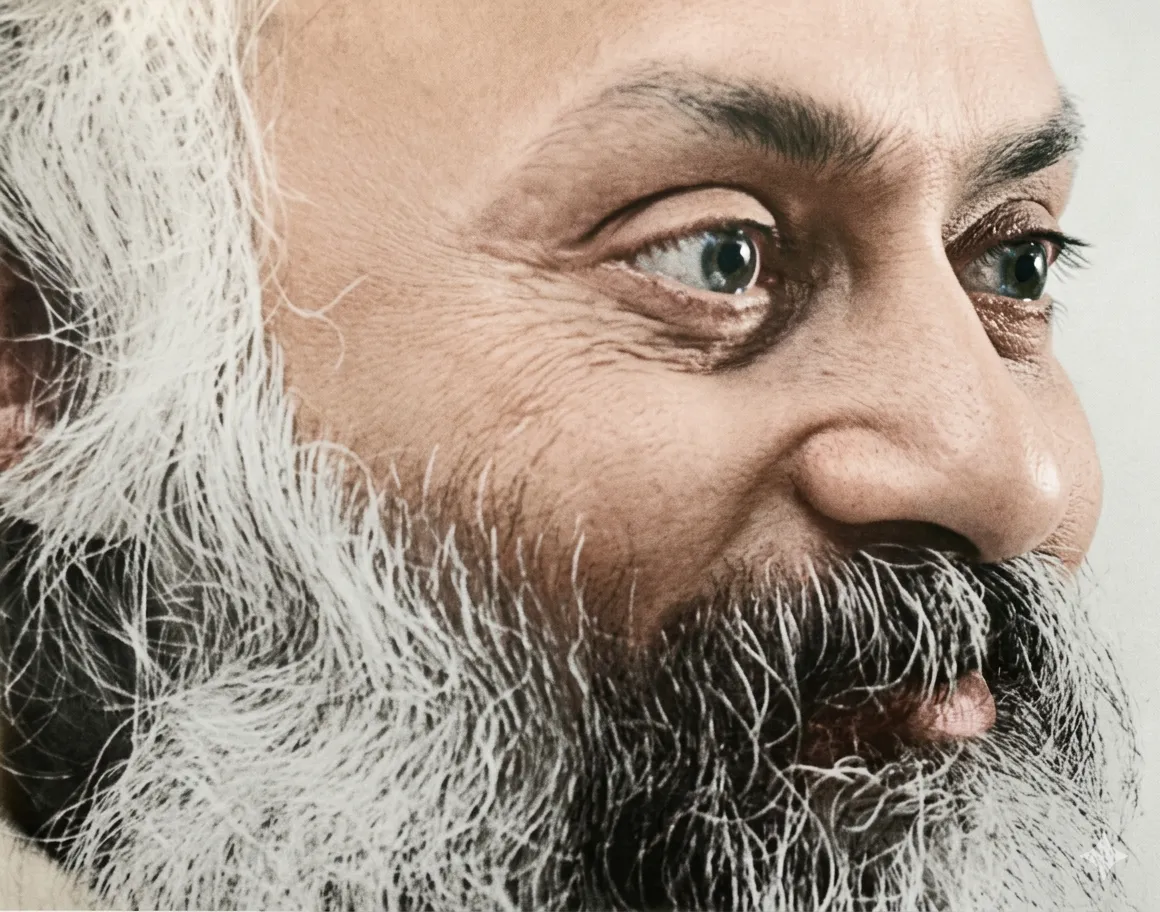
Your mind goes quiet, your heart fills up, and you feel a bigger loving presence without any words.
From the Discourses
Passages where Osho speaks to this question — each links to the complete discourse.
Osho, when I sit in prayer I simply fall silent. What should I say to the Lord, what should I not say? Nothing at all comes to mind. Then I wonder, what kind of prayer is this! Please show me the way.
Doolandas said only a few days ago that God is not deaf! There is no need to shout. The truth is, before the feeling arises in your heart, it has already reached him. Before the prayer is uttered, it is heard. There is no method of saying—before you can say it, it has arrived. The thing must be there: a dense feeling in the heart, drenched in love! Be absorbed in feeling and fall into silence—prayer has happened. In that very silence, the petition will be made. That silence itself is the petition. In that silence, what cannot be said, what has never been said, what will never be said—will be said. Call me close just once, then I won’t ask again— I speak the truth. I was asleep—why did you wake me from my sleep? Why, tinting me with vermilion dreams, did you show me a golden world? What…
पहला प्रश्न: ओशो, मैं प्रार्थना में बैठता हूं तो बस चुप रह जाता हूं। प्रभु से क्या कहूं, क्या न कहूं, कुछ भी सूझता नहीं है। फिर सोचता हूं कि यह कैसी प्रार्थना! आप मार्ग दिखावें।
दूलनदास ने कहा न अभी कुछ दिन पहले कि वह परमात्मा बहरा नहीं है! तुम चिल्लाओ इसकी कोई जरूरत नहीं है। सच तो यह है, इसके पहले कि भाव तुम्हारे हृदय में उठे, उस तक पहुंच जाता है। इसके पहले कि प्रार्थना की जाए, सुन ली जाती है। कहने का उपाय ही नहीं है। कहने के पहले ही बात पहुंच गई। होनी चाहिए बात, हृदय में भाव होना चाहिए सघन, प्रेमसिक्त! तुम भाव से मग्न होकर मौन रह जाओ, प्रार्थना हो गई। उसी मौन में निवेदन हो जाएगा। वही मौन निवेदन है। उस मौन में ही जो नहीं कहा जा सकता, नहीं कभी कहा गया है, नहीं कभी कहा जाएगा--कह दिया जाएगा। एक बार बस पास बुला लो, फिर न कहूंगा, सच कहता हूं। मैं सोया था सोने देते क्यों सोते से मुझे जगाया, सिंदूरी सपनों से रंग कर क्यों स्वर्णिम संसार दिखाया। …
“Grant me your vision, O God—my eyes are thirsty.” For three or four days, ever since my eyes met yours, there had been an unbroken humming within. Yesterday evening, the moment I fell at your feet, the tune departed; words became wordless. What kind of call is this?
Chitranjan! The call of words is not a deep call. Only the call of the wordless is deep. As long as prayer is filled with words, it remains shallow, superficial. Only when prayer becomes wordless does it attain depth. A prayer that can be spoken is merely a wave of the mind. A prayer that cannot be spoken is the heart’s own arising. The journey begins with a resonance; it should be completed in the void. “Grant me your vision, O God— my eyes are thirsty.” Good—let it begin from here, from this very longing. But if you cling too tightly to these words, they themselves will make the vision impossible. Their echo will go on, and because of their echo his resonance will not be heard. He is speaking—but his speaking is wordless, it is silence. If you are to understand him, you must understand in wordlessness, in silence.…
पहला प्रश्न: दर्शन दो भगवान मेरी अंखियां प्यासी रे तीन-चार दिन से जब से आपसे आंख मिली है, तब से अविरत गुंजन हो गई थी। कल संध्या आपके चरणों में गिरते ही धुन विदा हो गई, शब्द निःशब्द हो गए। यह कैसी पुकार!
चितरंजन! शब्द की पुकार गहरी पुकार नहीं। निःशब्द की पुकार ही गहरी पुकार है। प्रार्थना जब तक शब्दमय होती है, तब तक छिछली होती है, उथली होती है। प्रार्थना जब निःशब्द हो जाती है, तभी गहराई लेती है। बोली जा सके जो प्रार्थना, वह मस्तिष्क की ही तरंग है। बोली न जा सके जो प्रार्थना, वही हृदय का आविर्भाव है। गूंज से शुरू होती है बात, शून्य पर पूरी होनी चाहिए। ‘दर्शन दो भगवान मेरी अंखियां प्यासी रे’ ठीक है, यहीं से शुरू होगी बात। इसी अभीप्सा से। लेकिन अगर ये शब्द बहुत ज्यादा पकड़ मार कर बैठ जाएं, तो इन्हीं शब्दों के कारण दर्शन असंभव हो जाएगा। यही शब्द गूंजते रहेंगे। इनकी गूंज के कारण ही उसकी गूंज सुनाई न पड़ सकेगी। वह बोल रहा है। लेकिन उसका बोलना निःशब्द है, मौन है। उसे समझना हो तो भी निःशब्द और मौन में ही समझना होगा। उससे पहचान बनानी हो तो उसकी ही भाषा सीखनी पड़ेगी। उसकी भाषा संस्कृत नहीं है; न अरबी है, न हिंदी है, उसकी कोई भाषा नहीं है। सन्नाटा उसकी भाषा है। शून्य उसकी भाषा है। मौन उसकी भाषा है। …
Osho, is the experience of the Divine different for each person?
Think of it like this: you go home from this garden, and your children say, “Tell us—what was the garden like?” A painter might tell you by making a painting: “It was like this.” A poet will write a poem—of the trees, of the winds passing through them, of the sun filtering between their leaves. Now a poem and a painting differ greatly. Or perhaps someone is a musician; he will not even write a poem—he will lift his vina. Why write? The winds passed through the trees and there was sound and resonance—he will reproduce that resonance on the vina. The colors in the trees he will translate into tones. The sun and shade he will pour into music. He will play the garden on his vina. Another will write a poem; another will render it on paper. The three expressions will differ. And if you look only at…
तीसरा प्रश्न: ओशो, क्या परमात्मा का अनुभव भी प्रत्येक का अलग-अलग होता है?
ऐसा ही समझो कि इस बगीचे से तुम गए घर, और किसी ने तुमसे कहा--तुम्हारे बच्चों ने कहा कि हमें भी तो कुछ बताओ कि बगीचा कैसा था? जो चित्रकार होगा, वह शायद चित्र बना कर बता देगा कि ऐसा था। जो कवि होगा, वह एक कविता लिखेगा--वृक्षों की, वृक्षों के बीच से गुजरती हवाओं की, वृक्षों के बीच-बीच से छनती सूरज की किरणों की, वह कविता लिखेगा। अब एक कविता में और एक चित्र में बड़ा फर्क है। या हो सकता है कोई संगीतज्ञ हो, वह कविता भी नहीं लिखेगा, वह अपनी वीणा उठा लेगा। क्यों लिखे कविता? हवाएं गुजरती थीं वृक्षों से और आवाज होती थी और नाद पैदा होता था, वह वीणा पर वही नाद पैदा कर देगा। रंग थे वृक्षों में, रंगों को वह ध्वनियों में बदल देगा। धूप-छांव थी, वह धूप-छांव को संगीत में उतार देगा। वह अपनी वीणा पर बजाएगा बगीचे को। कोई कविता में लिखेगा, कोई कागज पर उतारेगा।
Osho, what is the relationship between meditation and patience?
If you sit to meditate to remove mental restlessness, you will keep looking back again and again: “Has it gone yet?” And the irony is that when you begin to meditate, restlessness will increase. Because what has been repressed will start surfacing; catharsis will begin. The rubbish you have kept hidden within and never allowed to express—meditation will break open those doors too. It will clean the house. Dust piled up for years, for births, will rise again; there will be gusts and storms. For a while even the little peace you had will be lost. Then you will panic: “I came for peace, and even what I had is gone.” Without patience, you could even become unhinged, because meditation brings such a great storm. The disease is not from a day or two; it’s from lifetimes. Meditation will break through all the layers to reach your innermost core. In…
दूसरा प्रश्न: ओशो, ध्यान और धैर्य में क्या संबंध है?
अगर मन की अशांति को मिटाने के लिए तुम ध्यान करने बैठे हो, तो तुम बार-बार लौटकर देखोगे, अब तक मिटी नहीं! और मजा तो यह है कि जब ध्यान शुरू करोगे, तो अशांति बढ़ेगी। क्योंकि जो दबी पड़ी है, वह भी प्रकट होगी। जो सदा-सदा से दबाई है, उसका भी रेचन शुरू होगा, कैथार्सिस होगी। जो कूड़ा-करकट भीतर छिपाकर बैठे रहे हो, प्रकट नहीं किया है, ध्यान उन द्वारों को भी तोड़ेगा। घर की सफाई करेगा। वर्षों की जमी धूल, जन्मों की जमी धूल उठेगी फिर से, अंधड़-तूफान होंगे। कुछ देर तो थोड़ी-बहुत जो शांति तुम्हारे पास थी, वह भी खो जाएगी। …
Osho, in devotion the remembrance of the Name is greatly praised. In this context there is a popular couplet: “Keep chanting the name of Ram as long as there is breath in the body. Someday the Compassionate One will catch the hint in his ear.” Why doesn’t the Compassionate One listen quickly?
A mother is talking to her son. A new baby is due; nine months are complete. The mother is preparing the boy for the new guest in the house—this is necessary. The little boy… she tells him: You should be very happy. Your new brother is coming. From God’s house, your new brother is coming! But the child looks a little sad and a bit upset. The mother asks: What is it? Why are you upset and sad? Aren’t you happy that your new brother is coming? He says, No—because every day I pray to God that this time I should not get a brother. Send a little horse. It seems my prayer was not heard. Now no brother and such—I don’t want that. I want a horse. And he says to his mother, If it’s not too much trouble for you, then a horse… even now if something can…
दूसरा प्रश्न: ओशो, भक्ति में नाम-स्मरण की महिमा बहुत है। नाम-स्मरण के प्रसंग में ही यह लोकप्रिय पद है: ‘राम-नाम रटते रहो, जब लगि घट में प्रान। कबहूं तो दीनदयाल के भनक पड़ेगी कान।।’ दीनदयाल जल्दी क्यों नहीं सुनते हैं?
एक मां अपने बेटे से बात कर रही है। नया बच्चा आने को है; नौ महीने पूरे हो गए हैं। और मां अपने बेटे को तैयार कर रही है। नया अतिथि घर में आएगा, बेटे को तैयार कर लेना जरूरी है। छोटा बच्चा... उससे वह कह रही है: तुम्हें बहुत खुश होना चाहिए। तुम्हारा नया भाई आ रहा है। परमात्मा के घर से नया भाई आ रहा है! लेकिन बच्चा कुछ उदास है और कुछ खिन्न है और मां पूछती है: बात क्या है? तू खिन्न और उदास क्यों है? तुझे नये भाई के आने से कोई प्रसन्नता नहीं होती है? वह बोला कि नहीं, क्योंकि मैं रोज प्रार्थना करता हूं भगवान से कि इस बार भाई न मिले। एक छोटा घोड़ा भेज। मालूम होता है, मेरी प्रार्थना सुनी नहीं गई। अब भाई-वाई नहीं चाहिए। मुझे एक घोड़ा चाहिए। और वह अपनी मां से कहता है: अगर तुझे ज्यादा तकलीफ न हो, तो घोड़ा ही... अभी भी कुछ बन सके, तो कोशिश कर।