
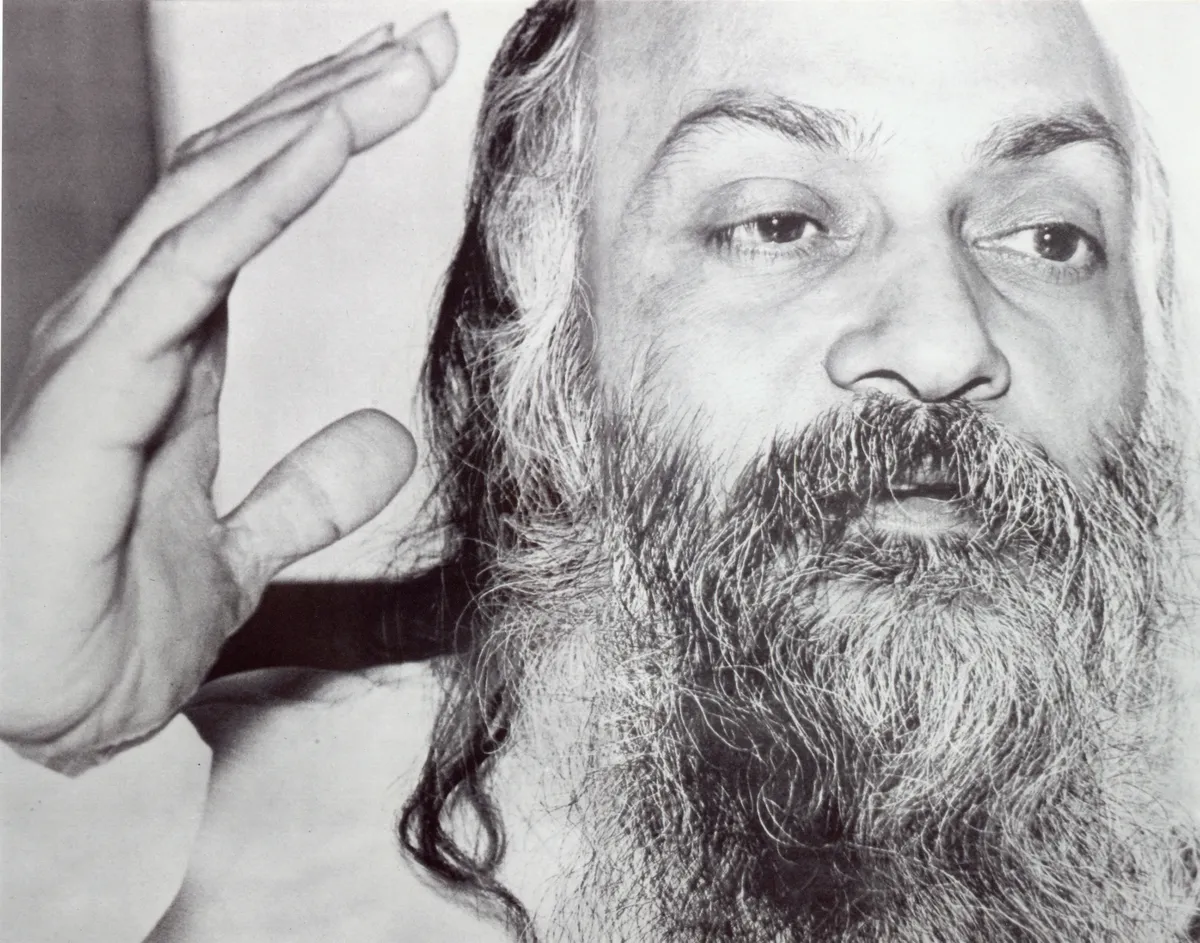
You can’t collect Dharma like a thing; relax the ego, look within, and let yourself melt into the Truth that already lives you.
From the Discourses
Passages where Osho speaks to this question — each links to the complete discourse.
Someone asked, “Have you attained Dharma completely?”
What does “completely” mean? If Dharma could be attained completely, it would become limited. Only that which has a boundary can be attained in full. Dharma has no boundary. Therefore you will drown in Dharma. Dharma will attain you completely, but you can never attain it completely. When a drop falls into the ocean, the ocean attains the drop completely. But to say the drop has attained the ocean completely—what does that mean? The drop is no more; in attaining, it is lost; in fulfilling the condition of attainment, it disappears. This language of “the whole” is also the language of greed. Little-more, full-less; measures—half a quarter, a quarter, half a seer, a whole seer—these are mathematical measures. Can Truth be fragmented so you get half? Can Truth be broken into pieces so you take a little now and a little tomorrow? Truth is indivisible; there can be no fragments.…
पूछा है, ‘क्या आपने धर्म को पूरी तरह पा लिया है?’
पूरी तरह का क्या अर्थ होता है? अगर धर्म पूरी तरह पाया जा सके तो सीमित हो जाएगा। जिसकी सीमा हो, वही पूरी तरह पाया जा सकता है। धर्म की कोई सीमा नहीं है। इसलिए तुम धर्म में डूब जाओगे। धर्म तुम्हें पूरी तरह पा लेगा, लेकिन तुम न पा सकोगे पूरी तरह। एक बूंद जब सागर में गिरती है तो सागर बूंद को पूरी तरह पा लेता है। बूंद ने सागर को पूरी तरह पाया, यह कहने का क्या अर्थ है? बूंद बची ही नहीं; उसी पाने में खो गई; पाने की शर्त पूरी करने में ही खो गई। यह पूरे की भाषा भी लोभ की भाषा है। थोड़ा-ज्यादा, पूरा-कम; मात्राएं-- आधा पाव, पाव भर, आधा सेर, सेर भर--ये मात्राएं भी गणित की मात्राएं हैं। सत्य को खंडित किया जा सकता है क्या कि तुम आधा पा लो? सत्य के टुकड़े बांटे जा सकते हैं क्या कि तुम थोड़ा अभी पा लो, थोड़ा कल पा लेंगे?
Osho, you have titled this series of talks “Sahaj Yoga.” Do “sahaj” and “yoga” not seem mutually opposed?
Anand Maitreya! They don’t just seem opposed, they are opposed. But no ultimate truth of life can manifest without contradiction. Life is made of opposites—darkness and light, day and night, woman and man, negative electricity and positive electricity, birth and death. The very structure of life is woven of opposites. Hence the opposites are not only opposed; they are complementary to each other. If you have labored hard all day, you will be able to sleep deeply. Labor and rest are opposites, yet only the one who has worked can rest deeply—and the one who has not worked cannot. So the opposites are not only opposed, they complete each other. And only the one who has rested deeply at night can rise in the morning and engage in work again. One who has not rested through the night will not be able to work in the morning. Look closely at…
पहला प्रश्न: ओशो, आपने इस प्रवचनमाला का शीर्षक दिया है--सहज-योग। क्या सहज और योग परस्पर-विरोधी नहीं लगते?
आनंद मैत्रेय! विरोधी लगते ही नहीं, विरोधी हैं। लेकिन जीवन का कोई भी परम सत्य बिना विरोधाभास के प्रगट हो ही नहीं सकता। जीवन बना है विरोधों से--अंधेरा और प्रकाश, दिन और रात, स्त्री और पुरुष, ऋण विद्युत-धन विद्युत, जन्म-मृत्यु। जीवन की संरचना विरोधों से है। इसलिए विरोधी विरोधी ही नहीं हैं, एक-दूसरे के परिपूरक भी हैं। दिन भर श्रम किया खूब तो गहरी नींद सो सकोगे। श्रम और विश्राम विरोधी हैं, पर जिसने श्रम किया है वही गहरा विश्राम कर सकेगा। और जिसने श्रम नहीं किया वह गहरा विश्राम भी न कर सकेगा। तो विरोधी विरोधी ही नहीं हैं, एक-दूसरे के परिपूरक भी हैं। और जिसने रात्रि गहरा विश्राम किया है वही सुबह जागकर फिर श्रम में संलग्न हो सकेगा। जो रात-भर विश्राम नहीं कर सका वह सुबह श्रम में भी न लग सकेगा।
It is asked again: “Is dharma the truth?”
Dharma is truth. Dharma means: a state of non-relationship. Dharma means: to be steady in one’s own nature; to be immersed in oneself. Nothing remains outside. No kind of connection with the outside remains. Not even the relationship with the master remains. The true master is the one who brings you to the place where you are freed even from the master. Such a master is called a satguru. The one who entangles you in himself is called a false guru—who says, “Don’t go beyond me. This is your halt; the destination has arrived. No further.” The one who holds you stuck in himself is a false guru. The one who lets you go beyond himself, who becomes a ladder, a doorway—so you climb and pass through—he alone is the satguru. And remember: a feeling of gratitude arises only toward the satguru. Toward a false guru, anger will arise—if not…
फिर पूछा है: ‘क्या धर्म सत्य है?’
धर्म सत्य है। धर्म का अर्थ है: असंबंधित दशा। धर्म का अर्थ है: अपने स्वभाव में थिर हो जाना; अपने में डूब जाना। कोई बाहर न रहा। किसी तरह का संबंध बाहर न रहा। गुरु का संबंध भी न रहा। वही है गुरु, जो तुम्हें उस जगह पहुंचा दे, जहां गुरु से भी मुक्ति हो जाए। उस गुरु को सदगुरु कहा है। उस गुरु को मिथ्या-गुरु कहा है, जो तुम्हें अपने में अटका ले। जो कहे, मेरे से आगे मत जाना। बस, यही तुम्हारा पड़ाव आ गया; मंजिल आ गयी। अब आगे नहीं। जो तुम्हें अपने में अटका ले, वह मिथ्या-गुरु। जो तुम्हें अपने से पार जाने दे, जो सीढ़ी बन जाए, द्वार बन जाए; तुम चढ़ो और पार निकल जाओ, वही सदगुरु। और ध्यान रखना: सदगुरु के प्रति ही अनुग्रह का भाव होता है। मिथ्या-गुरु के प्रति तो क्रोध आएगा आज नहीं कल; क्योंकि मिथ्या-गुरु वस्तुतः तुम्हारा दुश्मन है। पहले प्रलोभन दिया विकास का और फिर अटका लिया! पहले आशा जुटायी; तुम्हारे भीतर खूब आशा जगायी कि मुक्ति दूंगा। और फिर तुमने पाया कि एक नए तरह का बंधन हो गया। …
Osho, please say something about the real nature of dharma.
Dharma means your intrinsic nature. Dharma means your spontaneity. As fragrance is to a rose, as heat is to fire, as coolness is to water, so you too have a nature of your own; living in tune with that nature is called dharma, living against it is called adharma. There will be slight differences in each person’s nature—there must be, because existence does not make carbon copies. Therefore each person’s dharma will also differ a little. What is medicine for one can be poison for another, and what is poison for one can be medicine for another. Hence each person has to search for his own nature in the depths of meditation. No one else can give you a clear, definitive statement about your nature. You yourself have to recognize, slowly, your naturalness in the depths of meditation, and then gather the courage to live according to it. Courage is…
तीसरा प्रश्न: ओशो, धर्म के वास्तविक स्वरूप के संबंध में कुछ कहें।
धर्म का अर्थ होता है स्वभाव। धर्म का अर्थ होता है तुम्हारी सहजता। जैसे गुलाब में गंध है और जैसे अग्नि उत्तप्त है और जैसे जल शीतल है, ऐसे ही तुम्हारा भी एक स्वभाव है; उस स्वभाव में जीने का नाम धर्म है, उस स्वभाव से विपरीत जीने का नाम अधर्म है। फिर प्रत्येक व्यक्ति के स्वभाव में थोड़ा सा भेद होगा--होना ही चाहिए क्योंकि परमात्मा एक जैसे लोग नहीं बनाता। इसलिए प्रत्येक व्यक्ति के धर्म में भी थोड़ा सा भेद होगा। जो एक के लिए दवा है, दूसरे के लिए जहर हो सकता है और जो एक के लिए जहर है, दूसरे के लिए दवा हो सकता है। इसलिए प्रत्येक व्यक्ति को ध्यान की गहराइयों में अपने स्वभाव की तलाश करनी होती है। कोई दूसरा तुम्हें तुम्हारे स्वभाव के संबंध में सुस्पष्ट निर्वचन नहीं दे सकता। तुम्हें ही ध्यान की गहराइयों में धीरे-धीरे अपनी स्वाभाविकता को पहचानना पड़ता है और फिर उसी स्वाभाविकता के अनुसार जीने की हिम्मत जुटानी पड़ती है। …
And the fifth thing they said was, “Now Osho is speaking properly; he isn’t like before—he has improved a little!”
Absolutely wrong! I am getting worse. The question of improving does not arise. The more I experience all these fools, the sharper I keep my edge. Their necks have to be cut. I am driving the blade in deeper. My blow will grow deeper every day. Let no one remain in this mistake. And yet they go on explaining this to my disciples. Now this is most amusing: on the one hand they call me “Bhagwan Rajneesh,” and on the other they say I am improving! Is there anything left to improve in a Bhagwan? Does it mean that even after being God something still remains to be improved? Only “worsening” remains; there is nothing left to improve. And once you are a Bhagwan, even the fear of worsening is gone. Now, even if you send me to hell, it makes no difference. I will celebrate there too. There you…
और पांचवीं बात उन्होंने कही कि ‘अब ओशो अच्छे ढंग से बोल रहे हैं; पहले जैसे नहीं रहे हैं, कुछ सुधर गए हैं!’
बिलकुल गलत! मैं और बिगड़ रहा हूं। सुधरने का सवाल ही नहीं उठता। मुझे जैसे-जैसे अनुभव होता जा रहा है इन सारे नासमझों का, उतनी-उतनी मैं धार रख रहा हूं। इनकी ग र्दनें काटनी हैं। मैं चोट और गहरी कर रहा हूं। मेरी चोट रोज गहरी होती जाएगी। इस गलती में न रहे कोई। मगर यह फिर वे मेरे शिष्यों को समझा रहे हैं। अब यह बड़े मजे की बात है कि एक तरफ कहते हैं मुझे ‘भगवान रजनीश’, और दूसरी तरफ यह भी कहते हैं कि सुधर रहे हैं! भगवान में भी कुछ सुधरने को बचता है? मतलब यह हुआ कि भगवान होकर भी कुछ सुधरने को रह जाता है शेष! बिगड़ने को ही बचता है, सुधरने को कुछ नहीं बचता। अब भगवान ही हो गए तो अब बिगड़ने का डर भी नहीं रहता। अब तो तुम मुझे नरक में भी भेज दो, तो कोई फर्क नहीं पड़ता। वहीं उत्सव मनाऊंगा। वहीं तुम पाओगे कि शैतान को मैंने संन्यासी बना लिया है! अब मुझे कोई न सुधरना है, न बिगड़ने का कोई डर है। मगर ये देखते हो मूढ़तापूर्ण बातें कि ओशो अच्छे ढंग से बोल रहे हैं; पहले जैसे नहीं रहे हैं, कुछ सुधर गए हैं! …