
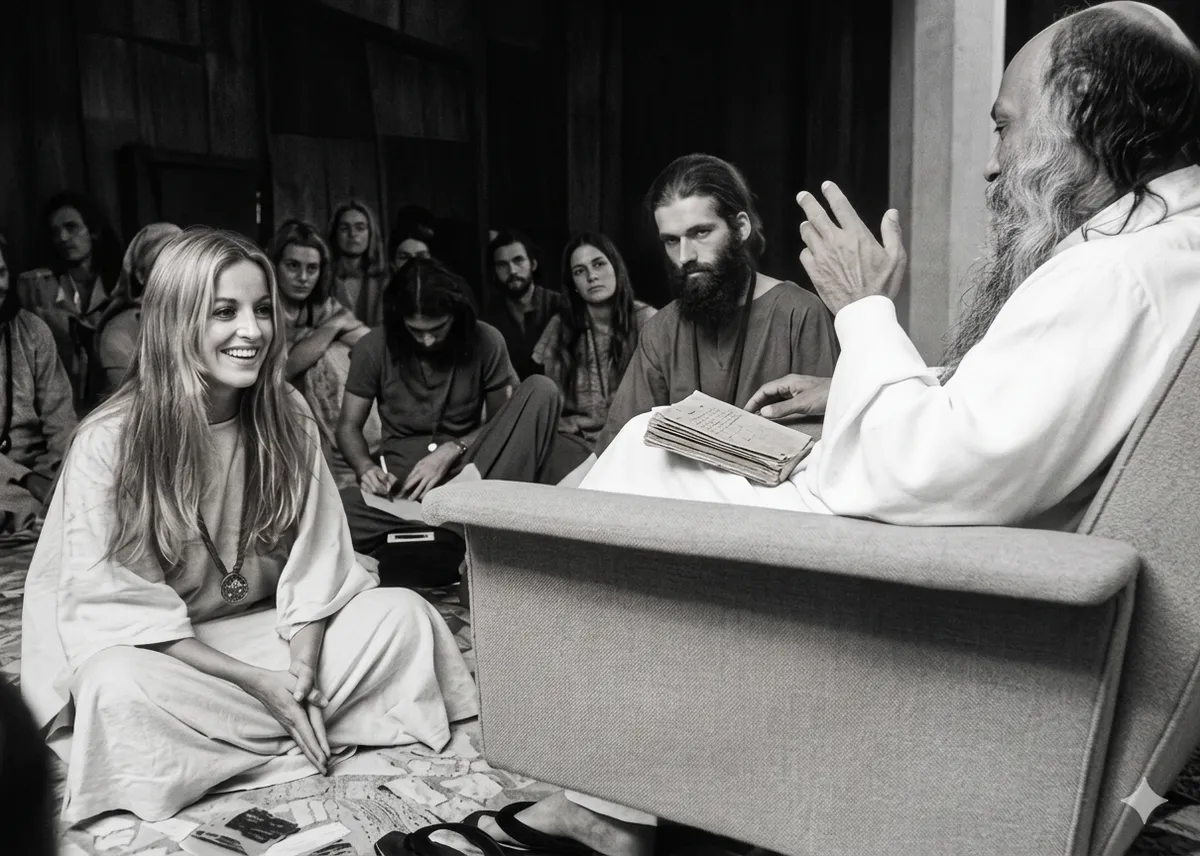
Real wisdom grows inside you so you choose what’s right without needing someone to force you.
From the Discourses
Passages where Osho speaks to this question — each links to the complete discourse.
Someone asked Saint Augustine: “What should I do so that sin does not happen; what should I do so that virtue happens?” Augustine said, “If I begin to enumerate duties, it will turn into an endless list: do this, don’t do that. Even if I detail each duty, the list will never end. And no matter how long it is, you will still find a way, a loophole, to do what you want.”
As awareness grows, you begin to see in every being the same flame that shines within you. As unconsciousness grows, you cannot even glimpse your own soul, let alone another’s. If I don’t know it within me, how can I know it within another? What I know within, that alone I can recognize without. The first step of knowing happens within; then its rays fall on others. If I don’t even know that there is a soul within me—so unconscious that what is inside is invisible, the eyes fogged, drugged, filled with smoke—how will I see the other? I have heard: it is raining hard. Nasruddin is driving with his wife. The rain is so heavy and he hasn’t turned on the wipers. His wife says, “Turn on the wipers; we can’t see.” Nasruddin says, “No point—I forgot my glasses at home; I can’t see the wipers. Whether they run…
संत अगस्तीन से किसी ने पूछा है कि मैं क्या करूं कि पाप न हो; क्या करूं कि पुण्य हो? तो अगस्तीन ने कहा कि अगर मैं कर्तव्यों को गिनाने बैठूं तो बड़ी लंबी फेहरिस्त हो जाएगी; यह करो, यह मत करो। अगर एक-एक कर्तव्य को विस्तार से गिनाने बैठूं तो फेहरिस्त का कभी अंत नहीं होगा। और कितनी ही बड़ी फेहरिस्त हो, फिर भी तुम उसके भीतर से तरकीब निकाल लोगे जो तुम्हें करना है उसकी।
जैसे-जैसे होश बढ़ता है, वैसे-वैसे सभी जीवों के भीतर वही ज्योति दिखाई पड़ने लगती है, जो मेरे भीतर है। जैसे-जैसे बेहोशी बढ़ती है, खुद के भीतर ही आत्मा का पता नहीं चलता, दूसरों के भीतर तो चलने का कोई सवाल ही नहीं है। जिसे मैं अपने भीतर नहीं जानता, उसे मैं दूसरे के भीतर कभी भी नहीं जान सकता हूं। जो मैं अपने भीतर जानता हूं, वही मुझे दूसरे के भीतर भी दिखाई पड़ सकता है। ज्ञान का पहला चरण भीतर घटेगा। फिर उसकी किरणें दूसरों पर पड़ती हैं। मुझे यही पता नहीं है कि मेरे भीतर कोई आत्मा है। इतना बेहोश हूं कि जो भीतर मौजूद है, वह भी दिखाई नहीं पड़ता। आंखों पर धुंध है, नशा है। धुआं घिरा है भीतर, कुछ दिखाई नहीं पड़ता; लेकिन हम चले चले जाते हैं। मैंने सुना है, एक दिन जोर की वर्षा हो रही है और मुल्ला नसरुद्दीन अपनी पत्नी को लेकर कहीं जा रहा है। गाड़ी चला रहा है। वर्षा इतने जोर की है, लेकिन उसने वाइपर नहीं चलाया। तो उसकी पत्नी कहती है कि नसरुद्दीन वाइपर तो चला लो, कुछ दिखाई नहीं पड़ता। …
Osho, is it necessary to qualify awakening with the adjective “discernment” (vivek), or not? Because perhaps there could be an undiscerning awakening as well.
No, an undiscerning awakening is not possible. Awakening is intrinsically discerning. In fact, awakening and vivek mean the same. Just as we cannot speak of a living corpse, we cannot speak of an undiscerning awakening; they are opposing terms. Vivek means awakening. What commonly comes to mind with the word vivek is discrimination—hence your question: the idea of sorting out, “this is wrong and this is right.” But so long as you are making such discriminations—so long as you are saying, “let me take this as right and that as wrong”—you do not yet have vivek. Up to that point you have merely picked up what the truly discerning have lived as right and what they have regarded as wrong. The day real vivek dawns, there is no need to decide, “this is wrong, this is right.” What is right simply happens; what is wrong does not happen. From one…
प्रश्न: ओशो, जागरण के साथ विशेषण विवेक का लगाना जरूरी है अथवा नहीं? क्योंकि अविवेकपूर्ण भी जागरण हो सकता है।
… विवेक यानी जागरण। विवेक से जो आम खयाल पैदा होता है, वह होता है डिस्क्रिमिनेशन का। इसलिए आप कह रहे हैं। विवेक से आम खयाल होता है कि यह गलत है और यह सही है, ऐसा डिस्क्रिमिनेशन करने का। लेकिन ऐसा डिस्क्रिमिनेशन आप जब तक करते हैं, जब तक आप कहते हैं कि यह ठीक मानूं, यह गलत मानूं, तब तक आपको विवेक नहीं है। तब तक विवेकशील लोगों ने जिसको ठीक जीया है और जिसको उन्होंने गलत माना है, वह आपने पकड़ लिया है। जिस दिन आपका विवेक होगा, उस दिन यह तय नहीं करना पड़ता, यह गलत है, यह सही है। जो सही है, वह होता है; जो गलत है, वह नहीं होता। जो सही है, वही होता है जागे हुए व्यक्ति से। …
Osho, as you said yesterday, Mahavira’s twelve years of sadhana in this life were a search for an expression through which what he had attained up to the ultimate state in his previous life could benefit all the planes of the world. Then what, in his previous lives, were the practices or austerities by which his bonds were severed and he attained the truth?
We do many things in sleep, but even when we are “awake,” we live in a subtle sleep. Mahavira called it pramad—heedlessness. Even while moving about awake, even with eyes open, inside us there is a fine web of drowsiness spread. Someone shoves you and you flare up with anger. Have you ever considered whether this anger was something you did knowingly, or whether it simply happened? Like pressing a switch and the fan begins to run—you cannot say the fan is running; it is being run. Someone pushes your button and anger starts whirring; you cannot say “I am doing anger.” At most you can say: someone pressed a button and anger started. The person who can truly say, “I am doing anger,” will never be able to do anger—for if he is the master, he will not do it. Only one who is not the master can do…
प्रश्न: ओशो, जैसा आपने कल बताया कि महावीर का बारह वर्ष का साधना-काल, जो कुछ उन्होंने पिछले जन्म में परमावस्था तक प्राप्त किया था, उसे विश्व के सभी तलों को लाभ हो, उसकी अभिव्यक्ति की खोज थी। तो फिर उनके पिछले जन्मों-जन्मों की साधना या तप क्या था, जिससे उनके बंधन कट कर उन्हें सत्य की उपलब्धि हो सकी?
निद्रा में बहुत से काम हम करते हैं, लेकिन जागे हुए भी हम किसी सूक्ष्म निद्रा में जीते हैं। इसे महावीर ने प्रमाद कहा है। जागे हुए भी, चलते हुए भी, होश से भरे हुए भी हमारे भीतर एक धीमी सी तंद्रा का जाल फैला हुआ है। जैसे एक आदमी ने आपको धक्का दे दिया और आप क्रोध से भर गए। कभी आपने सोचा कि यह क्रोध आपने जान कर किया है या कि हो गया है? जैसे बिजली की बटन दबाई है और पंखा चल पड़ा है, तो हम पंखे को नहीं कह सकते कि पंखा चल रहा है। पंखा सिर्फ चलाया जा रहा है। और एक आदमी ने आपको धक्का दिया और आपके भीतर क्रोध चल पड़ा, तो हम यह नहीं कह सकते कि आपने क्रोध किया है। हम इतना ही कह सकते हैं कि बटन किसी ने दबाई और क्रोध चल पड़ा। …
How will we keep remembrance? How will tapas continue? How shall we forget that we are the body and know the truth that we are Atman? I have said: by continuous remembrance. Mahavira called this vivek. Mahavira said: a sadhu should live by vivek. There are some who think vivek only means watching while walking so as not to tread upon insects; or while turning in bed lest some tiny creature be hurt; or drinking only filtered water. These are extremely petty meanings of vivek. The deeper, essential meaning is another. Vivek means: while walking, the sadhu must know—I am not walking. Not for even a moment should this attitude slip, not for a moment should the illusion arise that I am walking. Let there be remembrance: the body walks, I see. Desire moves, I see. I am the witness. The mind moves, I am the seer.
कैसे स्मरण रखेंगे? कैसे यह तप चलेगा? कैसे हम भूलेंगे यह बात कि हम शरीर हैं और जानेंगे यह सत्य कि हम आत्मा हैं? मैंने कहा, सतत अनुस्मरण से। इसे महावीर ने विवेक कहा है। महावीर ने कहा है, साधु को विवेक से चलना चाहिए। तो कोई होंगे जो समझते होंगे कि विवेक का इतना ही अर्थ है कि उसको देख कर चलना चाहिए कि पैर के नीचे कीड़े-मकोड़े तो नहीं आ गए! महावीर ने कहा है, साधु को विवेक से लेटना चाहिए। तो कुछ होंगे जो सोचेंगे कि करवट बदलते वक्त ध्यान रखना चाहिए कि नीचे कोई कीड़ा-मकोड़ा तो नहीं आ गया! महावीर ने कहा है, साधु को विवेक से भोजन करना चाहिए। तो कुछ होंगे जो सोचेंगे कि पानी छना हुआ है या गैर-छना हुआ है! ये विवेक के अत्यंत क्षुद्र अर्थ हैं। विवेक का गहरा और महत्वपूर्ण अर्थ दूसरा है, वास्तविक सारभूत अर्थ दूसरा है। विवेक का अर्थ है, चलते वक्त साधु को जानना चाहिए, मैं नहीं चल रहा हूं। क्षण भर को भी स्खलन न हो इस वृत्ति में, क्षण भर को भी यह भ्रम न आ जाए कि मैं चल रहा हूं। …
Now think — if this gentleman of Swaminarayan meets Mahavira, he will be frightened — this man stands naked! Immoral, obscene, indecent! And indeed it happened so. Mahavira was chased away from villages, beaten — because his nakedness became painful to others. Mahavira did not intend pain for anyone. He became naked to be natural — to be spontaneous. Man is born naked, he departs naked — in between, what is the point of covering? Therefore Mahavira became naked. His nakedness is as innocent as that of a small child. But the observer sees what is filled in his own eyes. He sees something is wrong — this man will break society, make it lax. The very pillar upon which society could have been established forever appeared immoral to people. They removed him from their villages. Remember: what is within you is what you see.
अब सोचो, अगर यह ‘स्वामी नारायण संप्रदाय’ को मानने वाले सज्जन महावीर को मिल जाएं, तो यह तो घबड़ा ही जाएंगे कि यह आदमी नग्न ख़ड़ा है! यह तो बड़ी अनैतिक बात है, बड़ी अश्लील बात है। अशोभन है। अशिष्ट है। ऐसा ही हुआ था। महावीर को गांवों से खदेड़ा गया, मारा गया। क्योंकि उनका नग्न होना दूसरों को पीड़ादायी हो गया। महावीर किसी को पीड़ा नहीं देना चाहते। वह वस्तुतः नग्न इसलिए हुए कि वे नैसर्गिक होना चाहते हैं। स्वाभाविक होना चाहते हैं। नग्न आदमी पैदा हुआ है, नग्न ही विदा होगा, तो बीच में वस्त्र ढांकने का क्या प्रयोजन! इसलिए महावीर नग्न हुए। महावीर की नग्नता तो वैसी निर्दोष है, जैसे छोटे बालक की। लेकिन देखने वालों को जो वही दिखायी पड़ा तो उनकी आंखों में भरा था। उन्होंने तो देखा कि यह बात कुछ गड़बड़ है। …