
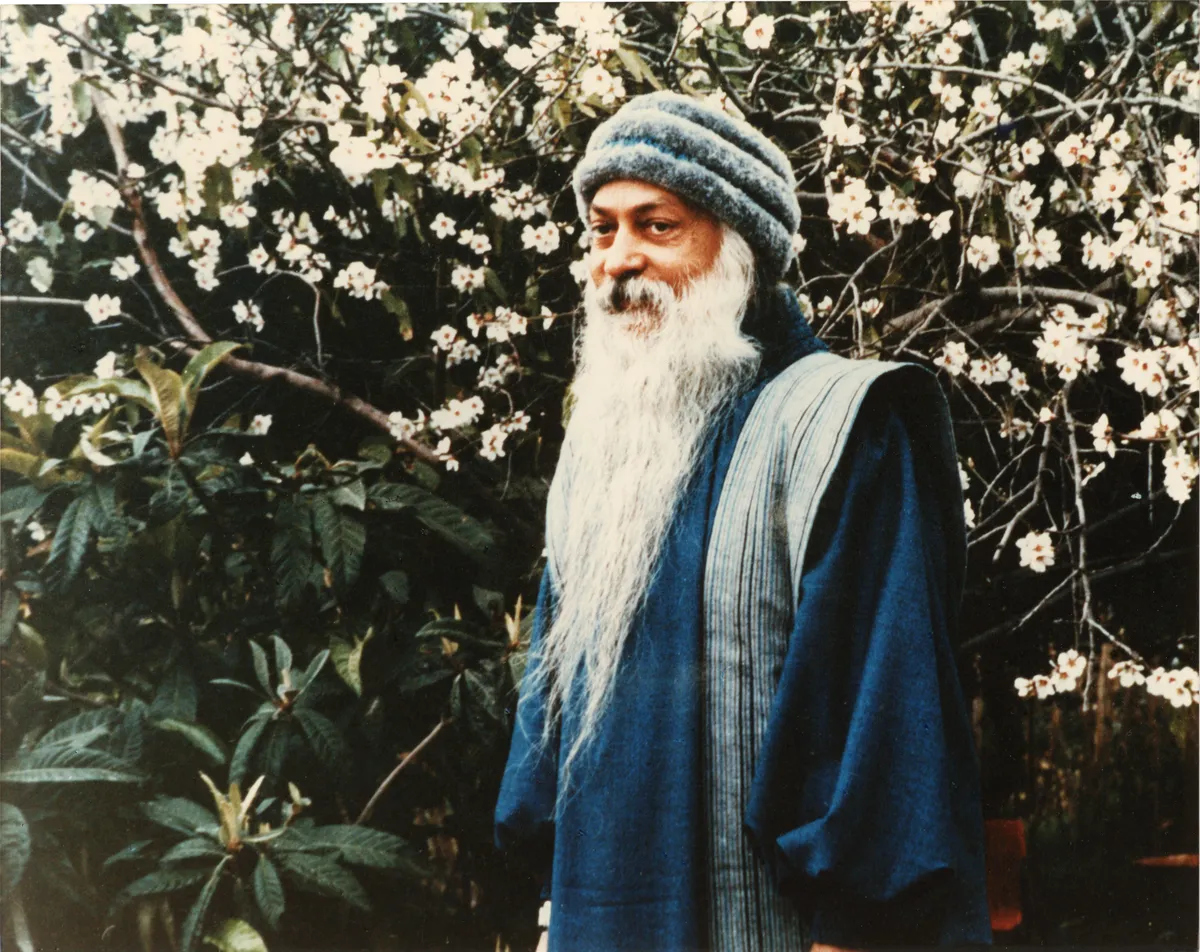
Most promises fail because they come from a noisy mind; get truly quiet, and the right action chooses you.
From the Discourses
Passages where Osho speaks to this question — each links to the complete discourse.
Osho, like Krishna, do you also tell us that all our resolves are false?
People come to me and say they are in great difficulty. If they do not take sannyas, day and night there is regret: “We are falling behind; others are moving ahead. Others are courageous; we are weak, cowardly; others are daring.” So guilt persists in the mind; there is pain. If they do take it, then troubles arise: “What mistake have I made!” People ridicule them. People say, “He too has gone mad. You have dropped your mind! Lost your intelligence!” Don’t take it, and regret catches you; take it, and regret catches you. Then what will you do? Whatever you do, regret will seize you. The meaning of regret is only this: you are divided. One part of the mind says, “Take it”; another part says, “Don’t.” Whichever of the two you obey, the one you did not obey sits inside, waiting for the right moment to say to…
दूसरा प्रश्न: ओशो, क्या कृष्ण की भांति आप भी हमसे कहते हैं कि तुम्हारे सभी निश्चय मिथ्या हैं?
… संन्यास नहीं लेते हैं, तो दिन-रात पछतावा चलता है कि हम पीछे पड़े जा रहे हैं; दूसरे आगे निकले जा रहे हैं। और दूसरे हिम्मतवर हैं; हम कमजोर, कायर; दूसरे साहसी। तो मन में ग्लानि बनी रहती है, पीड़ा होती है। अगर ले लेते हैं, तो झंझटें खड़ी हो जाती हैं कि यह क्या भूल कर ली! जगहंसाई होती है। लोग कुछ-कुछ कहते हैं। लोग कहते हैं, यह भी पागल हुआ। तुमने भी दिमाग छोड़ दिया अपना! बुद्धि खो दी! नहीं लेते, तो पछतावा पकड़ता है; लेते हैं, तो पछतावा पकड़ता है। …
Another friend has also asked: Osho, isn’t resolve just fighting with oneself?
No. In fact, it is only so long as there is no resolve that we fight with ourselves. The lack of resolve splits us in two. It can even split us into ten. What does a resolve-less person really mean? Not that he has no resolve, but that within him many self-contradictory resolves coexist. Resolve-less means: at the same time many self-contradictory resolves are inside him. He is not without resolve; he is multi-willed—filled with mutually opposing resolves. A person of resolve means that within him, at a given moment, there is only one resolve, and upon that resolve his whole consciousness is united, total, gathered. Even regarding a small matter, if the mind gathers completely—becomes total—then we cannot fight with ourselves, because no other remains within us to fight against. I can make these two hands of mine fight; they are both my hands. Half my body can side…
एक दूसरे मित्र ने भी पूछा है कि ओशो, संकल्प क्या अपने से ही लड़ना नहीं है?
नहीं। असल में जब तक संकल्प नहीं है तभी तक हम अपने से लड़ते हैं। संकल्प की कमी हमें दो हिस्सों में बांट देती है। दस हिस्सों में भी बांट सकती है। संकल्पहीन आदमी का क्या मतलब होता है? संकल्पहीन आदमी का वस्तुतः यह मतलब नहीं होता कि वह संकल्पहीन है। संकल्पहीन आदमी का मतलब होता है: उसके भीतर एक ही साथ बहुत से स्व-विरोधी संकल्प हैं। संकल्पहीन आदमी का अर्थ है: एक ही साथ बहुत से सेल्फ-कंट्राडिक्ट्री संकल्प उसके भीतर हैं। संकल्पहीन आदमी संकल्पहीन नहीं होता, बहु-संकल्पी होता है, स्व-विरोधी संकल्पी होता है। संकल्पवान आदमी का अर्थ है कि उसके भीतर एक क्षण में एक ही संकल्प है और उस संकल्प पर उसका सारा चित्त एकजुट, समग्र है, इकट्ठा है। किसी भी छोटी बात पर अगर चित्त पूरा इकट्ठा हो जाए, टोटल हो जाए, तो हम अपने से लड़ ही नहीं सकते, क्योंकि हमारे पास दूसरा कोई बचता ही नहीं जिससे हम लड़ें। मैं अपने इन दोनों हाथों को लड़ा सकता हूं। ये मेरे ही दोनों हाथ हैं। …
Osho, one small follow-up to yesterday’s discussion. You said that repeating a resolve three times declares a weak resolve. In your meditations the resolve is made three times—what is that? And will meditation practice yield knowledge, or is meditation practice itself a karma (action)?
Yet how much abuse has been hurled at the senses! How many proclamations have been made against them! And the senses are utterly sinless, innocent. No sense organ leads a human being into any act; the mind does. And when someone suppresses the senses, blocks them, and the mind no longer gets their cooperation, then it goes mad and begins to fabricate inside the very things it desired outside. If you have been hungry all day, then at night in dreams you find yourself invited to a royal banquet. The mind has made arrangements; it says, “All right then.” Toward the woman or man it restrained itself from during the day, at night the mind cannot restrain itself in dreams. Freud himself wrote in a letter—and Freud knew; he wrote it himself. It was written at about forty-five. He wrote to a friend: “Today I was astonished while walking down…
प्रश्न: ओशो, कल की चर्चा पर एक छोटा-सा प्रश्न और आया है। आपने कहा कि तीन बार किसी बात का संकल्प करना कमजोर संकल्प घोषित करता है। आपके ध्यान में संकल्प तीन बार किया जाता है, तो यह क्या है? और ध्यान-साधना से ज्ञान होगा कि ध्यान-साधना स्वयं में कर्म है?
लेकिन कितनी इंद्रियों को गालियां दी गई हैं! इंद्रियों के खिलाफ कितने वक्तव्य दिए गए हैं! और इंद्रियां बिलकुल निष्पाप और निर्दोष और इनोसेंट हैं। इंद्रियों का कोई संबंध नहीं है। कोई इंद्रिय मनुष्य को किसी काम में नहीं ले जाती, मन ले जाता है। और जब कोई इंद्रियों को दबाता है, इंद्रियों को रोकता है और मन जब इंद्रियों का सहयोग नहीं पाता है, तो पागल होकर भीतर ही उन चीजों की रचना करने लगता है, जो उसने बाहर चाही थीं। अगर दिनभर आप भूखे रहे हैं, तो रात सपने में आप राजमहल में आमंत्रित हो जाते हैं। मन ने इंतजाम किया, मन ने कहा कि ठीक है। मन ने जिस स्त्री, जिस पुरुष के प्रति दिन में अपने को रोका, रात सपने में मन नहीं रोक पाता।
Osho, it seems that everything about me is false—every word, every thought, every feeling; love, prayer, and even laughing and crying. I am a living, breathing lie. In such a case, what now, Osho? I can no longer trust myself. Perhaps even this writing is a lie. Asked by Krishnapriya.
Suddenly you will find only ruins remain. And from those very ruins the soul rises. On the ruins of ego your real nature is born. Truth is born on the ashes of untruth. Let it happen. There will be pain—great torment. For the mind does not want to accept that all of mine is false. “Surely something must be true!” But remember: nothing “somewhat true” exists. When truth is, it is whole; or it is not. We are living by the support of falsehood because we do not know truth. And without some support, living seems impossible. We know nothing of truth—what it is. And to live, one needs some support, some excuse—so we live with the false, taking it for the true. I was reading a poem— In love’s dense bowers, under the deep shade of sadness, come, sit for a moment or two and share this afflicted heart…
दूसरा प्रश्न: ओशो, ऐसा लगता है कि मेरा सब कुछ झूठ है--हरेक बात, हरेक विचार, हरेक भाव, प्रेम, प्रार्थना और हंसना और रोना भी। मैं जीता-जागता झूठ हूं। ऐसे में अब क्या हो ओशो? अब खुद पर भरोसा नहीं आता। यह लिखना भी झूठ है शायद। पूछा है ‘कृष्णप्रिया’ ने।
ये जितनी बातें कृष्णप्रिया ने लिखी हैं, इन सबका जोड़ ही अहंकार है। सब झूठों के जोड़ का नाम है अहंकार। अगर ऐसा दिखाई पड़ गया तो अहंकार बिखर जायेगा। ताश के पत्ते जैसे मकान बनाया हो, महल बनाया हो ताश के पत्तों का, हवा का झोंका लगे और गिर जाये। कागज की नाव चलायी हो और जरा-सा झोंका लगे, उलट जाये, डूब जाये। यह झूठ का घर अहंकार है। यह गिर जायेगा। अगर मेरा रोना झूठ है, तो मेरा ‘मैं’ का एक हिस्सा गिर गया। अगर मेरा हंसना भी झूठ है, ‘मैं’ का दूसरा हिस्सा गिर गया। अगर मेरी प्रार्थना भी झूठ है, तो परमात्मा और मेरे बीच में जो ‘मैं’ खड़ा था वह भी गिर गया। अगर मेरा प्रेम भी झूठ है, तो मेरे और मेरे प्रेमी के बीच जो खड़ा था अहंकार वह भी गिर गया। विचार भी झूठ हैं, भाव भी झूठ हैं। हरेक बात, हरेक ढंग, भाव-भंगिमा... तो अहंकार के सब आधार गिरने लगे, सब स्तंभ गिरने लगे। अचानक तुम पाओगे खंडहर रह गया। और उसी खंडहर से उठती है आत्मा। उसी अहंकार के खंडहर पर जन्म होता है तुम्हारे वास्तविक स्वरूप का। …
Osho, in the Dwarka camp you said that meditation and samadhi are a voluntary, conscious entry into the state of death, through which the illusion of death dissolves. Then the question arises: to whom does the illusion of death occur? Does it occur to the body or to consciousness? Since the body is only an instrument, it cannot have delusive awareness; and there is no reason for consciousness to be deluded. Then what is the cause and basis of this event of delusion?
They sent word. She came very annoyed. “It’s his same old habit,” she said. “He’s grown old but hasn’t dropped it. Even at death he will create mischief.” She came with a stick, banged it on the ground and said, “Stop this devilry! If you must die, die properly!” The man laughed, came down, and said, “I was only playing a little—wanted to see what they would do. Now I will die properly, conventionally.” Then he lay down and died. His sister left, saying, “Fine, now finish the rites. There is a right way for everything; do things properly.” Our illusion about death is a social delusion. It can be broken. There are methods and arrangements to break it. And even if no one else breaks it for you, anyone who has done a little meditation will break it himself at the time of death. No outside help is needed.…
ओशो, द्वारका शिविर में आपने कहा है कि ध्यान व समाधि स्वेच्छा से सचेतन मृत्यु की स्थिति में प्रवेश है, जिससे मृत्यु का भ्रम विसर्जित हो जाता है। तो प्रश्न उठता है कि मृत्यु का भ्रम किसको होता है? शरीर को होता है या चेतना को होता है? शरीर चूंकि उपकरण-मात्र है, इसलिए शरीर को भ्रमरूपी बोध नहीं हो सकता है; और चेतना के भ्रमित होने का कोई कारण नहीं है। फिर भ्रम की घटना का कारण, आधार क्या है?
उसको खबर भेजी गई तो वह बहुत नाराज हुई। उसने कहा, उसकी सदा की यही आदत है। बूढ़ा हो गया, लेकिन उसकी आदत नहीं छूटी। मरते वक्त भी वह उपद्रव करेगा ही। वह अपनी लकड़ी उठाकर आई। वह नब्बे वर्ष की बूढ़ी थी। और उसने आकर जोर से लकड़ी पटकी और कहा कि बंद करो यह शैतानी! मरना है तो ढंग से मरो! वह आदमी हंसा, नीचे उतर आया। और उसने कहा कि मैं जरा खेल ही कर रहा था; मैंने कहा कि देखें, ये लोग क्या करते हैं। अब मैं ठीक लेटकर मर जाता हूं, कन्वेंशनली। तो वह लेटकर मर गया। और उसकी बहन चली गई कि अब ठीक है, उसको निपटा दो। फिर उसने लौटकर नहीं देखा पीछे। उसने कहा, ठीक है, अब निपटा दो। हर चीज का एक ढंग होता है, उसकी बहन ने कहा, ढंग से काम करो। जो भी काम करना है, व्यवस्था से करो। हमारी मृत्यु का भ्रम हमारी सामाजिक भ्रांति है। इसे तोड़ा जा सकता है। इसे तोड़ने की विधि और व्यवस्था है। और अगर कोई भी न तोड़ रहा हो तो मरते वक्त प्रत्येक व्यक्ति, जिसने थोड़ा-बहुत भी ध्यान साधा है, वह खुद ही तोड़ लेता है। कोई जरूरत नहीं रहती है। …