
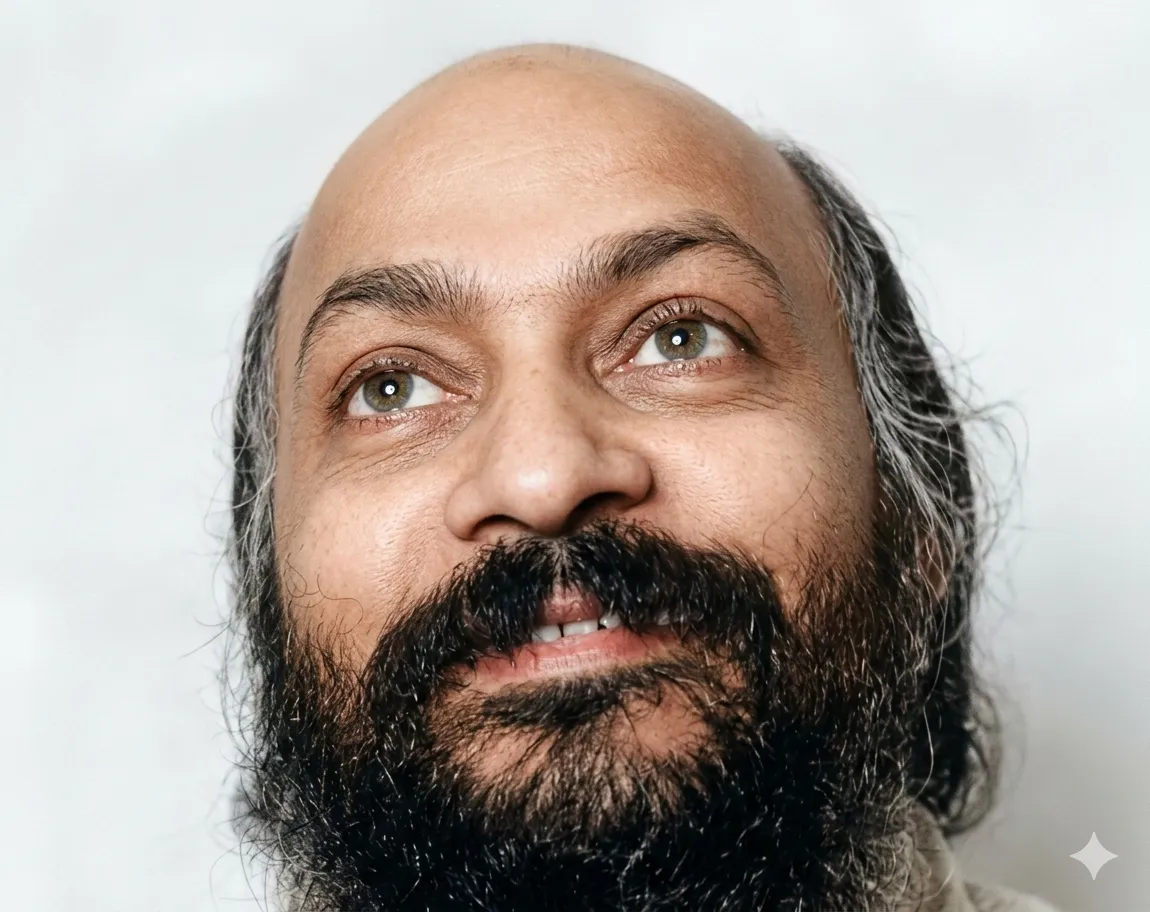
Osho's perspective on Tirthankaras
When Osho Spoke About Tirthankaras
Passages from the discourses where this theme comes alive.
Osho, in the lives of the Tirthankaras we do not see acharyas or monks from the previous Tirthankara’s tradition still present; yet in Mahavira’s time there were acharyas of Parshvanatha’s lineage—Kesi and others. That tradition continued even afterwards—what was the reason for this? A new Tirthankara is born when the ancient tradition is on the verge of extinction. When the acharyas were devotees of Parshvanatha, why was a new sangha established, or a new tirth founded? And how did the old one keep running as well?
First, understand this: a tradition forms only when the living has been lost. A tradition is the dry trace that remains in the absence of the living. A tradition can continue for millions of years and yet have no life in it. In truth, whatever is alive does not become a tradition while it is alive. A tradition is formed only when the living is gone, and what remains in our hands is merely the dead burden of the past—that is what makes a tradition. I have heard: In one household there was an old father and his small children. The father died, the mother died; the children were very young—born to him in his later years. When they grew up, they remembered that every day after eating their father would go to a wall niche and pick something up and put it back. After his death they thought, “This…
Osho, before Mahavira there were twenty-three Tirthankaras. Then Mahavira’s family members must have been followers of someone—Mahavira himself was not a follower of anyone—so were they followers of Parshvanath or of someone else? How did it happen that Mahavira, who forged his own path and was not anyone’s disciple, ended up with a path that coincided with Parshvanath’s path, or with that tradition? Because that path already existed! And the name “Jain” for the sect is associated with Mahavira; before him, what were those people called?
There are two or three things to understand here. First, only with Mahavira did a stream of thought become a sect. Before Mahavira there was indeed a current of thought, but it had no separate existence from the Aryan tradition. It was a current that arose within the Aryan tradition. Its name was Shramana. It was not called “Jain” yet. And there was a reason for calling it “Shramana,” as I have said earlier. I have told you that the Brahmin current does not put faith in attaining the ultimate through effort, through sadhana, through tapas. The ultimate is to be attained in an attitude of extreme humility, in prayer, in utter meekness—where we are completely helpless, where we can do nothing; the doer is That alone. In this perfect poverty—what Jesus called “poverty of the spirit”—one who is so humble and indigent in spirit that he says, “What can…
प्रश्न: ओशो, महावीर के पहले जो तेईस तीर्थंकर रहे तो महावीर के फेमिली वाले या तो किसी के अनुयायी रहे होंगे--महावीर तो किसी के अनुयायी थे नहीं--तो वे पार्श्वनाथ के अनुयायी थे या किसी के थे, तो यह कैसे हुआ कि महावीर ने जो अपना पथ स्वतः निर्माण किया, जो किसी के अनुयायी नहीं रहे, उनका पथ पार्श्वनाथ के पथ से या उस परंपरा के पथ से मेल खा गया? क्योंकि उनका पथ तो पहले से ही था! और जैन नाम जो है संप्रदाय का, वह महावीर के साथ ही साथ जुड़ा है, उसके पहले वे जो लोग थे, वे क्या कहलाते थे?
इसमें दो-तीन बातें समझने जैसी हैं। पहली बात तो यह कि महावीर के साथ ही पहली बार विचार की एक धारा संप्रदाय बनी। महावीर के पहले विचार की एक धारा थी। उस विचार की धारा का आर्य परंपरा से कोई पृथक अस्तित्व न था। वह आर्य परंपरा के भीतर पैदा हुई एक धारा थी। उसका नाम श्रमण था। जैन वह नहीं कहला रही थी तब तक। और श्रमण कहलाने का कारण था। वह कारण यह था, जैसा मैंने पीछे कहा आपको। मैंने पीछे आपको कहा कि ब्राह्मण-धारा इस बात पर श्रद्धा नहीं रखती है कि श्रम के माध्यम से, साधना के माध्यम से, तप के माध्यम से परमात्मा को पाया जा सकता है। …
A friend has asked whether in Jainism there can be only twenty-four Tirthankaras, not more?
All religions, sooner or later, shut their doors. Because if the door remains open, the religion can never become old. And if the door remains open, it can never become a fixed label; it will remain a living process. Then such storms and upheavals will keep happening that you will never feel assured. So all religions close their doors—some sooner, some later. And remember, when they close the doors, they do it at the moment when their highest peak has been reached. In Mahavira the Jain vision touched its highest peak. Then those who came after felt: now close the doors. Enough. The highest peak has been touched—now, shut the doors! Now there will be no more Tirthankaras. Because if Tirthankaras keep coming, it means religion will keep happening afresh. A new Tirthankara will say new things. Mahavira also said many new things that Parshvanath had not said. Mahavira said…
एक मित्र ने पूछा है कि क्या जैन धर्म में चौबीस ही तीर्थंकर हो सकते हैं, ज्यादा नहीं?
सभी धर्म अपने दरवाजे बंद कर लेते हैं देर-अबेर। क्योंकि अगर दरवाजा खुला रहे तो धर्म पुराना कभी भी न हो पायेगा। और अगर दरवाजा खुला रहे तो धर्म संज्ञा कभी न बन पायेगा, क्रिया ही बना रहेगा। तो इतने तूफान और उथल-पुथल होते रहेंगे कि तुम कभी आश्वस्त न हो पाओगे। तो सभी धर्म अपने दरवाजे बंद कर लेते हैं; कोई देर, कोई अबेर। और जब दरवाजे बंद करते हैं, तब याद रखना, ऐसी घड़ी में करते हैं जब उनका सबसे ऊंचा शिखर आ जाता है। महावीर पर जैन दृष्टि ने सबसे ऊंचे शिखर को छू लिया। बस, फिर पीछे चलने वालों को लगा कि अब दरवाजे बंद कर दो। अब बहुत हो चुका। सबसे ऊंचा शिखर छू लिया--अब दरवाजे बंद! अब कोई तीर्थंकर न होगा। क्योंकि तीर्थंकर और होते रहेंगे, इसका अर्थ है कि नित-नूतन धर्म होता रहेगा। कोई नया तीर्थंकर नयी बात कहेगा। महावीर ने भी बहुत-सी नयी बातें कहीं, जो पार्श्वनाथ ने न कही थीं। महावीर ने बहुत-सी बातें नयी कहीं, जो आदिनाथ ने न कही थीं। …
Osho, why are there only twenty-four in the chain? Why not twenty-five, why not thirty?
Yes, there is a reason. The reason—it has nothing to do with numbers. In fact, there can be twenty-five, twenty-six, twenty-seven; there can be any number. It is not related to that. But when, in a chain, a person of great genius is born—in one chain; for example, in the chain of the twenty-four Tirthankaras, Mahavira is the most brilliant—he is so brilliant that the people around him feel that now there is no need for anyone else in that chain. The ultimate has become available to us. What was to be known has been known; what was to be recognized has been recognized; what was to be said has been said. And the follower is always afraid. He is afraid that if you keep the doors open for further genius, genius is always rebellious and always throws things into disorder; it is anarchic. So the follower becomes frightened; for…
प्रश्न: ओशो, चेन में चौबीस ही क्यों होते हैं? पच्चीस नहीं होते, तीस नहीं होते?
हां, उसका भी कारण है। उसका कारण--संख्या से कुछ भी संबंध नहीं है। असल में पच्चीस होते हैं, छब्बीस होते हैं, सत्ताईस होते हैं, कितने ही हो सकते हैं, उसका कोई संबंध नहीं है। लेकिन जब किसी चेन में एक बहुत प्रतिभाशाली व्यक्ति पैदा हो जाता है--एक चेन में; यानी चौबीस तीर्थंकरों की चेन में महावीर सबसे ज्यादा प्रतिभाशाली व्यक्ति है। वह इतना प्रतिभाशाली है कि उसके आस-पास के लोगों को लगा कि अब किसी की कोई जरूरत नहीं है इस चेन में। परम बात हमें उपलब्ध हो गई है। जो जानना था, वह जान लिया गया है; जो पहचानना था, वह पहचान लिया गया है; जो कहना था, वह कह दिया गया है। और अनुयायी तो हमेशा डरा होता है। …
Who were the Tirthankaras before Mahavira?
definitionWhy are there no acharyas or monks from previous Tirthankaras' traditions in their lives?
definitionProfound Quotes on Tirthankaras
Explore our structured collection of meaning-mapped quotes regarding Tirthankaras.