
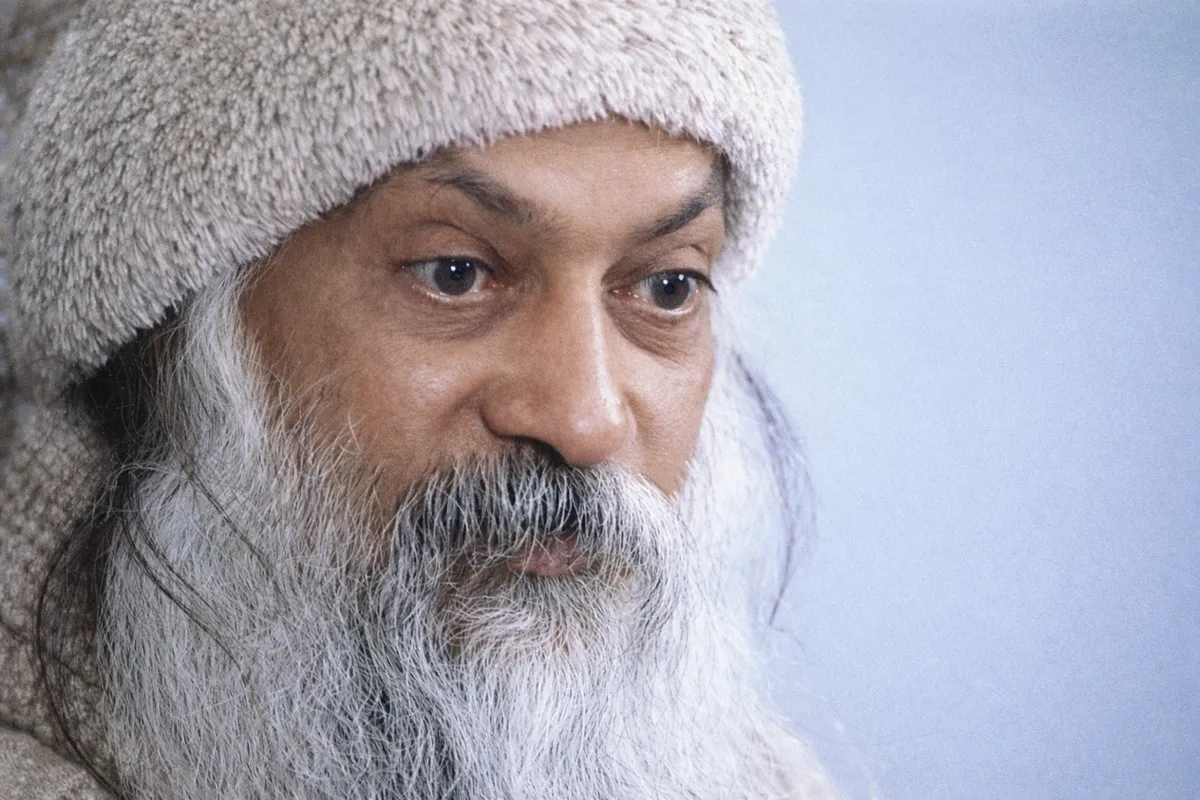
Osho's perspective on Sahjobai
When Osho Spoke About Sahjobai
Passages from the discourses where this theme comes alive.
Osho, after your discourse yesterday I asked many sannyasinis to frame a question about Sahjobai, but they all just smiled. They didn’t even say yes. Why are women not eager to know or inquire even about a liberated woman?
The curiosity to know and to ask belongs to man. The longing to be, to live, belongs to woman. Even with little children... you can see the difference. If girls are playing, their way is creative; they will make something. Boys’ way of play is destructive; they will break something. If you give a boy a toy car, he will soon break it open to see what’s inside. Curiosity—what’s within? If he gets hold of a watch, he will open it up. You say, “He spoiled everything,” but the poor fellow is simply being scientifically curious. He is looking to see how it works. An ant is walking—he will crush it with his thumb. He is not being violent; he has no purpose in violence yet, the ant has done him no harm; he is just seeing what is inside that makes it move. Man’s curiosity is to know. He…
ओशो, कल आपके प्रवचन के बाद मैंने बहुतेरी संन्यासिनियों से सहजोबाई के संबंध में प्रश्न बनाने को कहा, पर उन सभी ने मुस्कुरा दिया। हां भी नहीं भरी। स्त्रियां मुक्त स्त्री के संबंध में भी जानने-पूछने को उत्सुक क्यों नहीं हैं?
जानने की, पूछने की उत्सुकता पुरुष की है। होने की, जीने की उत्सुकता स्त्री की है। छोटे-छोटे बच्चे भी...तुम फर्क कर सकते हो। लड़कियां अगर खेलती होंगी, तो उनके खेल का ढंग सृजनात्मक होगा, वे कुछ बनाएंगी। लड़कों के खेल का ढंग विध्वंसात्मक होगा, वे कुछ तोड़ेंगे। अगर लड़के को तुमने मोटर-खिलौना दे दिया है, वह जल्दी ही तोड़ कर उसके अंदर देखेगा, क्या है? जानने की उत्सुकता, जिज्ञासा कि भीतर क्या है? घड़ी हाथ लग गई, खोल डालेगा। तुम कहते हो सब नष्ट कर दी, लेकिन वह बेचारा वैज्ञानिक उत्सुकता कर रहा है। वह यह देख रहा है कि कैसे चलती है? चींटा चल रहा है, अंगूठे से मसल देगा। वह कोई हिंसा नहीं कर रहा है, उसको हिंसा से कोई प्रयोजन भी नहीं है अभी, चींटे ने कुछ बिगाड़ा भी नहीं है; वह यह देख रहा है कि भीतर कौन सी चीज है जो चला रही है?
Osho, you explain so much, yet nothing seems to get through to my wife. She’s still wasting time at the hidebound, orthodox sages’ satsangs. What should I do?
Rajaram! Raja-bhaiya, it’s your good fortune she’s attending the sadhus’ satsangs—otherwise you wouldn’t be able to come here at all. Let her go. At least it gives you the chance to come here. Don’t obstruct her. And don’t try to explain things to her. Otherwise even that convenience won’t remain—if she starts doing your satsang. Let her go wherever she wants. The moment you hear some sadhu has come, immediately tell her, “Bai, go.” Chandulal was telling his friend Dhabboo-ji, “These days in town there’s Swami Muktananda’s satsang—simply magnificent, amazing, extraordinary! My heart felt bagh-bagh—meaning garden-garden! Last night I felt such bliss as never before in my life.” Dhabboo-ji said, “I’m surprised—I never thought you were such a connoisseur of saints and spirituality! Forgive me, friend; truth is, I took you for just a Marwari businessman and didn’t recognize your spiritual heart. But one thing I don’t get: last night…
Someone has asked: Buddha, Mahavira, Krishna, Jesus, Mohammed, Lao Tzu, Rajneesh—meaning, all men! Then why has no woman ever carried the news of Buddhahood to the world? Is becoming a bodhisattva harder from a woman’s point of view?
Many things have to be understood in this regard. First, woman and man are fundamentally different. Different does not mean higher or lower; they are equal, but opposite. Neither is above, neither below. Equal—but polar opposites. And their polarity is essential; from the union of these two opposites, birth happens and the current of life flows. Because they are opposite there is attraction; because they are opposite there is also love and there is conflict. Love, because there is attraction; conflict, because they are opposite. Between woman and man there can never be a final reconciliation—nor can there be. Their polarity creates a pull, and the same polarity creates attraction. Man is incomplete without woman; woman is incomplete without man. Man wants to be whole with woman; woman wants to be whole with man. To be whole alone is very difficult—until the inner journey begins, one goes on seeking outer…
पूछा है किसी ने: बुद्ध, महावीर, कृष्ण, जीसस, मोहम्मद, लाओत्सु, रजनीश, मतलब सभी पुरुष ही! तो किसी स्त्री ने बुद्धत्व की खबर दुनिया तक क्यों नहीं पहुंचाई? क्या बोधिसत्व बनना स्त्री की दृष्टि से कठिन है?
एक तो स्त्री और पुरुष बुनियादी रूप से भिन्न हैं। भिन्न से अर्थ ऊंचे-नीचे हैं, ऐसा नहीं है; दोनों समान हैं, लेकिन विपरीत हैं। ऊंचा-नीचा कोई भी नहीं है। दोनों समान हैं; लेकिन विपरीत ध्रुव हैं। एक-दूसरे से बिलकुल विपरीत हैं। और यह उनकी विपरीतता जरूरी है। इन दो विपरीतताओं से मिल कर ही तो जन्म होता है, जीवन की धारा बहती है। वे विपरीत हैं, इसलिए उनमें आकर्षण है। वे विपरीत हैं, इसलिए उनमें प्रेम भी है और कलह भी है। प्रेम है, क्योंकि आकर्षण है। कलह है, क्योंकि वे विपरीत हैं। स्त्री-पुरुष के बीच कभी भी सुलह नहीं हो पाती है। हो नहीं सकती है। उनकी विपरीतता के कारण खिंचाव है, और विपरीतता के कारण ही आकर्षण भी है। पुरुष अधूरा है, स्त्री के बिना; स्त्री अधूरी है, पुरुष के बिना। पुरुष पूरा होना चाहता है स्त्री के साथ। स्त्री भी पूरी होना चाहती है पुरुष के साथ। अकेले पूरा होना बहुत कठिन है। जब तक कि भीतर की यात्रा शुरू न हो जाए, तब तक बाहर की पूर्णता की खोज चलती है। …
Osho, the Buddha wanted to avoid giving sannyas to women. Shankara too was not in favor of giving sannyas to women. What incompatibility is there between the life of sannyas and women? Is there no harmony between them, or only a little? Do women need sannyas less than men?
Man and woman have essentially different paths. The man’s path is meditation; the woman’s path is love. The man’s path is knowledge; the woman’s path is devotion. Their inner climates are very different, even opposite. To man, love seems a bondage; to woman, love seems a liberation. So even when a man loves, he does it while running, fearful that he may get bound. And when a woman loves, she wants to be bound wholly, because in bondage she has known freedom. Therefore the man’s language is: How to get free? How to be liberated from the world? And the woman’s search is: How to drown totally so that nothing remains behind? So sannyas is fundamentally masculine. That is why even Buddha hesitated. Women were moved—women are moved easily, for their hearts are more sensitive—and they began to ask: Give us sannyas too. Buddha was afraid. Mahavira even told them…
आखिरी प्रश्न: ओशो, बुद्ध ने स्त्रियों को संन्यास देने से टालना चाहा। शंकर भी स्त्रियों को संन्यास देने के पक्ष में नहीं थे। संन्यास जीवन की स्त्रियों से ऐसी क्या विपरीतता है? क्या स्त्रियों से उसका कोई तालमेल नहीं है, या कम है? क्या उन्हें संन्यास लेने की जरूरत पुरुषों की अपेक्षा कम है?
पुरुष और स्त्री का मार्ग मूलतः अलग-अलग है। पुरुष का मार्ग ध्यान का है; स्त्री का मार्ग प्रेम का। पुरुष का मार्ग ज्ञान का है; स्त्री का मार्ग भक्ति का। उन दोनों की जीवन-चित्तदशा बड़ी भिन्न है, बड़ी विपरीत है। पुरुष को प्रेम लगता है बंधन; स्त्री को प्रेम लगता है मुक्ति। इसलिए पुरुष प्रेम भी करता है तो भी भागा-भागा, डरा-डरा कि कहीं बंध न जाएं। और स्त्री जब प्रेम करती है तो पूरा का पूरा बंध जाना चाहती है, क्योंकि बंधन में ही उसने मुक्ति जानी है। तो पुरुष की भाषा जो है वह है--कैसे छुटकारा हो? कैसे संसार से मुक्ति मिले? और स्त्री की जो खोज है वह है--कैसे वह डूब जाए पूरी-पूरी, कुछ भी पीछे न बचे? तो संन्यास मूलतः पुरुषगत है। इसलिए बुद्ध भी झिझके। स्त्रियां प्रभाव में आ गयीं--स्त्रियां जल्दी प्रभाव में आती हैं, क्योंकि उनके पास ज्यादा संवेदनशील हृदय है--वे मांगने लगीं कि हमें भी संन्यास दो। बुद्ध डरे। …
Profound Quotes on Sahjobai
Explore our structured collection of meaning-mapped quotes regarding Sahjobai.