
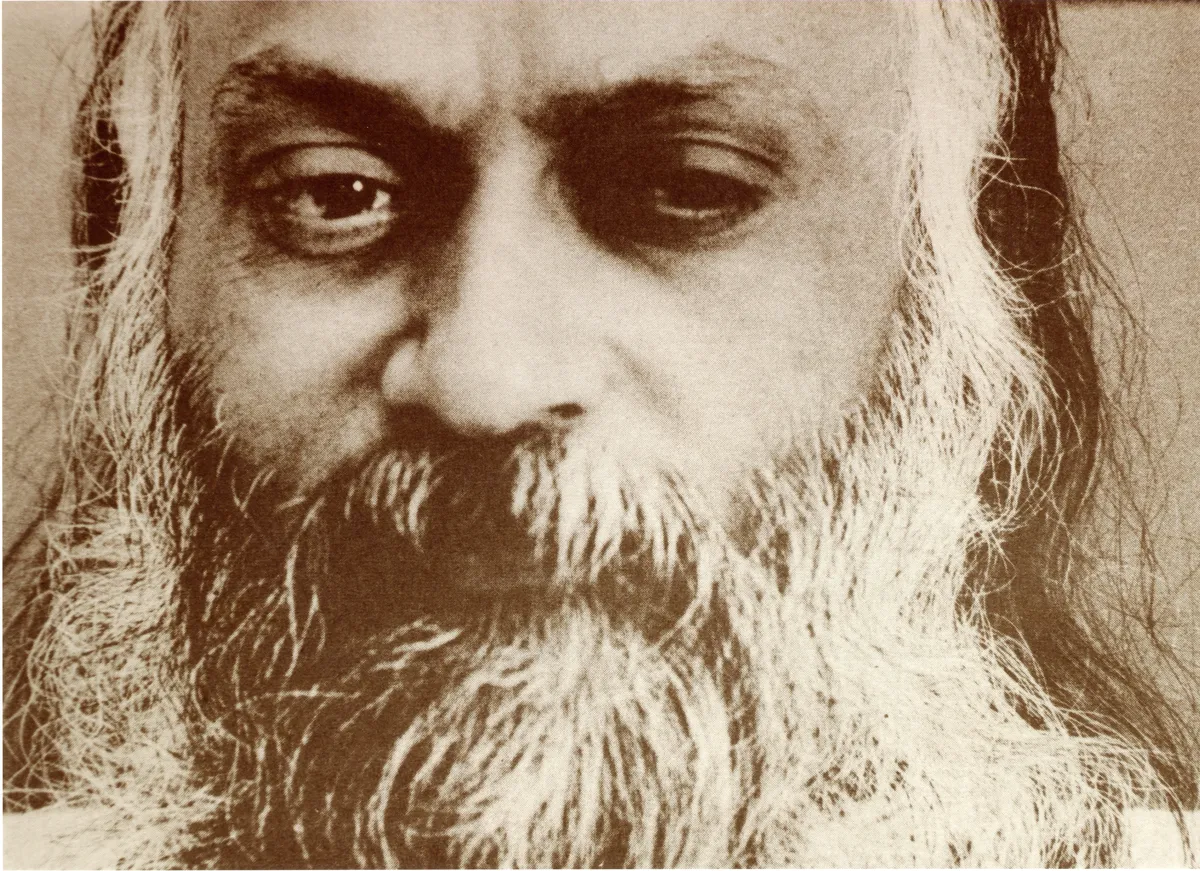
Osho's perspective on Auspiciousness
When Osho Spoke About Auspiciousness
Passages from the discourses where this theme comes alive.
Someone has asked: Is eating meat auspicious or inauspicious?
The touchstone is within. If meat-eating deepens your meditation, then it is auspicious. If meat-eating hinders your meditation, then it is inauspicious.
किसी ने पूछा है: क्या मांसाहार शुभ है या अशुभ?
कसौटी भीतर है। अगर मांसाहार से तुम्हारा ध्यान बढ़ता हो, तो शुभ। अगर मांसाहार से ध्यान में बाधा पड़ती हो, तो अशुभ।
Osho, what is the definition of God?
Words are very small. If you say God is light, then what of darkness? The scriptures have said that God is light. Suppose we accept this as a definition—then what about darkness? Where will darkness go? Darkness is too; in fact it is far more than light. Light sometimes is and sometimes is not; darkness is always, eternal. Where will you place darkness? If you say God is light, darkness is left out. If you say God is darkness, then light is left out. If you say God is both darkness and light, a contradiction arises: they cannot be together. Try to have both darkness and light in the same room. If you bring in light, darkness disappears; if you preserve darkness, you cannot have light. Then how can both be together? That becomes an impossibility. So you cannot say “both” either. Then the fourth device is to say: it…
पहला प्रश्न: ओशो, परमात्मा की परिभाषा क्या है?
शब्द तो बड़े छोटे-छोटे हैं। अगर कहो परमात्मा प्रकाश है, तो फिर अंधेरे का क्या होगा? ऐसा कहा है शास्त्रों में कि परमात्मा प्रकाश है। चलो मान लें इसे परिभाषा, फिर अंधेरे का क्या होगा? फिर अंधेरा कहां जायेगा? अंधेरा भी है, प्रकाश से कहीं ज्यादा है। प्रकाश तो कभी होता है कभी नहीं भी होता; अंधेरा सदा है, शाश्वत है। अंधेरे को कहां रखोगे? अगर कहा परमात्मा प्रकाश है, तो अंधेरा बाहर पड़ गया। अगर कहा परमात्मा अंधेरा है, तो प्रकाश बाहर पड़ गया। अगर कहो परमात्मा अंधेरा प्रकाश दोनों है, तो विरोधाभास होता है। दोनों एक साथ हो नहीं सकता। एक ही कमरे में अंधेरा और प्रकाश करके दिखाओ। प्रकाश करोगे, अंधेरा खो जायेगा; अंधेरा बचाओगे, प्रकाश न कर सकोगे। तो दोनों साथ कैसे होंगे? तब एक असंभव बात हो गई। तो यह भी नहीं कह सकते कि दोनों है।
Osho, the Gita certainly emphasizes sattvic food for seekers, but nowhere does it explicitly forbid meat. And you have said meat is easy to digest—and that’s what doctors say, too. Then what obstacle does meat-eating create? For spiritual practice you have strongly stressed the usefulness of a vegetarian diet. But books indicate that many saints who attained through Sufi, Zen, and Tantra paths did not remain vegetarian. And in our own country, Paramhansa Ramakrishna always ate non-vegetarian food. What is the reason for this contradiction?
Then my vision is this: Ramakrishna is an exceedingly pure man. Therefore such a small impurity could not obstruct him. You may not be able to conceive this. Exceedingly pure. If you permit me, I would say: purer than Mahavira. Had Mahavira eaten meat or fish, he could not have attained the supreme. But Ramakrishna did. This means only this: the man is so pure that such a small impurity could not hinder him. Despite that impurity he crossed beyond. Understand it like this: you climb a mountain. The rule for mountain-climbing is that the less the load, the better. If you climb with loads of weight on your head, climbing becomes hard. You may abandon the idea or stop at some midway camp. But then a very powerful man, a Hercules, climbs the mountain with a heavy weight—and reaches the top. This man is not the rule. This Hercules…
आखिरी प्रश्न: ओशो, गीता में साधकों के लिए सात्विक भोजन पर बल अवश्य दिया गया है, लेकिन उसमें कहीं मांसाहार का स्पष्ट निषेध नहीं है। और आपने मांसाहार को सुपच बताया और यही डाक्टरों का मत भी है। फिर मांसाहार से क्या बाधा आती है? धर्म-साधना के लिए आपने निरामिष भोजन की उपादेयता पर बहुत बल दिया। लेकिन पुस्तकों से पता चलता है कि प्रायः ही सूफी, झेन और तंत्र मार्ग से सिद्ध हुए संतों का भोजन निरामिष नहीं रहा। और अपने ही देश में परमहंस रामकृष्ण सदा आमिष भोजन लेते रहे। इस विरोध का क्या कारण है?
… मैं स्थिति को देखता हूं। देखता हूं, रामकृष्ण ज्ञान को उपलब्ध हुए और यह होना तो नहीं चाहिए; लेकिन हुआ है। इसलिए जाल थोड़ा जटिल है। तब मुझे मेरी जो दृष्टि है, वह यह है कि रामकृष्ण अत्यंत शुद्ध पुरुष हैं। इसलिए इतनी थोड़ी-सी अशुद्धि उन्हें बाधा न डाल पाई। यह तुम्हारे खयाल में न आ सकेगा। अत्यंत शुद्ध पुरुष हैं। अगर तुम मुझे आज्ञा दो, तो मैं कहना चाहूंगा, महावीर से ज्यादा शुद्ध पुरुष हैं। महावीर अगर मांसाहार करते या मछली खाते, परम ज्ञान को उपलब्ध नहीं हो सकते थे। लेकिन रामकृष्ण हुए हैं। इसका अर्थ केवल इतना ही है कि यह व्यक्ति इतना शुद्ध है कि इतनी-सी अशुद्धि इस पर कुछ बाधा नहीं डाल पाई। यह उस अशुद्धि के बावजूद भी पार हो गया। ऐसा ही समझो कि पहाड़ पर तुम चढ़ते हो। तो पहाड़ पर चढ़ने का नियम तो यही है कि जितना कम बोझ हो, उतना ठीक। …
Mahavira says: first, auspicious character arises. As you go within and become quiet, a goodness blossoms. By auspicious, the inauspicious is restrained—like darkness by light. Then beyond auspicious is the pure—because the auspicious is still tied to the inauspicious, as its opposite. A man is greedy—he gives in charity. Greed is inauspicious; charity is auspicious—but charity is joined to greed. Without hoarding, how would he donate? First he gathered wealth, then he gives. A man becomes angry—then repents, asks forgiveness. Anger was inauspicious; forgiveness is auspicious—but it arose because of anger; it is linked. It is not pure; the impurity is needed for it to be. Auspicious and inauspicious are two sides of one coin: one bright, one dark—but tied. Mahavira says: the supreme state arises when the pure Atman is revealed—where neither auspicious nor inauspicious remains. Neither lust nor brahmacharya; neither anger nor compassion.
Is eating meat auspicious or inauspicious?
definitionProfound Quotes on Auspiciousness
Explore our structured collection of meaning-mapped quotes regarding Auspiciousness.