
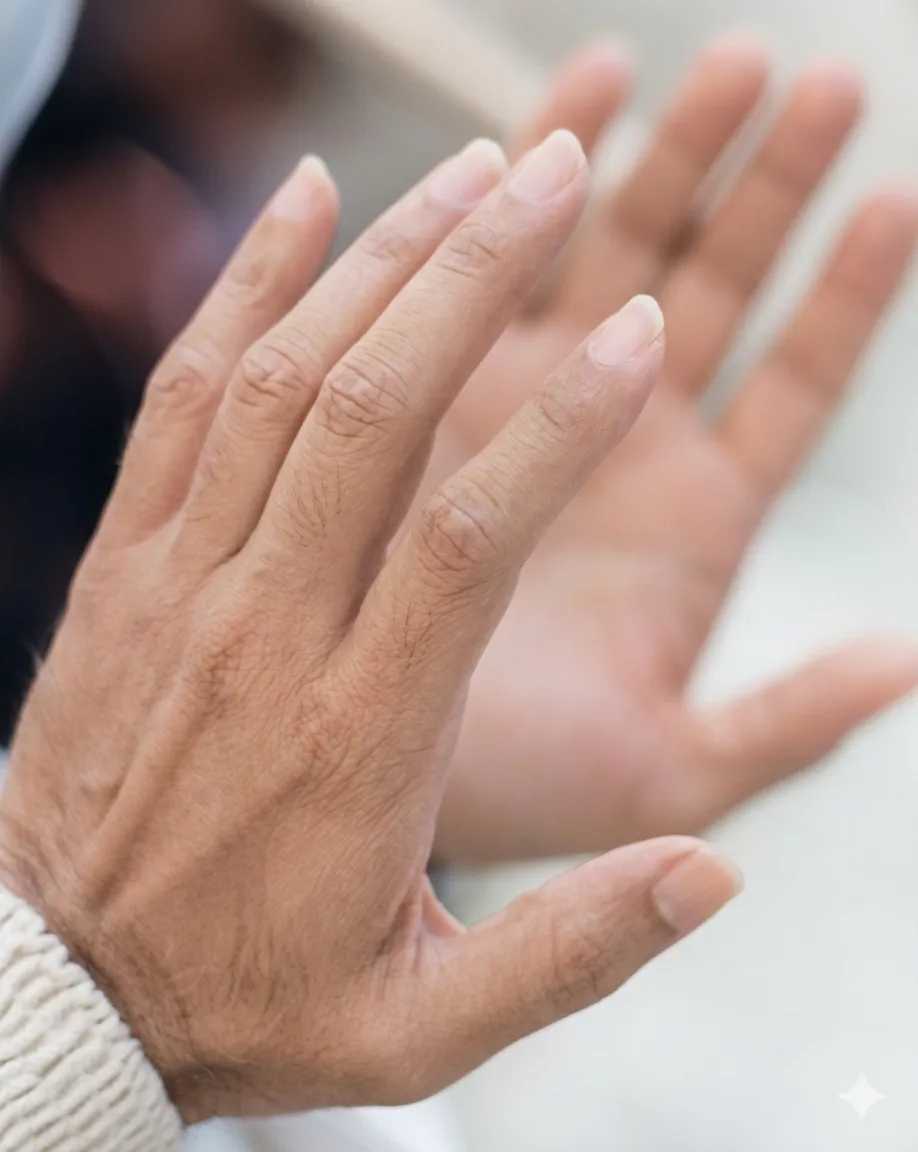
Don’t just think about what you love—feel it with your whole body and heart, and doing it will happen naturally.
From the Discourses
Passages where Osho speaks to this question — each links to the complete discourse.
Beloved Osho, whatsoever you are telling us, from time to time it appeals to the mind, and something in me wants to follow it. But still I find myself never practicing it. Why is it so, Osho?
The mind may like to follow me, but mind is impotent. Mind is a very small part, and it has no will. It dreams well, it thinks well, it plans well, but it has no will. It cannot act. As far as action is concerned, mind is a coward. In thinking, it is very brave; in action, it is absolutely cowardly. So when you listen to me, if you only think about me, and whatsoever I say you think about it, the mind will say: Perfectly true! Very good! This is what I always wanted. But you will never practice it. So don't listen to me from the mind. There is another way of listening. Listen to me as a total being, not only from the mind; listen to me from your very guts. Only then will you practice what I am saying; otherwise, you will remain divided. The mind…
A friend has asked: Osho, these days you have said important things, but the moment I step out of the hall I feel just the same as before; nothing changes in my behavior. Why is that? What should I do?
You are laughing, because this is everyone’s question. It will happen to all; it is perfectly natural. Because finding something appealing or “right” is one thing, and having it come into your life is quite another. There are many reasons why something may feel good. One, it appears logical. Two, it seems to offer a glimpse of joy. Three, while listening you become so absorbed that—even if it is neither wholly logical nor does it itself carry a taste of joy—for that one hour of listening you become so immersed that a stream of well-being starts flowing within you. Because of that, you connect whatever was said with that happiness and conclude, “What was said must be right, because for an hour I had a glimpse of happiness; I felt blissful.” But the moment you step out of the room, the situation changes. It will change. Because what felt logical—life…
एक मित्र ने पूछा है कि ओशो, इन दिनों में आपने महत्वपूर्ण बातें कही हैं, पर पाटकर हाल के बाहर जाते ही मैं पहले जैसा ही मालूम होता हूं, व्यवहार में कोई फर्क नहीं पड़ता। ऐसा क्यों? क्या करना चाहिए?
आप हंसते हैं, क्योंकि यह प्रश्न आप सबका है। सभी के साथ ऐसा होगा। होना बिलकुल स्वाभाविक है। क्योंकि किसी बात का अच्छा मालूम पड़ना एक बात है और उसका जीवन में आना बिलकुल दूसरी बात है। किसी बात का अच्छा मालूम पड़ना कई कारणों से हो सकता है। एक, वह तर्कयुक्त मालूम होती है। दो, वह आनंद की झलक देती मालूम होती है। तीन, सुनते समय आप इतने लीन हो जाते हैं कि चाहे वह तर्कपूर्ण न हो, चाहे आनंद की झलक देती मालूम न होती हो, लेकिन एक घंटे भर सुनने में आप इतने लीन हो जाते हैं कि एक सुख का झरना आपके भीतर बहने लगता है। इस कारण, वह जो भी कहा गया, आप उससे संबंध जोड़ लेते हैं कि जो कहा गया वह जरूर ठीक होना चाहिए; क्योंकि मुझे घंटे भर सुख की झलक मिली, मैं सुखी था।
Osho, it is difficult to practice what you say. Please tell us, in meditation whom should one remember?
There is a story in the Jain scriptures. A young man returned after listening to Mahavira. He was sitting in his bath pavilion; his wife was rubbing ubtan on him, bathing him—an old story; now no wife bathes her husband. Even if the husband is bathing, she knocks at the door: “Come out—how long will you sit in there? There are other things to do than bathe!” Those were earlier days. She was rubbing ubtan, cleaning his body. They began to talk. The wife said, “You’ve returned from listening to Mahavira; my brother also goes to listen. He’s so impressed that he says, ‘In two or four years I’ll take sannyas.’” Her husband laughed. He said, “Sannyas—‘in two or four years’! There is no certainty of tomorrow, no certainty of the next moment!” The wife said, “I know—he’s practicing at home right now. When his practice is complete, he’ll leave…
दूसरा प्रश्न: ओशो, आपकी बातों का अभ्यास करना कठिन है। बताएं कि ध्यान में किसका स्मरण करना चाहिए?
जैन-शास्त्रों में एक कथा है। एक युवक महावीर को सुन कर लौटा। वह अपने स्नान-गृह में बैठा है, उसकी पत्नी उबटन लगा कर उसको नहला रही है--पुरानी कहानी है, अब तो कोई पत्नी किसी पति को नहलाती नहीं। पति नहा भी रहे हों तो दरवाजा खटखटाती रहती हैं कि निकलो, कब तक बाथरूम में घुसे रहोगे? और भी काम हैं दुनिया में कि बस नहा रहे हो! वे दिन पुराने थे। उबटन लगा रही थी। शरीर को साफ करके नहला रही थी। दोनों की बात होने लगी। पत्नी ने कहा कि महावीर को सुन कर लौटे हो, मेरे भाई भी सुनने जाते हैं; मेरे भाई तो इतने प्रभावित हुए हैं कि वे कहते हैं कि दो-चार साल में संन्यस्त हो जाऊंगा। उसका पति हंसने लगा। उसने कहा: संन्यास और दो-चार साल में! कल का भरोसा नहीं है, क्षण का भरोसा नहीं है! पत्नी ने कहा कि मुझे मालूम है, वे अभी घर में ही रह कर अभ्यास कर रहे हैं। जब अभ्यास पूरा हो जाएगा तो सब छोड़ देंगे। पर पति ने कहा: मौत पहले आ सकती है, सब अभ्यास पड़ा रह जाएगा। और अभ्यास क्या करना है! …
Osho, even when I understand everything theoretically, why does it not come into practice? Please explain.
Someone told Mulla Nasruddin, “Stop smoking, otherwise you’ll die early. Scientists say it takes a year off your life.” Nasruddin said, “We’ll live sixty-nine instead of seventy—but to live one extra year at the cost of a whole life without the joy of cigarettes, that I don’t understand.” That’s the double-talk. He accepts that scientists are probably right: a year less. A doctor told him—because his illness kept worsening—“Brother, stop drinking, stop smoking; now you’re old—stop running after women, or you’ll die soon.” Nasruddin said, “What you say is fine, doctor. But if I stop all that, what would be the point of staying alive? Tell me that too. Don’t smoke, don’t drink, don’t chase women—then sit like a dummy! What would I live for?” And it isn’t only with men. I read a story: A man died—must have been a Christian. He reached the gates of heaven; Saint Peter…
आखिरी प्रश्न: ओशो, सैद्धांतिक रूप से सब-कुछ समझ आते हुए भी चीजें व्यवहार में क्यों नहीं आ पातीं। कृपया समझाएं।
मुल्ला नसरुद्दीन को किसी ने कहा कि तू सिगरेट पीना बंद कर दे, नहीं तो जल्दी मर जाएगा। वैज्ञानिक कहते हैं, एक साल उम्र कम हो जाती है। मुल्ला नसरुद्दीन ने कहा: सत्तर साल की जगह उनहत्तर साल जी लेंगे, मगर एक साल ज्यादा जीने के लिए पूरी जिंदगी सिगरेट का मजा लिए बिना जीना, यह मेरी समझ में नहीं आता। यह दोहरी बात हो गई। बात तो मानता है कि ठीक कहते हैं, वैज्ञानिक कहते हैं तो ठीक ही कहते होंगे कि एक साल उम्र कम हो जाएगी। एक डॉक्टर ने उससे कहा--क्योंकि बीमारी उसकी बढ़ती गई, बढ़ती गई--कि भाई तू देख, शराब पीना बंद कर, सिगरेट पीना बंद कर, अब उम्र भी तेरी हुई, अब स्त्रियों के पीछे दौड़-धूप बंद कर; नहीं तो जल्दी मर जाएगा।
Osho, even after listening to you with great eagerness for so many days, I find myself exactly where I was! Then what can I hope for?
When you listen to me and it sounds good, feels dear, stirs eagerness—this is not enough. It is necessary, because after it something more can happen; but it is not sufficient. It is only primary. Take the second step. Move from thought to experience. Do not stop at thought. Otherwise you will go on thinking, go on thinking, and be finished. Whoever ends in thinking has not known life. An incomparable treasure was at hand, and he let it slip through his fingers. Even though the method lay with him, he did not use it. One night Mulla Nasruddin came home distraught, sweating, shaken. He hurried in and bolted the door. His wife asked, “Why are you so frightened? What happened? Where are you coming from?” He said, “I was returning from the shop. A thug met me. He snatched my glasses, took the fountain pen from my pocket, took…
दूसरा प्रश्न: ओशो, इतने दिन से आपको बड़ी उत्कंठा से सुनकर भी मैं अपने आपको वहीं पा रहा हूं जहां मैं था! फिर मैं क्या आशा रख सकता हूं?
मेरी बात जब आप सुनते हैं और आपको अच्छी लगती है, और प्रीतिकर लगती है, और उत्कंठा जगती है; इतना काफी नहीं है। इतना जरूरी तो है, क्योंकि इसके बाद कुछ और हो सकता है; लेकिन इतना काफी नहीं है। यह केवल प्राथमिक है। दूसरा कदम उठाएं। विचार से अनुभव की तरफ चलें। विचार पर मत ठहर जाएं। नहीं तो आप सोचते ही रहेंगे, सोचते ही रहेंगे और समाप्त हो जाएंगे। और सोचने पर जो समाप्त हो गया, उसने जीवन को जाना ही नहीं। एक अपूर्व संपदा पास थी, वह उसे खो दिया अपने ही हाथों से। और विधि आपके पास भी रखी रही, तो भी आप उपयोग न कर सके!