
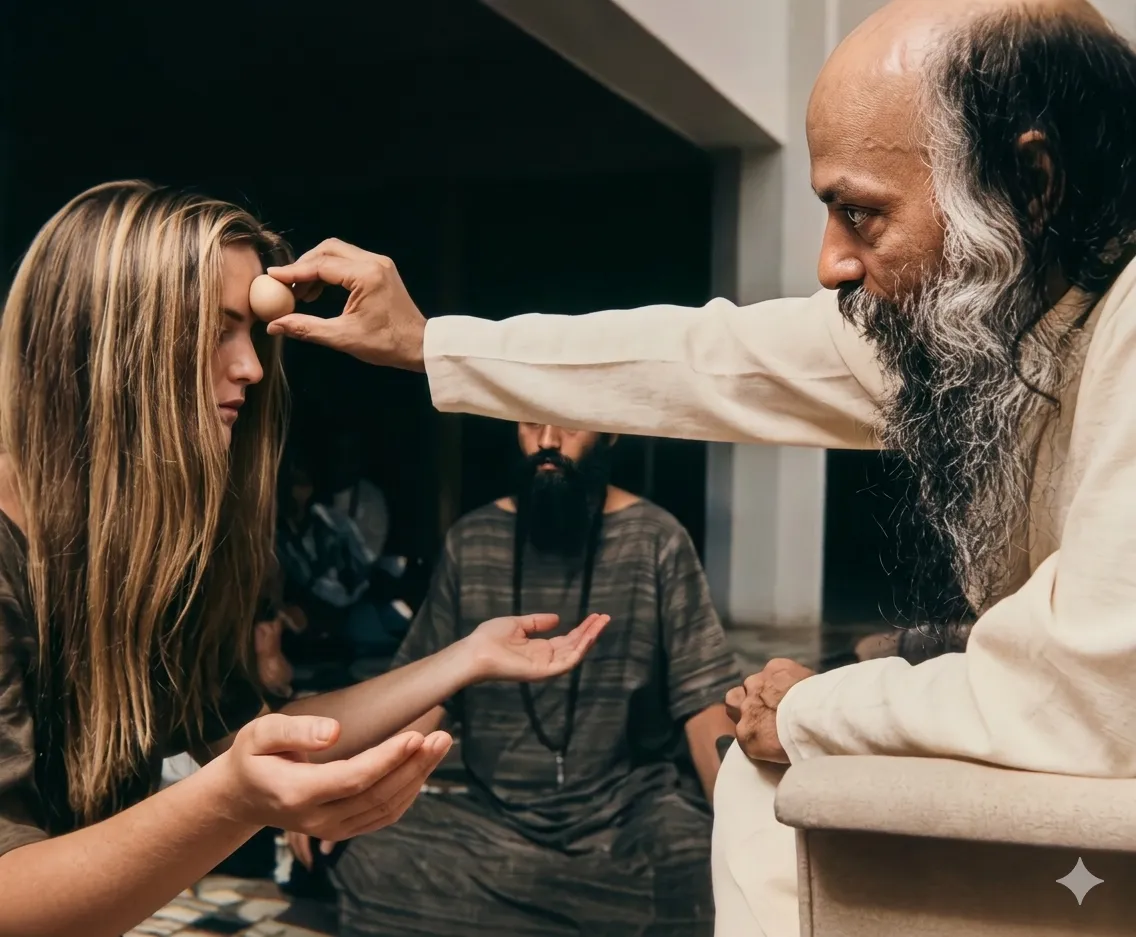
He said life is too big for neat answers, so stop chasing explanations and relax into not-knowing.
From the Discourses
Passages where Osho speaks to this question — each links to the complete discourse.
Osho, many episodes from the life of Makkhali Goshalak are found in Jain scriptures, but they are not mentioned with respect. They call Goshalak quarrelsome and insolent, yet also describe him as exceptional. You take his name with reverence. Did Goshalak have a philosophy of his own? And, since his lineage died out, did the Jains do him an injustice? Please shed some light.
Goshalak is precisely the opposite. He says: one who truly knows, knows that nothing can be known. He would have befriended Socrates. He would have befriended Sartre, Camus, and Kafka. Nietzsche too, sitting with Goshalak, would have felt kinship. But how could the Jains feel kinship? He is their exact opposite. The Jains insist that when a person attains supreme awareness he becomes omniscient—knowing all three times: past, present, future. Nothing remains unknown to him. That means that for the Jain’s enlightened one no mystery remains; the whole book is open; every page has been read. Goshalak says: even reading the first line is impossible. The book won’t open. One cannot make out even the primer. The claim of omniscience is futile. Omniscience cannot be. Here we will call one a knower only if he has known that there is no way to know. Because this vision is the very…
पहला प्रश्न: ओशो, मक्खली गोशालक के जीवन के अनेक प्रसंग जैन शास्त्रों में मिलते हैं, लेकिन उनका उल्लेख किसी आदर के साथ नहीं किया गया है। गोशालक को वे कलहप्रिय और उद्धत कहने के साथ ही साथ विलक्षण भी बताते हैं। आप तो उसका नाम आदर के साथ लेते हैं। क्या गोशालक का अपना कोई दर्शन था? और क्या उसकी परंपरा के मर जाने से जैनियों ने उसके साथ अन्याय किया? इस पर कुछ प्रकाश डालने की कृपा करें।
तो गोशालक से ठीक बिलकुल विपरीत हो गई बात। गोशालक कहता है जो जानता है, वह तो जानता है कि कुछ भी नहीं जानता। गोशालक से सुकरात की दोस्ती बन जाती है। गोशालक से सार्त्र और कामू की और काफ्का की दोस्ती भी बन जाती है। नीत्शे भी गोशालक के पास बैठता तो मैत्री अनुभव करता। लेकिन जैन तो कैसे मैत्री अनुभव कर सकते हैं? यह तो उनसे ठीक विपरीत है। जैनों का तो आग्रह यही है कि जब कोई व्यक्ति परम जागरूकता को उपलब्ध होता है तो वह सर्वज्ञ हो जाता है। सब जानता है। तीनों काल जानता है। जो हुआ, वह जानता है। जो हो रहा है, वह जानता है। जो होगा, वह जानता है। उसके लिए कुछ भी अज्ञात नहीं रह जाता। इसका अर्थ हुआ कि जो व्यक्ति जैनों के हिसाब से समाधि को उपलब्ध होता है, उसके लिए कुछ रहस्य नहीं रह जाता। सब रहस्य खुल गया। पोथी पूरी खोलकर देख ली, पढ़ ली। गोशालक कहता है, पोथी का पहला पाठ ही पढ़ना असंभव है। पोथी खुलती ही नहीं। इसमें पहली लकीर क, ख, ग भी समझ में नहीं आते। तो सर्वज्ञ का दावा तो व्यर्थ है। सर्वज्ञता तो हो नहीं सकती। …
Osho, you have titled this series of talks “Sahaj Yoga.” Do “sahaj” and “yoga” not seem mutually opposed?
Anand Maitreya! They don’t just seem opposed, they are opposed. But no ultimate truth of life can manifest without contradiction. Life is made of opposites—darkness and light, day and night, woman and man, negative electricity and positive electricity, birth and death. The very structure of life is woven of opposites. Hence the opposites are not only opposed; they are complementary to each other. If you have labored hard all day, you will be able to sleep deeply. Labor and rest are opposites, yet only the one who has worked can rest deeply—and the one who has not worked cannot. So the opposites are not only opposed, they complete each other. And only the one who has rested deeply at night can rise in the morning and engage in work again. One who has not rested through the night will not be able to work in the morning. Look closely at…
पहला प्रश्न: ओशो, आपने इस प्रवचनमाला का शीर्षक दिया है--सहज-योग। क्या सहज और योग परस्पर-विरोधी नहीं लगते?
आनंद मैत्रेय! विरोधी लगते ही नहीं, विरोधी हैं। लेकिन जीवन का कोई भी परम सत्य बिना विरोधाभास के प्रगट हो ही नहीं सकता। जीवन बना है विरोधों से--अंधेरा और प्रकाश, दिन और रात, स्त्री और पुरुष, ऋण विद्युत-धन विद्युत, जन्म-मृत्यु। जीवन की संरचना विरोधों से है। इसलिए विरोधी विरोधी ही नहीं हैं, एक-दूसरे के परिपूरक भी हैं। दिन भर श्रम किया खूब तो गहरी नींद सो सकोगे। श्रम और विश्राम विरोधी हैं, पर जिसने श्रम किया है वही गहरा विश्राम कर सकेगा। और जिसने श्रम नहीं किया वह गहरा विश्राम भी न कर सकेगा। तो विरोधी विरोधी ही नहीं हैं, एक-दूसरे के परिपूरक भी हैं। और जिसने रात्रि गहरा विश्राम किया है वही सुबह जागकर फिर श्रम में संलग्न हो सकेगा। जो रात-भर विश्राम नहीं कर सका वह सुबह श्रम में भी न लग सकेगा।
Osho, what is the definition of God?
Words are very small. If you say God is light, then what of darkness? The scriptures have said that God is light. Suppose we accept this as a definition—then what about darkness? Where will darkness go? Darkness is too; in fact it is far more than light. Light sometimes is and sometimes is not; darkness is always, eternal. Where will you place darkness? If you say God is light, darkness is left out. If you say God is darkness, then light is left out. If you say God is both darkness and light, a contradiction arises: they cannot be together. Try to have both darkness and light in the same room. If you bring in light, darkness disappears; if you preserve darkness, you cannot have light. Then how can both be together? That becomes an impossibility. So you cannot say “both” either. Then the fourth device is to say: it…
पहला प्रश्न: ओशो, परमात्मा की परिभाषा क्या है?
शब्द तो बड़े छोटे-छोटे हैं। अगर कहो परमात्मा प्रकाश है, तो फिर अंधेरे का क्या होगा? ऐसा कहा है शास्त्रों में कि परमात्मा प्रकाश है। चलो मान लें इसे परिभाषा, फिर अंधेरे का क्या होगा? फिर अंधेरा कहां जायेगा? अंधेरा भी है, प्रकाश से कहीं ज्यादा है। प्रकाश तो कभी होता है कभी नहीं भी होता; अंधेरा सदा है, शाश्वत है। अंधेरे को कहां रखोगे? अगर कहा परमात्मा प्रकाश है, तो अंधेरा बाहर पड़ गया। अगर कहा परमात्मा अंधेरा है, तो प्रकाश बाहर पड़ गया। अगर कहो परमात्मा अंधेरा प्रकाश दोनों है, तो विरोधाभास होता है। दोनों एक साथ हो नहीं सकता। एक ही कमरे में अंधेरा और प्रकाश करके दिखाओ। प्रकाश करोगे, अंधेरा खो जायेगा; अंधेरा बचाओगे, प्रकाश न कर सकोगे। तो दोनों साथ कैसे होंगे? तब एक असंभव बात हो गई। तो यह भी नहीं कह सकते कि दोनों है।
Osho, how could the iconoclast Mahavira accept himself as the twenty-fourth Tirthankara of the most ancient Jina tradition? Please explain!
Within this revolutionary tradition, Mahavira is the most glorious, the most brilliant. Therefore his words are worth understanding and contemplating. He must have been uniquely revolutionary; for the Jainas have two sects—Digambara and Shvetambara. The Digambaras hold that not a single word of Mahavira remains, no scripture remains. That too is part of the revolution. They say, no scripture is Mahavira’s word. The words we have are from the Shvetambara compilations. The Digambaras have no compilations. It is astonishing that the Digambaras did not preserve! But that too belongs to their deep revolt: if you preserve words, today or tomorrow they become scripture; preserve them, and soon they become Veda. Hence the Digambaras did not preserve Mahavira’s words. It is an extraordinary rebellion against scripture. They revere Mahavira, but preserved no texts—only what was passed personally from master to disciple; they did not write it down. Therefore, for the Digambaras,…
पहला प्रश्न: ओशो, परंपरा-भंजक महावीर ने स्वयं को प्राचीनतम जिन-परंपरा का चौबीसवां तीर्थंकर क्योंकर स्वीकार किया होगा? कृपया समझाएं!
महावीर इस क्रांतिकारी परंपरा में सबसे ज्यादा महिमावान, सबसे बड़े मेधावी व्यक्ति हुए। इसलिए उनके शब्द समझने जैसे हैं, विचार करने जैसे हैं, क्रांतिकारी तो अनूठे रहे होंगे; क्योंकि जैनों के दो संप्रदाय हैं--दिगंबर और श्वेतांबर। दिगंबर तो मानते हैं, महावीर का कोई भी वचन बचा नहीं, कोई शास्त्र बचा नहीं। यह भी क्रांति का हिस्सा है। वे कहते हैं, कोई शास्त्र महावीर का वचन नहीं। ये जो वचन हैं, यह श्वेतांबरों के संग्रह से लिये गये हैं। दिगंबरों के पास कोई संग्रह नहीं है। यह बड़े आश्चर्य की बात है कि दिगंबरों ने बचाया क्यों नहीं! यह भी उसी गहरी क्रांति का हिस्सा है। क्योंकि अगर बचाओ शब्दों को, तो आज नहीं कल वे शास्त्र बन जाएंगे। बचाओ तो शास्त्र आज नहीं कल वेद बन जाएंगे। इसलिए दिगंबरों ने तो महावीर के वचन बचाए ही नहीं। …
Not in Mahavira’s time, then? No, no—it broke precisely with Mahavira. We come to realize such things much later. It broke with Mahavira himself. In this lineage of Jain tirthankaras, Mahavira is the first coherent thinker.
Thus, in this world the more unintelligent the claims people made, the larger their numbers became. The common man wants an unintelligent claim, a downright fanatical assertion: “There is only one Allah, and apart from him there is no other Allah.” Then he feels, “Ah, this man knows for certain; he makes a clear claim—and he has a sword in his hand as well: if you say otherwise, he will prove you wrong by the sword.” For the weak-minded, the sword itself “proves.” A truly intelligent person, seeing a sword in someone’s hand, will at once take him to be wrong—since when are truth and falsehood proven by the sword? So the more claimants there have been in the world, the more numbers they have gathered. Mahavira could not gather numbers. To amass numbers was very difficult—almost impossible. For whom could Mahavira impress? One comes to a master for a…
प्रश्न: महावीर के टाइम पर तो नहीं? नहीं-नहीं, महावीर के साथ ही टूट गया। अनुभव बहुत बाद में होता है हमें। महावीर के साथ ही टूट गया। महावीर पहले सुसंबद्ध चिंतक हैं जैनों के इस तीर्थंकरों की धारा में।
तो दुनिया में जिन्होंने जितने ज्यादा बुद्धिहीन दावे किए, उनकी संख्या उतनी ज्यादा हो गई। बुद्धिहीन दावा चाहिए, एकदम फैनेटिक असर्शन चाहिए आम आदमी के लिए कि एक ही अल्लाह है और उसके सिवाय दूसरा कोई अल्लाह नहीं। तो फिर आदमी को समझ में आता है कि यह पक्का जानने वाला आदमी है, जो साफ दावा कर रहा है, और जिसके हाथ में तलवार भी है कि अगर तुमने गलत कहा तो हम सिद्ध कर देंगे तलवार से कि तुम गलत हो। कमजोर बुद्धि के लोगों को तलवार भी सिद्ध करती है। बुद्धिमान आदमी तो जिसके हाथ में तलवार देखेगा उसको गलत मान ही लेगा कि तलवार से कहीं सिद्ध होना है कि क्या सही है और क्या गलत है!