
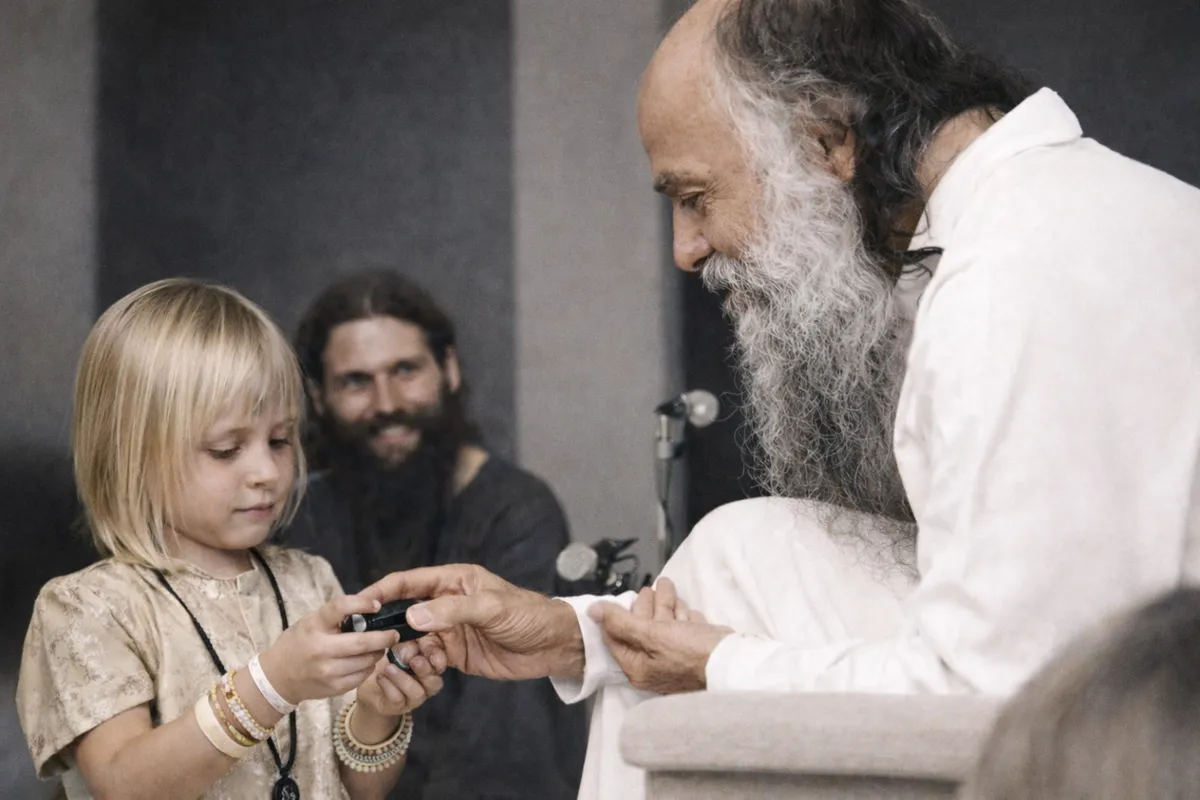
Quit collecting ideas; be quiet inside and see for yourself—only your own clear, wordless seeing truly starts the journey.
From the Discourses
Passages where Osho speaks to this question — each links to the complete discourse.
Osho, it feels as if life is passing moment by moment. I have even found a true master; still, why is the next step unclear?
There is no next step. Why are you thinking about a next step? To think of a next step means this step is not blissful; you want another. This moment is not enough; you want the next. Today is not sufficient; you want tomorrow. Somewhere there is pain in the present; you long for the future. The “next step” is the contemplation of a troubled mind. For the happy person, this very step is the last step. For the happy person, the path itself is the goal. If you are delighted with me, drop talking about the next step. There is no next step. The next step arises from a diseased, restless mind. When you are not happy today, you begin to think of tomorrow. To forget today’s misery you think of tomorrow, you spin hopes of tomorrow, you weave dreams of tomorrow, you become absorbed in tomorrow so that…
दूसरा प्रश्न: ओशो, जीवन प्रतिपल बीत रहा है, ऐसा लगता है। सदगुरु भी मिल गए, फिर भी अगला कदम अस्पष्ट क्यों है?
अगले कदम की सोचने का अर्थ है कि यह कदम आनंदपूर्ण नहीं है, अगला चाहिए। यह क्षण काफी नहीं है, अगला चाहिए। आज पर्याप्त नहीं है, कल चाहिए। वर्तमान में कहीं पीड़ा है, भविष्य चाहिए। अगला कदम दुखी आदमी के मन की चिंतना है। सुखी आदमी के लिए यही कदम आखिरी कदम है। सुखी आदमी के लिए मार्ग ही मंजिल है। अगर तुम प्रसन्न हो मेरे साथ, बात बंद कर दो अगले कदम की। अगला कदम होता ही नहीं। अगला कदम तो रुग्ण चित्त की दशा से पैदा होता है। जब तुम आज सुखी नहीं हो, तब तुम कल का विचार करते हो। आज के दुख को भुलाने के लिए कल का विचार करते हो, कल की आशा बांधते हो, कल का सपना संजोते हो, कल में तल्लीन हो जाते हो, ताकि आज का दुख भूल जाए।
Osho, the journey so far has been hard, but with your hint and support I have passed through it. I feel blessed to have received what I had never even imagined! Whatever I experienced, I kept explaining to others as well. But the journey ahead seems not only difficult, it feels absolutely impossible. You say, “You are at the destination; drop the very idea of journey.” It seems somewhat understandable, yet the resolution doesn’t stay. Osho, why does this complaint arise? Am I expecting the impossible before its time? Is waiting an even harder practice than practice itself? Osho, what is this r
You get a glimpse that the teaching is right; but the ancient mind won’t let the glimpse stay. It protests, “How can this be right? What will happen to me? Where will I go? If you are already God, then what is the point of religion? What meaning has practice? If you are God, then who is saint and who sinner? Who is Ravana and who Rama?” The mind creates a thousand disturbances. “Then what difference between a drunkard and a devotee—if all are God?” It becomes hard to answer such questions. And the truth is: between saint and sinner there is no difference—only on the surface, in the mind; within, the same One resides. Between Rama and Ravana there is no difference. Have you ever gone behind the stage of a Ramlila? There the reality is revealed. The curtain lifts: Rama and Ravana stand with bows and arrows aimed,…
पहला प्रश्न: ओशो, अब तक की यात्रा कठिन रही, लेकिन आपके इशारे से और सहारे से उससे गुजर चुका। जो कभी सोचा भी न था, उसे पाकर धन्यभागी हूं! जो भी अनुभव में आया, उसे अब तक दूसरों को भी समझाता रहा। लेकिन आगे की यात्रा सिर्फ कठिन ही नहीं, बल्कि बिलकुल असंभव लगती है। आप तो कहते हैं, तुम मंजिल पर हो; यह यात्रा का खयाल ही छोड़ दो। बात कुछ समझ में आती सी लगती है, फिर भी समाधान टिकता नहीं। ओशो, यह शिकायत क्यों उठती है? क्या मैं समय के पूर्व असंभव की अपेक्षा कर रहा हूं? क्या प्रतीक्षा साधना से भी कठिन साधना है? ओशो, यह कैसी बेचैनी है?
एक झलक मिलती है तुम्हें कि बात ठीक। लेकिन यह जो पुराना मन है, यह उस झलक को टिकने नहीं देता। यह कहता है, बात ठीक कैसे हो सकती है? मेरा क्या होगा? मैं कहां जाऊं? और यह बात ठीक नहीं हो सकती; क्योंकि अगर तुम परमात्मा ही हो तो फिर धर्म का कोई प्रयोजन नहीं; फिर साधना का कोई अर्थ नहीं। अगर तुम परमात्मा ही हो तो फिर कौन है संत और कौन असंत; कौन पापी, कौन पुण्यात्मा; फिर कौन रावण और कौन राम? फिर मन हजार उपद्रव खड़े करता है। फिर तुम शराबी में और सत्संगी में क्या फर्क करोगे? अगर सभी परमात्मा हैं! और मन के इन प्रश्नों के उत्तर देना मुश्किल होने लगेगा। और सच्चाई यही है कि संत में और असंत में कोई फर्क नहीं है। फर्क ऊपर-ऊपर है, फर्क मन का है, भीतर एक ही विराजमान है। राम और रावण में कोई फर्क नहीं है।
Osho, in meditation a kind of dullness has begun to set in. Thoughts don’t particularly bother me, yet full awareness is also not there. What is this state, and what should I do?
Let only one remembrance remain—do not stop; keep going. There are many possibilities, because each person is different; so the stages cannot be described too precisely. It is uncertain where rivers and mountain gorges will be met. Guidelines can be given, but each person is very distinct, very different. Where you meet mountains, another may not. Where you meet dullness, another may not. It depends on your habits in life, on the structure of your living. One who has always lived in the mountains will not feel dullness there; for him the mountains are just fine. You go there and you feel dullness—you belong to the market. You are a creature of the bazaar. Then it will be very hard. Bring a mountain man to the market and he will feel derangement: this is madness. He will want to run away. Gurdjieff once experimented with his disciple Ouspensky. He kept…
आखिरी प्रश्न: ओशो, ध्यान में जड़ता आने लगी है, विचार भी खास तंग नहीं करते, मगर पूरा होश भी नहीं रहता है। यह कैसी स्थिति है और मुझे क्या करना चाहिए?
सूचनाएं दी जा सकती हैं, लेकिन प्रत्येक व्यक्ति बड़ा अलग है, बड़ा भिन्न है। इसलिए तुम्हें जहां पहाड़ मिलेंगे, वहां दूसरे को न मिलें। और तुम्हें जहां जड़ता मिले, वहां दूसरे को न मिले। निर्भर करता है कि तुम्हारे जीवन की आदतें कैसी हैं, तुम्हारे जीवन का ढांचा कैसा था। जो आदमी पहाड़ पर ही रहता रहा है, उसको पहाड़ पर जड़ता मालूम न पड़ेगी; उसे पहाड़ पर सब ठीक है। तुम जाओगे, जड़ता मालूम पड़ेगी। तुम बाजार में रहे हो। तुम बाजार के कीड़े हो। तब बहुत कठिनाई होगी। पहाड़ वाले आदमी को बाजार में ले आओ, उसे विक्षिप्तता मालूम पड़ेगी; यह पागलपन हो रहा है। वह भाग जाना चाहेगा।
Osho, you always emphasize experience. I have done everything—worship and rituals, yoga and meditation, vows and fasting! And for some years I even lived like an old-style sadhu. Yet nothing came of all that. What should I do now?
You have done nothing. Do you even know what fasting is? Fasting—upavas—means to dwell near, to sit close to the Divine. It does not mean starving. Yes, it often happens that sitting close to Him you forget food; you forget to eat. In real fasting, food is not in the focus—God is; and God is so much in focus that you forget the body. Then food does not come to mind: that is fasting. When you fast, the exact opposite happens. What you do should not be called upavas; that is why we have another word—anashan, a hunger strike. You go on a hunger strike: “Today I will not eat.” But have you seen what a man does when he decides to fast? “Tomorrow I mustn’t eat”—so tonight he stuffs himself. He makes up for tomorrow today. Is that fasting? And what will you do tomorrow all day? You will…
पहला प्रश्न: ओशो, आप सदा अनुभव पर जोर देते हैं। मैं सब कर चुका हूं--पूजा-पाठ, योग-ध्यान, व्रत-उपवास! और कुछ वर्षों तक पुराने ढब का साधु भी रह चुका हूं। मगर इस सब अनुभव से कुछ मिला नहीं। अब मैं क्या करूं?
तुमने कुछ नहीं किया। उपवास का अर्थ समझते हो? उपवास का अर्थ होता है: परमात्मा के पास होना। उप वास। उसके पास बैठना। भूखे मरने से मतलब नहीं होता। हां, ऐसा अक्सर हो जाता है कि उसके पास बैठे-बैठे भोजन की याद नहीं आती, भोजन भूल जाता है। असली उपवास में भोजन नहीं होता ध्यान में, परमात्मा ध्यान में होता है; लेकिन परमात्मा इतना ध्यान में होता है कि देह की सुध-बुध भूल जाती है, उस दिन भोजन की याद नहीं आती, यह उपवास। तुम जब उपवास करते हो तो ठीक उलटा ही होता है। तुम्हारे उपवास को उपवास नहीं कहना चाहिए। इसीलिए तो हमारे पास दूसरा शब्द है--अनशन। अनशन करते हो तुम, आज भोजन नहीं लेंगे। मगर देखा है, जब आदमी उपवास का तय करता है, अनशन करने चलता है तो क्या करता है?--कल भोजन नहीं लेना है, आज रात डट कर ले लेता है। कल तक की कमी आज पूरी कर लेता है। यह कोई उपवास है? …
Question: First question: Osho, A thousand suns flashed and sank, yet we could not turn our sorrowful dusk into dawn. Please, now tell us what to do? ... We have honored stubbornness so much we made a whole yoga out of it—Hathayoga! We honor the obstinate: the rigid, cranky, vain, stiff-necked. So stiff that even when the rope is burnt, the kinks remain. Someone stands on one leg for years—we call him a great yogi. He is merely pigheaded, dull-witted; only the dull are obstinate. Someone eats once a week; someone drinks only milk; someone lives only on water; someone stands on his head; someone has kept one arm raised for years and now cannot put it down—the muscles have lost their flow. We wash their feet and drink that water, calling them ascetics and wise. They are only stubborn.
हमने तो हठ को इतना आदर दिया कि हमने उसका पूरा योग बना दिया--हठयोग! हठी लोगों को हम बड़ा आदर देते हैं। जिद्दी लोगों को हम त्यागी-तपस्वी कहते हैं। होते सिर्फ जिद्दी हैं। हठी, झंझटी, दंभी, अकड़ से भरे हुए लोग। ऐसी अकड़ से भरे हुए कि रस्सी भी जल जाए तो भी उसकी अकड़ नहीं जाए। कोई एक ही पैर पर खड़ा है वर्षों से। इसको तुम कहते हो: महायोगी! एक ही पैर पर खड़ा है! है कुल जमा यह जिद्दी किस्म का आदमी। जड़बुद्धि होगा। क्योंकि सिर्फ जड़बुद्धि ही हठी होते हैं। कि कोई आदमी सिर्फ सप्ताह में एक दफा भोजन करता है। कि कोई आदमी सिर्फ दूध ही पीता है। कि कोई आदमी सिर्फ पानी ही पीकर जिंदा रहने की कोशिश करता है। कि कोई आदमी सिर के बल ही खड़ा है। कि किसी आदमी ने एक हाथ ऊपर उठा लिया है तो उसको नीचे नहीं करता। ऊपर ही किए हुए है। हाथ सूख गया है। अब तो वह नीचे करना भी चाहे तो कर नहीं सकता। मांस-पेशियों ने गतिमयता खो दी है; लोच खो दी है। इनको हम तपस्वी कहते हैं, ज्ञानी कहते हैं। …